
The Khambatta Dance Company Director Shares Desires for Cross-Cultural Connectivity
Cyrus shares that the experience of two cultures coming together is important to him, as his father is Indian and his mother is white, making him a product of cross-cultural connection himself. Throughout their personal lives and careers, Cyrus’ parents have experienced and fought against racial discrimination. From witnessing his parents’ own experiences, as well as navigating the societal challenges of having a biracial identity, Cyrus has been inspired to elevate and celebrate diversity through dance as a means to heal the damages that injustices like racism have caused. “[It] inspires me when I see different cultures coming together,” Cyrus expresses, sharing that his primary desire is to bring unity through understanding in his work at Khambatta Dance Company and beyond.
Cyrus Khambatta On His Vision for a Networked Future
Name pronunciation: Sai-russ Kahm-baht-ta | Pronouns: he/him
By Madison Huizinga, DWC Blog Contributor

When encapsulated in their communities, with their noses to the grindstone, it can be easy for artists to silo themselves off. While bolstering artistry in one’s community is beneficial, many benefits can also be reaped from looking outside oneself and forming cross-cultural connections. This inclusivity- and community-oriented mindset is one that Cyrus Khambatta carries with him in his work as Executive Artistic Director of Khambatta Dance Company and the Seattle International Dance Festival.
Cyrus was introduced to art and movement at a young age, as his mother worked in theatre education. He took classes at Capitol Hill Arts Workshop in Washington, DC, where he trained early on in acrobatics, tap, and creative movement, among other styles. Cyrus developed a deep interest in physical theatre, specifically the intersection of dance and theatre, which he fostered while attending an alternative school. During his time at New York University, he participated in the Experimental Theater Wing, specifically the dance track, which featured a curriculum largely focused on physicality and self-creation.
With fellow students and peers on the dance track at NYU, Cyrus formed Phffft! Dance Theatre Company, which would later become Khambatta Dance Company. Having participated in largely self-directed educational programs throughout his schooling, Cyrus was confident that starting a company right after college was something he wanted to do. After graduating, the company mainly toured and performed around Europe and the east coast of the United States, including Spoleto Festival USA in Charleston, South Carolina. KDC also took part in a long-term residency in Venezuela for about three years.
After KDC moved to Seattle in 2001, Cyrus realized that dance was not being presented in a lot of venues like it was on the east coast and across Europe. “If [KDC] was going to be here, we would have to create our own environment,” he shares. Cyrus felt deeply inspired by the cross-cultural and cross-organizational connections made at the dance and arts festivals he participated in across different regions; this type of connection is ultimately what inspired the creation of the Seattle International Dance Festival.
Seattle International Dance Festival is a program born out of Khambatta Dance Company, aimed at hosting and inviting domestic and international dance companies to Seattle to present work. Cyrus is a board member and the main curator for SIDF but invites curators for various portions of the festival, such as Gonzaga University Dance Director Suzanne Ostersmith for the Spotlight on Seattle program of SIDF in 2022.
“As an artist, artist presenter, administrator, and company that oversees the festival, we have a great interest in seeing that dance is served in our community,” Cyrus says, speaking on the value of providing the geographically isolated Seattle dance community with a view into different dance scenes around the world.
Cyrus shares that the experience of two cultures coming together is important to him, as his father is Asian Indian and his mother is white, making him a product of cross-cultural connection himself. Throughout their personal lives and careers, Cyrus’ parents have experienced and fought against racial discrimination. From witnessing his parents’ own experiences, as well as navigating the societal challenges of having a biracial identity, Cyrus has been inspired to elevate and celebrate diversity through dance as a means to heal the damage racism has caused. “[It] inspires me when I see different cultures coming together,” Cyrus expresses, sharing that his primary desire is to bring unity through understanding in his work at Khambatta Dance Company and beyond.
Cyrus describes the leadership and creation process within Khambatta Dance Company as “collaborative” across the organization, including its artistic and administrative positions. The dancers all work together to create an abundance of material in a short period of time and the administrative staff comes together to identify areas of need to improve KDC and SIDF. This horizontal leadership format falls in tandem with the values the organization was founded on.
In addition, Cyrus takes pride in KDC’s presentation of split bill performances, as the organization finds value in presenting “a pluralistic view of art” as a way for creators and audiences to reflect on their life experiences and see broader worldviews.
Over the summer, Khambatta Dance Company performed at Blois Dance Festival in Blois, France, and did a two-week residency at Newport Dance Festival with Island Moving Company in Newport, Rhode Island. Along with Khambatta performing its own independent pieces, dancers from KDC and Island Moving Company got the opportunity to dance together in a piece choreographed by Cyrus for both companies.
In October 2022, Khambatta Dance Company is headed to Busan and Iksan, South Korea to perform. KDC has a partnership with a dance festival in South Korea and plans on working to bring artists back and forth between South Korea and the United States.

“We are looking at creating an international and national network where Seattle artists could tour some of the places that we have created relationships,” Cyrus says of the future of SIDF. He’s greatly interested in creating mechanisms that encourage the global exchange of dancers to better support Seattle artists’ touring funds, allow artists opportunities to expand their own audiences, as well as see art presented across different cultures. In his work, Cyrus appreciates utilizing a model that doesn’t just consider what will benefit one’s own community, but also neighboring communities.
“I’d like to see that artists become the ambassadors for culture, particularly in the United States,” Cyrus says. In addition, he encourages artists to foster their own community-oriented curiosity and turn their eyes toward art that they may think is pushing the envelope. In addition, he believes dancers should embolden themselves to “think a little bigger,” pushing themselves to stop considering how they must fit a pre-existing mold, in spite of the challenges that come along with that.
“I think dance artists really need to think about changing the mold,” Cyrus says.
Representation and Acceptance in the Dance World
It wasn’t until age 10 that Jamia Ramsey learned that tights are supposed to match the skin tone of the dancer that wears them. After auditioning, Jamia had earned a scholarship to dance at the Dance Theatre of Harlem in New York City. “It was there that I first learned that flesh-toned tights were supposed to match your skin tone,” she shares. Jamia learned about the process of dying tights and using makeup to “pancake” ballet and pointe shoes. Previously, she had only danced in pink and tan-colored tights, which are readily available at any dancewear retailer but don’t match her skin tone. “It was all about uniformity,” Jamia explains. It’s safe to say that this experience planted the seed for Jamia to create her visionary dancewear company Blendz Apparel: a brand that offers high-quality, flesh-toned dance apparel that all dancers can wear.
Blendz Apparel’s Jamia Ramsey
By Madison Huizinga, DWC Blog Editor
It wasn’t until age 10 that Jamia Ramsey learned that tights are supposed to match the skin tone of the dancer that wears them. After auditioning, Jamia had earned a scholarship to dance at the Dance Theatre of Harlem in New York City. “It was there that I first learned that flesh-toned tights were supposed to match your skin tone,” she shares. Jamia learned about the process of dying tights and using makeup to “pancake” ballet and pointe shoes. Previously, she had only danced in pink and tan-colored tights, which are readily available at any dancewear retailer but don’t match her skin tone. “It was all about uniformity,” Jamia explains. It’s safe to say that this experience planted the seed for Jamia to create her visionary dancewear company Blendz Apparel: a brand that offers high-quality, flesh-toned dance apparel that all dancers can wear.
Jamia began dancing at age two when her mom put her in ballet and tap class. The art form had always played a big role in Jamia’s family, as her mother, sisters, and brother all danced. “It was something that was always near and dear to my heart,” Jamia shares. She continued dancing through middle school, high school, and college, participating in her studio’s company, winning various awards, attending summer intensives, and “fully immers[ing] into the dance world.”
After graduating college, Jamia dreamed of moving to New York to perform. However, due to expenses, she ultimately moved home to Atlanta and got a desk job at a logistics company. Jamia had always envisioned herself opening up a dance studio, but not until much later in life. Realizing that she was going to be in Atlanta for a long time, she figured now was a better time than ever to start.
Jamia started DanceMoves, a dance academy at a recreation center in Atlanta that served “underprivileged youth.” As Jamia did throughout her own dance journey, the dancers and their parents at DanceMoves went through “the grueling time and money consuming process of finding, spraying, and dyeing dancewear to match their complexions.” She found herself frustrated by the end products, as the tights and shoes never fully matched the dancers’ skin tones after all of the work they put into them. “It was just a headache,” Jamia says.
After doing some research online, Jamia found that other dancers and dance teachers were struggling with tights and shoes not matching their skin tones as well. Jamia also learned that after being asked to make wider shade ranges in their dance apparel, many large dancewear companies refused, claiming that there wasn’t a market for it.

Jamia realized that she had a “now or never opportunity.” “There was a void in the market...everyone deserves to be represented,” she says. “I just decided that...if no one’s going to do it… I can do it myself.” In 2017, Jamia officially started working on Blendz Apparel full-time.
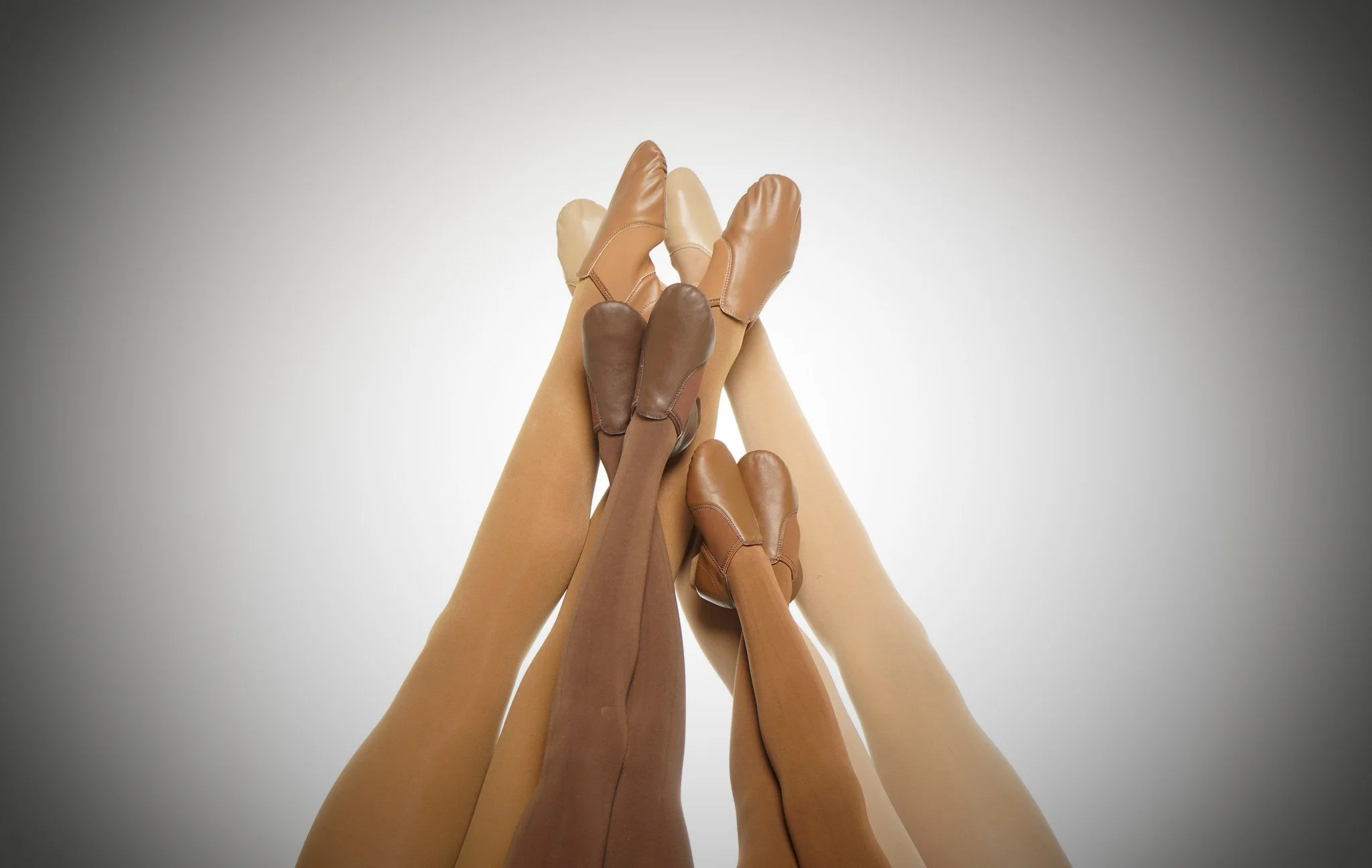
Blendz Apparel offers stretch canvas and leather ballet shoes, jazz shoes, contemporary half-soles, and convertible tights in different flesh tones, including “Tenacious Tan,” “Maven Mahogany,” “Brazen Brown,” and “Confident Cocoa.” A percentage of each purchase at Blendz Apparel goes towards “The Valerie Grace Scholarship Fund” which assists young dancers with furthering their dance education at summer intensives and attending college. The scholarship is named after Jamia’s mother, as she and Jamia’s aunt helped fund her dance journey and supported her throughout her career. “They had a big love for dance and big hearts and I want to give back as well,” Jamia says. There will be an application process for people to apply for the scholarship.
For those looking to start their own business, Jamia advises them to “go ahead and get started… don’t wait.” “You’re not going to have every piece of the puzzle available and ready, but just put one foot in front of the other and you’ll figure it out along the way.”
Jamia hopes to see more inclusivity in the dance world, especially in ballet. She wants diverse dancers with different backgrounds to be embraced for their cultural differences so they aren’t forced to fit in a certain mold. Jamia wants dancers to be allowed to be unique and own their individualism. “I would like for more dance companies to embrace dancers of all hues and allow them to wear dancewear that matches their skin tone and best reflects them as a person,” she states. By working towards this, more dancers will be seen for their character and talent, rather than their skin color fitting a certain aesthetic.
Jamia believes that the “people at the top,” including artistic directors and dance teachers, must create policies that allow dancers to wear apparel that matches their skin tones and embrace their natural hair while dancing. She believes that after these changes are made by powerful decision-makers in the dance world, more and more dancers will begin to accept them. In addition, on an individual level, dancers need to voice to upper-level dance directors and teachers the changes they wish to see in the dance world to make them known.
“Having the [flesh-toned] dancewear already manufactured and pre-made [promotes] the idea that dance is for everyone and not just for a certain subset group,” Jamia shares about Blendz Apparel. “That’s how Blendz is going about trying to make our change in the world: by starting with the shades that are not represented in the market and expanding from there.” In doing so, Blendz strives to create a dance realm that welcomes “inclusion and comfort for every dancer everywhere.”
Preparing Mentally, Emotionally & Physically for Aging in Dance and Transitioning Stages
As a young company dancer at Olympic Ballet Theater in the 1980’s, one of my favorite pieces I performed was “Fall” as a part of the Ballet Seasons. Now in my 50’s, I’m in a very different season of my life as a dancer. I’ve always loved fall–the season that teaches us that change can be beautiful.
What I’ve Learned from 50+ Years of Dance!
Pronunciation: La-Ree Ba-Lees | Pronouns: she/her
By Laurie Balise, DWC Ambassador

click to shop the look: girlfriend | GF Biketard
As a young company dancer at Olympic Ballet Theater in the 1980’s, one of my favorite pieces I performed was “Fall” as a part of the Ballet Seasons. Now in my 50’s, I’m in a very different season of my life as a dancer. I’ve always loved fall–the season that teaches us that change can be beautiful.
My life story thus far includes many different seasons, in both dance and otherwise, all of which I’ve tried to embrace. Each season has taught me something different that at now 53 has created wisdom. While there have been many successes and much happiness, I’ve also learned to deal with mistakes and disappointment, handling regrets, and practicing forgiveness. Often the greatest shifts and growth have come from re-addressing previous truths that came after life tragedies. My wisdom has taught me that everything in life, whether positive or negative, or significant or seemingly not, has value. Personal reflection is so important, and implementing new ideas or goals, yet still allowing yourself to dream. I likewise believe in teaching my dancers to be adaptable, disciplined, hard working, resilient and tenacious in all they do. Dance teaches us SO much more on our life path at times than just dance, and I’m grateful for all the lessons along the way.
Something I’ve also considered as I’ve aged is wanting to assure I’ve created a positive impact on the world. Whereas in my youth I was primarily a performer, transitioning to teaching gave me even greater purpose. Before teaching I incorporated the arts and dance into my academics in college with an internship at Pacific NW Ballet in their Public Relations Department and later was the Publicist for the Seattle Symphony. I have more avenues to explore, but I’ve also found peace and felt pride and satisfaction with what I’ve accomplished thus far. I think positive self validation is really important always, but especially as we get older-we don’t have to continually prove ourselves as dancers, or otherwise. What I hope to have passed along as a teacher and be remembered for is that I truly cared; that I challenged myself and others both creatively and in physical abilities and technique; that I showed my students how to have fun even when working hard; and that believing in themselves is always most important. I love connecting with others in our shared humanity which has been a big part of my purpose. I think it’s important to identify the why? as well and once we have, better align ourselves with our purpose. Progress and growth is always important, but sometimes it also includes rest or reinvention. There’s no particular ‘standard’ we have to meet to be dancers either- no right or wrong. Nor do we have to be doing certain things like performing or even teaching to still be viable in our art form and make a contribution. There are so many options for how we can incorporate dance into our lives that are meaningful and joyous. I love just dancing around the world or taking classes whenever I’m traveling. For many years I’ve also helped in volunteer positions judging the dance category in art competitions, assisting with high school dance team tryouts, producing and choreographing school musicals, and representing the arts at student career fairs.

click to shop the look:
Jule meshie crop top | CD World grey/black sports bra | SoDanca Black Shorts
Sometimes rest or change is something we resist though until life throws us a prominent “stoplight!’ There are always indicators around us if we are present enough to pay attention, and sometimes an opportunity we hadn’t considered becomes a wonderful transition to a new chapter. The Universe sent me a message recently to listen to my gut, literally. It led me to health tests that revealed a gut disorder most likely brought on from years of cumulative stressors and past traumas. As dancers and artists, we of course are quite empathic and feel everything deeply. Additionally, we hold ourselves to high standards and push ourselves in all ways. And after so many years of being in front of people, no matter what level of confidence or mastery we have, we can still get anxiety and butterflies in our stomach. Practicing greater self care and managing stress including both physical and mental health has been a big priority for me especially in this latest season of my life. The gift in awareness was that I was able to bring its importance into my professional life as well by offering mindfulness and meditation classes for my dancers, as well as teaching yoga to both kids and adults.
In more recent years, I’ve really tried to start leaning more into my wisdom and intuition, giving myself more permission to say “no” when necessary to find greater balance in my life. I think this is such a great practice for dancers or anyone. Sometimes things are just too much at times, and when we ease off and take a few steps back we can actually proceed forward with greater care. We don’t always have to be “on'' and available to everyone either. We’re already so exposed as performers and teachers, and it’s okay to not have to always be front and center. Using this skill, I try to step back when I teach for instance so my dancers can let themselves be their own focus.
I may be getting older- everyone is! But I’ve found acceptance in that and all the undeniable things my body has gone through as a mother and otherwise. In this way I practice non-resistance to the things I can’t change. That said, I still don’t need to be limited by or defined by my body or age in my strengths or abilities throughout any of the seasons of my life either. In many ways I know my body has been stronger the older I’ve gotten. When we truly love ourselves, our body responds positively in a homeostasis in our mind, body, and soul. As a dancer and most importantly a human being, I am always viable in what I have to offer and in any capacity that I may find myself in. This is what keeps me going and growing, always, and staying positive and allows the freedom and ease of transformation to occur, in dance or otherwise.
If we think of ourselves as being in constant creation then we are in a revolutionary process of reinventing ourselves throughout life. Growth is a choice we can make over stagnation. The more we move in all ways,, the more we find opportunities to stimulate our brains and bodies in new exploratory ways. This can help us defy the aging process just by the natural occurrence of our choices and actions. You are confined only by the walls you build yourself; the opposite of courage is not cowardice, it’s conformity.
Just like there are several positions in dance that we flow through from first to fifth, we move through different points in our relationship with dance in each new season. Each is beautifully unique for what it offers us in experiences and memories and grows us in different ways. When holding a pose in dance, we still remain alive and breathing before transitioning into the next step, just like through the stages of our lives. So may we all Temps lié, Chassé or Pas de Bourrée into our next position in life and embrace whatever it may be! Ultimately as we know, life itself is truly a dance!

“You can have as much ballet or dance as you want in your life. You can have a lot or a little bit, or somewhere in-between,” said Miko Fogarty, the star of the 2012 dance documentary First Position who herself has found different directions in life beyond dance.
About the Author

Disclaimer
All content found on the Dancewear Center Website, Instagram, Facebook, Pinterest, and all other relevant social media platforms including: text, images, audio, or other formats were created for informational purposes only. Offerings for continuing education credits are clearly identified and the appropriate target audience is identified. The Content is not intended to be a substitute for professional medical advice, diagnosis, or treatment. Always seek the advice of your physician or other qualified health provider with any questions you may have regarding a medical condition. Never disregard professional medical advice or delay in seeking it because of something you have read on this Website.
If you think you may have a medical emergency, call your doctor, go to the emergency department, or call 911 immediately. Dancewear Center does not recommend or endorse any specific tests, physicians, products, procedures, opinions, or other information that may be mentioned on dancewearcenter.net. Reliance on any information provided by dancewearcenter.net, Dancewear Center employees, contracted writers, or medical professionals presenting content for publication to Dancewear Center is solely at your own risk.
Links to educational content not created by Dancewear Center are taken at your own risk. Dancewear Center is not responsible for the claims of external websites and education companies.

Easiest Way to Put on Apollas
Grab your Apolla shocks and make sure that you have the correct sock for your foot. (The inside of the shock should have a R or an L that indicates which one goes on which foot)
Roll up the top of the shock as if you are putting on tights and slip in onto your foot.
By the DWC Team
Apolla Performance products are known to be top-notch for dancers around the country for recovery and performance use. Apolla Performance products use shock absorption technology to help comfort the balls of the feet and squeeze the arch of the foot for maximum comfort and support in any style of dance. Here is the easiest way to put on your Apollas to ensure that your feet are comfortable!
Grab your Apolla shocks and make sure that you have the correct sock for your foot. (The inside of the shock should have a R or an L that indicates which one goes on which foot)
Roll up the top of the shock as if you are putting on tights and slip in onto your foot.
Be sure that the ball of the foot and heel is aligned with the pads at the bottom of the shock.
Finish putting on the shock and tug until it is a snug fit.
These products can be found at Dancewear Center in store or online! Be sure to check out the video below to see the full how-to!
Disclaimer
All content found on the Dancewear Center Website, Instagram, Facebook, Pinterest, and all other relevant social media platforms including: text, images, audio, or other formats were created for informational purposes only. Offerings for continuing education credits are clearly identified and the appropriate target audience is identified. The Content is not intended to be a substitute for professional medical advice, diagnosis, or treatment. Always seek the advice of your physician or other qualified health provider with any questions you may have regarding a medical condition. Never disregard professional medical advice or delay in seeking it because of something you have read on this Website.
If you think you may have a medical emergency, call your doctor, go to the emergency department, or call 911 immediately. Dancewear Center does not recommend or endorse any specific tests, physicians, products, procedures, opinions, or other information that may be mentioned on dancewearcenter.net. Reliance on any information provided by dancewearcenter.net, Dancewear Center employees, contracted writers, or medical professionals presenting content for publication to Dancewear Center is solely at your own risk.
Links to educational content not created by Dancewear Center are taken at your own risk. Dancewear Center is not responsible for the claims of external websites and education companies.
How to Use Traction Spray with Apollas
Apolla Performance products are known to be top-notch for dancers all around the country. Certain Apolla products are specially made to have traction, or they are made to be smooth on the bottom like a regular sock. But, when using the Apolla Performance Traction Shock, the traction on the bottom of the sock can wear down over time. This means that it is time to add it back with the E6000 Adhesive Spray! Here is how in just a few easy steps:
By the DWC Team
Apolla Performance products are known to be top-notch for dancers all around the country. Certain Apolla products are specially made to have traction, or they are made to be smooth on the bottom like a regular sock. But, when using the Apolla Performance Traction Shock, the traction on the bottom of the sock can wear down over time. This means that it is time to add it back with the E6000 Adhesive Spray! Here is how in just a few easy steps:
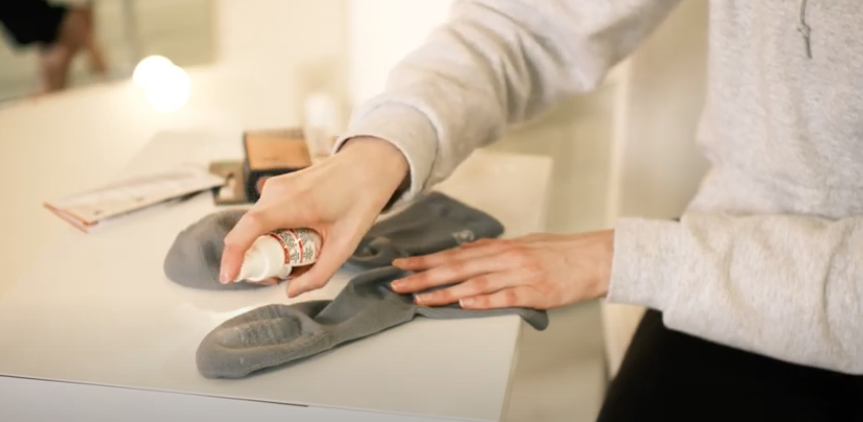
Make sure that you have shaken the spray before you apply it to the sock!
Take off the cap and evenly spray 5-10 times on the bottom of the sock.
To ensure the even distribution of the adhesive, you can rub the bottoms of the sock together.
Be sure to let the socks dry before you go onto the floors. (This can leave a sticky residue on the floors)
Lastly, enjoy your traction socks!
All these products can be found at Dancewear Center in-store or online! Be sure to check out the video below to see the complete how-to!
Disclaimer
All content found on the Dancewear Center Website, Instagram, Facebook, Pinterest, and all other relevant social media platforms including: text, images, audio, or other formats were created for informational purposes only. Offerings for continuing education credits are clearly identified and the appropriate target audience is identified. The Content is not intended to be a substitute for professional medical advice, diagnosis, or treatment. Always seek the advice of your physician or other qualified health provider with any questions you may have regarding a medical condition. Never disregard professional medical advice or delay in seeking it because of something you have read on this Website.
If you think you may have a medical emergency, call your doctor, go to the emergency department, or call 911 immediately. Dancewear Center does not recommend or endorse any specific tests, physicians, products, procedures, opinions, or other information that may be mentioned on dancewearcenter.net. Reliance on any information provided by dancewearcenter.net, Dancewear Center employees, contracted writers, or medical professionals presenting content for publication to Dancewear Center is solely at your own risk.
Links to educational content not created by Dancewear Center are taken at your own risk. Dancewear Center is not responsible for the claims of external websites and education companies.
Getting To Know DWC Ambassador Laurie Balise
Becoming a DWC Ambassador was something that Laurie Balise knew she wanted to do. She saw an opportunity to positively impact the dance community by participating in the program especially because she shares the company’s ideals of integrity, laughter and tenacity. Additionally, her impetus was because she believes in the importance of positive support and collaboration in our industry in order to more greatly empower all dancers. We got the chance to speak with one of our new Ambassadors and hear about her dancing journey and what motivated her the most in the dance world! Read on to learn more about Laurie’s experience with dance and what she’s looking forward to most about becoming an Ambassador!
Pronunciation: La-Ree Ba-Lees | Pronouns: she/her
By Nicole Barrett, DWC Blog Editor

Becoming a DWC Ambassador was something that Laurie Balise knew she wanted to do. She saw an opportunity to positively impact the dance community by participating in the program especially because she shares the company’s ideals of integrity, laughter and tenacity. Additionally, her impetus was because she believes in the importance of positive support and collaboration in our industry in order to more greatly empower all dancers. We got the chance to speak with one of our new Ambassadors and hear about her dancing journey and what motivated her the most in the dance world! Read on to learn more about Laurie’s experience with dance and what she’s looking forward to most about becoming an Ambassador!
Laurie started dancing when she was just 3 years old. Ever since she has loved the world of performing arts. She was one of the founding senior dancers at Olympic Ballet Theater in the 1980’s and originally trained with Dorothy Fisher dancers. Her family has always been a big supporter of the arts, so growing up she knew her life would always involve her passion in some way. She’s had positions in the arts in several of Seattle’s largest arts organizations, as well as taught dance and fitness for many organizations, and currently teaches ballet, pilates, and mindfulness and meditation at Vibe Dance Studio and primarily pilates and yoga at Columbia Athletic Club. Her teaching career has spanned 22 years in the greater Everett/Seattle area.
One thing that Laurie is most excited about when it comes to her new ambassadorship is the community that is around Dancewear Center and the connection and education it provides. She loves the message that DWC has put out that “every body is a dancing body” and she is excited to offer her unique perspectives with the dance community especially as an older dancer and teacher. After nearly 50 years of dance experience, she has many personal stories and teaching wisdom she is looking forward to passing along during her ambassadorship, as well as she is hoping to be an inspiration in longevity to other dancers.
We are so happy to have Laurie as one of our new DWC Ambassadors! Be sure to check out her interview on our YouTube channel to hear more about Laurie’s dancing journey!
About the Author
Disclaimer
All content found on the Dancewear Center Website, Instagram, Facebook, Pinterest, and all other relevant social media platforms including: text, images, audio, or other formats were created for informational purposes only. Offerings for continuing education credits are clearly identified and the appropriate target audience is identified. The Content is not intended to be a substitute for professional medical advice, diagnosis, or treatment. Always seek the advice of your physician or other qualified health provider with any questions you may have regarding a medical condition. Never disregard professional medical advice or delay in seeking it because of something you have read on this Website.
If you think you may have a medical emergency, call your doctor, go to the emergency department, or call 911 immediately. Dancewear Center does not recommend or endorse any specific tests, physicians, products, procedures, opinions, or other information that may be mentioned on dancewearcenter.net. Reliance on any information provided by dancewearcenter.net, Dancewear Center employees, contracted writers, or medical professionals presenting content for publication to Dancewear Center is solely at your own risk.
Links to educational content not created by Dancewear Center are taken at your own risk. Dancewear Center is not responsible for the claims of external websites and education companies.
Teaching Artist Kirsten Cooper On Tackling Technical Dance Challenges
Kirsten’s favorite thing about dance, she shares, is the connections people make through this art form are something that she finds to be the best thing about the dance world. “Through my teaching, I’ve seen people from different economical lives come and dance together and I think that that is just amazing,” she shares. She also shares that the connection through an emotional basis and a common love of dance is something that is very important to keep going. The relationships that she has made through people that she has taught are something that is very important to her and sets an example for the connection that dance can make through people.
A Conversation About Opening Dance for All Ages
Phonetic pronunciation: Kir-sten Coo-per | Pronouns: she/her
By Nicole Barrett, DWC Blog Editor
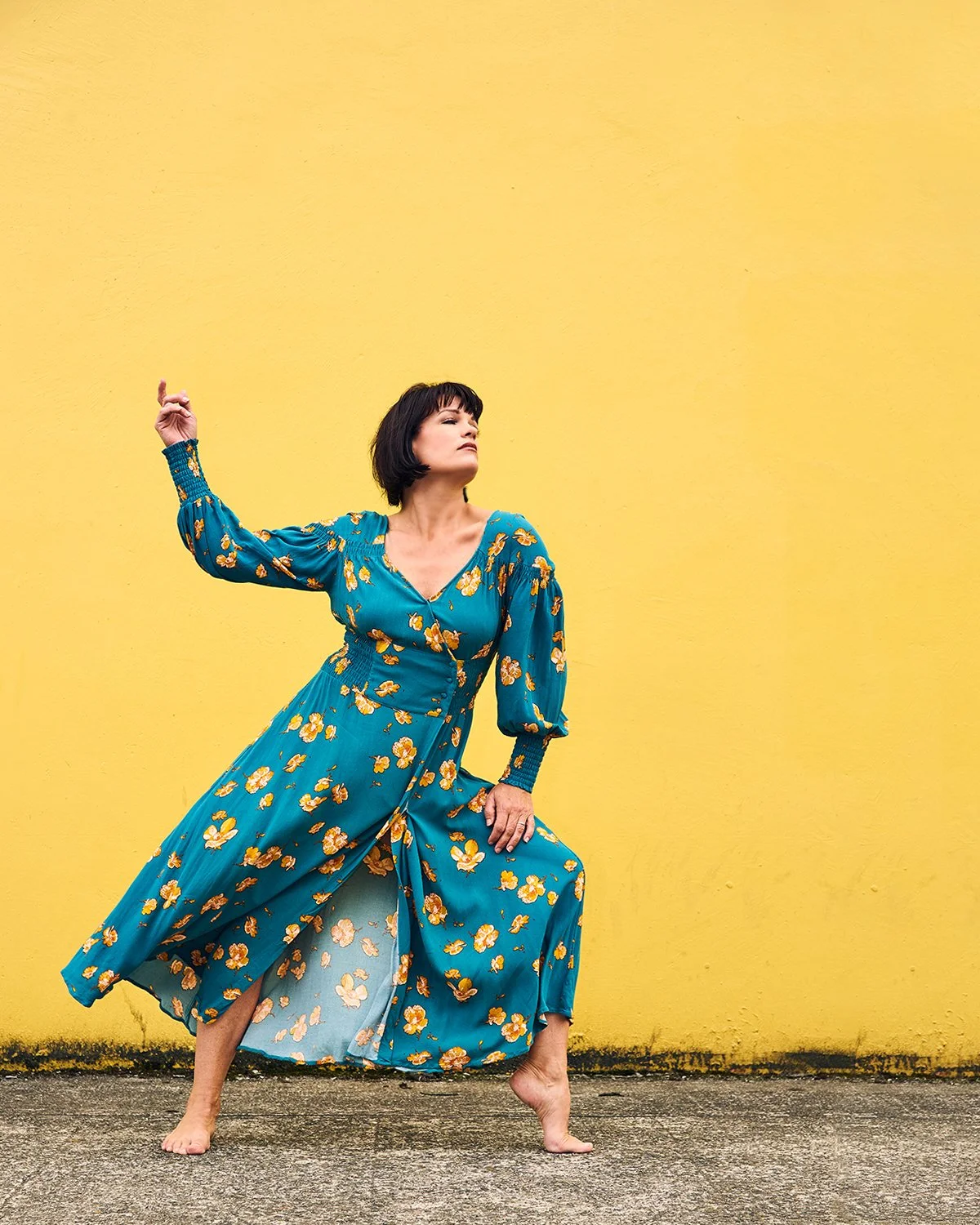
Photo by Nigel Cooper Photography
Freelance teacher Kirsten Cooper is no stranger to the dance world. From dancing in her hometown in Spokane, Washington to dancing professionally in Los Angeles, California, there is no doubt about the amount of experience that she holds. Read on to learn more about Kirsten’s dance journey and her work with Westlake Dance Center!
Kirsten Cooper has always been a freelance teacher. She has been teaching in the Pacific Northwest for many years now after moving to Seattle following being a professional in Los Angeles. She shares that she mostly teaches jazz, contemporary, lyrical, and theater dance. Kirsten has taught at numerous different suburban studios, but she does the majority of her teaching at Westlake Dance Center where she runs the pre-professional program. She also teaches at the summer intensive at Pacific Northwest Ballet focusing on jazz, and she expresses how much she loves teaching ballerinas. She also shares that she loves to travel as much as she can, sharing that she’s journeyed to Texas, Montana, California, and Bulgaria to teach dance. Kirsten also just finished her Barre Eclipse License where she can now teach barre during her conditioning classes.
When asked about what sparked her passion for teaching, Kirsten shares that growing up in Spokane, she always loved dance. She expresses that she never got serious about it until she reached high school when her dance teacher opened her own studio. “She opened her own studio when I was a senior in high school, so then I was just there all the time” Kirsten shares. When she was at her studio, there was a variety of mixed-age groups that were in her classes. She shares that that is something that made her feel comfortable in the suburban environment and showed her that classes with different age groups were possible.
Going into college, Kirsten attended Pacific Lutheran University for about a year and a half and realized that she wanted to dance in Los Angeles. Once she arrived, she started taking dance classes for about a year and finally landed an agent. She began assisting Rhonda Miller with teaching, helping out in different jobs, and teaching at L.A. DanceForce. She shares that this experience taught her how to teach and run effective rehearsals and sparked her passion for teaching. Assisting also allowed her to create more art in the dance world which is something that she loves.
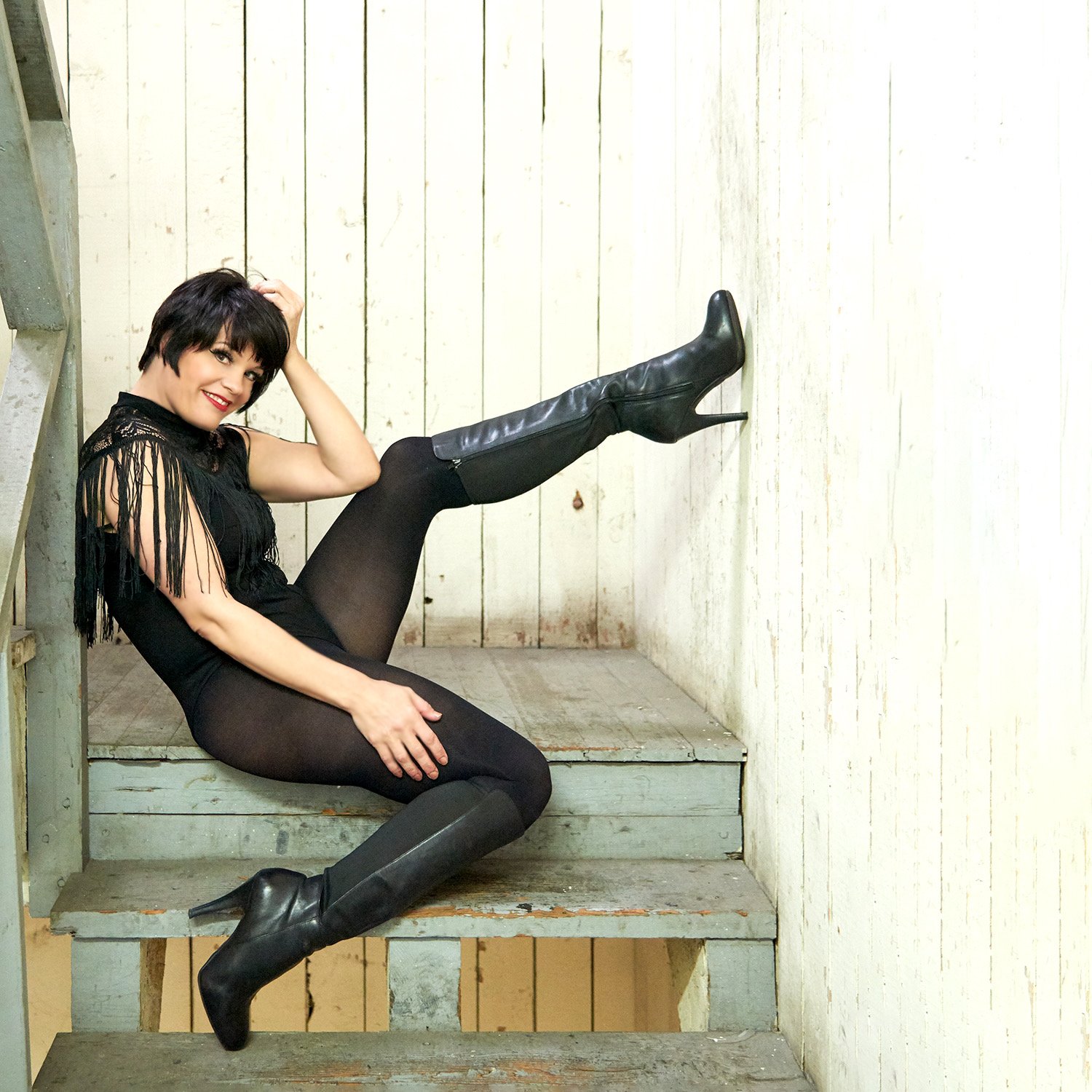
Photo by Nigel Cooper Photography
Moving on to Kirsten’s favorite thing about dance, she shares that the connections people make through this art form are something that she finds to be the best thing about the dance world. “Through my teaching, I’ve seen people from different social-economic backgrounds come and dance together and I think that that is just amazing,” she shares. She also shares that the connection through an emotional basis and a common love of dance is something that is very important to capitalize on in the dance community. The relationships that she has made through people that she has taught are something that is very important to her and sets an example for the connection that dance can make through people.
“My former dancers are some of my closest friends,” Kirsten shares.
One of the biggest struggles that Kirsten experienced when starting to dance is that she simply started training later. While Kirsten excelled at performing onstage, she struggled with more technical elements of dance, such as lacking turnout in her hips. She expresses that getting over the hump of needing to look and be a certain way was a big struggle for her. She conveys that some advice she would give dancers is simply to ensure that they are taking care of themselves. Physical therapy and nourishment are something that she believes are very important in the dance world. Kirsten also says that the aspect of social media in dance can be harmful to dancers but also have some good impacts too. Therefore, she thinks that recognizing the technical challenges of dancing and using social media can put dancers in the right direction to dance safely.
When asked about what she wants to see change in the dance world, Kirsten shares that talking about dance competitions in a healthy way is something that could potentially make a positive impact. There are many unhealthy ways that competitions and conventions are thrown onto dancers at younger ages, and Kirsten acknowledges that aspect. She believes that introducing conventions and competitions in healthy ways is something that needs to happen so dancers can reap their benefits. A way that she thinks the industry could move towards this change is emphasizing improvement instead of constant recognition. “It is nice to be recognized but [that] cannot be the only focus,” Kirsten says of class feedback, sharing that she likes asking her students how they feel about a skill they’ve learned before any kind of outcome from her, as the teacher, is revealed.

Photo by Nigel Cooper Photography
Coming up this summer, Kirsten is still teaching open classes at Westlake Dance Center and she will be doing all five weeks of the summer intensive program at Pacific Northwest Ballet. For Kirsten’s pre-professional program, she is taking auditions this summer for slots in classes and more information will be up with posters soon. She is also doing a workshop with Broadway dancer Mary Ann Lamb at the end of summer/early fall and typically in the fall, she has workshops with Jaci Royal as well. She shares that anyone that wants to come to these workshops is more than welcome and that they are open to everyone!
For more information about upcoming events with Kirsten, be sure to check out her socials!
About the Author
Sources:
Disclaimer
All content found on the Dancewear Center Website, Instagram, Facebook, Pinterest, and all other relevant social media platforms including: text, images, audio, or other formats were created for informational purposes only. Offerings for continuing education credits are clearly identified and the appropriate target audience is identified. The Content is not intended to be a substitute for professional medical advice, diagnosis, or treatment. Always seek the advice of your physician or other qualified health provider with any questions you may have regarding a medical condition. Never disregard professional medical advice or delay in seeking it because of something you have read on this Website.
If you think you may have a medical emergency, call your doctor, go to the emergency department, or call 911 immediately. Dancewear Center does not recommend or endorse any specific tests, physicians, products, procedures, opinions, or other information that may be mentioned on dancewearcenter.net. Reliance on any information provided by dancewearcenter.net, Dancewear Center employees, contracted writers, or medical professionals presenting content for publication to Dancewear Center is solely at your own risk.
Links to educational content not created by Dancewear Center are taken at your own risk. Dancewear Center is not responsible for the claims of external websites and education companies.
Tips for Exploring Dance in a New City
Whether you’re planning on making a cross-country move like me, or are graduating school and moving on from your familiar dance studio, life is full of transitions - some of which we’re prepared for and others we aren’t. One thing that can help make these transitions feel a bit more easeful is continuing to do what we’re passionate about. And fortunately, one of my favorite things about dance is its universality: no matter what country you’re in, what age you are, or what physical or mental state you’re experiencing, dance can be there for you in one capacity or another. In the short time I’ve spent living in a new city so far, here are some of the tips I have for exploring dance in a new place.
Advice for Dancing Amid Transition
By Madison Huizinga, DWC Blog Contributor

I have recently relocated to a new city for the first time ever. For nearly 22 years, I’ve lived and largely operated within the same 20-mile radius. Understandably, this transition has been a bit of a physical and emotional challenge. I’m miles and miles away from the community that helped raise me, both my family and my beloved dance network. If there was one thing I was certain about when it came to making this life change, it was that I wanted to continue dancing as much as possible. While I’ve yet to establish a solid routine in this new place, attending dance classes has provided a level of comfort and normalcy amidst the whirlwind of change.
Whether you’re planning on making a cross-country move like me, or are graduating school and moving on from your familiar dance studio, life is full of transitions - some of which we’re prepared for and others we aren’t. One thing that can help make these transitions feel a bit more easeful is continuing to do what we’re passionate about. And fortunately, one of my favorite things about dance is its universality: no matter what country you’re in, what age you are, or what physical or mental state you’re experiencing, dance can be there for you in one capacity or another. In the short time I’ve spent living in a new city so far, here are some of the tips I have for exploring dance in a new place.
Do your research

Photo by Glenn-Carstens-Peters on Unsplash
When I began considering making this move, the first thing I began doing was researching dance studios in the city. As a 21-year-old with a full-time job, I wanted to make sure that I could find accessible dance studios that offered classes for adults at times that worked with my schedule. To my delight, I was able to find a plethora of options in this large city, many of which were “drop-in” classes, meaning I could sign up for them individually, often on the day they were being held. For those with a similarly busy schedule like me, I suggest searching for “drop-in” or “open” classes in your area for maximum flexibility. In the Seattle area, dance studios I highly suggest checking out for drop-in classes are Dance Conservatory Seattle, Dance Fremont, Pacific Northwest Ballet, eXit Space, and more.
After doing some Google searches to find dance studios near me, I also explored the website and social media pages of studios to learn more about their faculty and facility. Read the staff bios to learn more about the background and teaching methods of the instructors - do they align with the attributes you look for in a dance teacher? See if there are any videos on Instagram or YouTube to get a sense of what the class is like in terms of technical difficulty. And of course, don’t be afraid to call the studio itself to get more information you cannot find online.
Pack your bag with all you might need
Before I left for my first class, I was admittedly nervous! What if I forgot something important? What if I wasn’t dressed properly? Many questions circled around my frazzled brain. To ease my stress a bit, I picked out some clothes the night before my class to ensure I wasn’t in a rush to get out the door. I also stocked my dance bag with anything extra I might need, including extra types of dance shoes, a water bottle to fill up in the morning, a theraband, a massage ball, and several different types of warm-ups to throw on over my leotard and tights, including shorts and pants.
Arrive early
Since I’m notoriously directionally challenged, I decided to leave for my first class a bit early to leave extra time for re-routing in case I got lost. After mapping the route to the dance studio on my phone, I decided to leave with five to ten minutes to spare. I arrived at the studio several minutes early, which allowed me to take time to familiarize myself with the space, put on my dance shoes, find a space at the ballet barre, take a few deep breaths, and even introduce myself to the instructor. Having these extra moments for me before the class began helped set me up for success.
Remember: it’s okay to make mistakes!
Whenever I start taking dance classes from a new instructor, it can take me a handful of classes to get comfortable with the pacing of the class and the typical combinations. In open ballet classes, it’s often not clear whether the instructor has been trained in Vaganova, Balanchine, Cecchetti technique, or more. Offer yourself some grace as you get acquainted with the rhythm of the classes and, if it makes you feel more comfortable, find a spot at the back of the room so you can follow others in the class for the time being.
When I make mistakes in a new dance environment, where I’m not close with any of my peers, it can feel a lot more serious than it actually is. Back home, if I fall out of a pirouette, I know that I can turn to my friends and laugh about it; but in this new city, there’s no one to turn to yet. Remember that everyone in that class is dancing for themselves - they are not here to watch you mess up. Likewise, whether you’re looking to drastically improve your technique, simply move your body for the sake of it, or somewhere in between: you are attending this class for yourself. To further cement this idea in my brain, it can be helpful to imagine that the dance class is one big mindfulness exercise, focusing on the sensations in my body as I dance and not on who may be looking at me.

Photo by Chris Yang on Unsplash
If you’re anything like me, you might find change a bit scary, especially after getting comfortable with a reliable routine for so many years. But change can also be incredibly exciting. Getting reasonably out of your comfort zone can teach you so much about yourself, the world, and the life that you want to have. When you find yourself in a transitional phase like I currently am, know that dance can still be a part of your life if you have the tenacity to figure it out: which you do.
Ainslie Cyopik On Prioritizing Quality at Ainsliewear
Through the clothes she made, Ainslie’s mother instilled an appreciation for product quality in her daughter at a young age that shines through at the dancewear company. “The quality of AinslieWear is high,” Ainslie stresses, sharing that the factor that sets the brand apart is the depth of detail it puts into how leotards are made and how they fit. The company sets the bar high, paying close attention to how the leotard lays, the surface area it covers, the stretch and resilience of the fabric, and more. It helps that all the leotards are proudly made in Vancouver, B.C., just steps away from Ainslie’s office. “We have a great team here,” Ainslie says proudly.
A CEO On Progress in Dancewear
Pronouns: she/her | Name pronunciation: Ainslie Sigh-oh-pick
By Madison Huizinga, DWC Blog Editor

Photo by Melika Dez
Few know the vast range of leotard qualities better than a professional dancer. The sensation of an uncomfortable leotard against your skin can feel like it impedes your dancing ability, even leading to a less confident performance. Former professional dancer Ainslie Cyopik knows this all too well - that’s why she founded AinslieWear, a world-class dancewear company celebrating its 25th anniversary in 2022. Read on to learn more about AinslieWear President & CEO Ainslie Cyopik’s own artistic journey and the brand's plans for the upcoming future.
Before becoming a leotard designer extraordinaire, Ainslie led a career as a professional dancer for about 15 years. Like many children, her mother put her in dance at a young age and she quickly took to it. Training at a local ballet school, Ainslie explored ballet and jazz but fell deeper in love with ballet specifically. She eventually ended up dancing in the corps de ballet at The National Ballet of Canada in Toronto, a large company known for its classical ballet work. Ainslie later moved to Vancouver, British Columbia where she danced with Ballet BC. Here, she got to perform in work by renowned choreographers like William Forsythe. “It was a great career,” Ainslie says of her dancing years.
Ainslie grew up in a house full of color and creativity - her father was an artist and her mother had a passion for sewing. She describes drawers in her house being filled with beautiful, colorful fabric, sharing that a love for making beautiful clothes was instilled in her early in life.
“Even as a young teen, I was sewing clothes and loved it,” Ainslie shares. “[I] just adored going to fabric stores with my mom and [seeing] just rows and rows of fabric.” It was a feast for the senses!
Later on, Ainslie began altering some of her leotards that weren’t fitting quite right or that she thought would look interesting with a different color. It was at Ballet BC that she dove deeper into the art of designing and sewing leotards. During her lunch breaks, Ainslie would drop into Dressew, a fabric store next door to the company, and find the best “stretchy stuff” to make leotards with. “That’s where I really started making dancewear for myself and my colleagues,” Ainslie shares.
This year, AinslieWear is celebrating its 25th anniversary. “I can hardly believe it!” Ainslie shares. “We want dancers to feel good. We want people to feel good in the studio,” she says of the philosophy behind the brand. “What we wear does impact how we feel. It can boost us up.”
Through the clothes she made, Ainslie’s mother instilled an appreciation for product quality in her daughter at a young age that shines through at the dancewear company. “The quality of AinslieWear is high,” Ainslie stresses, sharing that the factor that sets the brand apart is the depth of detail it puts into how leotards are made and how they fit. The company sets the bar high, paying close attention to how the leotard lays, the surface area it covers, the stretch and resilience of the fabric, and more. It helps that all the leotards are proudly made in Vancouver, B.C., just steps away from Ainslie’s office. “We have a great team here,” Ainslie says proudly.
Ainslie places value in instilling confidence in her customers, whether they are professional dancers or mothers picking up leotards for their busy dancing children. “They know it’s going to last. They know it’s going to fit well,” she says. Ainslie wants dancers to put on AinslieWear’s leotards and feel like they “hit the mark,” making them feel more self-assured so they can focus on their actual dancing and not on the discomfort of what they’re wearing.
In terms of AinslieWear’s designs, Ainslie shares that the whole world can act as inspiration. She might catch inspiration from fashion trends on the streets or in magazines, but generally, Ainslie loves when happy design accidents happen. “Some things will just cross paths on the product development table,” Ainslie says of such serendipitous designs.
AinslieWear’s 2022 Fall Collection is currently out, featuring falling leaf prints in an elegant “blue heron” shade. In the winter, customers can expect a collection full of darker, edgier tones, as well as holiday-themed products, including those with motifs from The Nutcracker.

Photo by Emily Cooper
Moving forward, inclusivity remains a priority to AinslieWear, particularly in the dancers that are presented across its catalogs and marketing resources. Ainslie voices that it’s “one tiny step,” but through promoting equitable actions across the company’s different branches, she hopes to continue being a part of forward-thinking change. Even across dance companies, Ainslie is thrilled to see so many directors changing up their repertoire, bringing in fresh and dynamic choreography. “Classical ballet [is] not just one thing anymore. It’s really evolving,” she says excitedly. “We’re all broadening how we look at things.”
Shop AinslieWear at Dancewear Center today!
Disclaimer
All content found on the Dancewear Center Website, Instagram, Facebook, Pinterest, and all other relevant social media platforms including: text, images, audio, or other formats were created for informational purposes only. Offerings for continuing education credits are clearly identified and the appropriate target audience is identified. The Content is not intended to be a substitute for professional medical advice, diagnosis, or treatment. Always seek the advice of your physician or other qualified health provider with any questions you may have regarding a medical condition. Never disregard professional medical advice or delay in seeking it because of something you have read on this Website.
If you think you may have a medical emergency, call your doctor, go to the emergency department, or call 911 immediately. Dancewear Center does not recommend or endorse any specific tests, physicians, products, procedures, opinions, or other information that may be mentioned on dancewearcenter.net. Reliance on any information provided by dancewearcenter.net, Dancewear Center employees, contracted writers, or medical professionals presenting content for publication to Dancewear Center is solely at your own risk.
Links to educational content not created by Dancewear Center are taken at your own risk. Dancewear Center is not responsible for the claims of external websites and education companies.
DWC's Holiday Gift Guide 2022
Need ideas on what to get your dancer for Christmas? This DWC Holiday Gift Guide is here to help make Christmas shopping a little easier. We asked some of our own DWC Ambassadors what their favorite dance products sold at Dancewear Center are and put them in the perfect guide for the holidays. Read on to learn more about what items would be great to give to your dancer for the holidays!
By Nicole Barrett, DWC Blog Editor
Need ideas on what to get your dancer for Christmas? This DWC Holiday Gift Guide is here to help make Christmas shopping a little easier. We asked some of our own DWC Ambassadors what their favorite dance products sold at Dancewear Center are and put them in the perfect guide for the holidays. Read on to learn more about what items would be great to give to your dancer for the holidays!

Apolla Performance
Apolla Performance products are known to be top-notch for dancers around the country for recovery and performance use. Recently featured on Shark Tank, Apolla’s compression socks and legwarmers leave dancers’ feet and legs feeling and looking great. Apolla Performance products use shock absorption technology to help comfort the balls of the feet and squeeze the arch of the foot for maximum comfort and support in any style of dance. The Amp Shock, Performance Shock, Infinite Shock, and the K-Warmer are the perfect gift for any performer during this holiday season!
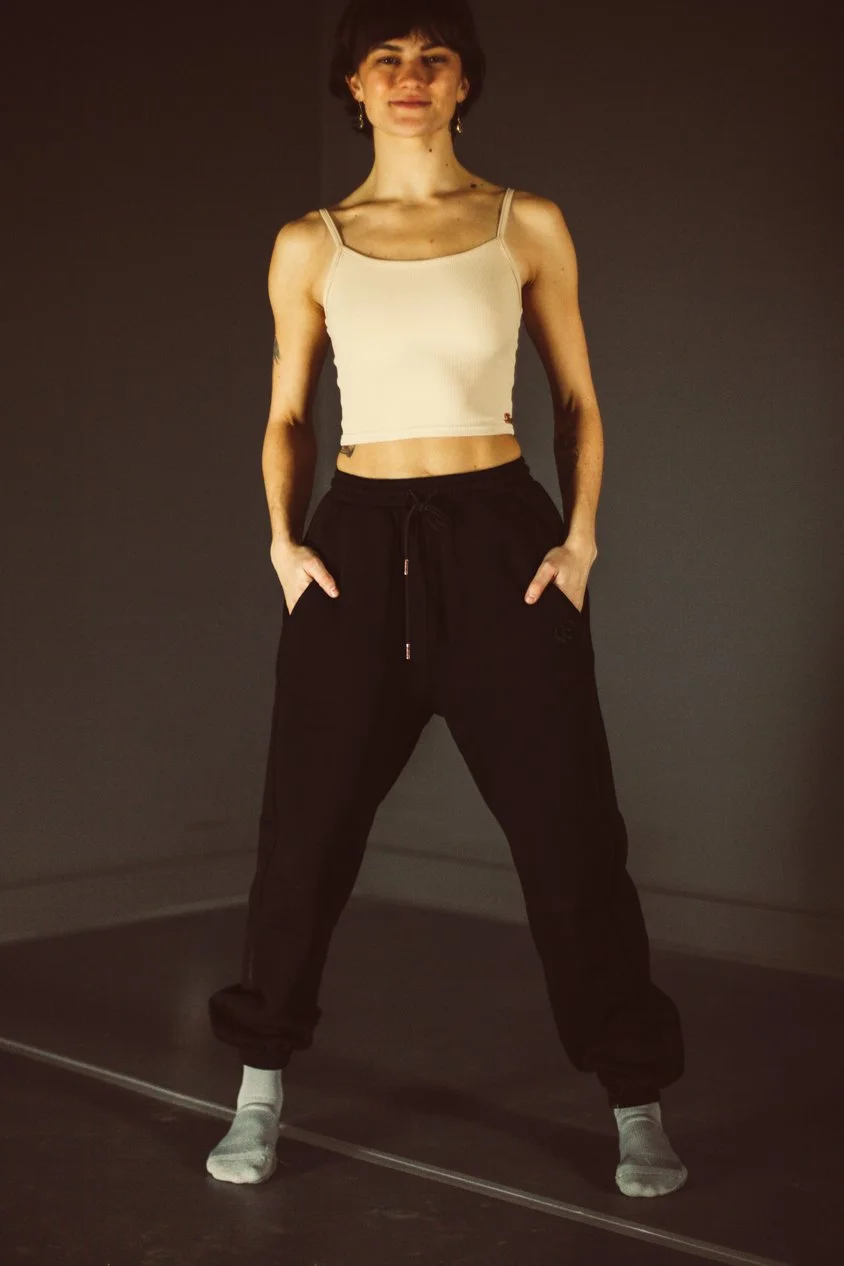
Claudia Dean World Tracksuit Pants
Feeling confident is something that is very important in the dance community. Everyone knows that when you feel confident, you are more likely to perform at your best. That’s where Claudia Dean World Tracksuit Pants come in! These pants are super comfortable and super cute for any dancer to wear. They are perfect to warm up during these cold months or for just lounging around the house. These pants make perfect gifts!

Capezio Technique Duffle Bag
Nutcracker season is infamous for requiring various types of dance gear for dancers during performances. This requires the dancers to have the perfect bag to store all of the things they need. The Capezio Technique Duffle Bag is perfect for carrying all of your dancer’s things! With the large center compartment, you can easily store all of the necessities and carry everything with you from the studio to the theater.
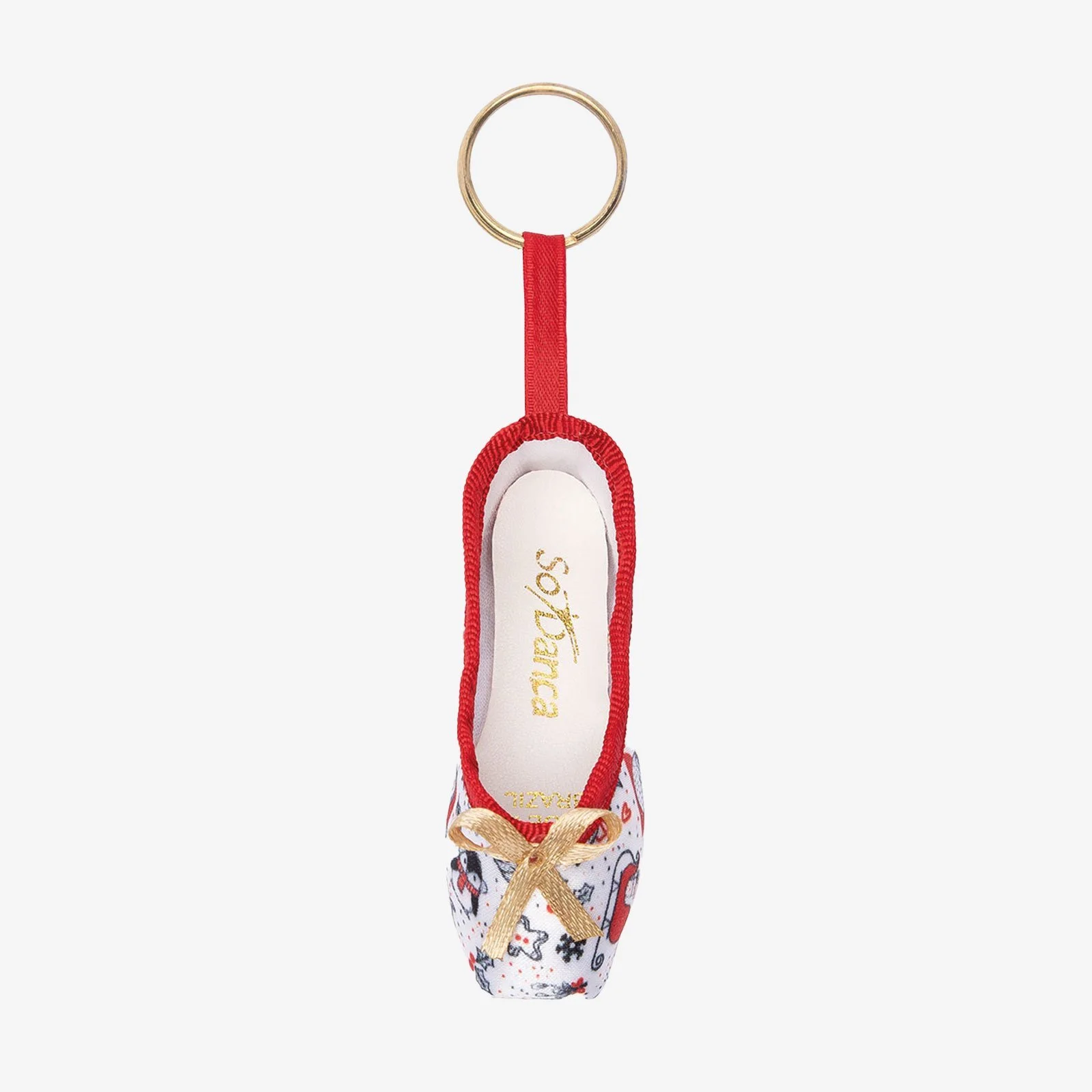
Christmas Keychain
Who doesn’t love some color on their tree? These Christmas Pointe Shoe Keychains can not only be used as Christmas ornaments for your trees but they can also be put on dance bags to decorate for the holiday season! They are great to add some personalized touches to dance bags and are perfect stocking stuffers.
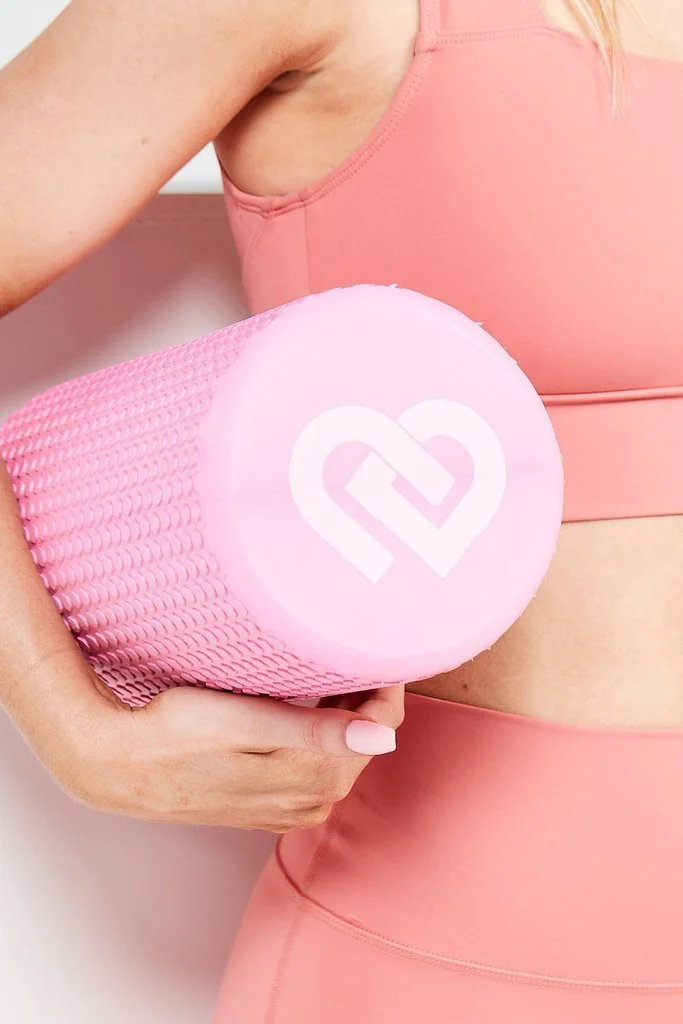
Claudia Dean World Foam Roller
As dancers, we all know that this art form is very physically demanding. Because of this, it is very important that we take care of our bodies properly to ensure the best performance possible. Using the Claudia Dean World Foam Roller before or after class to help stretch and recover can really help prevent sore muscles. This is a perfect gift for any dancer in your life!

Officially En Pointe T
The Officially En Pointe T-shirt is perfect for any dancer wanting to showcase their dancing skills! It’s stylish, comfortable and perfect to wear to dance class or lounging around the house. This t-shirt comes in a variety of sizes and makes a perfect Christmas gift for any dancer!
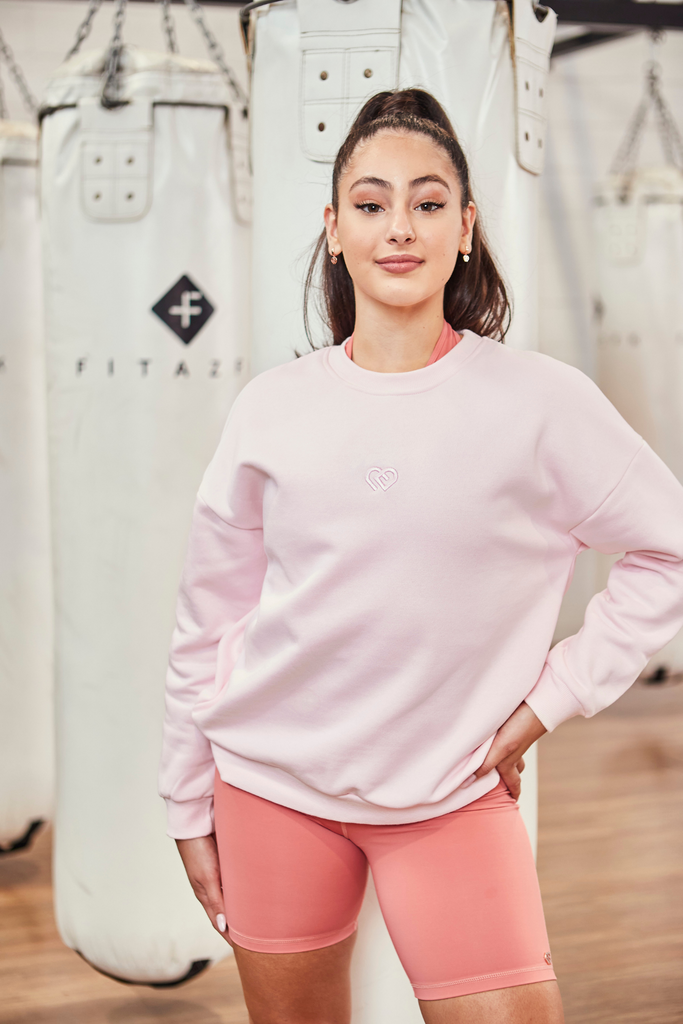
Claudia Dean World Oversized Hoodie
The Claudia Dean World Oversized Hoodie is a perfect addition to any dancer’s wardrobe. It’s soft, comfortable, stylish, and comes in various colors. What more could you want?! This hoodie can be paired with any type of bottom and be instantly cute on anybody. Come find any of these hoodies in-store or online to give to your dancer for the holidays!
We hope this Holiday Gift Guide helps make Christmas shopping for your dancer easier!
Interested in writing for the DWC Blog? Click below to fill out the DWC Contributor application!