
Ian Howe on His Journey with Mental Health & Dance
DWC Ambassador, Ian Howe, speaks about his journey through dance during the pandemic. His story is especially interesting as a studio owner! Often we don’t hear from that aspect of the dance industry and it’s refreshing to get a different perspective on the dance world. He also bravely speaks to his difficulties with mental health, anxiety and depression. Ian shares that while things can still be difficult, he is progressing forward and you may be able to relate. Watch the video for the full talk!

“One of the biggest things I needed to learn, is that it’s okay to not be able to do EVERY thing.”
DWC Ambassador, Ian Howe, speaks about his journey through dance during the pandemic. His story is especially interesting as a studio owner! Often we don’t hear from that aspect of the dance industry and it’s refreshing to get a different perspective on the dance world. He also bravely speaks to his difficulties with mental health, anxiety and depression. Ian shares that while things can still be difficult, he is progressing forward and you may be able to relate. Watch the video for the full talk!
Disclaimer
All content found on the Dancewear Center Website, Instagram, Facebook, Pinterest, and all other relevant social media platforms including: text, images, audio, or other formats were created for informational purposes only. Offerings for continuing education credits are clearly identified and the appropriate target audience is identified. The Content is not intended to be a substitute for professional medical advice, diagnosis, or treatment. Always seek the advice of your physician or other qualified health provider with any questions you may have regarding a medical condition. Never disregard professional medical advice or delay in seeking it because of something you have read on this Website.
If you think you may have a medical emergency, call your doctor, go to the emergency department, or call 911 immediately. Dancewear Center does not recommend or endorse any specific tests, physicians, products, procedures, opinions, or other information that may be mentioned on dancewearcenter.net. Reliance on any information provided by dancewearcenter.net, Dancewear Center employees, contracted writers, or medical professionals presenting content for publication to Dancewear Center is solely at your own risk.
Links to educational content not created by Dancewear Center are taken at your own risk. Dancewear Center is not responsible for the claims of external websites and education companies.
What's In Your Dance Bag?
Everyone knows as dancers that our dance bag is a sacred place. It holds all of our stinky shoes after dancing for hours on end and seems to be an abyss for endless amounts of bobby pins. With each new dance season, new goodies are needed to last the dance season which can add up quickly. We asked some of our DWC Ambassadors what was in their dance bag to give a special look into their go-tos and their necessities they need for classes! Read on to learn more about what is in their dance bags!
By The DWC Ambassadors
Everyone knows as dancers that our dance bag is a sacred place. It holds all of our stinky shoes after dancing for hours on end and seems to be an abyss for endless amounts of bobby pins. With each new dance season, new goodies are needed to last the dance season which can add up quickly. We asked some of our DWC Ambassadors what was in their dance bag to give a special look into their go-tos and their necessities they need for classes! Read on to learn more about what is in their dance bags!

Caroline
Hair bands or claw clip
Water bottle
Snacks (fired mango or granola bar bc I am always hungry!)
Sweatshirt or long sleeve to wear for warmups
Kindle and computer if I have some downtime
Native deodorant
Apple Watch
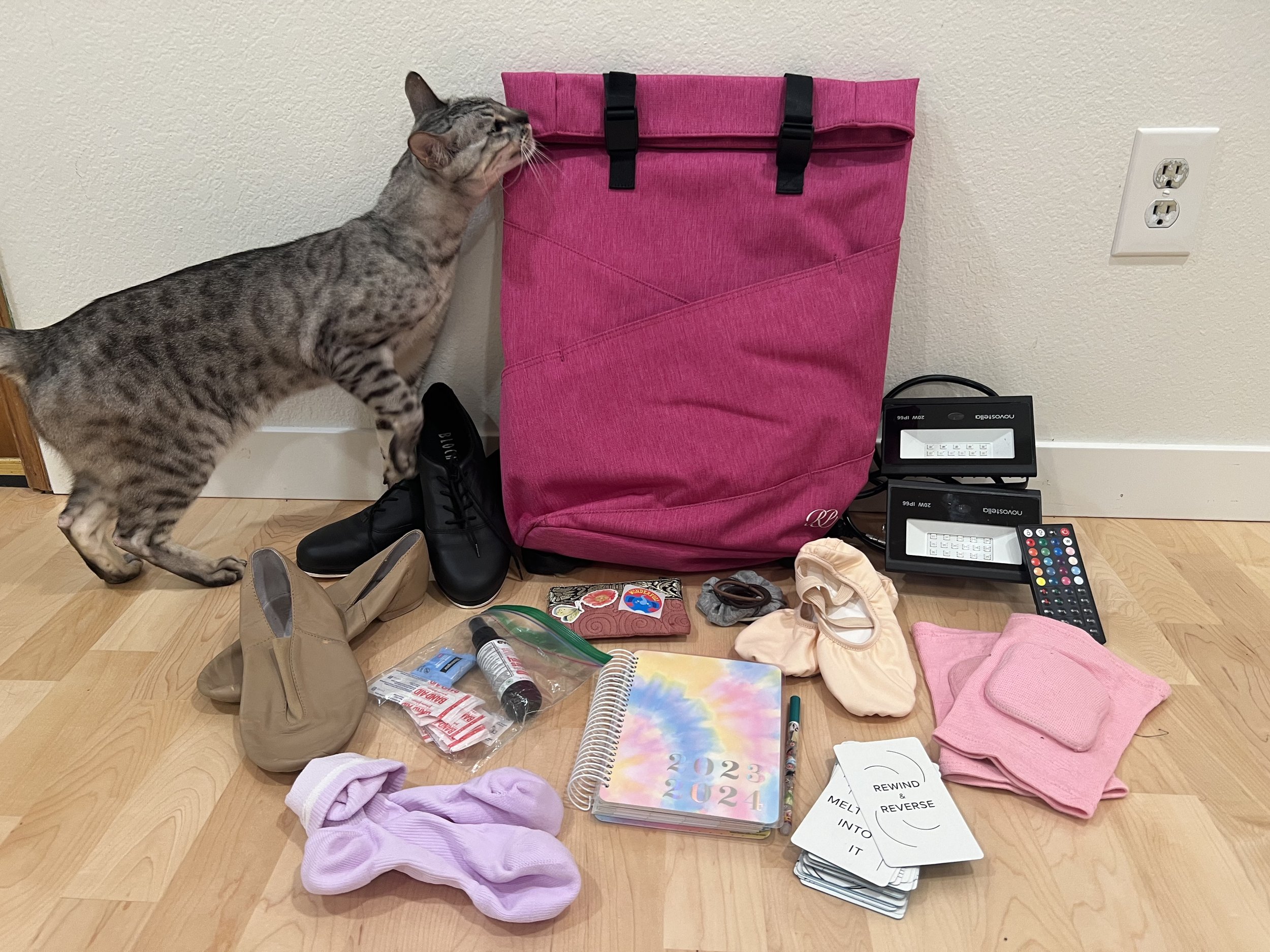
Marika
Band aids, hand sanitizer, makeup wipes
Sticker pouch
Hair ties
Planner
Movement cards
Knee pads
Colored room lights
I always carry a snack :) (Not shown)
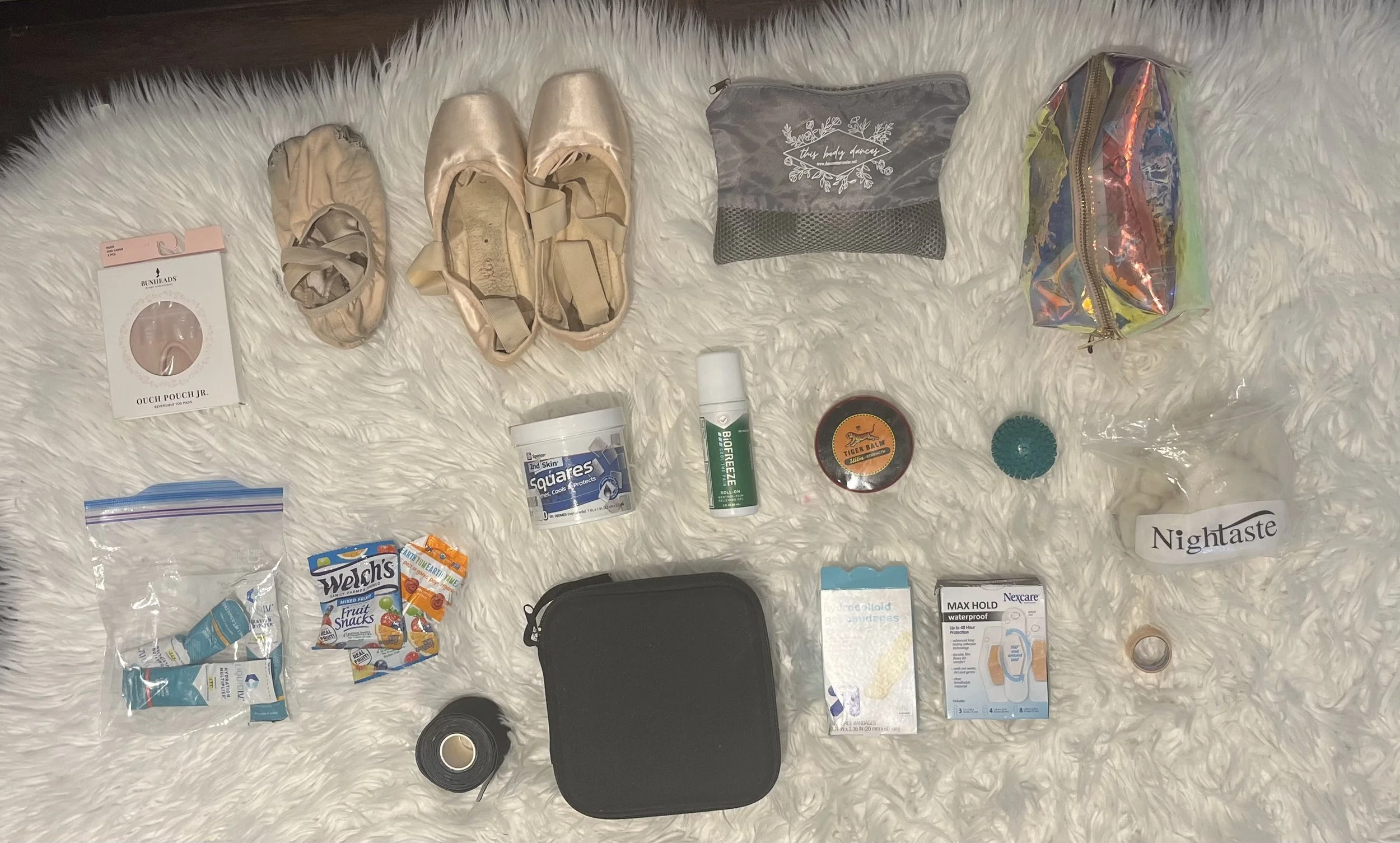
Alaina
In my dance bag I try to keep only the essentials, so I can have a clean and organized bag. I also keep my pointe shoes and flat ballet shoes with me. I currently love the SoDanca ballet flat shoes, and the Mirella whisper pointe shoes. I keep all of my pointe essentials in my Dancewear Center mini zip bag. My favorite toe pads are from Bunheads. 2nd Skin Squares are my favorite for blisters so I always keep them on hand. I also keep blister bandaids and other types of tape with me for injuries and injury prevention. Biofreeze and Tiger Balm are two of my absolute essential items. There is also a mini Thera gun I keep in my bag for post class muscle recovery. Finally I like to keep a few snacks that are high in sugar and easy to digest for quick in between class energy boosts.
Vania
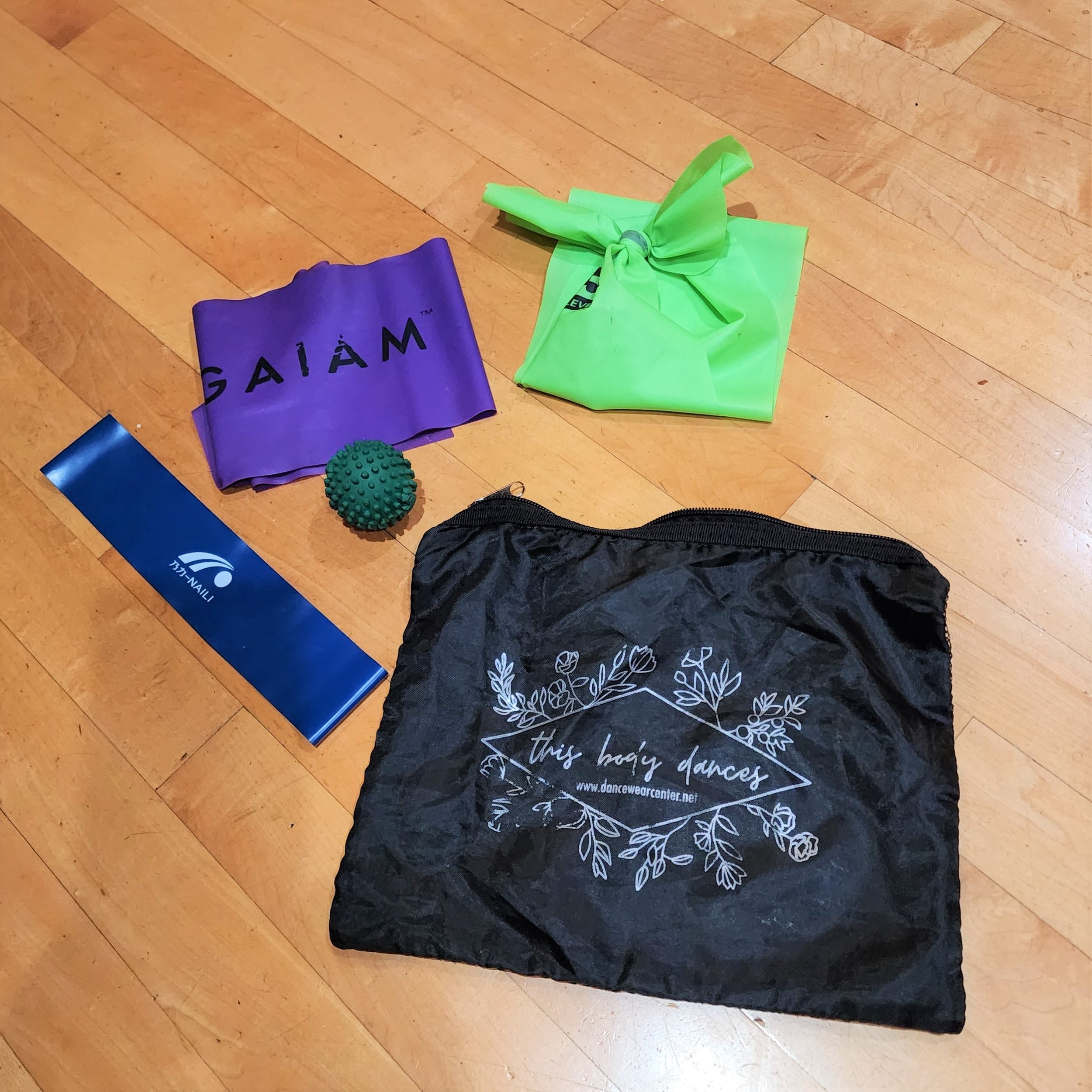
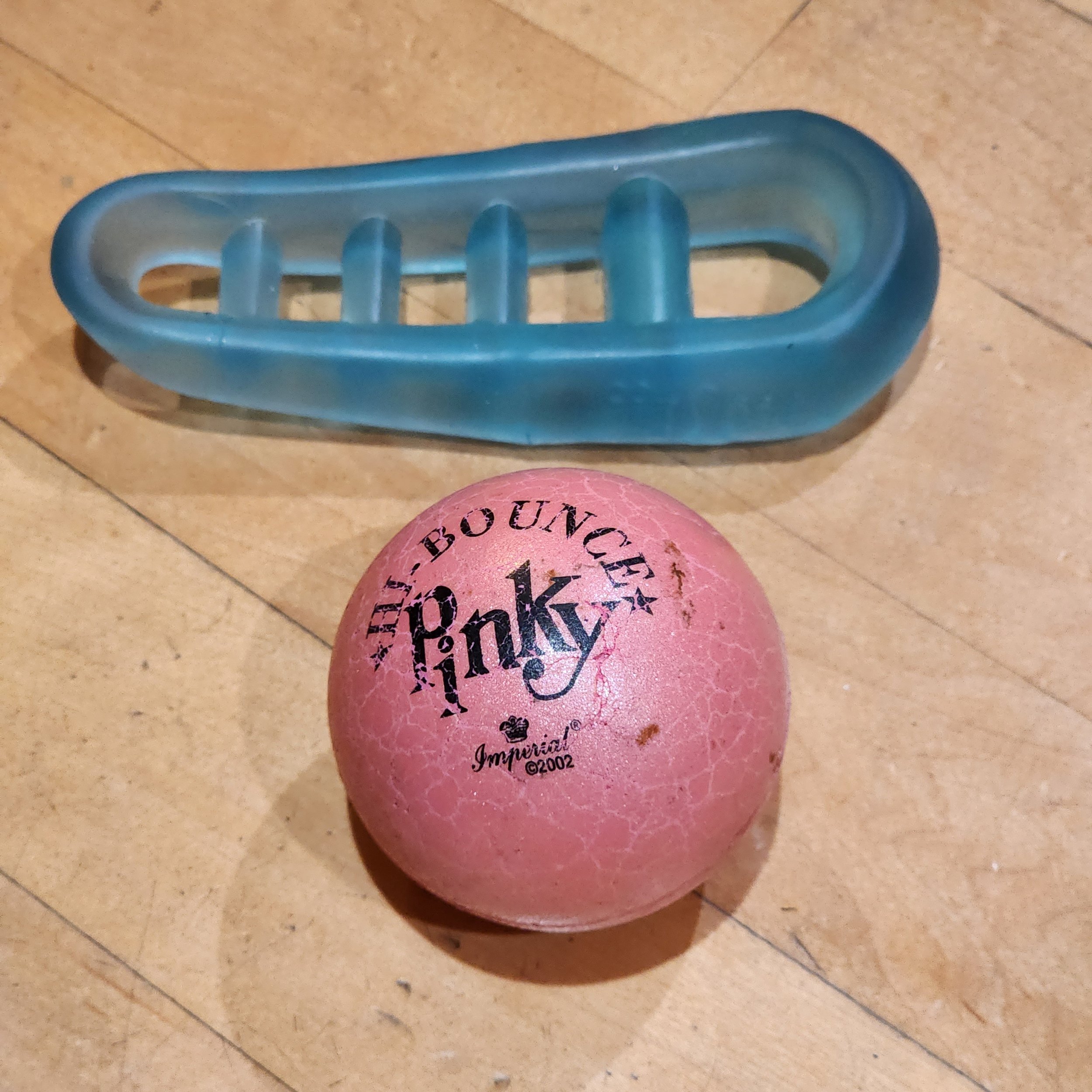
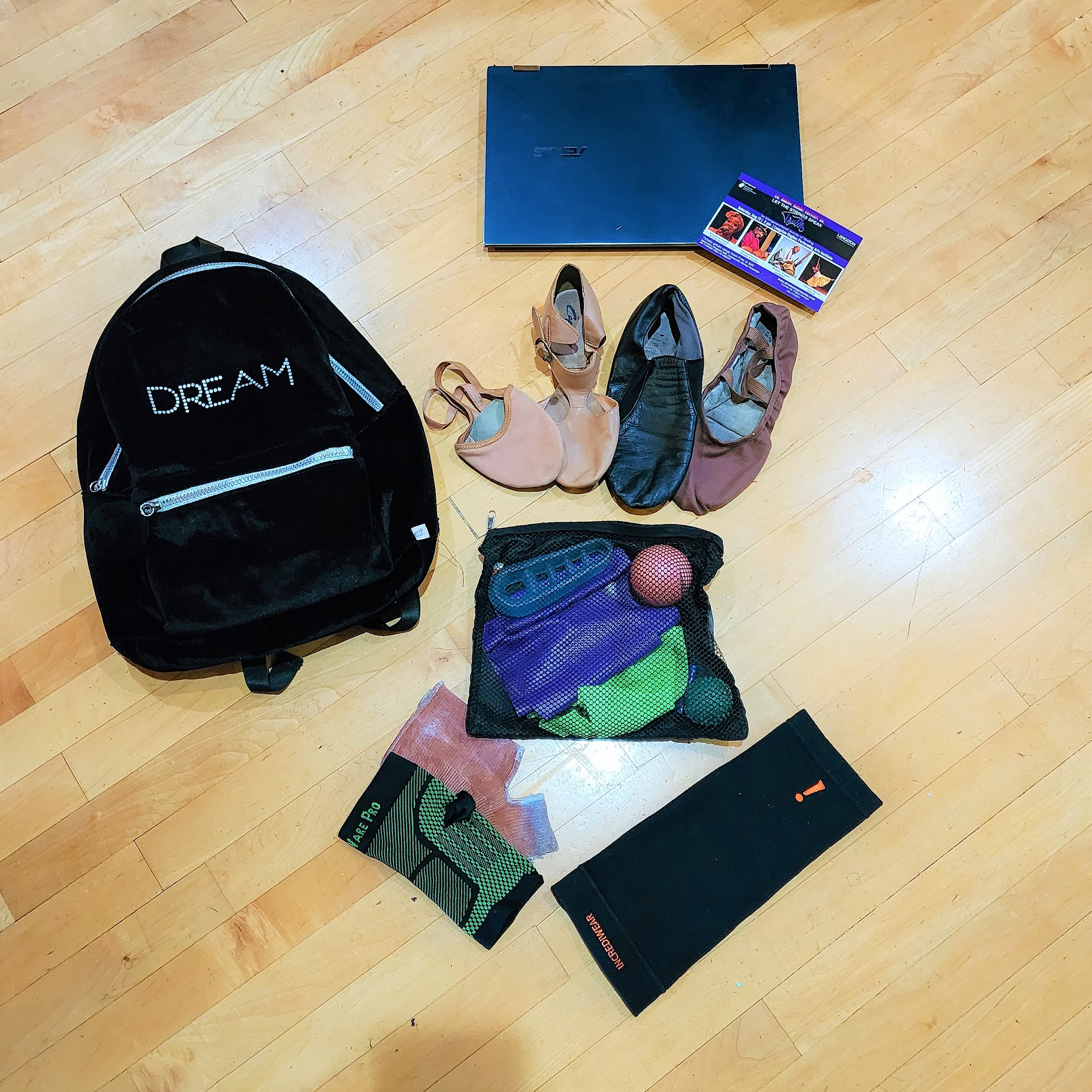
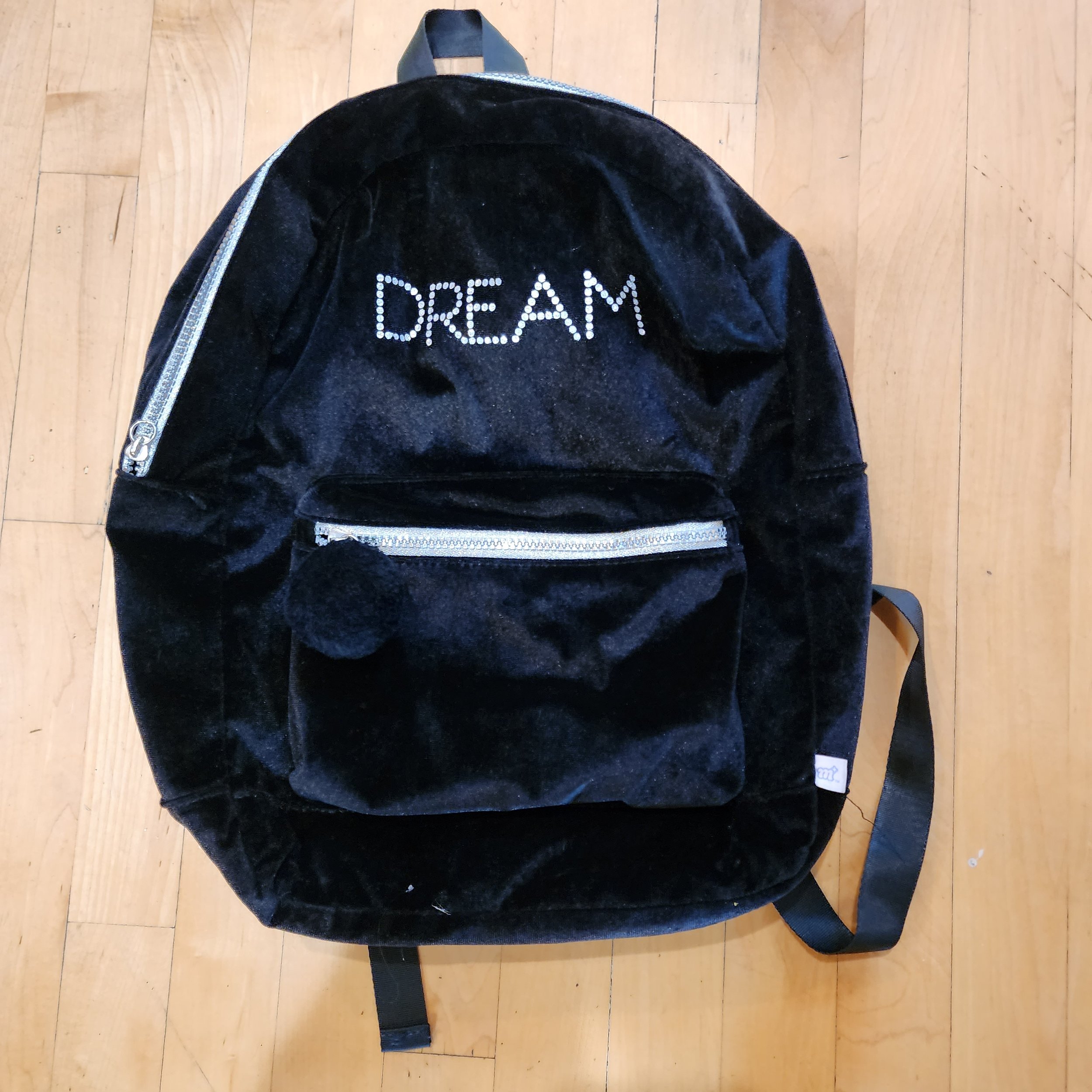
My dance bag (BACKPACK) varies based on whether I am taking class, teaching, choreographing, or working on a show. But in general, I like to make sure that I have jazz and ballet options. In addition, it is important to have a few things that help stretch, strengthen and release my body. When I looked in my dance bag, the first thing I saw was my black Dancewear Center pouch with TheraBands inside. :-) I also like to keep my Foot Rubz or Pinkie ball close by to help release my feet. And my ankle supports are a must have for heavy rehearsal times. When I travel, I like to take at least one of my yoga toes to increase circulation to my extra tight feet. :-) Last but not least, these days I need my computer for business and music editing. So, I carry it along with a portable speaker and a notebook/pencil.
Dancewear Center pouch - TheraBands, therapy balls for my feet and legs
Jazz shoes (regular and with a little heel sometimes for teaching)
Ankle braces/Knee brace
Yoga toes
My computer
The latest flyer for any events I am working on
Portable speaker and notebook - not shown
We hope you enjoyed finding out what is in our DWC Ambassadors dance bags! Shop for these necessities in store or online!
Disclaimer
All content found on the Dancewear Center Website, Instagram, Facebook, Pinterest, and all other relevant social media platforms including: text, images, audio, or other formats were created for informational purposes only. Offerings for continuing education credits are clearly identified and the appropriate target audience is identified. The Content is not intended to be a substitute for professional medical advice, diagnosis, or treatment. Always seek the advice of your physician or other qualified health provider with any questions you may have regarding a medical condition. Never disregard professional medical advice or delay in seeking it because of something you have read on this Website.
If you think you may have a medical emergency, call your doctor, go to the emergency department, or call 911 immediately. Dancewear Center does not recommend or endorse any specific tests, physicians, products, procedures, opinions, or other information that may be mentioned on dancewearcenter.net. Reliance on any information provided by dancewearcenter.net, Dancewear Center employees, contracted writers, or medical professionals presenting content for publication to Dancewear Center is solely at your own risk.
Links to educational content not created by Dancewear Center are taken at your own risk. Dancewear Center is not responsible for the claims of external websites and education companies.

DWC Ambassador Kendall Hadley On The Mental Challenges Of Injury
Overcoming the physical and mental challenges of my injury was one of the hardest things I have gone through as a dancer.
In both 7th grade and my sophomore year of high school, I dislocated my knee during dance class. The first time I came out of a jump and landed poorly and sat out for four months. The second time my pointe shoe slid out from under me and I sat out for six months.
By Kendall Hadley, DWC Ambassador
Pronunciation: Can-doll Had-lee | Pronouns: she/her

Overcoming the physical and mental challenges of my injury was one of the hardest things I have gone through as a dancer.
In both 7th grade and my sophomore year of high school, I dislocated my knee during dance class. The first time I came out of a jump and landed poorly and sat out for four months. The second time my pointe shoe slid out from under me and I sat out for six months.
As a dancer I’ve become accustomed to relying on my body to perform as it needs to as long as I take care of it. My injuries were both sudden, unpredictable, and devastating. I could no longer count on my body the way I used to. I had to rely on crutches to walk, and others to be kind enough to help me with simple tasks such as opening the door. During this time I had to repair the physical and mental relationship of my body during the time of my injury, and long after my recovery.
While tedious, my physical recovery is essential to my healing, and it still benefits me today. Having back-to-back doctors and physical therapy appointments was time consuming, but I also learned more about my body in that time than I ever had before. Finding a physical therapist that was supportive as well as knowledgeable of my recovery process was extremely helpful in my recovery. It’s important that your physical therapist knows you are returning to dance, not just to recreational activity. Dance is a physically demanding sport that requires strength and endurance. I had to advocate for myself and explain the physical demands that were required for my sport were not simple. My physical therapist and I both worked to develop a routine that would help me return to my regular dance activity.
After months of hard work, rest, and truly listening to my body I was able to slowly return to taking class. After my second injury I encountered many more mental obstacles than physical. I no longer trusted my body. I was always psyching myself out from trying new movements, compared myself to others, and encountered anxiety within the classroom.
Anytime I was introduced to new movements I encountered anxiety. Fearing re-injury, I found I was holding myself back in dance and wasn’t pushing myself. This stunted my growth as a dancer. I had to learn to overcome these physical and mental obstacles overtime.
The things that really aided me on me journey to mental recovery:
-Go to your dance classes and take notes

I know it can be hard to watch your friends get to dance and not be able to join them, but this will help you learn by watching and remembering your terminology. It also shows that you genuinely want to be there and your instructors will see that.
-Know the difference between pain and discomfort
This requires an elevated awareness of your body that not many people possess. There is a difference between doing something your body isn’t used to and dancing through pain. Learn what is your body entering new territory and what is your body’s way of saying it needs a break.
-Take care of your body
Beyond the doctors appointments and dance classes, there is so much you can do to take care of your body. The little things like cold showers or warm baths make all the difference. Take time to ice your feet, warmup, roll out, stretch, meditate, and do everything your body needs to before hitting the dance floor.
-Be patient with yourself
Being a dancer you require a lot from your body. Understanding that your body needs the time to work up to what it once was is difficult. I have found that in some ways my injury has made me stronger as a dancer and I go into dance with an appreciation for my body and what it is allowing me to do. It may take some time before your body is dancing at the level it used to, but you may be a better dancer because of it.
Disclaimer
All content found on the Dancewear Center Website, Instagram, Facebook, Pinterest, and all other relevant social media platforms including: text, images, audio, or other formats were created for informational purposes only. Offerings for continuing education credits are clearly identified and the appropriate target audience is identified. The Content is not intended to be a substitute for professional medical advice, diagnosis, or treatment. Always seek the advice of your physician or other qualified health provider with any questions you may have regarding a medical condition. Never disregard professional medical advice or delay in seeking it because of something you have read on this Website.
If you think you may have a medical emergency, call your doctor, go to the emergency department, or call 911 immediately. Dancewear Center does not recommend or endorse any specific tests, physicians, products, procedures, opinions, or other information that may be mentioned on dancewearcenter.net. Reliance on any information provided by dancewearcenter.net, Dancewear Center employees, contracted writers, or medical professionals presenting content for publication to Dancewear Center is solely at your own risk.
Links to educational content not created by Dancewear Center are taken at your own risk. Dancewear Center is not responsible for the claims of external websites and education companies.
Get To Know DWC Ambassador Caroline Schmidt
For our new DWC Ambassador Caroline Shmidt, the Seattle dance community has always been somethihng that is special to her. Luckily, we got the opportunity to speak with her about it to see how it affected her dance journey! Read on to learn more about Caroline’s dancing journey and why she decided to become an Ambassador!
Pronunciation: Care-oh-line Shhmit | Pronouns: she/her
By Samantha Weissbach, DWC Owner & General Manager and Nicole Barrett, DWC Blog Editor

For our new DWC Ambassador Caroline Shmidt, the Seattle dance community has always been something that is special to her. Luckily, we got the opportunity to speak with her about it to see how it affected her dance journey! Read on to learn more about Caroline’s dancing journey and why she decided to become an Ambassador!
Caroline started dancing when she was around age two or three beginning in creative movement classes. When she got to middle school, she decided that it was time to try ballet and she instantly fell in love with it. Caroline danced for many years at ARC School of Ballet in Seattle and got to do a little bit of every style of dance throughout her journey. After high school, Caroline knew that she wanted to continue dancing, so she attended Western Washington University and got her BFA in Dance and BS in Kinesiology. Caroline currently resides in St. Louis, Missouri getting her Doctorate in Physical Therapy. She shares that she hopes to keep dance in her life and work with dancers when she becomes a physical therapist.
When asked what inspired her to become a DWC Ambassador, Caroline shares that she loves seeing the Seattle dance community grow. Growing up a Seattle native, she loved seeing the community and resources of the dance world here and hopes that she can be a greater part of the community when she returns. She also loved the fact that she could find people that love dance just as much as she does and be able to shares resources with those same dancers.
Caroline shares that she will be in Seattle for the next couple of months for her clinical rotations and will be taking as many open classes as she can! She currently goes to Westlake Dance Center for classes and is planning on attending some workshops in the near future!
We are so happy to have Caroline as one of our new DWC Ambassadors! Be sure to watch the rest of her interview below to learn all about Caroline!

Disclaimer
All content found on the Dancewear Center Website, Instagram, Facebook, Pinterest, and all other relevant social media platforms including: text, images, audio, or other formats were created for informational purposes only. Offerings for continuing education credits are clearly identified and the appropriate target audience is identified. The Content is not intended to be a substitute for professional medical advice, diagnosis, or treatment. Always seek the advice of your physician or other qualified health provider with any questions you may have regarding a medical condition. Never disregard professional medical advice or delay in seeking it because of something you have read on this Website.
If you think you may have a medical emergency, call your doctor, go to the emergency department, or call 911 immediately. Dancewear Center does not recommend or endorse any specific tests, physicians, products, procedures, opinions, or other information that may be mentioned on dancewearcenter.net. Reliance on any information provided by dancewearcenter.net, Dancewear Center employees, contracted writers, or medical professionals presenting content for publication to Dancewear Center is solely at your own risk.
Links to educational content not created by Dancewear Center are taken at your own risk. Dancewear Center is not responsible for the claims of external websites and education companies.

Get To Know DWC Ambassador Alaina Fowler
Here at Dancewear Center, our Ambassadors are something we love to share! We got the opportunity to speak with one of our new Ambassadors Alaina Fowler! Read on to learn more about Alaina’s dancing journey and why she decided to become a DWC Ambassador!
Pronunciation: Ah-lay-nah Fow-ler | Pronouns: she/her
By Samantha Weissbach, DWC Owner & General Manager and Nicole Barrett, DWC Blog Editor
Here at Dancewear Center, our Ambassadors are something we love to share! We got the opportunity to speak with one of our new Ambassadors Alaina Fowler! Read on to learn more about Alaina’s dancing journey and why she decided to become a DWC Ambassador!
Alaina started dancing when she was just 2 years old and her parents enrolled her into a local dance studio’s mommy and me dance class. She shares that her parents would trade off on taking her to those classes each week. Her mother danced when she was younger so that was a big part of what sparked her to continue taking classes. Since then, Alaina has taken classes at Fidalgo Dance Works. When she was 12, she shares that she had a really big turning point in her dance career when she got her first big role as Clara in The Nutcracker. She shares that this is what made her want to take dance more seriously. Later that same year she got her first pair of pointe shoes and went to her first summer intensive at Summer Dance Lab, pushing her to continue dancing more.
Alaina shares that the summer intensive she attended is the reason that she is where she is today and gave her that kickstart to make dance a career. During the pandemic, Alaina had a teacher that was offering her privates so she could still continue dancing. She shares that if it wasn’t for that teacher and those privates she may have quit dancing altogether so she is forever grateful for that opportunity. Alaina is still continuing her training and is off to another summer intensive this summer!
When asked about why Alaina applied to be a DWC Ambassador, she shares that one of our former Ambassadors Kendall Hadley introduced her to the ambassador program. She shares that she helped her with certain social media posts and she shares that she loved it. Alaina says that she was really inspired by the amount of change and impact that DWC promotes and loves that DWC creates a safe space for dancers to be who they are. She shares that she is really excited that she applied and was accepted and is excited to see where this journey goes!
We are so excited to have Alaina as one of our new DWC Ambassadors! Be sure to check out the rest of her interview below!
Disclaimer
All content found on the Dancewear Center Website, Instagram, Facebook, Pinterest, and all other relevant social media platforms including: text, images, audio, or other formats were created for informational purposes only. Offerings for continuing education credits are clearly identified and the appropriate target audience is identified. The Content is not intended to be a substitute for professional medical advice, diagnosis, or treatment. Always seek the advice of your physician or other qualified health provider with any questions you may have regarding a medical condition. Never disregard professional medical advice or delay in seeking it because of something you have read on this Website.
If you think you may have a medical emergency, call your doctor, go to the emergency department, or call 911 immediately. Dancewear Center does not recommend or endorse any specific tests, physicians, products, procedures, opinions, or other information that may be mentioned on dancewearcenter.net. Reliance on any information provided by dancewearcenter.net, Dancewear Center employees, contracted writers, or medical professionals presenting content for publication to Dancewear Center is solely at your own risk.
Links to educational content not created by Dancewear Center are taken at your own risk. Dancewear Center is not responsible for the claims of external websites and education companies.

Get To Know DWC Ambassador Marika Jaffe
Here at Dancewear Center, we are always so excited for our new Ambassadors to come in each quarter! We got the opportunity to speak with one of our Ambassadors Marika Jaffe! As a teacher in the local Seattle area, she is no stranger to how the dance industry functions. Read on to learn more about Marika’s dancing journey and why she decided to become a DWC Ambassador!
Pronunciation: Maar-ee-kaa Jah-fee | Pronouns: she/they
By Samantha Weissbach, DWC Owner & General Manager and Nicole Barrett, DWC Blog Editor
Here at Dancewear Center, we are always so excited for our new Ambassadors to come in each quarter! We got the opportunity to speak with one of our Ambassadors Marika Jaffe! As a teacher in the local Seattle area, she is no stranger to how the dance industry functions. Read on to learn more about Marika’s dancing journey and why she decided to become a DWC Ambassador!
When Marika was young, she shares that she would dance around her house to U Can’t Touch This by MC Hammer. Her parents loved it and came to a point where they needed a way for her to get her energy out. At the age of 4, she was signed up for her first creative movement class, and by the age of 8, she was in more than ten classes per week. She shares that she was obsessed with all styles of dance and in middle school, she was on the competition team.
During eighth grade, Marika saw an ad for a hip-hop team that was having auditions. She went in and auditioned and fell in love with it. This led her to quit the competition team that she was on and was on the hip-hop team all through high school. After high school, Markia moved to Thailand and taught some hip-hop classes at her college there and those were mainly to youth that wanted to take dance classes but didn’t have access to them. She then moved back to the U.S. and started teaching at a few studios in the area and a few years ago became the director of The Dance School in Everett.
When asked about why she applied to become a DWC Ambassador, Marika shares that her love of shopping in our Kirkland location was a big factor. She shares that this is her go-to spot and loves how knowledgeable the staff is. Marika shares that she also loves watching the social media of DWC and the community that is built within the company.
We are so excited to have Marika be one of our new DWC Ambassadors! Be sure to check out her socials here and watch the rest of her interview on YouTube!
Disclaimer
All content found on the Dancewear Center Website, Instagram, Facebook, Pinterest, and all other relevant social media platforms including: text, images, audio, or other formats were created for informational purposes only. Offerings for continuing education credits are clearly identified and the appropriate target audience is identified. The Content is not intended to be a substitute for professional medical advice, diagnosis, or treatment. Always seek the advice of your physician or other qualified health provider with any questions you may have regarding a medical condition. Never disregard professional medical advice or delay in seeking it because of something you have read on this Website.
If you think you may have a medical emergency, call your doctor, go to the emergency department, or call 911 immediately. Dancewear Center does not recommend or endorse any specific tests, physicians, products, procedures, opinions, or other information that may be mentioned on dancewearcenter.net. Reliance on any information provided by dancewearcenter.net, Dancewear Center employees, contracted writers, or medical professionals presenting content for publication to Dancewear Center is solely at your own risk.
Links to educational content not created by Dancewear Center are taken at your own risk. Dancewear Center is not responsible for the claims of external websites and education companies.
The New Kid, Again (Pt. II)
I found a moment of relief as an artist in the 2nd iteration of Dani Tirrell’s “Black Bois”. We sold out The Moore Theatre on Valentine’s Day 2020; One Night Only. In a cast of only black people, I could just represent myself. It was truly a legendary community celebration. Even in this moment of happiness, I was still very physically and emotionally burnt out. I performed in the Seattle International Dance Festival Mini-Fest with Khambatta Dance Company, and the next performance on my calendar with The Tint Festival, which I had choreographed for.
Part 2
By Robbi Moore, DWC Ambassador
Pronunciation: Rob-bee More| Pronouns: they/them
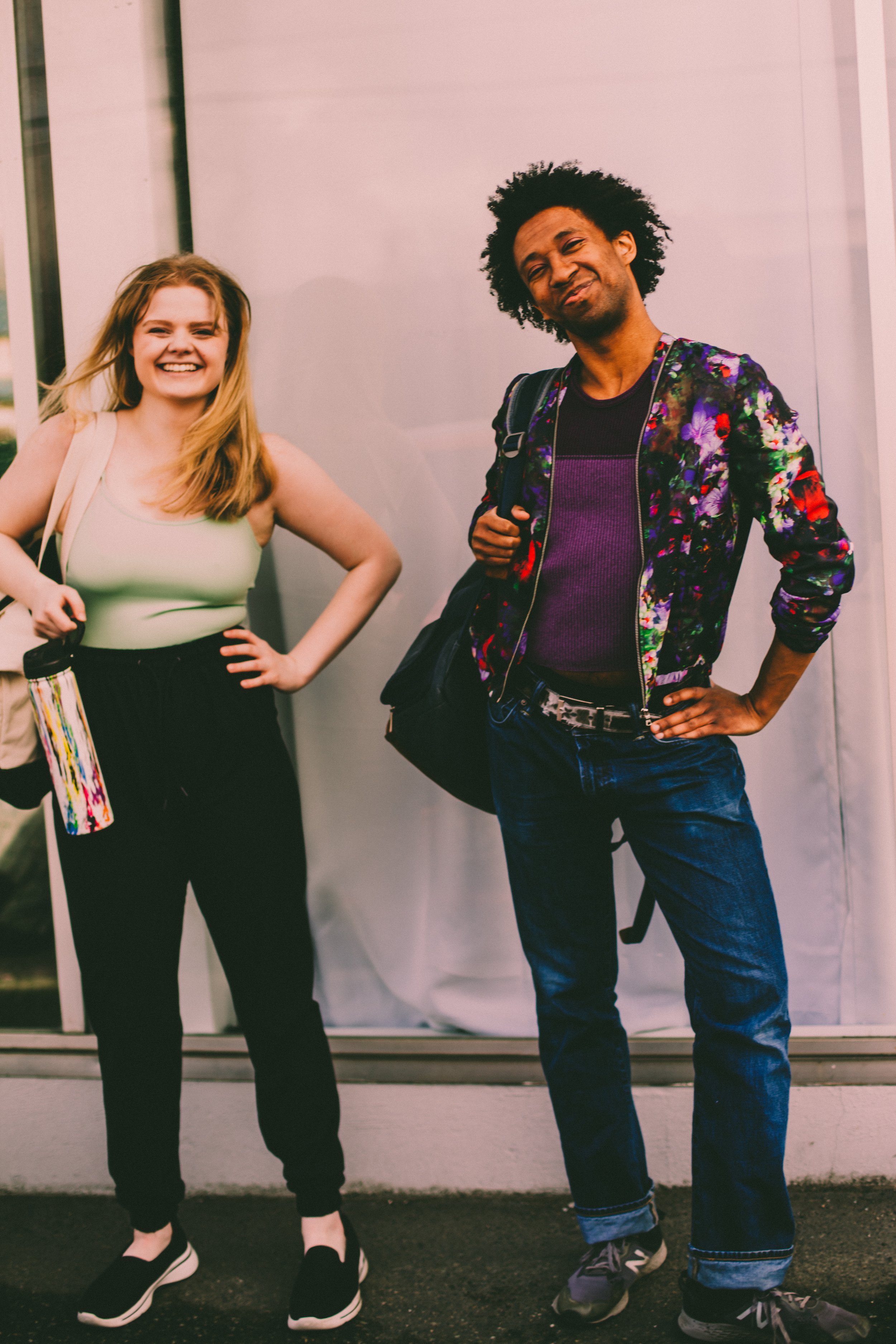
I found a moment of relief as an artist in the 2nd iteration of Dani Tirrell’s “Black Bois”. We sold out The Moore Theatre on Valentine’s Day 2020; One Night Only. In a cast of only black people, I could just represent myself. It was truly a legendary community celebration. Even in this moment of happiness, I was still very physically and emotionally burnt out. I performed in the Seattle International Dance Festival Mini-Fest with Khambatta Dance Company, and the next performance on my calendar with The Tint Festival, which I had choreographed for.
And then the whole world shut down.
There is so much grief that I, all of you reading this, and countless other people have not even begun to sort through from the last three years alone. I know so many artists in Seattle who moved here right before the pandemic who feel like they are “The New Kid” the same way I did, because they spent their first years here indoors, unable to interact with or meet people. Some people did not get to have an in-person graduation.
I had the privilege of being able to dance all throughout the pandemic, just not in the same capacity as I was doing before. There were a lot of beautiful discoveries that came out of the pandemic, many of them personal. Not only did I have the space and time to really be honest with myself, but I finally had the space to work out things I had been avoiding. I went to therapy which helped me organize and clarify a lot of situations that had happened in my personal life. I started to be more honest with my community about who I was, what I stood for, and what I did not. The fact that I am a Dancewear Center Ambassador, writing all of this to you is a testament to the self-work and re-evaluating that I have been doing over the past three years.
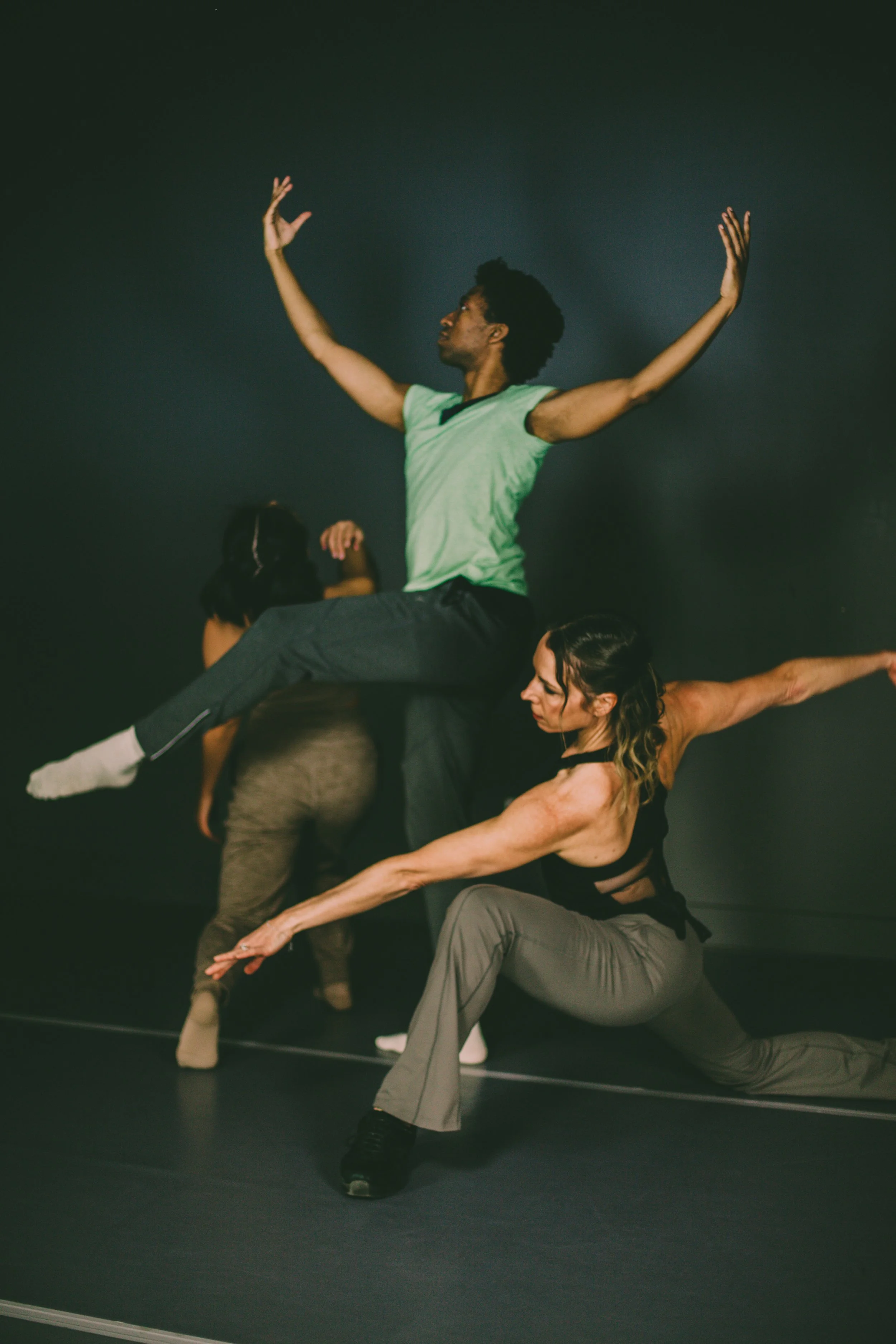
Being truer to myself has drastically changed my personal relationships and career. Throughout the pandemic, and especially in the past 6 months alone, I have ended a lot of personal and professional relationships. I have also started many new ones. I started putting my values first and asserted them, which is bound to shake things up when people who met me in 2018-2019 were meeting a very different version of me. It had been painful, but also necessary. Like removing a splinter or getting an adjustment at the chiropractor. I consider myself a TRUE freelancer now, meaning, I am not dancing with any company at all. I am currently only presenting solo work and teaching. It is not as much as I want to be doing, but it is mentally and emotionally necessary for now. I still worry about falling on my face without the safety net of being from here, but I recently had the epiphany that one of the main reasons I did not feel like I was truly supported here was because I was not really opening up about what my needs were. I was just leaving what people thought of me up to chance. I was not lying about who I was or what I wanted, but I found that I needed to do more to connect the dots of my life for people so that this community understands who I am and what I have been through in my own words, so that expectations are crystal clear.
I am “The New Kid” once again, only this time, instead of aimlessly floating in the ocean letting the waves of opportunity take me places that may not always be in my best interest, I am surfing the waves I want to be on and making proactive decisions.
Disclaimer
All content found on the Dancewear Center Website, Instagram, Facebook, Pinterest, and all other relevant social media platforms including: text, images, audio, or other formats were created for informational purposes only. Offerings for continuing education credits are clearly identified and the appropriate target audience is identified. The Content is not intended to be a substitute for professional medical advice, diagnosis, or treatment. Always seek the advice of your physician or other qualified health provider with any questions you may have regarding a medical condition. Never disregard professional medical advice or delay in seeking it because of something you have read on this Website.
If you think you may have a medical emergency, call your doctor, go to the emergency department, or call 911 immediately. Dancewear Center does not recommend or endorse any specific tests, physicians, products, procedures, opinions, or other information that may be mentioned on dancewearcenter.net. Reliance on any information provided by dancewearcenter.net, Dancewear Center employees, contracted writers, or medical professionals presenting content for publication to Dancewear Center is solely at your own risk.
Links to educational content not created by Dancewear Center are taken at your own risk. Dancewear Center is not responsible for the claims of external websites and education companies.
How Do You Cope?
During the month of May, mental health is brought to the entire country’s attention. Mental Health Awareness Month was put into effect in 1949 to reduce the stigma of mental health issues and to provide support for those going through those issues. We here at Dancewear Center believe that mental health is something that is very important to talk about and it is important to know that you are not alone in what you are feeling. Many people can feel stuck when they are experiencing bad mental health days and it is important to find ways to alleviate that. We got to speak with some of our staff and ambassadors about what they do to cope with their mental and physical health through hard times. Read on to learn more about how they take care of themselves during rough times.
DWC Staff and friends speak to their personal methods for coping with anxiety and stress
By Nicole Barrett, DWC Blog Editor
Trigger Warning: eating disorders, mental health issues
During the month of May, mental health is brought to the entire country’s attention. Mental Health Awareness Month was put into effect in 1949 to reduce the stigma of mental health issues and to provide support for those going through those issues. We here at Dancewear Center believe that mental health is something that is very important to talk about and it is important to know that you are not alone in what you are feeling. Many people can feel stuck when they are experiencing bad mental health days and it is important to find ways to alleviate that. We got to speak with some of our staff and ambassadors about what they do to cope with their mental and physical health through hard times. Read on to learn more about how they take care of themselves during rough times.
Emma

When I'm going through a season of life where I'm dancing a lot, I find I have to prioritize my health above all else in order to perform at the highest level possible. For me personally, I find that my physical and mental health affect one another, and if one starts to suffer, the other soon follows suit. It's taken me a long time to find routines that I feel good about and that work for me, and a lot of it is trial and error. What works for one dancer won't necessarily work for another.
I have in the past struggled with several injuries. The thing that I have found to be one of the most helpful things in my routine is cross-training and weightlifting. I also try to implement yoga (I love hot yoga too!) and pilates regularly into my schedule as well. When I have performances coming up, I try to schedule physical therapy, chiropractor, acupuncture, and massage sessions around those.
To take care of myself after dance and working out, my favorite things are using my muscle gun, gua sha, and also ice baths for my feet and ankles after a lot of pointe work. I also try to roll out or stretch when I can- but some nights I'm just too tired too and that's okay! I'm also a big fan of different topicals and creams if I am struggling with pain. You can get my favorite Tiger Balm at DWC. ;)
Some daily habits that keep me on track include eating regularly throughout my days, even when I'm super busy and making sure I'm getting my vitamins, supplements, and water in. A big factor in my mental health is also sleep! I notice I start to feel worse when I'm not getting enough sleep, so I try to have good sleep hygiene and a night routine. This is definitely always a struggle for me, but the rest we get can have a huge impact, especially since as athletes we have to give our muscles enough time to rest and repair themselves. Now, you might be confused at this next one, but I notice a significant difference in my state of mind when I make my bed each morning and keep my space clean. A clean space is a happy space, and I can tell my mental health is declining if my space starts to get cluttered and dirty.
I also think as dancers we are notoriously awful at knowing when to say "no" or "I need a break". If you need a rest day- take it! If you need a mental health day, carve time out of your regular schedule to spend time with friends, family, or just yourself, or to do whatever you may need. You will ultimately be a better performer when you feel rested and whole as a person who has a life outside of the studio.
And as always, never be scared to reach out for help. I am a huge advocate for seeing therapists, dietitians, psychiatrists, and other health professionals. I think a common misconception is that something must be "wrong" when we seek out mental health services, but really, it can be useful when you are just needing someone to talk to, or need help building routines or gaining new coping skills.

Ethan
Routine! I have built an evening recovery routine for myself that I do every single day. It is comprised of stretching, foam rolling, and using a lacrosse ball. I have noticed that if I do this only one evening (or even occasionally) there is only a minimal amount of gain in terms of how loose and relaxed I can move the next day. But having done this every day I regularly feel closer to my best. Routine is also calming to me, it helps me unwind and focusing on a singular task is almost like meditation.
Nicole

Take breaks! Whether the specific issue you are dealing with is mental or physical, everybody needs a break. Knowing when you need to take a break or take a step back is key to making sure you are prioritizing yourself. I have been through some major injuries and mental health situations in my dance journey that have forced me to take a step back from the thing that I love. Although I hated this break at the time, I look back on it now and I am so grateful that it happened to me. This break not only let me heal my body, but I also regained my love and passion for dance that was being overshadowed by my injury and self doubt.
Just be sure to remember as you are dealing with these issues that you are not alone and it is okay to not be okay. Never be scared to reach out to somebody if you think you need help. Throughout my break in dance, I was consistently talking with a professional to help me navigate through my emotions. Remember that you got this and whatever you are going through does not define the dancer you are.

Kendall
As a dancer, my mental health is just as important as my physical health. I find I struggle with bring my anxieties into the studio. I like to journal my thoughts down before going into class, that way I can focus on enjoying the movement and making corrections. I also try to avoid imposter syndrome and comparison by looking at old videos and pictures so I can see how far I’ve come. I also look for my safe people and friends within the studio who I can go to with my struggles. It’s important to remember you aren’t alone in your struggles, a lot of dancers deal with the same issues.
Robbi
Some basic things that I do to take care of myself are going on walks, when I can, and listening to music that I really enjoy. I can get drained from a lot of social interaction, and as a freelance dance artist, it is important to rest my body and mind when I can. It is okay to not be everywhere all of the time. Doing things for myself that help me feel like I am not missing out on anything is very important in a culture that is designed to make people think they are not doing enough, when our minds are trying to keep track of more things than ever before. Use your dancer brain to realize that it is all a performance, and that there are always things behind the scenes of everyone's lives that are not being advertised.
I love to touch grass, smell flowers, and see other people in real life and not just online. It is a reminder that the body I dance in is not separate from the body that I experience the rest of my life in. Saving up energy so that I can show up for the things that really matter to me has been so helpful this year. It gives me more to say as a person and as an artist when the time comes. It is okay to let people miss you. It is in the missing that you remember not to take each other for granted. This can apply to your relationship with dance as well.
Lastly, remember that the party does not start until YOU walk in.
We hope that some of these tips can help you during hard times. Know that you are never alone and there is always someone to talk to when things get low. If you ever need any further help, please call the crisis hotline at 988.
About the Author
Sources:
Disclaimer
All content found on the Dancewear Center Website, Instagram, Facebook, Pinterest, and all other relevant social media platforms including: text, images, audio, or other formats were created for informational purposes only. Offerings for continuing education credits are clearly identified and the appropriate target audience is identified. The Content is not intended to be a substitute for professional medical advice, diagnosis, or treatment. Always seek the advice of your physician or other qualified health provider with any questions you may have regarding a medical condition. Never disregard professional medical advice or delay in seeking it because of something you have read on this Website.
If you think you may have a medical emergency, call your doctor, go to the emergency department, or call 911 immediately. Dancewear Center does not recommend or endorse any specific tests, physicians, products, procedures, opinions, or other information that may be mentioned on dancewearcenter.net. Reliance on any information provided by dancewearcenter.net, Dancewear Center employees, contracted writers, or medical professionals presenting content for publication to Dancewear Center is solely at your own risk.
Links to educational content not created by Dancewear Center are taken at your own risk. Dancewear Center is not responsible for the claims of external websites and education companies.
Dancing Beyond the Binary: A Conversation with Ashton Edwards
Ashton Edwards, originally from Flint, Michigan, has studied dance since the age of four years old at the Flint School of Performing Arts. Ashton has attended summer ballet intensives on full scholarships at The Joffrey Academy of Dance in Chicago, Houston Ballet School, and Pacific Northwest Ballet. In 2018, Ashton represented Flint in the NAACP’s National Afro-Academic, Cultural, Technological and Scientific Olympics (ACT-SO) competition in San Antonio, Texas, against over 250 students of all high school grades all over the country. In the Performing Arts, Ballet dance category, Ashton came in 3rd place, winning a bronze medal. Ashton is currently a Professional Division student at Pacific Northwest Ballet.
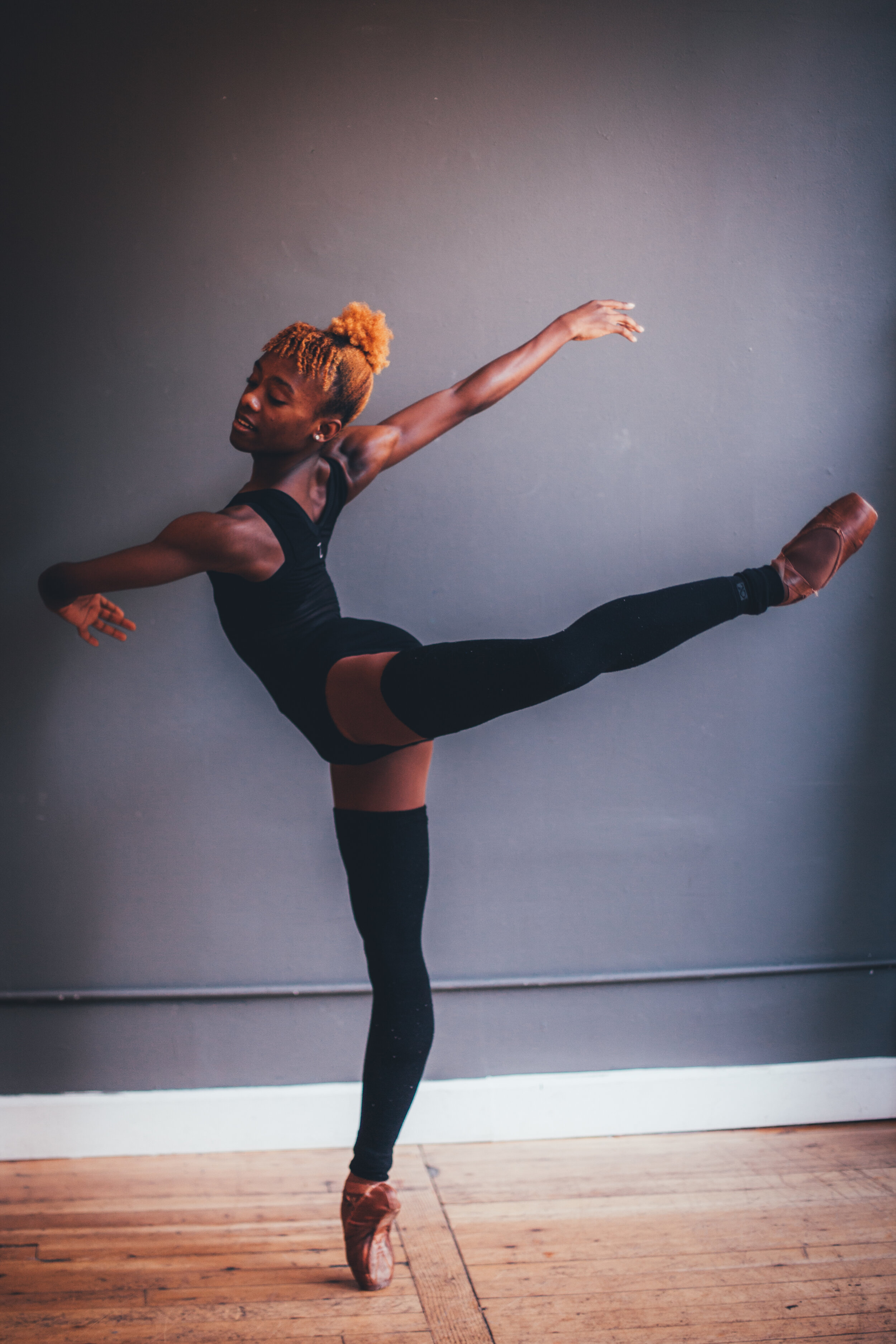
Dancing Beyond the Binary: A Conversation with Ashton Edwards
Ashton Edwards, originally from Flint, Michigan, has studied dance since the age of four years old at the Flint School of Performing Arts. Ashton has attended summer ballet intensives on full scholarships at The Joffrey Academy of Dance in Chicago, Houston Ballet School, and Pacific Northwest Ballet. In 2018, Ashton represented Flint in the NAACP’s National Afro-Academic, Cultural, Technological and Scientific Olympics (ACT-SO) competition in San Antonio, Texas, against over 250 students of all high school grades all over the country. In the Performing Arts, Ballet dance category, Ashton came in 3rd place, winning a bronze medal. Ashton is currently a Professional Division student at Pacific Northwest Ballet.
Why do you love to dance?
I love to dance because I can’t survive without it. I love to dance, because I make people happy, and that makes me happier than I could ever be. I like to dance, because it feels natural. The uncomfortable feels right. It’s indescribable the feeling I have when I’m dancing.
It’s a connection to the depths of our soul. I grew up religious, and in church we talked about our soul and how it’s connected to heaven… but I didn’t really understand until I started dancing and getting lost in the movement. What you are as a being, and not just as skin and bones--that’s why I like to dance, because I feel the most myself. It’s a gift I give to myself.
Why do you think dance is necessary? For yourself, but also for our community and our culture?
Because, not everything can be said with words. I can tell you I’m sad, but I think there’s deeper communication, just as humans as we connect soul to soul. Dance is one of the few languages that we all do, with natural body language.
That is dance, that is movement, that is art, and it’s so necessary, because we take our natural humanity and we put it on the stage, to observe, and reflect, and take a moment and connect as humans again. And I think that’s really special. We need to take time and reflect and look back and experience humanity on the stage as REALness, and like real people, real time.
We all can make a face, and frown, and you know, release our shoulders and just sit there--but, we never take time to appreciate it or declare “this art”, declare “this” as art. But we put it on the stage, and we take time, and we appreciate it, and I think that’s why dance is necessary--because we take the time to reflect on life and natural human processes and emotions… on a deeper level. Because we take this natural slouch and frown and we take it deeper. That’s why I think it’s necessary for us as humans.
What do you think is missing from the dance world as a whole right now?
Oh, *laughing* we’re so far behind. I talk about how it’s reflecting humanity, but especially specifically in ballet we’re so far behind in how equal we all are. I think specifically in ballet companies there is this fantasy of perfection. Everything is binary, everything looks a certain way--but that’s not real, that’s not realistic. That’s not art or humanity. That’s a constructed idea of what “perfect” is.
I think ballet could go so much deeper than that. It could explore gender roles, and race and so much more. Like the Agon pas de deux traditionally is always cast with a black man and a white woman… and I’m just like “No! There’s so much more that could happen there!” We need to stop making it about tradition. Art isn’t controlled. We need to take the control off of art and dance, and make it human.
Ballet is like a fantasy! We have Sugar Plum and Dew Drop, and they’re magical beings. Why isn’t a magical being also a man sometimes? Or why isn’t she black? Who’s fantasy is it? Why is it this one white man’s fantasy; that Sugar Plum is this beautiful white lady the only version being represented? That’s not humanity’s fantasy.
When I was growing up and I saw a black Clara, I wanted to be the black Clara. That was my fantasy. For all the Latinx girls in the audience, all the Trans women in the audience--when is their fantasy represented on the stage? I think that’s what it’s missing. Everyone’s life, everyone’s representation.
What are you hoping to bring into the dance world as you are stepping into the professional world?
Hopefully some representation for someone--for people like me, who don’t really know where they fit in - who just exist as a human. Hopefully I can be the representation that I didn’t see, that I fantasized about. The guy who did the work just as good as the girls, and who had the opportunity to perform it.
I wish I saw an incredible man en pointe, doing a [traditionally female] role, and it feels normal. Hopefully I can teach people and tell people and show people that it should be--and it is.
Hopefully, I’m not just helping younger kids and audiences, but also the directors. [I want] directors to see me, and see what’s possible. I hope it opens their mind for the next person. Hopefully it’s not just the young minds, but ballet’s current audience. Hopefully we can change those minds too.
How has your queer identity influenced your dancing/training?
I was 4 years old when my mom told me not to be gay. I realized, “oh wait, everyone thinks this. Everyone around me homophobic.” Especially in my small town.
Who are these people to just steal someone’s innocence and someone’s joy in life? I feel like that’s the deepest evil, to take someone’s happiness, someone’s innocence, someone’s carelessness. I feel like someone stole a chunk of my life from me, and now I just can’t waste any more time, and I need to make sure that doesn’t happen to anyone else.
And that’s what I hope I can do with dancing. Hopefully I can show all the little girls and boys and little people that anything is possible and you don’t have to limit yourself. Because why? For who? Why am I not happy--for what person? I think not.
It’s hard--training en pointe, taking extra classes at the end of my day. I’m doing more than everyone else. It’s really tough--but who else is going to do it? Who else is going to make it easier for someone else?
Human expression on the most natural level is non-binary. It’s just life, and people are different. My Agon shouldn’t look like anyone else’s because we are different humans with different experiences and different lives. Why am I so crazy to want to do those roles? I’m good at them *laughing* I’m not going to lie! I can do the work. So it’s a little different, a little more masculine, I look a little “new” and unfamiliar--but so does everyone else! We’re all different humans. Not only do we need to accept the work, we need to accept the body and the person.
Living My Truth Out Loud: Embracing Human Expression
“Human expression on the most natural level is non-binary,” said Ashton Edwards, former Dancewear Center (DWC) Ambassador, in an interview for the DWC Blog. Ashton is a dancer with Pacific Northwest Ballet, and an exquisite one. I’ve been following them on Instagram since they partnered with the DWC ambassador program in 2020. They inspire me and give me hope because when I was growing up, queer dancers were invisible.
By Brittni Bryan, Former DWC Ambassador
“Human expression on the most natural level is non-binary”

Click below to shop the look:
“Human expression on the most natural level is non-binary,” said Ashton Edwards, former Dancewear Center (DWC) Ambassador, in an interview for the DWC Blog. Ashton is a dancer with Pacific Northwest Ballet, and an exquisite one. I’ve been following them on Instagram since they partnered with the DWC Ambassador program in 2020. They inspire me and give me hope because when I was growing up, queer dancers were invisible.
In 2009, the year I graduated high school, Nigel Lythgoe of So You Think You Can Dance infamously and harshly critiqued a pair of same-sex ballroom auditionees saying, “I think you’d probably alienate a lot of our audience. We’ve always had the guys dance together on the show, but they’ve never really done it in each other’s arm’s before. I’m certainly one of those people that really like to see guys be guys and girls be girls on stage,” Nigel said. I watched the episode when it originally aired, sitting in my first girlfriend’s basement bedroom. We weren’t dating yet. Neither of us were out yet, and in fact, I hadn’t even realized I was in love with her yet. But, I remember watching that episode with her and I remember being upset. That was the representation I got: a pair of ballroom dancers condemned for their sexuality on national television— their technique and talent mostly ignored. The focus was on the binary of traditional partnering pairs and how this pairing was abnormal in comparison.
In December of 2012, Washington state became one of the first three states in the US to legally recognize gay marriage through popular vote. I was living in Seattle’s Capitol Hill neighborhood at the time, finishing up my bachelor’s degree at Seattle University. I still wasn’t fully out, but my roommate and I walked to the Pike/Pine corridor where people celebrated this long fought for human right on the streets, the excitement frenzied and palpable. The next year, I started dancing for a local production company on Capitol Hill. It was a queer-run dinner theater that primarily found success in hosting 21st birthdays and bachelorette parties. I danced there on and off for four years. During that time, gay marriage was federally legalized in the United States. At some point, I choreographed a “romantic” lyrical/contemporary routine for myself and one of our male dancers. We needed an understudy but none of our other male dancers could execute the technique, so I suggested one of the other girls should understudy. Our owner and director, a gay man, agreed, saying it would be okay for a female to understudy the male part because it would be artistic, not sexual or romantic. But what if it was sexual and romantic, and why couldn’t it be? Just a few years later, the male-presenting dancer I originally partnered with began her transition from a male-presenting body to a female-presenting body. The whole time, I had been dancing with a woman anyway.

Click below to shop the look:
It was not until 2019 that I saw anything in the dance world that validated my sexuality. Kiara Felder, 29, of Les Grands Ballet and formerly a principal with Atlanta Ballet, was interviewed by Dance Magazine for an article on Pride and dance. In a section called, “Could I Be a Ballet Dancer and Be a Lesbian”, Felder discusses the fractured relationship between her sexuality and her professional dance career. She describes how she stayed in the closet at the beginning of her career, “worried that she'd lose her scholarship at PNB [our very own Pacific Northwest Ballet] if the administration found out she was gay”. As she continued her career and moved to Atlanta, she found her community amongst some of the gay male dancers. However, she still struggled to find other queer women in dance. Her struggle, my struggle, and probably the struggle of many young, queer, female dancers, revolved around representation. Felder said, “Without representation, I started to feel this pressure and fear. "Could I be a ballet dancer and be lesbian?". Lesbian stereotypes focus on the masculinity of gay women: softball players, basketball players, soccer players, etc. Athletic gay women are stereotypically found in male-dominated sports, not in the feminine world of ballet. Except that we are. We’re here, and the outdated, binaried beliefs in dance are keeping us in the closet.
This brings us full circle back to Ashton in 2021. Ashton is breaking gender boundaries in the very same ballet company that Felder was afraid to come out in. They are the first biologically male dancer to study en pointe with Pacific Northwest Ballet and train in traditionally female roles. And they are only eighteen! Ashton is just at the beginning of their career, and I cannot wait to see how the dance community evolves as queer dancers continue to find themselves mirrored in dancers like Ashton or Kiara Felder or Alonso Guzman or Travis Wall or Ashley Yergens or Emma Portner or Nick Lazzarini or James Whiteside or Kyle Abraham or Mollee Gray and her partner Jeka Jane.
I finally came out in 2016, but sometimes I still feel uncomfortable being openly queer today. But then I see Ashton, living their truth out loud in one of the best ballet companies on the West Coast, and I see how much things have changed since I was eighteen. I’m excited to continue to see dance embrace non-binaried castings and non-binaried expressions because Ashton is right, human expression is not inherently binaried. We’ve just made it that way.
So, what can we do to help society accept dance as a non-binaried art form?
One way we can help is by normalizing same-sex partnering and supporting artists who choreograph duets between partners of the same sex, particularly ones with themes of intimacy or romance. Examples include Lauren Lovette’s pas de deux between Preston Chamberlee and Taylor Stanley in the ballet “Not Our Fate,” Justin Peck’s same sex pairing in “The Times Are Racing,” and Joshua Beamish’s work in “Saudade”. When audiences only see romantic duets performed between a man and a woman, it perpetuates the dominant idea that heterosexual love is the only kind of love acceptable to see onstage and offstage. Additionally, when queer dancers only see heterosexuality portrayed onstage, it can make them feel underrepresented and like their experiences aren’t worth depicting. But artists have the opportunity to help change this by creating work that challenges the norm. Choreographers in particular, can help by actively choreographing duets that aren’t performed by man-woman pairings to challenge the norm of heterosexual romance in dance.

Click below to shop the look:
In dance classes, we can aid in normalizing the use of non-binaried language in our teaching. Oftentimes, teachers use language that defaults to heterosexuality as the “norm”. However, this is damaging because when people assume the sexuality of someone they are denying the existence of other identities, reinforcing the normalized identity as the “correct” way to identify, and erasing the ability for young people to see alternate identities as valid. People often assume someone is straight until they “come out”, but this is not the case. We can challenge ourselves to not assume the sexuality of others by being more inclusive with our language. For example, in 2014, I started saying “guy or girl” to describe the idea of being flirtatious in jazz styling instead of just “guy”. Seemingly small changes like this can help many of us start to retrain our brains to think in ways that aren’t dominated by heterosexuality.
So, when you see artists in your community creating works that confront heteronormativity, support them in any way you can, whether that be buying tickets to their shows, sharing their work with others, or finding ways to collaborate. If you are an artist, particularly a heterosexual artist, challenge yourself to create work that promotes diverse identities in an effort to continue to break down the barriers of society’s obsession with the gender binary and allow for a deeper exploration into the human experience through art.

Interested in writing for the DWC Blog? Click below to fill out the DWC Contributor application!