
Beyond the Artist: Exploring Identity Outside Dance
Dance is just one part of our identity, one culture that we belong to. It’s important for dancers to understand this, and it is important for them to feel affinity with other parts of their identity so that they understand they have other identities and other communities where they belong. It’s about finding balance. So, invite both your or your child’s dance and school friends to birthday parties, take a night off dance to spend time with your family, spend the summer trying a new sport or movement style— it is okay to take time off, it is okay to try out different interests, and it is important to make sure dancers understand this because the only constant in life is change and we need to prepare our young dancers to be flexible when change occurs so they can process it with strength and grace.
By Brittni Bryan, DWC Ambassador Alum

Click below to shop the look:
I was scrolling through TikTok today when I swept up to a video about finding your identity outside of dance. TikTok user gabimorando responded to the question “Do you ever miss ballet?”. Her answer brought me back to my senior year of high school when I too was trying to figure out who I was if I wasn’t going to continue dancing.
As I’ve written about in the past, dance and I have had a precarious journey, but what I want to talk about today is the familiar struggle I think all dancers have as they move through different phases of their lives and their relationships with dance change. In her video, gabimorando describes how she struggled with injuries for most of her career as a dancer, and when her injuries became chronic, it was clear that her body needed a break from dance. She said that while she doesn’t miss ballet physically, she does miss dance emotionally, explaining: “… I do miss the security and the identity dance gave me…”. When I tell you I felt that— WHOA. During my late teens and early twenties, I experienced an identity crisis. I wasn’t certain what my sexuality was, my mental health was turbulent at best, I was at war with my body, and I had no idea who I was or who I wanted to be. The one solid thing I had was dance. So, when it stopped bringing me the same joy it once had and I wasn’t sure if I wanted to keep dancing anymore, I was left facing the question: who was I if I wasn’t a dancer?
In her video, gabimorando explained that when she left dance to care for her body she had an identity crisis, and I understood perfectly what she felt. She described her journey saying, “… dance was my entire life for over a decade, and when that was gone, I had no idea how to define myself anymore”. Neither did I, which, I think, brings up an important but not often discussed mental health issue in dance: identity. Dancers usually start their careers early in life. At the studio where I teach, dancers can start class at the age of three. I started dancing when I was four years old. By the time a dancer is six or seven, they will often decide if they want to pursue dance more seriously or remain a recreational dancer. Whether at a ballet-focused studio or a commercial/competitive studio, choosing to pursue dance seriously requires taking class multiple days a week, performing seasonally, and training during the summer. It becomes your life. I started competing when I was seven years old. Between January and April, I spent most weekends competing at dance competitions or taking classes at conventions, in addition to my weekday classes. I trained Monday through Thursday for four or five hours a night. School ended at 3:25pm when I was in elementary school, and I would start class at 4:30pm. My mom would pick me up at 8:30 or 9:30pm. I trained like this from kindergarten through tenth grade. I had school friends and I had dance friends, but I always felt closer to my dance friends because I undeniably spent more time with them than I did with my friends from school. Birthday parties were always a social disaster because I had to decide if I wanted to invite school friends, dance friends, or both; what if they didn’t get along?

Click below to shop the look:
I was always introduced as a dancer. Tell us something about yourself. Well, I’m a dancer. What is your favorite sport? Dance. Dance conflicted with opportunities to spend time with friends from school. I can’t come to your birthday, I have a dance performance. I can’t go to softball camp with you, I have dance class. I wasn’t upset about this, I loved being a dancer. In fifth grade, we went on a cruise to Mexico because my studio performed on the ship. I went to Las Vegas annually in the summer to attend national dance competitions. I was constantly traveling for dance conventions and competitions, and what 9-12 year old doesn’t love swimming in hotel pools, eating room service, and playing in the sauna? I loved it. But… it became such a big part of my life that I didn’t know who I was without it. So, when I started struggling with depression in middle school and high school, an existential identity crisis took hold, and I know I am not alone in this experience.

Click below to shop the look:
Be it mental health, injury, age, location, lifestyle, etc. there comes a time in every dancer’s life when our relationship with the art changes. There is a grieving process we must move through when this occurs. I think a lot of dancers navigate this grief alone, but what if we didn’t have to? We live in a society that sees humans as what they do: she’s a lawyer, he’s a teacher, they’re an athlete. It’s understandable that our children adopt that same identification process. However, we are more than what we do. Our identity is made up of our biology, beliefs, abilities, language, national origin, culture, and personality. Dance is just one part of our identity, one culture that we belong to. It’s important for dancers to understand this, and it is important for them to feel affinity with other parts of their identity so that they understand they have other identities and other communities where they belong. It’s about finding balance. So, invite both your or your child’s dance and school friends to birthday parties, take a night off dance to spend time with your family, spend the summer trying a new sport or movement style— it is okay to take time off, it is okay to try out different interests, and it is important to make sure dancers understand this because the only constant in life is change and we need to prepare our young dancers to be flexible when change occurs so they can process it with strength and grace.

Working With What You Have
There is a saying that always rang true for me in my early career: “there will always be someone better than you.” When I moved on to professional training schools, I found out that I was not always going to be the most flexible. I wasn’t always going to have the best extensions. In fact, I found that depending on where I was, my extensions were just average. Once I began to place an emphasis on the other qualities a dancer possesses, ballet became so much more enjoyable to me. Musicality, port de bras, and dynamics of movement are all things that anyone can make beautiful and exciting regardless of ability, age, or gender. This is what makes ballet a beautiful art form. If you're struggling with technical perfectionism in dance, I encourage you to focus on these other attributes of dance that can help elevate your artistry without pushing your body to extreme limits.
Embracing Your Technical Abilities Where They Are
By Anna Nelson, DWC Ambassador
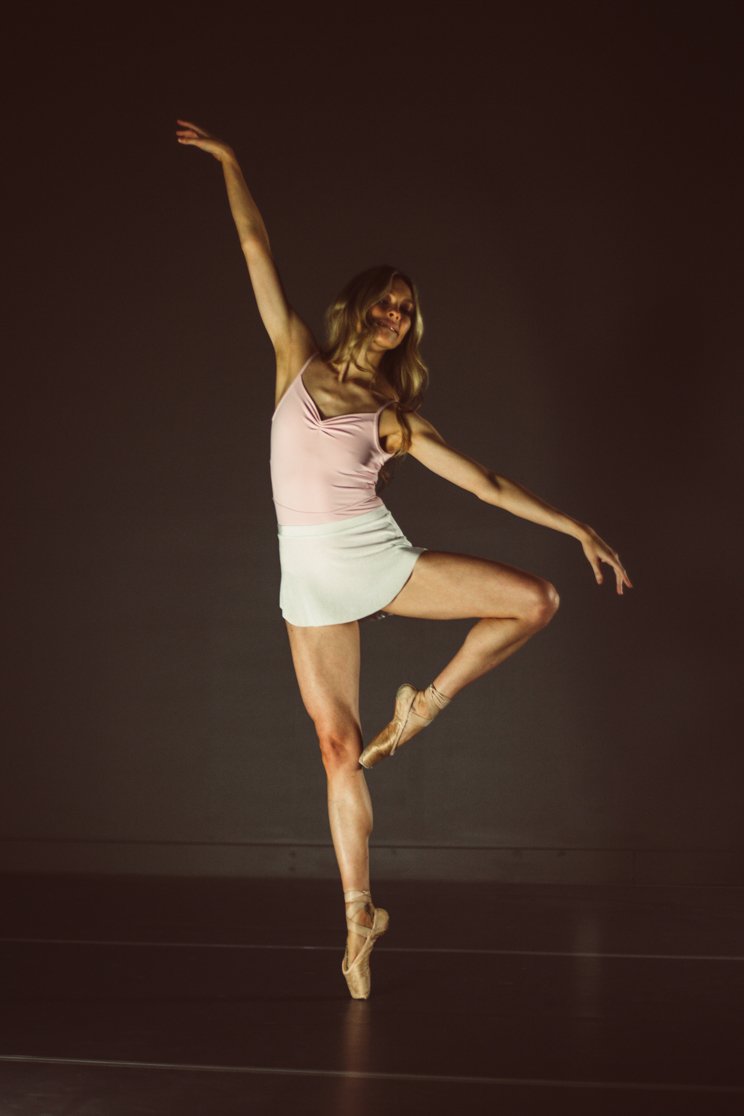
click below to shop the look:
Odette Leotard by Claudia Dean World | Bullet Pointe Skirt in White
I’m sure many of us have experienced some form of body shaming in the ballet world. As a student, my first ballet teacher placed a large emphasis on “perfect” ballet bodies. Students who occupied slender bodies with long legs and arms were given great roles in productions regardless of talent. She often praised those with beautifully arched feet, high extensions, and students who possessed good turnout. I was one of the students with “perfect” turnout and high extensions. In my naivety, these attributes are what lead me to believe that someday I was going to be a great ballet dancer.
In my early training days, I would spend ample time everyday stretching and improving my extensions to ensure that I always had the highest legs in the class. I started ballet at the age of 13, which for a long time was considered to be late. When I started taking ballet classes, I was unable to do the splits. As a child, I remember being hyper flexible, but at 13 my legs were already starting to stiffen. Because my teacher put such a large emphasis on flexibility, she had a star chart on the wall. The classes always began with static stretching. We moved through foot in hand stretches while sitting down in a circle, progressing to front and middle splits and the frog stretch. Students who were able to get their chests down to the floor in the middle splits were awarded a star sticker to place next to their name on the star chart. For many years I was not able to get my chest down, which made me feel inadequate to other students. Instead of getting to put a star sticker next to my name I had to go find my spot at the barre and wait for others to put their stickers on the chart.
My first experience with Vaganova training was when I watched the 2006 documentary Ballerina. I was amazed at how flexible the students in the movie were. Everyone had amazing extensions and their backs seemed to fold in half. All of the dancers stood in perfectly turned out positions at every moment. I was mesmerized by all the dancers I saw in this movie. This movie ignited in me a passion for ballet. I wanted to become as flexible and make lines as beautiful as the ballerinas in the documentary. I began extreme stretching every night after ballet class. The ways in which I tried to attain flexibility fast were dangerous and even caused me to pull my hamstring, which made dancing painful for a few months.
Even though my methods of attaining flexibility fast were not healthy, I started to gain the attention of my ballet teacher. She would often point out how high my arabesque was and how high my legs would go in developpes. This made me feel amazing. However, it wasn’t until many years later that I realized these praises I received were at the cost of others. I remember a moment when my teacher had me stand next to another student at the barre with all the other students gathered around us. She had us both do a grande plie. “See how Anna’s knees go directly out to the side?” She pointed to the other student. “See how her’s don’t go to the side as much at all?” At that moment, I felt great. I felt like the teacher was showing how I was better than the other student in the demonstration. Looking back, this was an abusive and toxic way to explain turnout to young dancers. Teachers should never compare other students to each other when it comes to physical attributes a dancer may or may not possess.
Years later, I found out that my “perfect” turnout was the culprit behind my intense hip pain that I was experiencing. I underwent a painful surgery that resulted in me losing all flexibility in my hips. The limited coverage that my acetabular was offering my femur gave me great mobility, but also made tears almost inevitable. These tears in my labrum made me unable to dance. After my hip surgery and rehab, I was able to work on recovering flexibility. It was disheartening at first. In my early dancing years, I had put so much emphasis on how high my legs could go, and how flexible I was. After 1.5 years, I was able to do all my splits again, but I had lost a bit of the turnout I was previously used to having and I wasn’t able to get my legs as high as I was used to. I knew that I still wanted to dance at a high calibur, and it took a ton of soul searching to hone into the other parts of dance that I had put on the backburner at the expense of high extensions and wacking my legs as high as they could go. I began to focus more on musicality and my port de bras. Funnily enough, when I stopped putting emphasis on how high my legs were going or how turned out I was at the barre, my dancing improved tremendously. I actually began to enjoy dancing for the sake of dancing, not on making the most “perfect” lines at all times. In a way, I learned how to let go and just dance. This is something that I had not been doing for the near entirety of my early ballet career.
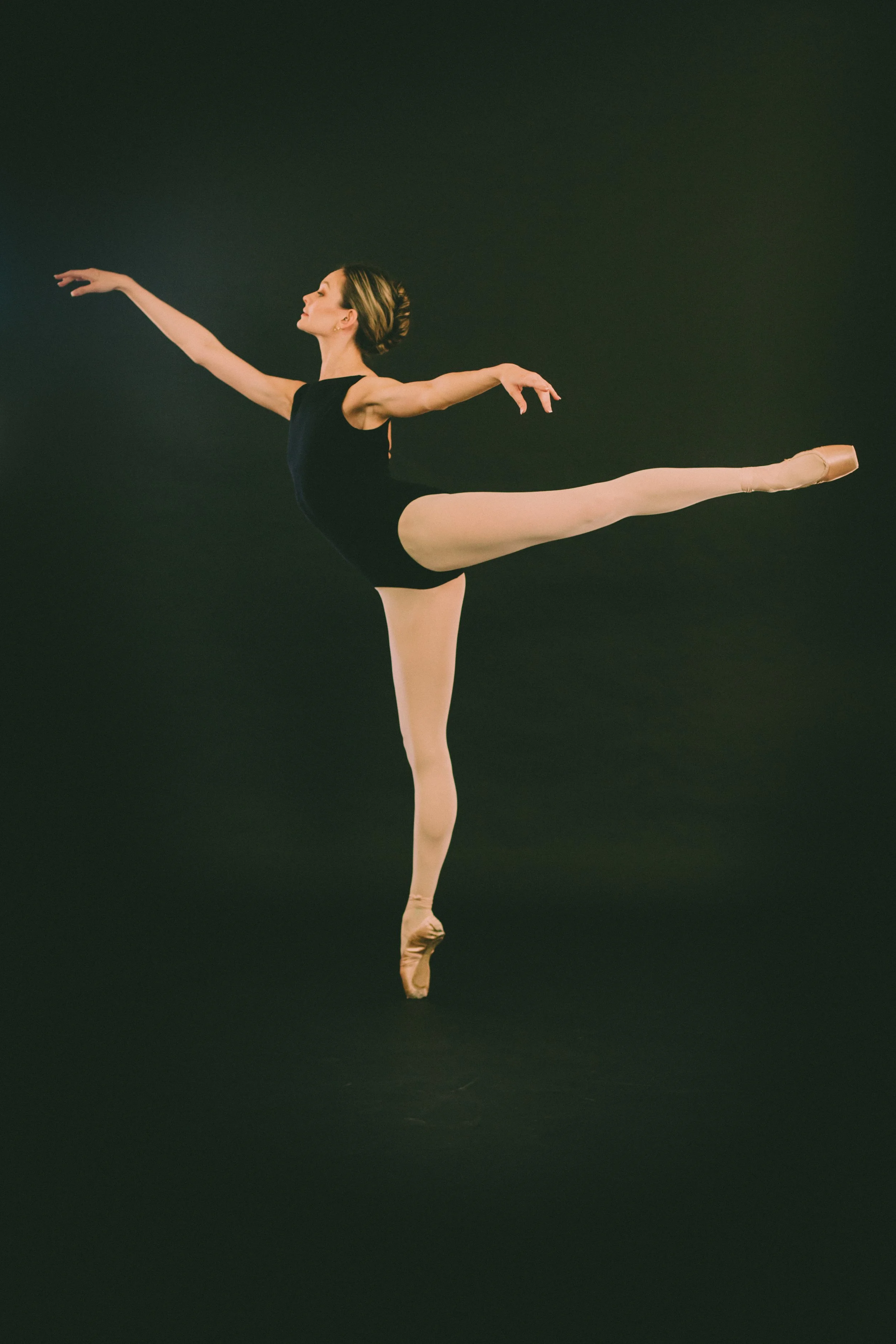
In retrospect, my childhood self was impressed by the beautiful lines the ballerinas created in the documentary, but these dancers also possessed beautiful quality of movement and musicality. These qualities are just as impressive, if not more impressive than just how high your legs can go. It takes years to develop artistry and musicality. These attributes are what makes ballet an art and not a sport. There is no right or wrong way to move to a certain phrase of music. These are all things I had been told in my years of training, but were not something that I fully understood until after my surgery.
There is a saying that always rang true for me in my early career: “there will always be someone better than you.” When I moved on to professional training schools, I found out that I was not always going to be the most flexible. I wasn’t always going to have the best extensions. In fact, I found that depending on where I was, my extensions were just average. Once I began to place an emphasis on the other qualities a dancer possesses, ballet became so much more enjoyable to me. Musicality, port de bras, and dynamics of movement are all things that anyone can make beautiful and exciting regardless of ability, age, or gender. This is what makes ballet a beautiful art form. If you're struggling with technical perfectionism in dance, I encourage you to focus on these other attributes of dance that can help elevate your artistry without pushing your body to extreme limits.
Disclaimer
All content found on the Dancewear Center Website, Instagram, Facebook, Pinterest, and all other relevant social media platforms including: text, images, audio, or other formats were created for informational purposes only. Offerings for continuing education credits are clearly identified and the appropriate target audience is identified. The Content is not intended to be a substitute for professional medical advice, diagnosis, or treatment. Always seek the advice of your physician or other qualified health provider with any questions you may have regarding a medical condition. Never disregard professional medical advice or delay in seeking it because of something you have read on this Website.
If you think you may have a medical emergency, call your doctor, go to the emergency department, or call 911 immediately. Dancewear Center does not recommend or endorse any specific tests, physicians, products, procedures, opinions, or other information that may be mentioned on dancewearcenter.net. Reliance on any information provided by dancewearcenter.net, Dancewear Center employees, contracted writers, or medical professionals presenting content for publication to Dancewear Center is solely at your own risk.
Links to educational content not created by Dancewear Center are taken at your own risk. Dancewear Center is not responsible for the claims of external websites and education companies.
Happenings at the Yaw and New Pitch & Roll Studios
Aside from the Yaw, Stella has recently opened several new rehearsal spaces called Pitch and Roll. These spaces are there as rehearsal studios that choreographers and artists can book and use without excess hassle. Stella wanted to put on more programming for the artists and choreographers in the area, so she created these rehearsal spaces for people to use that have the proper resources. “I don’t think there can be too much performance art,” Stella said about getting more space for dancers around the area.
Stella Kutz on Providing Spaces for Artistry
Name pronunciation: Stella Kuh-Ts | Pronouns: she/her
By Nicole Barrett, DWC Blog Editor

Having a space where dancers can come together and create something beautiful is something that Stella Kutz strives for in the Seattle area. From starting dance early on in her life to creating the Yaw Theater, Stella has much experience navigating the tough dance world and striving for creativity. Read on to learn more about Stella’s hopes for the dance community and new events happening at the Yaw and new Pitch & Roll Studios!
Stella started dancing when she was five when her grandmother bought her classes. “I wanted to jump high and I always wanted to be pretty,” Stella shares about wanting to join dance classes. Stella started dancing at Spectrum Dance Theater under the direction of Dale Merrill. “It was perfect for me because Spectrum at the time was just there, if you want to dance you are going to dance and that is how I got through,” she says. Stella danced at Spectrum for 13 years and took every opportunity that she could to volunteer and help out as much as she could.
After many years of dance, Stella went off to the University of Nevada, Las Vegas to receive a BFA in Performance Choreography. Once her degree was completed, she moved back to Seattle, but was faced with the difficulty of figuring out what to do after college. “Once you graduate college, they don’t tell you what to do at all. They’re like, `Well, just go audition,’” Stella shares. She began to dance for numerous companies around the city and eventually as she got more involved in the dance world in Seattle, noticed that there were no places nearby to dance.
One day she got to meet the owner of Equinox Studios, where Yaw Theater is now located, and expressed to him that she wanted a dance space and he agreed. Ideas kept sprouting and more opportunities arose for this new space and the Yaw Theater was eventually born. “Everything kind of fell into place,” Stella says.
When asked what her favorite thing about dance is, she shares this: “it’s the only art form where you can be ‘not good at it’ but be captivating.” Stella also expressed the energy of being in a dance class and the joy felt when you know you did a good job as a large part of dance’s appeal to her.
Moving forward in the dance world, Stella would like to see more community and an increase in inclusivity with everyone no matter who they are. “I want people to be more supportive of everyone else in general and in dance,” Stella shares. She would also like to see more intimate performances that allow the audience to be up close to the dancers and feel their emotions rather than being far away and feeling detached from the art.
When it comes to the production of the Yaw Theater, Stella wanted a place that was easy and affordable for anyone that wanted to use it. “I really enjoy watching people achieve their goals,” Stella shares. “Just a place where people can try things and it’s not a huge financial risk.” She also mentioned that she wants a place where it is easier to make art and that working with artists of different mediums is very important to her, so the location of the Yaw Theater, in Equinox Studios among other artists, was perfect.
Aside from the Yaw, Stella has recently opened several new rehearsal spaces called Pitch and Roll. These spaces are rehearsal studios that choreographers and artists can book and use without excess hassle. Stella wanted to put on more programming for the artists and choreographers in the area, so she created these rehearsal spaces for people to use that have the proper resources. “I don’t think there can be too much performance art,” Stella said about getting more space for dancers around the area.

Stella plans to create more festivals and events for artists and dancers around the area to come create and watch art. In terms of what is in the works right now, Stella is planning on bringing together a group of like-minded individuals from different artistic backgrounds to showcase their works in “Launchpoint,” a “conglomeration” of art. Stella plans to work with Sophia Wheelright, a Seattle-based artist who specializes in aluminum mesh installations, to create a sculpture for groups of dance artists to perform with in the space. Each group of dancers will be given the same performance parameters in terms of time and space, allowing audiences to help see and appreciate the diversity of artists’ creative processes. The tactile art itself is also something that Stella is interested in when it comes to making sure that every dancing body is given the same source to inspire their creations. This can allow the audience to interpret the creativity in their own way and find the message in the story. “That will help people understand or at least appreciate the diversity of our thoughts and our creative process,” Stella shared.
Keep a lookout at yawtheater.com for more information about “Launchpoint” and book your space at the Yaw and Pitch & Roll today!

Sources:
Disclaimer
All content found on the Dancewear Center Website, Instagram, Facebook, Pinterest, and all other relevant social media platforms including: text, images, audio, or other formats were created for informational purposes only. Offerings for continuing education credits are clearly identified and the appropriate target audience is identified. The Content is not intended to be a substitute for professional medical advice, diagnosis, or treatment. Always seek the advice of your physician or other qualified health provider with any questions you may have regarding a medical condition. Never disregard professional medical advice or delay in seeking it because of something you have read on this Website.
If you think you may have a medical emergency, call your doctor, go to the emergency department, or call 911 immediately. Dancewear Center does not recommend or endorse any specific tests, physicians, products, procedures, opinions, or other information that may be mentioned on dancewearcenter.net. Reliance on any information provided by dancewearcenter.net, Dancewear Center employees, contracted writers, or medical professionals presenting content for publication to Dancewear Center is solely at your own risk.
Links to educational content not created by Dancewear Center are taken at your own risk. Dancewear Center is not responsible for the claims of external websites and education companies.
Celebrating Vintage Jazz at Sister Kate Dance Company
Sister Kate Dance Company teaches its SKDC Boot Camps in October, January, and April. The Boot Camps offer a chance for anyone to experience what it’s like to be a vintage chorus line dancer. Over the course of four weeks, participants learn original choreography from a Sister Kate dancer, work on their stage presence, connect with other eager and enthusiastic dancers, and even have the chance to perform in front of a live audience. This year’s October boot camp theme is “A Coven of Witches,” so dancers can expect a spooky, Halloween-themed performance opportunity. Tickets for the October 2022 boot camp open on September 1st, and Robin recommends grabbing yours early! Check out Sister Kate’s website and social media for more information.
Robin Nunnally on Promoting Jazz Across Seattle
Name pronunciation: Robin Noon-aul-ee | Pronouns: she/her
By Madison Huizinga, DWC Blog Editor

Photo By Priya Alahan Photography
Jazz is among the many history-rich dance genres widely celebrated throughout the world today. Organizations like Sister Kate Dance Company (SKDC) are making an effort to keep styles like vintage-jazz alive and teach jazz history through SKDC Boot Camps and performances throughout the Seattle area. Read on to learn more about Sister Kate’s mission and the dance journey of Robin Nunnally who is a manager, head choreographer, and original founding member of the company. Be sure to register for Sister Kate’s SKDC Boot Camp for October 2022 on September 1st and keep an eye out for upcoming performances on its social media!
Growing up in a family that enjoyed dancing and theatrics likely primed Robin for the path she’s on now. As a kid, Robin shares that she was obsessed with the dances in musicals like Hairspray, A Chorus Line, and Victor Victoria, explaining she could often be found dancing in front of the television copying the performances. Around age 13, Robin attended a summer theatrics class at a local theater on Bainbridge Island, Washington, where she was first exposed to solo jazz. About a year and a half later, she was introduced to the world of Lindy Hop and swing dance through a friend. “I just kind of dove into it head first and have been obsessed ever since,” Robin says.
The Sister Kate Dance Company was founded in 2006, largely as a result of some female swing dancers feeling like their artistic voices were overshadowed by their male counterparts during choreography sessions. Robin and four of her female peers met together and asked what it might look like if they put together their own solo jazz choreography. The dancers performed their piece at a local event and had an amazing time, prompting them to continue creating for the years to come.
16 years since its founding, Sister Kate now has 26 dancers as core company members and teaches classes to the public several times a year out of the Russian Community Center of Seattle, a community hall ballroom in Seattle, Washington. To date, some of the company’s biggest dance inspirations are Josephine Baker, Debbie Reynolds, Cyd Charisse, The Sepia Steppers, The Rockettes, Ziegfeld Follies, and Busby Berkeley.

Photo By Priya Alahan Photography
Sister Kate Dance Company teaches its SKDC Boot Camps in October, January, and April. The Boot Camps offer a chance for anyone to experience what it’s like to be a vintage chorus line dancer. Over the course of four weeks, participants learn original choreography from a Sister Kate dancer, work on their stage presence, connect with other eager and enthusiastic dancers, and even have the chance to perform in front of a live audience. This year’s October boot camp theme is “A Coven of Witches,” so dancers can expect a spooky, 1930s/1940s Halloween-themed performance opportunity. Tickets for the October 2022 boot camp open on September 1st, and Robin recommends grabbing yours early! Check out Sister Kate’s website and social media for more information.
In addition to its upcoming Boot Camp, Sister Kate is hoping to debut a new routine in November 2022, specifically spotlighting seven new members of the dance company. Before the COVID-19 pandemic, Sister Kate produced an annual jazz cabaret at The Rendezvous and Jewelbox Theater, a venue established in 1932 and one of the few remaining jazz-era stages in Seattle. Unfortunately, the pandemic hit Seattle as Sister Kate was in the process of finalizing work for its annual show. While the show has been on hold for the last couple of years, the company plans to bring it back in spring 2023.
“Our biggest mission is really to inspire women to get up and dance,” Robin shares. One of her favorite things about Sister Kate is the inclusivity of all body sizes, shapes, heights, and ages that participate as company dancers and in their Boot Camp classes. Robin jokes that she often refers to the company as “if The Rockettes didn’t have rules,” pointing out that many members have brightly colored hair and tattoos.
“It’s really cool to have this diverse group of people come together…who all have this interest in celebrating and performing vintage jazz dance,” Robin says. “We kind of break that traditional ‘chorus girl’ mold.” While Sister Kate has traditionally catered towards cisgender women dancers, they prefer to lean into the word “femme” now, offering dancing opportunities to dancers with a wider range of gender identities. She shares that some male-identifying dancers have attended the company’s Boot Camps, which she and the rest of the company welcome and “absolutely love to see.”
“Our biggest mission is really to inspire women to get up and dance.”
Sister Kate Dance Company makes an effort to educate the public and one another about the history of jazz dance, which has roots in Black communities in the early 20th century. “We want to try to honor those creators by continuing to spread the history and our passion for the dance as much as we can,” Robin says, sharing that the company often shares historical footage and knowledge through its social media and blog, as well as through its classes and choreography.
“One of the things that I like about Sister Kate is that as an artistic group, we’ve really evolved and grown over the years,” Robin says, sharing that the company has learned that it’s okay to evolve as it learns more about the dance genre, their audience, and more.
A change that Robin hopes to see in the world of solo jazz and swing dance is more folks looking to the roots of the genre for artistic inspiration, specifically clips of original dancers on YouTube. In the age of the Internet, when everyone has the ability to post just about anything at any time they want, Robin sees value in returning to the original source in history-rich genres like jazz.

Photo By Priya Alahan Photography
As the country enters a new stage of the pandemic, Robin also hopes to see more folks supporting the arts again through ticket purchasing, sharing show information via social media, or donating to local nonprofits. During the pandemic, Sister Kate Dance Company started donating to a handful of local BIPOC arts-focused organizations in the Seattle area, and plans to continue to donate a portion of cabaret ticket sales to local nonprofits, as well.
“I’m really proud of where we are now and I’m really excited for where we’re heading in the future,” Robin says of Sister Kate Dance Company.

Disclaimer
All content found on the Dancewear Center Website, Instagram, Facebook, Pinterest, and all other relevant social media platforms including: text, images, audio, or other formats were created for informational purposes only. Offerings for continuing education credits are clearly identified and the appropriate target audience is identified. The Content is not intended to be a substitute for professional medical advice, diagnosis, or treatment. Always seek the advice of your physician or other qualified health provider with any questions you may have regarding a medical condition. Never disregard professional medical advice or delay in seeking it because of something you have read on this Website.
If you think you may have a medical emergency, call your doctor, go to the emergency department, or call 911 immediately. Dancewear Center does not recommend or endorse any specific tests, physicians, products, procedures, opinions, or other information that may be mentioned on dancewearcenter.net. Reliance on any information provided by dancewearcenter.net, Dancewear Center employees, contracted writers, or medical professionals presenting content for publication to Dancewear Center is solely at your own risk.
Links to educational content not created by Dancewear Center are taken at your own risk. Dancewear Center is not responsible for the claims of external websites and education companies.
A PNB Soloist on Mentorship and Being a Ballet Life Coach
When asked about what steps can be done to help alleviate these often harmful expectations, she shares that normalizing the concept of an everyday person dancing is something that needs to be more globally understood. She expresses that it can be hard for trained dancers to look at others’ dancing and not critique them in certain ways. Therefore, Santina believes that the mindset of seeing everyone as a dancer is something that needs to be adopted by dancers all around the world.
Cecilia Iliesiu on Tackling Tough Conversations in the Dance World
By Nicole Barrett, DWC Blog Co-Editor


Diving into the tough conversations about mental health and preparing for jobs that are engulfed in the dance world is something that Pacific Northwest Ballet Soloist Cecilia Iliesiu is very passionate about. Having danced professionally for thirteen years, she knows that the ups and downs in a dancer’s career can be very tough. By creating and running the Mentorship Program at PNB School (PNBS), she is tackling those issues head-on and providing pre-professional dancers with career support through Ballet Life Coach. Read on to learn more about Cecilia’s dance journey and the steps she’s taking to create a more open and supportive space for dancers.
Cecilia was born and raised in New York City, New York, and trained at the School of American Ballet from the ages of eight to eighteen. After her training, she landed a company job at the Carolina Ballet. She danced there for six seasons and became a soloist, but after dancing there for years she knew that she wanted to be on another path. Cecilia auditioned internationally and domestically for numerous ballet companies and Pacific Northwest Ballet offered her a job. She has now been dancing with the company for seven seasons and became a soloist in 2020. “I plan on dancing until I stop learning or my body tells me not to,” Cecilia shares.
Outside of dance, Cecilia loves to go swimming, kayaking, do yoga, and make pottery. She bikes to work every day and has many other hobbies that give her a perspective outside of dance. Cecilia also graduated from Fordham University with a Bachelor’s degree in Communications and Media Studies while dancing full time at Carolina Ballet and PNB.
Cecilia runs PNBS’s Mentorship Program with fellow PNB dancer Amanda Morgan. Starting in March 2020, this program was founded by Morgan and aimed to help with the mental health challenges dancers were facing during the pandemic. This program has evolved to work with dancers in the highest six levels of the PNBS and includes PNB company dancers as the student’s mentors. Cecilia and the mentors work very closely with PNBS consulting therapist Josh Spell to ensure that all the sessions meet the needs of the students. Each level of the Mentorship Program has two sessions per month, one with a company mentor and one with a therapist. The meetings discuss topics like body image, goal setting, work ethic, grappling with self-doubt, and much more. "I can see the students' confidence blossoming in each mentorship chat. The student's vulnerability to talk about their struggles in dance is incredible. The safe space allows them to verbilize, process, and connect with their classmates in a really meaningful way.” Cecilia says about the mentorship program.
During the pandemic in particular, Cecilia noticed a plethora of needs expressed by the pre-professional dancers she worked with in the PNBS Mentorship Program. In particular, dancers needed assistance with company auditions, including help with resumes and cover letters, which led her to give advice and create resources. Helping dancers with a business-side baseline to start their careers was something that motivated her to create Ballet Life Coach, an online resource to help dancers achieve their professional goals and guide them towards a successful career.
Ballet Life Coach currently offers a free 8-Step Audition Checklist with suggested timelines and to-do lists, a resume template, and audition template package that covers the important audition materials. Dancers can also now book one-on-one coaching sessions with Cecilia herself to review and fine-tune audition materials. Click here for more information! In the future, she hopes to see this kind of administrative and holistic support integrated into dance school education
Coming up, Cecilia is offering workshops for year-round schools and summer courses on pre-audition preparations. She was involved in workshops for the summer course at PNB in 2021 and is planning to expand to more schools this summer. One of her big goals is to not only do these workshops for PNB but include other companies in different areas and create more in-depth audition preparation programs.

One of Cecilia’s favorite things about dance is performing. She shares that when the pandemic started, it was very hard for her to switch over from a real audience to a screen. “I just love expressing myself on stage and creating different storylines and characters,” Cecilia shares about performing live. She also shares her love of seeing her coworkers dance along with her and just enjoying the presence of everyone onstage.
When asked about her biggest struggle in the dance world, Cecilia expresses that the mental blocks that dancers face can pose huge challenges. She shares that throughout a dancer’s training process, the physical aspects of learning how to do certain movements often come before the mental challenges that are endured when attempting such things. Cecilia ties this topic back to her work with the Mentorship Program, sharing that she wants to make these conversations about mental health more accessible for dancers. “To me, ballet is physically demanding, but the mental part of it isn’t talked about, and honestly is often the hardest part of dancing,” Cecilia shares.
Cecilia wants dancers that are struggling with similar mental health issues to know that they are not alone, and that they should not be afraid to ask for guidance. She expresses the importance of talking to your peers about any issues. Everyone is going through something, so having these open discussions, and not suppressing your feelings is something that is very important.
Moving forward into the dance world, Cecilia would like to see more normalization of tough conversations within the dance community. She shares that the transitions between what ballet is now versus what it has always been can be very hard for companies and dancers to grasp, so making that transition is something that Cecilia finds very important. “The next generation of dancers need to be the change that they want to see in the ballet world,” she shares.
Disclaimer
All content found on the Dancewear Center Website, Instagram, Facebook, Pinterest, and all other relevant social media platforms including: text, images, audio, or other formats were created for informational purposes only. Offerings for continuing education credits are clearly identified and the appropriate target audience is identified. The Content is not intended to be a substitute for professional medical advice, diagnosis, or treatment. Always seek the advice of your physician or other qualified health provider with any questions you may have regarding a medical condition. Never disregard professional medical advice or delay in seeking it because of something you have read on this Website.
If you think you may have a medical emergency, call your doctor, go to the emergency department, or call 911 immediately. Dancewear Center does not recommend or endorse any specific tests, physicians, products, procedures, opinions, or other information that may be mentioned on dancewearcenter.net. Reliance on any information provided by dancewearcenter.net, Dancewear Center employees, contracted writers, or medical professionals presenting content for publication to Dancewear Center is solely at your own risk.
Links to educational content not created by Dancewear Center are taken at your own risk. Dancewear Center is not responsible for the claims of external websites and education companies.
The Benefits of Nurturing Passions Besides Dance
In ballet, I have struggled with confidence. I always felt unworthy and inferior to everyone. Being considered a late starter, I always had the feeling that I was constantly playing “catch-up” when it came to my peers. I spent too many years at my first ballet studio, receiving bad training and abuse from my teacher who always made me feel like I would never amount to anything as a dancer. These feelings of inadequacy negatively impacted my attitude towards dance and also contributed to my low self-esteem. I always felt something was holding me back from dancing my best. It wasn’t until I underwent a major surgery that I came back to professional ballet with a newfound confidence and a greater passion for the art form.
A Story of a Dancer’s Road to Recover
By Anna Nelson, DWC Ambassador

click below to shop the look:
In ballet, I have struggled with confidence. I always felt unworthy and inferior to everyone. Being considered a late starter, I always had the feeling that I was constantly playing “catch-up” when it came to my peers. I spent too many years at my first ballet studio, receiving bad training and abuse from my teacher who always made me feel like I would never amount to anything as a dancer. These feelings of inadequacy negatively impacted my attitude towards dance and also contributed to my low self-esteem. I always felt something was holding me back from dancing my best. It wasn’t until I underwent a major surgery that I came back to professional ballet with a newfound confidence and a greater passion for the art form.
In 2018, during a guest performance of the Sugar Plum Fairy in The Nutcracker. I felt a sharp pain in my hip while doing a developpe a la seconde into a fouette arabesque on stage. Thanks to that fateful moment on stage, I realized I needed to go to the doctor. Years prior, I had brought up that I had some hip pain and constant clicking in my hip to my doctor, but was told that it was arthritis, and the only thing that could be done was to make sure I keep my hip warm before dancing. I accepted that diagnosis and made sure to wear extra warm-ups while taking class for years, until my hip pain progressed to the point of me not being able to walk after waking up in the morning.
Fast forward to the fall of 2020. I had been diagnosed with bilateral hip dysplasia by a hip specialist and was told the only surgery that would help my pain long-term, as well as prevent me from having to get a hip replacement by the age of 35 would be to undergo a procedure known as a Periacetabular Osteotomy, or PAO for short. This would be a major surgery that would require five days in the hospital and six to eight months of physical therapy. I was told that I would most likely be able to dance again, but at a “modified” level. This horrified me, but the amount of pain I was in daily and the fear of having an artificial hip joint so young in life, led me to my decision to undergo the operation.
The recovery process was definitely the hardest physical struggle I have endured in my life. I was on crutches for 2 months, which led me to be completely dependent on my husband who, at the time, was working 14 hour days as an infantry reconnaissance platoon leader in the Army. I remember feeling frustrated many times because I was unable to do simple tasks, like washing the dishes, because putting all my weight on one leg for more than a few minutes was unbearable. The most difficult aspect of recovery for me, was that I was completely banned from doing any physical activities to allow my hip bone to heal without bending the screws. Even though during this time I had put professional dancing on the back burner and was focused on completing my degree, I would try to make it to as many ballet and fitness classes that my busy academic schedule would allow. Moving my body and exercising made me feel great and relieved a lot of the daily stressors in life. That was all taken away from me and I needed to divert my energy into something else that would allow me to feel fulfilled. It was during this time I was grateful that I was currently in school and had grown so many interests outside of dance. I had to remind myself of the difficult things I had already accomplished in my life, and I also needed to accept the reality that I may not ever be able to dance at the level I was dancing at before again. I placed all my passion and energy into studying at my final year of University, I rediscovered my love of reading, I grew my faith in God and I also learned how to give myself grace and be patient with my healing journey.

I remembered when I was a pre-professional ballet student, my entire identity was rooted in the fact that I was a ballet dancer. I had put all my energy into dance. I never took the time to develop friendships, I never attended homecoming or prom, I switched to online high school my junior year, all so that I could focus on my ballet training. If I had this surgery back then, I don’t think I could have handled it.
After six months of physical therapy, I began taking a ballet class for my last elective credits over zoom at the University of Washington. As the months progressed, I began taking ballet classes at local studios and gaining my physical strength back. Upon graduation from UW, I increased my ballet training significantly. I began to feel like I had control of my body again. The confidence I gained from receiving my degree in a difficult, competitive major at a top university gave me the confidence to “test out” my new hip in a professional ballet setting. I took a company class at Olympic Ballet Theatre and was offered a position. Immediately, I began rehearsals for the Nutcracker and went on to perform 13 shows about one month later. Although a major injury or surgery seems like a negative setback, I challenge you to reconsider. Perhaps just what you need to improve your dancing is to step away completely and nurture other passions or interests. The confidence you may gain from excelling in other areas in life or learning a new skill could be just what you need to improve and increase your confidence in dance.
Sources:
https://www.hss.edu/conditions_Periacetabular-Osteotomy-PAO.asp
Disclaimer
All content found on the Dancewear Center Website, Instagram, Facebook, Pinterest, and all other relevant social media platforms including: text, images, audio, or other formats were created for informational purposes only. Offerings for continuing education credits are clearly identified and the appropriate target audience is identified. The Content is not intended to be a substitute for professional medical advice, diagnosis, or treatment. Always seek the advice of your physician or other qualified health provider with any questions you may have regarding a medical condition. Never disregard professional medical advice or delay in seeking it because of something you have read on this Website.
If you think you may have a medical emergency, call your doctor, go to the emergency department, or call 911 immediately. Dancewear Center does not recommend or endorse any specific tests, physicians, products, procedures, opinions, or other information that may be mentioned on dancewearcenter.net. Reliance on any information provided by dancewearcenter.net, Dancewear Center employees, contracted writers, or medical professionals presenting content for publication to Dancewear Center is solely at your own risk.
Links to educational content not created by Dancewear Center are taken at your own risk. Dancewear Center is not responsible for the claims of external websites and education companies.
Getting to Know DWC Ambassador Alberto Gaspar
Alberto shares that what initially attracted him to dance was the challenge it presented to him. “It felt like something that you would have to try forever and never be perfect at,” he says. "That was something very alluring to me.” Today, he has an appreciation for the numerous skills dancers acquire, including musicality and coordination.
A Professional Dancer’s Thoughts on the Local Industry
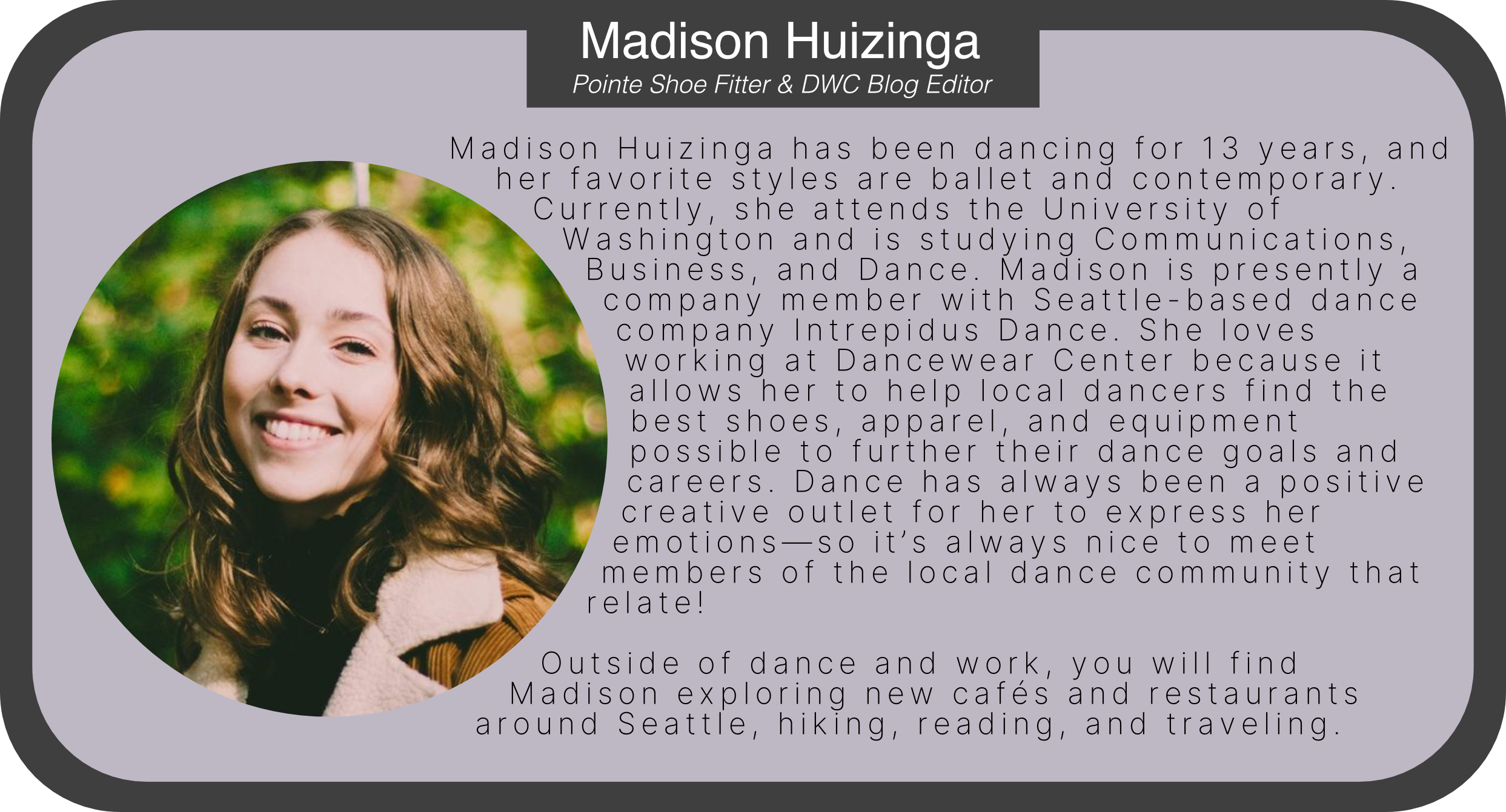
By Madison Huizinga, DWC Blog Editor

Photo by Staria Belle | click below to shop the look!
Naturally, when many dancers graduate high school, they ask themselves “what’s next” as they decide which path to take with their dance career. The professional world is a space that can seem out of touch and impermeable. However, DWC Ambassador Alberto Gaspar is here to share that the professional realm has just as many ups and downs as the amateur dance world. Read on to learn more about Alberto’s dance journey and upcoming plans as a local artist and DWC Ambassador. Be sure to check out Alberto’s original choreography in Olympic Ballet Theatre’s summer performance on June 4th at Edmonds Center for the Arts.
Alberto was introduced to ballet when he was invited to a summer program for musical comedy by a friend. After getting more involved with dance, he was later accepted into Escuela Nacional de Danza Clásica in Mexico City. Alberto shares that he’s danced with various companies across the United States, Europe, and Asia, including Miami City Ballet, Pittsburgh Ballet Theatre, Horiuchi Ballet, Saint Louis Ballet, and Ballet Memphis. In 2017, he joined Olympic Ballet Theatre, where he dances, teaches, and choreographs full-time.
Alberto shares that what initially attracted him to dance was the challenge it presented to him. “It felt like something that you would have to try forever and never be perfect,” he says. “[That] was something very alluring to me.” Today, he has an appreciation for the numerous skills dancers acquire, including musicality and coordination.
Alberto describes his approach and outlook on ballet as “old school,” sharing that he places great value on tradition within the art form in addition to embracing changes. He also appreciates the fact that dance acts as a place of common ground for people from different backgrounds. Alberto says that he’s often felt a lot of safety with this attribute of dance. Being able to view dance as a blank canvas for artists of all identities to express themselves upon can bring about a great deal of security.
Alberto looks forward to seeing more companies have a human-centered approach to dance, valuing the common threads of humanity that unite dancers together rather than the things that can keep them separated. “We’re all human beings!” he declares. “I’m happy to be living right now in these times because change is happening. We just have to make sure changes are happening in the right way and not in a way that… [causes people to] lose their true identity.”
Alberto shares that “consistency” is one of the biggest challenges he experiences and witnesses in the dance world, particularly in terms of finding work as a professional dancer. Reasons why certain dancers book jobs can be completely arbitrary, which is important to keep in mind when auditioning. And as much as Alberto loves to dance, he also recognizes the necessity of finding other passions outside of the practice. He wants his students to know that they can have an identity outside of the art form.

Photo by Staria Belle | click below to shop the look!
Alberto learned about the DWC Ambassador program through Dancewear Center’s Instagram, where he shares that he loves reading the blog interviews and looking at the professional photographs. “The diversity is something that I really enjoy about [Dancewear Center],” Alberto says of the types of stories that are shared across the DWC Blog and social media. He loves seeing people of all backgrounds participating in the dance industry in a range of capacities. “You don’t have to be a professional…to be a part of the community,” he shares.
As an ambassador, Alberto looks forward to sharing his perspective as a local professional dancer and showcase the challenges many professionals face. “No matter what level you are, you will have ups and downs,” he shares.
A change that Alberto hopes to see made in the dance world is dance becoming more accessible to people from different socioeconomic backgrounds. He points out that ballet is an elitist art form, often only available to more affluent community members due to the expenses of classes and equipment.
In May, Alberto performed in Don Quixote with Olympic Ballet Theatre at Edmonds Center for the Arts. And on June 4th, he’s excited to be showcasing new classical ballet choreography at Edmonds Center for the Arts. Alberto encourages those interested to look into the summer program at Olympic Ballet School. He also does private coaching and choreography and encourages people to reach out to him if they’re interested in either of those services.
Keep an eye out for more from Alberto at DWC in the coming months!
Disclaimer
All content found on the Dancewear Center Website, Instagram, Facebook, Pinterest, and all other relevant social media platforms including: text, images, audio, or other formats were created for informational purposes only. Offerings for continuing education credits are clearly identified and the appropriate target audience is identified. The Content is not intended to be a substitute for professional medical advice, diagnosis, or treatment. Always seek the advice of your physician or other qualified health provider with any questions you may have regarding a medical condition. Never disregard professional medical advice or delay in seeking it because of something you have read on this Website.
If you think you may have a medical emergency, call your doctor, go to the emergency department, or call 911 immediately. Dancewear Center does not recommend or endorse any specific tests, physicians, products, procedures, opinions, or other information that may be mentioned on dancewearcenter.net. Reliance on any information provided by dancewearcenter.net, Dancewear Center employees, contracted writers, or medical professionals presenting content for publication to Dancewear Center is solely at your own risk.
Links to educational content not created by Dancewear Center are taken at your own risk. Dancewear Center is not responsible for the claims of external websites and education companies.
Getting to Know DWC Ambassador Dominique See
One of the things that Dominique is looking forward to about being an ambassador is that it can allow her to become more of an advocate for mental health in the dance world. Having gone through these experiences herself, she wants to be able to raise awareness for these issues that are very common in the dance world. At All That Dance where Dominique teaches, there is Love Your Body Week that has been picked up by numerous other studios around the country where time is taken out of dance classes during the week to discuss loving your body. Dominique shares that this week is something that has helped her want to lift up the voices of people struggling with these issues and advocate for more awareness.
By Nicole Barrett, DWC Blog Writer

Photo by Catlyn Griswell | click below to shop the look!
Advocating for mental health around the dance community is something very important to one of our new DWC ambassadors, Dominique See. Starting at the age of three, Dominique has always been involved in the dance world and has strived to achieve the acceptance everyone deserves. Read on to learn more about Dominique’s dance journey and work at All That Dance and Genki Pilates!
Dominique is from a small town in southern Washington State called White Salmon where she started dancing at the age of three. She signed up for dance classes with her friend and ultimately, she just never stopped dancing. She was involved in the performance companies at her studio where she shared that she learned she wanted to dance forever. She majored in dance at the University of Washington and graduated in 2017. While dancing at UW, she was the President of the Dance Student Association and worked with the Chamber Dance Company. Dominique wanted to be as involved as she could in the dance community at UW and that is what she did.
Post-graduation, Dominique went into the pilates teacher training program to become a pilates instructor and was dancing here and there in different places around the Seattle area. While dancing in Seattle, she was involved in the Tint Dance Festival and danced with Pat Graney for about two and half years during this time. Dominique then began performing with MALACARNE and did a virtual zoom performance in 2021. She then began teaching at All That Dance in Seattle and has been involved in the dance company there.
Growing up, Dominique was always drawn to ballet more than any other style. “I was very much drawn to ballet with the structure and the precision and the thought that ‘this is what you do when you do it,’” Dominique shares. She describes a sense of comfort when dancing in a style like this where she can tell her body exactly what she wants to do and how to do it and she felt that it was a grounding point for her.

Photo by Catlyn Griswell | click below to shop the look!
As she got older, she started shifting over to more modern dance instead of ballet. Dominique mentions that the physical aspects of the dance world and the stereotypical body types that were required for ballet dance as an adult were something that made her switch over to modern dance instead. “What I love most about dance is you have all the control in it, but you also have control in how much you let go,” Dominique shares.
When asked about her biggest challenge in the dance world, Dominique shares that it was her inability to say no. She mentions that this realization occurred for her when she became more aware that you don’t have to do the things that hurt. She also mentions this need to please the choreographer and feel appreciated when they show attention to you, which is something very common in the dance world. Because of this, she wants other dancers to know that no matter what “you are your own body, your own dancer, your own artist, and you are your own person.” She wants dancers to be mindful of their own health and safety and know when to say no.
One of the things that Dominique is looking forward to about being an ambassador is that it can allow her to become more of an advocate for mental health in the dance world. Having gone through mental health challenges herself, she wants to be able to raise awareness for similar issues that are very common in the dance world. At All That Dance where Dominique teaches, there is a “Love Your Body Week” that has been picked up by numerous other studios around the country where time is taken out of dance classes during the week to discuss loving your body. Dominique shares that this week is something that has helped her want to lift up the voices of people struggling with these issues and advocate for more awareness.
Dominique just got finished with a five-hour duration show at the Georgetown Steam Plant that she did with Malacarne. “[This performance] was epic, it was amazing and so fulfilling,” Dominique shares about the show. She is looking forward to the end-of-year recital for All That Dance where she gets to watch all the kids that she teaches perform.

Photo by Catlyn Griswell | click below to shop the look!
Outside of teaching at All That Dance, Dominique is a pilates instructor. She was trained by Lori Coleman Brown in downtown Seattle through a very intensive training process that is very deeply integrated with how to look into the body. She mentions that dancers could utilize pilates greatly to help feel safe and secure in their muscles when performing. Because of this, Dominique opened up her own pilates studio Genki Pilates for more artists to have access to these utilities. This summer, Dominique hopes to put in more time to Genki Pilates to help serve the whole dance community.
Moving forward in the dance world, Dominique would like to see more studios pick up the ideas of Love Your Body Week as they have at All That Dance. She wants everyone in the dance community to feel that they are enough and that their body doesn’t limit what they can and can’t do. Seeing that incorporated into the dance world makes Dominique very hopeful for the future of dancers and she hopes to see these changes happen in more places.
We are so excited to have Dominique as one of our new ambassadors!

Sources:
Disclaimer
All content found on the Dancewear Center Website, Instagram, Facebook, Pinterest, and all other relevant social media platforms including: text, images, audio, or other formats were created for informational purposes only. Offerings for continuing education credits are clearly identified and the appropriate target audience is identified. The Content is not intended to be a substitute for professional medical advice, diagnosis, or treatment. Always seek the advice of your physician or other qualified health provider with any questions you may have regarding a medical condition. Never disregard professional medical advice or delay in seeking it because of something you have read on this Website.
If you think you may have a medical emergency, call your doctor, go to the emergency department, or call 911 immediately. Dancewear Center does not recommend or endorse any specific tests, physicians, products, procedures, opinions, or other information that may be mentioned on dancewearcenter.net. Reliance on any information provided by dancewearcenter.net, Dancewear Center employees, contracted writers, or medical professionals presenting content for publication to Dancewear Center is solely at your own risk.
Links to educational content not created by Dancewear Center are taken at your own risk. Dancewear Center is not responsible for the claims of external websites and education companies.
Providing Opportunity Through Community Classes
Moving forward, Lex wishes for dance teachers to communicate with one another more. There’s a strong feeling of competition that runs across the dance industry, causing teachers, dancers, and other industry professionals to retreat to their silos. Lex points out that it’s hard for dancers and teachers to grow when they feel like they’re being judged. “There’s this weird expectation that if you’re a teacher, you have to be good at everything and that’s just not realistic,” Lex says. “So it’s hard to find a space in your community as a teacher, where you feel like you can work on yourself free of judgment.” She says that it would be great for Drop Zone to host events where teachers can come into conversation with one another about their unique struggles.
Drop Zone’s Lex Ramirez on Offering Equitable Access to Dance
By Madison Huizinga, DWC Blog Editor

Photo by Val Gonzales
The world of dance is replete with gatekeepers, holding many people interested in learning more about the art form and cultivating community back from succeeding. There’s a great need for community spaces where people of all social identities can show up free of judgment and feel like they’re a part of something bigger than themselves. Thanks to Lex Ramirez, spaces like that are coming to fruition. Drop Zone is Lex’s latest creation: a creative dance hub featuring “classes, events, and groups centering artists from marginalized communities.”
Lex was first exposed to dance through Mexican folk dancing around age eight. She was also a part of a Catholic youth cheerleading organization. In school, she found a community of girls who loved hip hop, like her. The group got together outside of school to dance together and teach one another. In college, Lex’s passion for hip hop persevered, as she joined a hip hop dance team.
She moved from her hometown of Oakland to Seattle when she received a fellowship in multicultural education, involving a program interested in getting more people of color involved in outdoor education. “I knew it was a good opportunity to learn some skills about teaching in an accessible way to BIPOC youth,” Lex says. She had intended to only move to Seattle for a year to do the fellowship. However, one day, Lex decided to stop into the dance studio she always passed on her way to work. She took a class and loved it, eventually teaching several classes herself. “It was like the universe being like ‘no, stay here,’” Lex says.
“I never did studio dance [as a kid],” Lex shares. “I think that’s an important part of my journey.” She shares that the spaces she danced in growing up were always extremely welcoming. While many dance studios focus on catering to pre-professional dancers, Lex felt like the dance communities she’s been a part of welcomed all dancers, from those who wanted to pursue it as a career to those who saw it as a passionate, recreational outlet.
However, after struggling with a traumatic experience within the dance community, Lex realized that no dancer should feel unwelcome and put down in the ways she felt. Having worked in dance administration, taught, and danced as an artist herself, she decided to bring all of her skills together to create a safe and equitable hub for dancers in the Seattle area.
Lex currently teaches at Dance Underground and is shocked at how many people are unaware of the space. “I have a lot of students and I wanted a way for instructors to be connected to my student base, but also for my students to be exposed to them,” Lex says. “I also wanted to uplift artists from marginalized communities...I wanted to create a space where both teachers and students could grow.” Thus, Drop Zone was born.
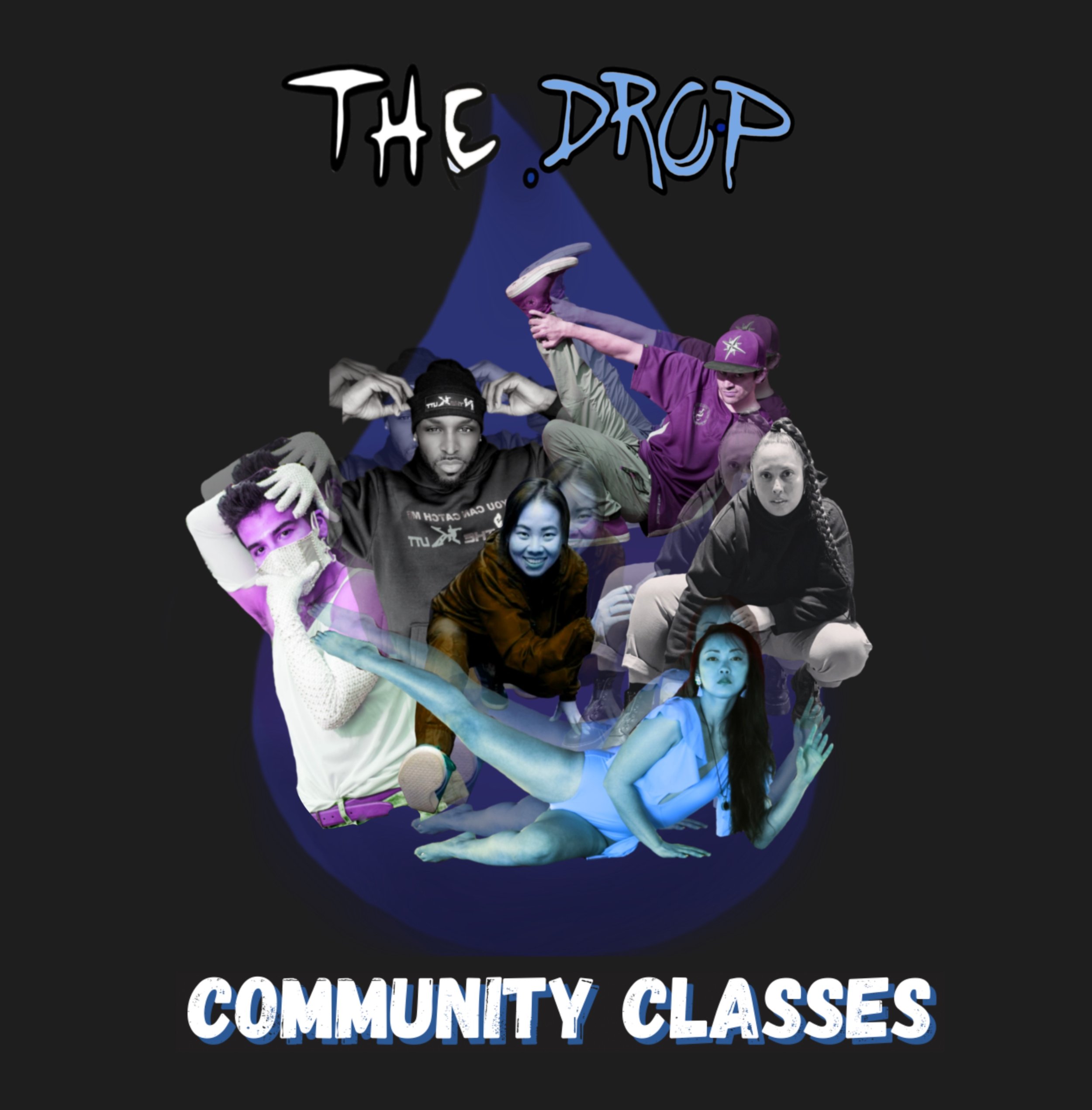
Currently, Drop Zone offers community classes for the public in styles like hip hop, breaking, hustle, contemporary, and sensual floor work, as well as a dance crew called Drop Squad, open for hip hop dancers of all experience levels. The community classes are on a sliding-scale cost, from $5-20. Funds go towards supporting the instructors. Looking forward, Lex hopes to host events through Drop Zone that foster community, as well as bridge the gap between dancers, musicians, photographers, videographers, and other artists. She looks forward to organizing more dance projects that feed dancers and instructors creatively.
Moving forward, Lex wishes for dance teachers to communicate with one another more. There’s a strong feeling of competition that runs across the dance industry, causing teachers, dancers, and other industry professionals to retreat to their silos. Lex points out that it’s hard for dancers and teachers to grow when they feel like they’re being judged. “There’s this weird expectation that if you’re a teacher, you have to be good at everything and that’s just not realistic,” Lex says. “So it’s hard to find a space in your community as a teacher, where you feel like you can work on yourself free of judgment.” She says that it would be great for Drop Zone to host events where teachers can come into conversation with one another about their unique struggles. “I think it’s really important to collaborate, so that we can all differentiate ourselves and what we offer.” There should be a space for every teacher and every dancer to exist in the community.
Be sure to follow Lex and Drop Zone on Instagram to hear about upcoming events.
Disclaimer
All content found on the Dancewear Center Website, Instagram, Facebook, Pinterest, and all other relevant social media platforms including: text, images, audio, or other formats were created for informational purposes only. Offerings for continuing education credits are clearly identified and the appropriate target audience is identified. The Content is not intended to be a substitute for professional medical advice, diagnosis, or treatment. Always seek the advice of your physician or other qualified health provider with any questions you may have regarding a medical condition. Never disregard professional medical advice or delay in seeking it because of something you have read on this Website.
If you think you may have a medical emergency, call your doctor, go to the emergency department, or call 911 immediately. Dancewear Center does not recommend or endorse any specific tests, physicians, products, procedures, opinions, or other information that may be mentioned on dancewearcenter.net. Reliance on any information provided by dancewearcenter.net, Dancewear Center employees, contracted writers, or medical professionals presenting content for publication to Dancewear Center is solely at your own risk.
Links to educational content not created by Dancewear Center are taken at your own risk. Dancewear Center is not responsible for the claims of external websites and education companies.
Living Your Best Life at Dance Conservatory Seattle
Whether its codified technique, body expectations, or gendered stereotypes, the dance industry has disseminated rigid values for many years. Such expectations can limit and harm talented dancers who don’t fit such cookie-cutter molds. Joshua Grant and Christopher E. Montoya are striving to knock down these barriers and foster a supportive and all-inclusive dance environment at Dance Conservatory Seattle. Under the tutelage of local talent, DCS is teaching Seattle dancers how to “live [their] best li[ves].”
A Conversation About Inclusivity with Co-Artistic Director Joshua Grant
By Madison Huizinga, DWC Blog Editor
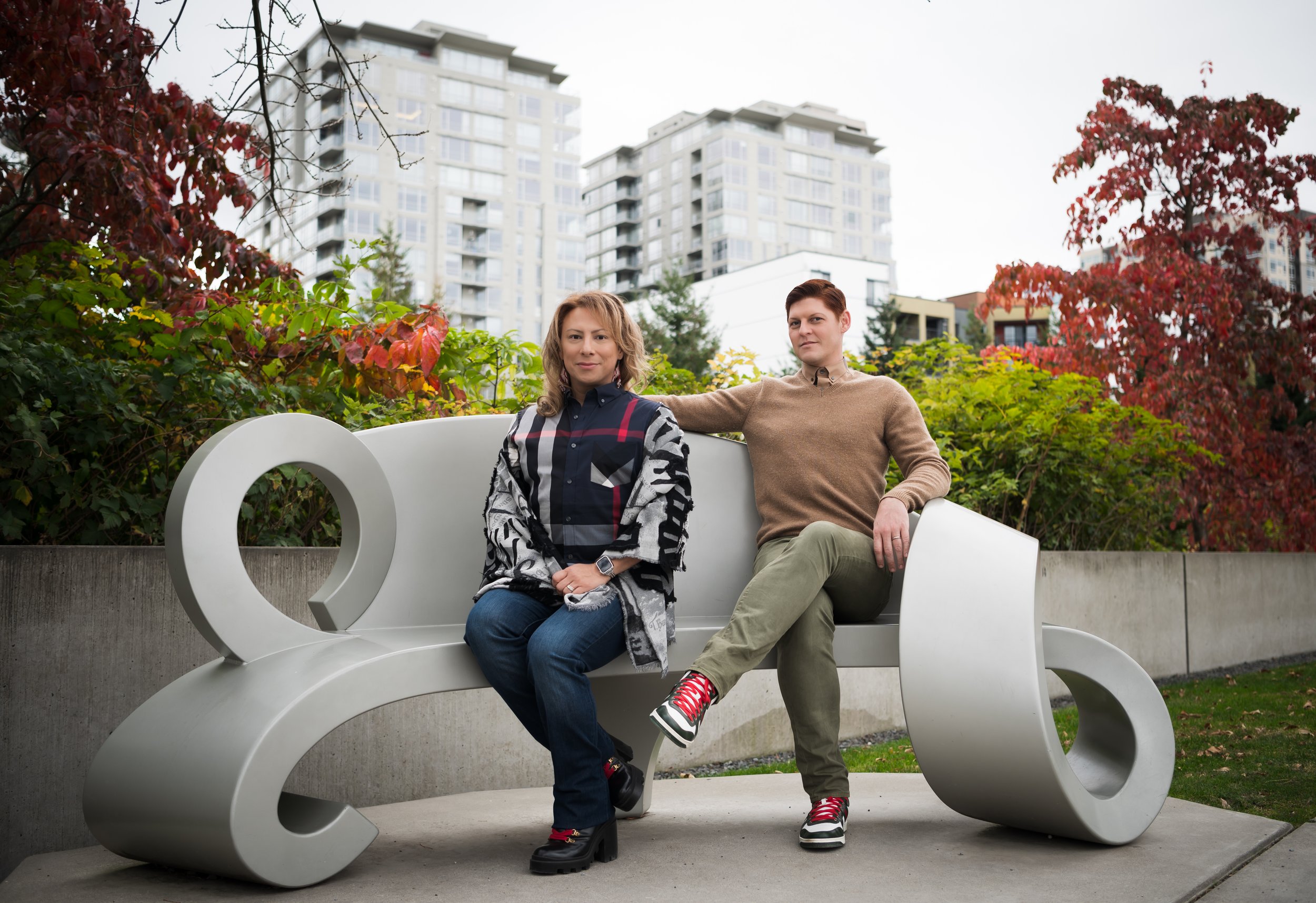
Photo by Marcia Davis and Angela Sterling
Whether its codified technique, body expectations, or gendered stereotypes, the dance industry has disseminated rigid values for many years. Such expectations can limit and harm talented dancers who don’t fit such cookie-cutter molds. Joshua Grant and Christopher E. Montoya are striving to knock down these barriers and foster a supportive and all-inclusive dance environment at Dance Conservatory Seattle. Under the tutelage of local talent, DCS is teaching Seattle dancers how to “live [their] best li[ves].”
Growing up in a military family, Josh spent much of his childhood moving to different states. His dance journey first began at age three in Alabama and he later trained in South Carolina and California. Eventually, Josh’s family landed in the panhandle of Florida where he received the bulk of his dance training at Northwest Florida Ballet. He also trained at The HARID Conservatory in Boca Raton, Florida before graduating high school and moving to Seattle to train at the Pacific Northwest Ballet School. After one year in the Professional Division, Josh was offered a job with PNB, dancing professionally with the company for about four years. He later decided to spend some time traveling, relocating to Toronto to dance with the National Ballet of Canada for a while.
Desiring to explore a different form of dance, Josh joined Les Ballets Trockadero de Monte Carlo, an all-male comic ballet company that tours globally performing parodies of classical ballets. Josh toured the world with the company, traveling to Japan, Russia, Greece, France, Australia, and more, performing in male and female roles and dancing en pointe. He later returned to PNB where he dances today as a soloist.
Chris’ dance journey took a much different form than Josh’s. Chris studied at the University of Arizona before entering the professional world, dancing with companies like David Taylor Dance Theatre, Scorpius Dance Theatre, and Center Dance Ensemble, before joining Les Ballets Trockadero de Monte Carlo where he and Josh met. Josh points out how amazing it was that he and Chris were both able to find a home at Trockadero given they’re quite different dancers, both physically and emotionally.
When Josh and Chris relocated to Seattle together, Chris completed his undergraduate degree at Cornish College of the Arts and got his MFA at the University of Washington. He worked as the ballet division head and later the school director of Spectrum Dance Theater and has taught open classes and worked as the managing director for Dance Fremont. Aside from teaching, Chris has also danced with local companies like Seattle Dance Project, Men in Dance, and Jeroba Dance.
At the start of the pandemic, when the dance scene across Seattle shut down, Josh describes feeling quickly depressed and bored. Like most all people across the city, Josh recalls spending many days walking around his house wondering what to do. After some time, Sierra Keith reached out to Chris, sharing that she was considering renting a studio space and wanted to know if he was interested in teaching private lessons to some adults she knew. While Chris was busy with other work at the time, he and Sierra passed the message along to Josh who agreed to teach, holding a class of about ten people that eventually became a class of one to two as the pandemic worsened.
Eventually, the classes cultivated some buzz, as local dancers began to compete to get one of the few spots available. Having dreamt about opening their own dance school for a long time, Josh and Chris thought that this might be the opportunity to bring their dream to fruition.
Josh and Chris have both experienced struggles in the dance world throughout their careers, particularly with ballet. “We understand nobody fits into that perfect mold,” Josh points out. “And so we try to approach education and dance from that lens…perfection is unattainable.”
Chris specifically grappled with the challenges of fulfilling a rigid traditionally “masculine” role in the ballet world, as well standing out as a 5’2” Hispanic man in a predominantly white, Eurocentric realm. He also struggled with eating disorders as a way to combat weight loss to fit the mold he thought he needed to.
Growing up, Josh not only faced challenges as a gay person living in the South, but recalls training under toxic teachers who would often make hurtful remarks, and even throw things at him when he would make a mistake. “I was told I wouldn’t have a career. I was told I was a terrible dancer,” Josh remembers. “I was told that I was ‘too flowery.’ I was told that I needed to be more masculine.” For a while, he carried strict teaching traditions into the classes he taught, before Chris later pointed out that it wasn’t exactly helpful. Josh looks back on his training and wishes that his teachers could have helped him become the dancer and person he was supposed to be, instead of trying to make him become something he wasn’t.
Drawing from Chris’ graduate school research and he and Josh’s experience dancing with Trockadero, the two had also become interested in why the pointe shoe was genderized in ballet. Why is it that every time a pointe shoe is put on a man, it’s for slapstick or comedy? Such thoughts are what helped spur the creation of Dance Conservatory Seattle.
Dance Conservatory Seattle strives to knock down societal barriers by working to “encourage and empower” students “to explore their individual bodies and find their unique expressive voices.” A large emphasis is placed on welcoming dancers of all backgrounds and identities to present and perform how they desire to, particularly when it comes to defying gender stereotypes. Local performers like non-binary PNB Apprentice Ashton Edwards has credited DCS, and Josh specifically, for helping them grow more and more into themself as a performer.
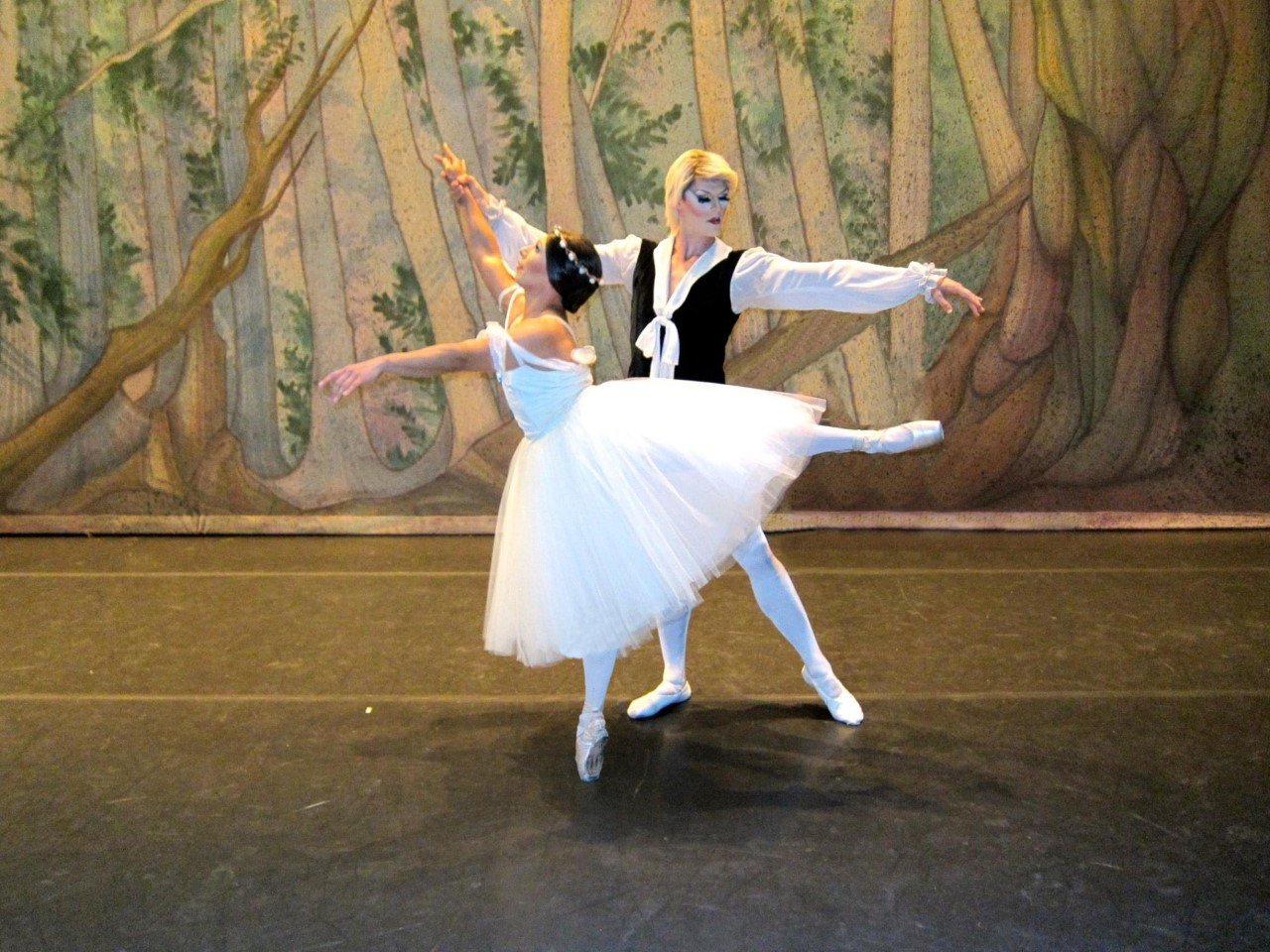
Photo by Marcia Davis and Angela Sterling
Josh says that DCS aims to teach people based on who they are and not who anyone else thinks they should be. While dance nearly always has a fairly rigid means of measuring technique, DCS approaches technical skills with a more open-minded outlook. Josh shares that there’s a way to provide dancers with corrections and feedback in a way that isn’t aggressive and hurtful, but that allows a person to grow. “I think that’s where we’re going to get the best dancers of the next generation,” Josh shares of this approach to teaching.
At the moment, Dance Conservatory Seattle is chiefly concerned with getting more attendees in its classes, particularly its intermediate and advanced classes for middle and high school-aged students. DCS is also holding summer camps for ages 5 through 18. Eventually, Josh hopes for Dance Conservatory Seattle to have its own unique production of The Nutcracker, featuring a balanced representation of Seattle artists and featuring roles that defy traditional gender stereotypes. “Everything that DCS represents would be in our Nutcracker,” Josh shares. DCS’ 2700 square foot studio space is also available to rent and can transform into a performance space, where its future productions will likely be held.
Moving forward, Dance Conservatory Seattle strives to continue encouraging local dancers to live their best lives by acting fearlessly and being the kind of representation dancers across the region need. “Dance is an art form and the best way to get the truest and most successful art out of somebody is to allow them to be themself,” Josh says.
Interested in writing for the DWC Blog? Click below to fill out the DWC Contributor application!