
A Conversation About Starting Dance at Any Age
There is an unspoken assumption in society that once you reach adulthood, your time has passed to try something new. However, DWC Pointe Shoe Fitter and DWC Blog Contributor Emma Neilson shares that it’s never too late to try dance. Read on to learn about her dance journey, goals for the future, and desire for more professional development support for young adult dancers.
Getting to Know Pointe Shoe Fitter Emma Neilson
By Madison Huizinga, DWC Blog Editor

Photo by Robb Webb Photography
There is an unspoken assumption in society that once you reach adulthood, your time has passed to try something new. However, DWC Pointe Shoe Fitter and DWC Blog Contributor Emma Neilson shares that it’s never too late to try dance. Read on to learn about her dance journey, goals for the future, and desire for more professional development support for young adult dancers.
Emma’s first experience with dance was Scottish Highland dancing around ages four to eight, as it was an activity that ran in her family. In her childhood, she also took up equestrian horseback riding for a while. But her whole life changed when she watched figure skating in the Winter Olympics for the first time. Emma declared to her mom that she would be an Olympic figure skater, and after two years of begging, her mom signed her up for public group lessons. Eventually, Emma began training with a private coach and becoming more advanced in her technique. She began taking ballet classes as well to improve her ice skating abilities. Her ballet technique also began improving with practice and around age 13 Emma’s teacher suggested her class begin dancing in demi-pointe shoes.
When Emma started high school, her parents encouraged her to choose one activity to focus on. After landing her axel jump, a long-time figure skating goal of hers, Emma decided to devote her extracurricular time fully to ballet. After continuing ballet through high school, Emma took a gap year following her graduation. She applied to some colleges but recalls her heart not being fully in the process. She remembers having a conversation with the artistic director of her dance studio at the time to help her weigh her options. Emma’s artistic director advised her to audition for some summer intensives and pointed her in the direction of International Ballet Academy in Bellevue, WA. After auditioning, Emma was accepted at IBA, where she’s been dancing ever since. She’s currently a part of IBA’s Professional Program.

Photo by Rex Tranter Photography
In addition to training at IBA and working at DWC, Emma is a Certified American Barre Technique Instructor, a Certified Flexistretcher Instructor, and a Pal Program Coordinator for the organization Dancer for Dancer. She’s also currently in the midst of audition season and is auditioning for dance companies to be a part of.
Emma is currently a retail associate and pointe shoe fitter at Dancewear Center’s Kirkland location. In addition to working as a retail associate and pointe shoe fitter, Emma has copious experience working inventory at DWC, ensuring that products are labeled correctly and organized. She is also excited to be a part of The Pointe Shop Progressive Pointe Method training program to help build upon her pointe shoe fitting knowledge. Emma began working at DWC in 2019, as she had begun training with IBA and was in search of a job to help supplement her time outside of the studio. She reached out to Owner and General Manager Samantha Weissbach through the contact form on DWC’s website. After being interviewed by Samantha and another staff member, she was offered a job!
Emma loves that Dancewear Center strives to be much more than just a business, but also foster a community by connecting with other artists and businesses across the region. She is also such a big fan of Samantha, sharing that she considers her a “forever mentor.” She says that it’s been amazing, as a young woman, to be brought under another woman’s wing to assist with professional development.
Pointe shoe fitting is one of Emma’s favorite things to do at Dancewear Center, sharing that she knows what it’s like to be in physical pain and struggle to find a functional pair of shoes. “I really enjoy being able to bond with basically anybody who walks through the door,” Emma says, speaking to the common bond she can share with customers through a love of dance.
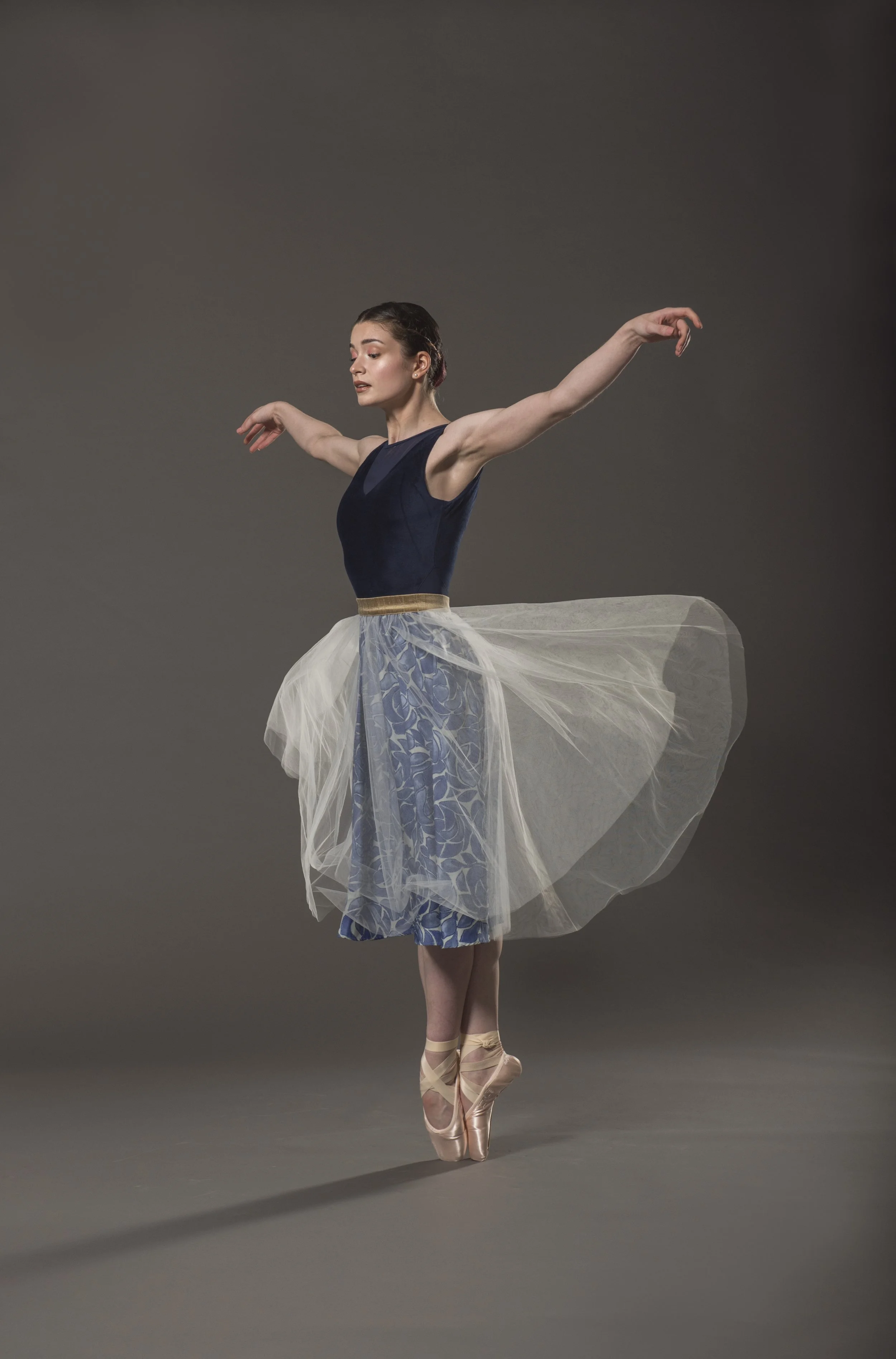
Photo by Rex Tranter Photography
Outside of dancing and working, Emma enjoys spending her free time outside with her family. “I really love going on walks and hikes,” she says. She also enjoys baking, cooking, writing, reading, and going to the movies. “I also love a good self-care session,” Emma shares, sharing that she likes to take care of her body and mind by taking a bath and using a muscle gun on sore muscles.
In the future, Emma hopes to be able to dance with a company and have the opportunity to continue taking classes, performing, and growing as a dancer. She would also love the opportunity to work on some choreography and continue educating herself on pointe shoe fitting.
A change that Emma wishes to see made in the dance industry is studios and academies become more welcoming to beginner dancers of all ages. “Not everybody starts at age three,” she points out. She would also like more professional development opportunities to become available to young adult dancers, pointing out that many dancers do not have their life trajectory figured out at age 18. She shares that she has many conversations with friends who aren’t dancers who express their desire to dance, but fear their time has passed. “You can do it!” Emma says to those who want to try dance at any age.
Be sure to say hi to Emma if you see her at DWC Kirkland!
Decoding Cues & Restorative Conditioning
There are many unspoken assumptions in the dance world, one of which is that dancers don’t need to put in work outside of the studio. However, conditioning and engaging in other complementary activities can make a world of difference when it comes to dancing with resilience and avoiding injuries. Zoe Geiger, PT, DPT, CSCS chats about her dance experience, the importance of restorative conditioning, and her upcoming appearance at Tea & Tendus at DWC Renton on April 10, 2022.
Zoe Geiger, PT, DPT, CSCS On Her Experience with Dance and Physical Therapy
By Madison Huizinga, DWC Blog Editor
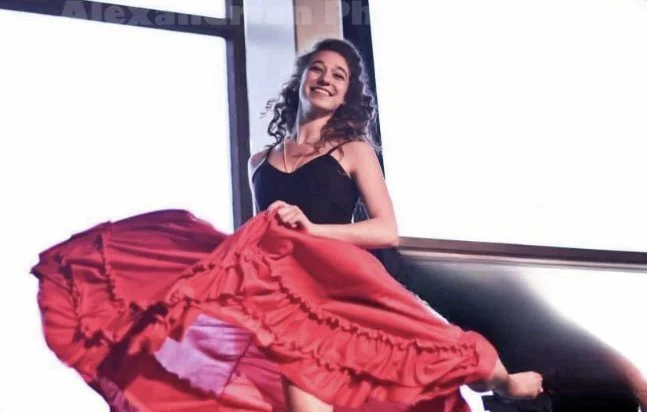
Photo by Alexandrian Photography
There are many unspoken assumptions in the dance world, one of which is that dancers don’t need to put in work outside of the studio. However, conditioning and engaging in other complementary activities can make a world of difference when it comes to dancing with resilience and avoiding injuries. Zoe Geiger, PT, DPT, CSCS chats about her dance experience, the importance of restorative conditioning, and her upcoming appearance at Tea & Tendus at DWC Renton on April 10, 2022.
Zoe began dancing around three years old in a classic ballet/tap class in the Seattle area. She also experimented with other sports including gymnastics, ice skating, and soccer. While playing soccer, she found herself gravitating to the position of sweeper because she could practice leaps and cartwheels while the ball was on the other side of the field. It became clear to Zoe that her heart was largely in dance, and she found her place at a local studio.
Zoe continued dancing throughout high school and college. After somewhat of a hiatus during graduate school, Zoe has been taking classes more frequently and feels like she’s “rediscovering [her] place in the dance community.”
“Dance has always given me a place to just escape the world around me and submerge myself in the joy of movement,” Zoe says of what she loves about dancing. Dance helps her feel grounded and connected with her body. “I don’t have to have a studio, I don’t have to have shoes. I can just dance around my living room and feel better,” Zoe smiles.

Photo by Best Sister Photography MJR
When Zoe started visiting a physical therapist for a knee injury in middle school, she says it changed her relationship with her body and with dance. She quickly became fascinated and interested in pursuing a career in PT. At first, she was unsure whether she wanted to treat dancers because dance had always brought her joy as an escape. But as she started working with Henry Lu at Velocity Physiotherapy, the joy from the studio was alive in the clinic. Today, she’s been working with dancers and others as a physical therapist for about a year and a half, alongside in the Seattle Public Schools.
Zoe recognizes that she’s been privileged to have a supportive dance community for most of her life. However, something she felt was missing was access and emphasis on strength training and other injury prevention strategies. Growing up, Zoe didn’t think exercise outside dance was necessary. But as she has learned more and started strength training on her own, she found herself feeling more grounded when dancing, seeing the benefits of putting in work outside the studio. She is happy to see more educators advocate for strength training outside the studio today and hopes to see more of it in the future.
Zoe encourages dancers to ask people in the dance community for recommendations for conditioning and injury prevention resources. Velocity Physiotherapy is also working on creating restorative conditioning programs designed for dancers. Zoe also shares that personal training or even finding another sport to play alongside dancing, such as swimming or soccer, can help supplement a dancer’s training.
Moving forward, Zoe hopes to see dance become more accessible. “I would love to see more classes that offer experiences for kids with disabilities,” Zoe voices. In addition, making dance classes available to families of all incomes and those living in rural and urban areas alike is an extremely important part of increasing dance accessibility. Zoe shares that part of the solution could be offering dance in public schools, where children could experience dance in a setting they already frequent without financial burden. Even amending the dress codes that dance classes require could open up the door for more children and adults to feel comfortable and excited about dance.
Zoe is enjoying rediscovering dance in her personal life and is drawing from her own experiences to provide better treatment for others. She’s looking forward to dancing en pointe again, in part to help her many clients who dance in pointe shoes. She’s looking forward to diving more into continuing education and professional development this summer to learn more about dance accessibility and public school education.
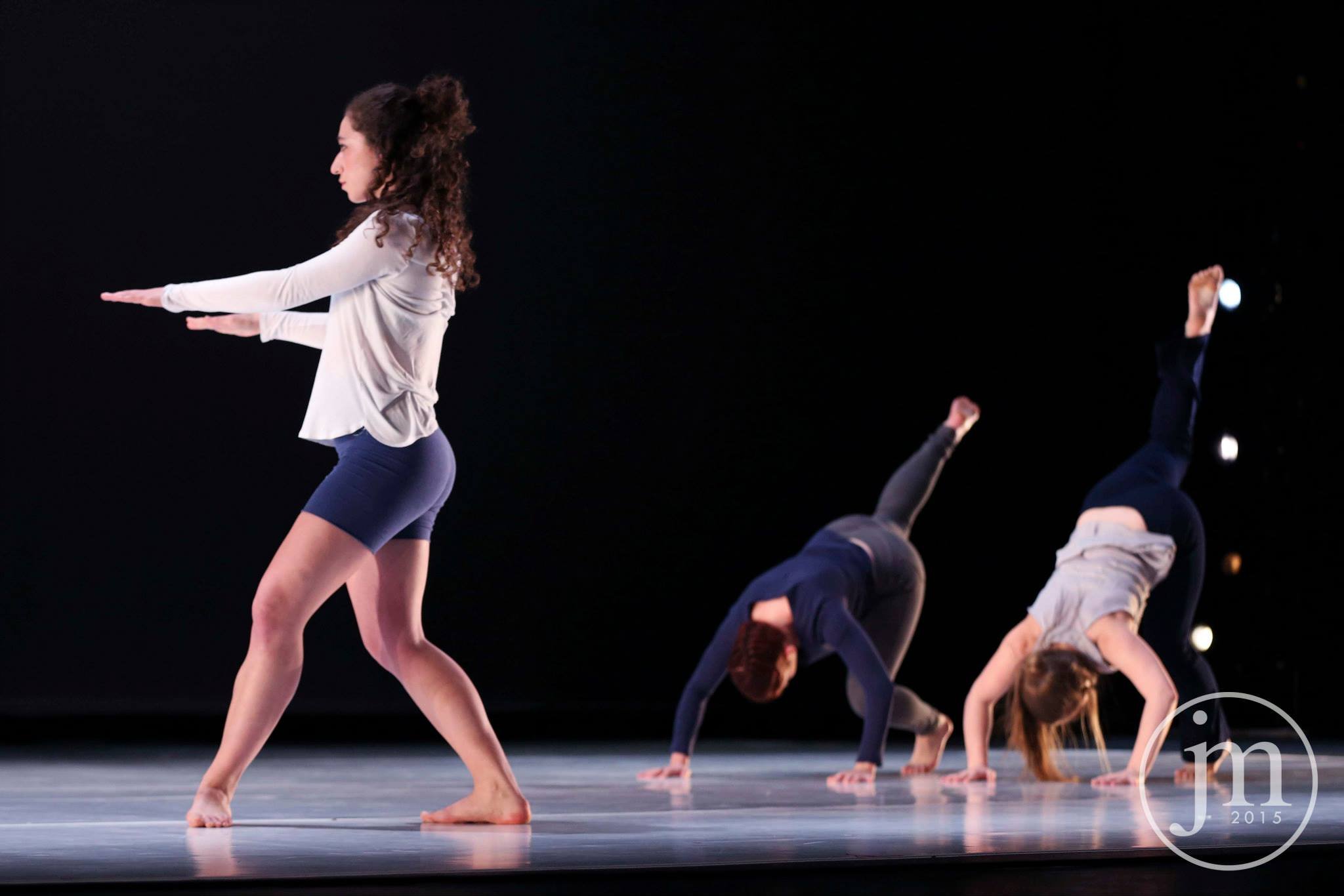
Photo by JMWorks
Zoe is also thrilled to be a guest at Dancewear Center’s next Tea & Tendus on April 10, where she will be discussing “decoding cues and restorative conditioning.” Specifically, Zoe will be talking about how to make the “cues” dance instructors provide more helpful for more dancers. It’s important to find new ways to share the same information, as the same cue isn’t helpful to all dancers.
A Conversation on Navigating Challenges in the Dance Realm
No two dancers’ journeys are completely the same or even linear for that matter. When physical, mental, and societal obstacles are thrown in their way, dancers often take paths that they don’t expect. This was certainly the case for DWC Ambassador Anna Nelson. Read on to hear about her choosing to pause professional dance to pursue a college education, come back from an injury, and learn how to cope with anxiety throughout her dance career.
DWC Ambassador Anna Nelson on Bouncing Back Physically and Mentally
By Madison Huizinga, DWC Blog Editor

Click below to shop the look!
No two dancers’ journeys are completely the same or even linear for that matter. When physical, mental, and societal obstacles are thrown in their way, dancers often take paths that they don’t expect. This was certainly the case for DWC Ambassador Anna Nelson. Read on to hear about her choosing to pause professional dance to pursue a college education, come back from an injury, and learn how to cope with anxiety throughout her dance career.
Anna began dancing around age 13 at a small studio in her hometown of Oak Harbor on Whidbey Island, Washington. After training there for years, she decided to attend Cornish Preparatory Dance to up the intensity of her ballet training. She later attended Kirov Academy of Washington D.C., continuing to pursue rigorous ballet training. Following her graduation, Anna decided to take a break from professional dancing. She had a professional job lined up in California but ultimately decided to pass on it to follow another passion. “I decided I wanted to pursue education,” Anna shares. While attending a community college, Anna continued dancing recreationally to keep her passion alive. She later earned her BS in microbiology from the University of Washington, Seattle, with the intention of later attending PA school.
In 2020, Anna underwent a major hip surgery. “I couldn’t dance for six months,” she says, during recovery she had to learn how to walk and dance again. She took her first dance class following the surgery over Zoom at UW, sharing that it was nice to be able to get back to moving in her own space, free from the perceived judgment of others. Today, she’s dancing with Olympic Ballet Threatre in Edmonds, Washington.
Anna has performances on the horizon with Olympic Ballet Theatre for its 2021-2022 performance season. She danced in The Nutcracker in December 2021. In February 2022, Olympic Ballet showcased “Debuts,” a more contemporary-focused show, and plans to put on Don Quixote in May at Edmonds Center for the Arts.

Click below to shop the look!
Anna has been a patron of Dancewear Center for about a decade. Following Samantha Weissbach taking over ownership of the store in 2018, Anna followed DWC on Instagram and realized that it was no longer “just a store,” but rather “a community.” This realization is what inspired her to become a DWC Ambassador. “I am really excited to get back into the dance world and just connect with all these local dancers and talented people,” she says. At age 26, having pivoted away from professional dance to pursue a college education and later came back following a major injury, Anna believes that her experiences will help her provide unique insights in her role as a DWC Ambassador.
“Growing up I only had Pointe magazine,” Anna laughs, reflecting on how few opportunities there were for community and connection outside the studio when she was younger. She points out how useful it is for dancers of all backgrounds to be able to share different perspectives on social media platforms today.
What’s kept Anna returning to dance is the physicality of the practice. She recalls studying for hours on end in college and longing to dance and move her body. “As long as my body can still do it, I still would like to dance,” Anna says about continuing the practice into the future.
Anna shares that the majority of the challenges she’s experienced in the sphere of dance have related to mental health. “I struggled with a lot of anxiety throughout my life, especially performance anxiety,” she says. “It’s been a lifelong journey trying to learn ways to cope with it.” Anna says that feeling grounded in her religious faith is part of what’s helped her persevere through moments of anxiety when she feels overwhelmed. Additionally, reminding herself that dance doesn’t comprise her entire identity is a helpful strategy when coping with dance challenges like performance anxiety. “I am where I should be,” she affirms.

Click below to shop the look!
Anna shares that therapy has been extremely helpful for her with coping with anxiety and recommends dancers seek it out, if possible, to help them handle their own mental health challenges in dance. Speaking with a therapist has helped Anna identify the roots of her anxiety and learn specific coping mechanisms to challenge anxious thoughts.
Moving forward in the dance world, Anna hopes to see teachers and directors have more awareness and training on how to be more nurturing and understanding of students’ nuanced needs and challenges, particularly in terms of mental health. She reflects on what the dance industry was like when she was a young student, pointing out that many authority figures exacerbated problems related to mental health and body image. With a greater eye towards how to communicate to children and be supportive of obstacles they’re facing, teachers and directors can create an even more positive impact on the dancers in their lives.
Stay tuned for more from Anna Nelson in the coming weeks!
Insight on Creating an Inclusive Dance Community
Within a culture and industry that often promotes conformity, being the one to stand out can be an uncomfortable, and sometimes even traumatizing experience. DWC Ambassador Austin Sexton knows what it’s like to experience discomfort for straying from the norm. But through adopting inclusive teaching practices, community members like Austin are helping make our local dance community more welcoming one step at a time.
DWC Ambassador Austin Sexton on Promoting Body Positivity
By Madison Huizinga, DWC Blog Editor

Click below to shop the look!
Within a culture and industry that often promotes conformity, being the one to stand out can be an uncomfortable, and sometimes even traumatizing experience. DWC Ambassador Austin Sexton knows what it’s like to experience discomfort for straying from the norm. But through adopting inclusive teaching practices, community members like Austin are helping make our local dance community more welcoming one step at a time.
Austin was born and raised in the Seattle area by parents who are dancers themselves. Her father is a dancer and her mother is one of the founding members of Spectrum Dance Theater. Austin jokes that dance, in a way, is “in her blood.” Growing up, she trained at Spectrum and later Dance Fremont throughout high school. At Dance Fremont, she was introduced to modern techniques that she fell in love with.
Following high school, Austin quit dance for a while, as having a body that doesn’t fit the “traditional” dancer mold was a source of trauma for her. She dedicated her time to pursuing vocal performance, as that was another passion of hers. During her break from dancing and training herself, she also took up teaching.
“I wanted to change the training,” Austin says of her desire to begin teaching. She desired to help change common rhetoric in the dance industry that promotes body image issues like body dysmorphia, as well as disordered eating. “I wanted to break that cycle,” Austin says.
In addition to teaching all around the Seattle area, Austin eventually co-founded a local dance company called Relay Dance Collective. The company performed seven seasons, collaborating with other local dance companies like Intrepidus Dance. After Austin got pregnant, Relay Dance Collective disbanded. Today, she works full-time at Momentum Dance Academy in Burien, Washington, where she wears various hats as a teacher, production manager, costume manager, rehearsal director, and more.

Austin has been drawn to dance time and time again because it’s a creative and emotional outlet like no other. Due to her traumatic experiences with dance early on, pursuing it as an adult and as a teacher feels as if she is “healing her inner child.” She enjoys being able to help the next generation of dancers not suffer from the same challenges she did. Austin hopes that the students she impacts through her teaching can carry on the lessons they learn throughout their life and to subsequent generations, creating waves of impact to improve the industry as a whole.
Austin's biggest challenge in dance has been comparing herself to other people. She explains that it was difficult navigating training as a dancer with a body that doesn't fit the "norm." "I had a dance teacher who refused to train me en pointe because she said I was too large," she shares. "At 12 years old, to hear something like that was super damaging."
Today, Austin makes it clear to her students that one's size does not determine one's worth or ability. "You can be a strong dancer at any size," Austin says. "You can be as strong and healthy and powerful as you want to be." There's no point comparing oneself to others when the way humans look is largely a pre-determined formula, engrained in their genetics.
"I loved seeing that there was a place for dancers that was promoting health and strength in every size because that is so foreign in the dance world," Austin says of Dancewear Center. She appreciates the efforts DWC makes to create an inclusive culture that bolsters body positivity and mental health awareness. She was inspired to become a DWC ambassador after having numerous conversations with Owner and Director of Operations Samantha Weissbach about what limited dancewear options there are for larger-bodied dancers. Feeling inspired by the work DWC was doing, Austin knew she wanted to be a part of it in some way.

Click below to shop the look!
In addition to being a DWC ambassador, in the coming year, Austin is looking forward to channeling her "heart, time, and energy" into teaching students at Momentum Dance Academy. The various performing groups at Momentum are planning on performing at several festivals, including the Olympic Dance Festival, BOOSTmeUP, All 4 1 Dancepalooza, and Dance Festival Northwest. Momentum will also host its own festival this spring called Merge NW, featuring members of the Momentum Dance Ensemble Company and youth dance companies across the Pacific Northwest. The dance academy has also begun rehearsals for its production of Coppelia this spring.
Overall, what Austin hopes to see change in the larger dance industry is a greater celebration of body positivity and a dismantling of systems of oppression, with an eye towards promoting equity. She hopes to see more teachers and directors show students and dancers that size doesn’t determine health and strength. Austin also wishes to see more opportunities become available for dancers who don’t “necessarily fit the mold.” Her desire is for these principles of body inclusivity to ripple out to other identity facets, causing instructors to teach with a greater eye towards gender inclusivity as well. Austin points out that a big part of making this change will be instructors being more intentional about the language they use in class, including not making comments about dancers’ weights and utilizing gender-inclusive words and phrases. With individuals like Austin helping train the next generation of dancers, there is ample hope for change.

Maintaining Body Positivity and Self-Discovery in Dance
During the last year, I’ve been on an intentional fitness journey, spurred along by the privilege of getting back into a dance studio to train consistently, even amid the ongoing pandemic. All through lockdown, I was in remote university courses for dance, yet I saw a significant decrease in my desire to maintain my fitness and nutrition goals. This was because I did not have a dancing community physically around me and had very little space at home to maintain a usual training rhythm. I feel excited and so thankful to be once again moving toward my goals in a way that feels challenging and freeing.
By Hannah Emory, DWC Blog Contributor

Photo by Nikola Evora Zonenberg
During the last year, I’ve been on an intentional fitness journey, spurred along by the privilege of getting back into a dance studio to train consistently, even amid the ongoing pandemic. All through lockdown, I was in remote university courses for dance, yet I saw a significant decrease in my desire to maintain my fitness and nutrition goals. This was because I did not have a dancing community physically around me and had very little space at home to maintain a usual training rhythm. I feel excited and so thankful to be once again moving toward my goals in a way that feels challenging and freeing.
Yet, the time I spent away from the studio, and quite far away from my personal fitness goals, caused me to think a lot about how I can maintain my sense of body positivity and self-love in the midst of changing life circumstances. I would not trade what I learned during this time, because life will always throw unexpected circumstances at us, but our need for self-love and self-respect is unchanging and requires maintaining.
In any case, during a pandemic or not, when dance spaces are made into goal-driven environments that focus overmuch on what the body looks like, a high level of self-criticism can develop and turn into a lifelong struggle if not kept in check. For example, I have struggled with issues of body dysmorphia and disordered eating, and have watched my dancer friends go through some of the same struggles. One can start to feel like they are not a true dancer if the goal post of self-acceptance is constantly moving and, unfortunately, there are aspects of the dance world that can make self-acceptance very difficult to achieve. Add on a global pandemic and the consequent stagnation/interruption in training goals, and that feeling of illegitimacy, at least for me, definitely increased. For this year, I know it has taken a lot of mindfulness and having the right people around me to heal, refocus, and keep my perspective on myself and my body positive.
Self-acceptance, self-celebration even, is not easily fought for and won. In our dance journeys, there will be a lot of maintaining, unlearning, relearning, and self-connection that needs to happen if we have negative messaging from our past or have experienced a discouraging setback in our progress. Community is a huge piece of that relearning and healing, and I hope everyone reading this can connect with others through dance in some form. An uplifting dance community is invaluable and makes the load lighter while we’re moving toward a stronger relationship with the self.
I cannot bang the drum about community enough. But, in addition to that, here are a couple of personal practices that have helped me so much this year and can be done with and without others:

Gratitude-based movement. Often dancing requires a lot of mental concentration on learning form and content. Though being in class and learning new material is exhilarating, it’s akin to reading a textbook or working away at a craft until it’s honed. In my experience, the work of learning dance is very mentally taxing and requires the body to function more like a tool. This can cause a bit of a feeling of disconnection between the body and mind/heart. So, I believe that every dancer would benefit from some sort of moving mindfulness/gratitude practice outside rehearsal spaces that focuses on thanking the body and self for all the work being achieved. For me, I have been taking tai chi classes as part of my degree program and it has been so helpful in guiding me into feeling empowered, connected to myself, and grateful for the body I have right now. One of the focus phrases we use frequently is to always have an inner smile if something feels difficult or if the mind wanders; and at the end of every class, we think of something to be grateful for and bow in thanksgiving for the goodness in our lives. It’s a beautiful way to start the dance day and one that reminds me of how capable my body is and how grateful I am to exist as myself. Some other examples of moving gratitude practices that come to mind would be walking, meditation, yoga, pilates, and Feldenkrais. There are so many options available and anything that brings you into a state of gratitude for yourself and your life is well worth the time!
Studying my body + personalizing nutrition. I find myself having a lot more respect and love for my body when I know how it functions and when I’m intentional about getting it the fuel it needs. Our bodies are unique, and there isn’t a one-size-fits-all approach to dancing our best. The most empowering thing I’ve done for my dancing journey is paying attention to the specific questions and feelings that come up for me during my training days and then pursuing answers for those questions. This personal focus was new to me until just recently and paying attention to my way of being a dancer revolutionized my practice. I have learned a lot about myself; some personal examples of discoveries I made would be…
I’ve always struggled with joint pain/fatigue while turning out at the barre, and my teacher let me know when I asked her about it that activating my core muscles will help create a feeling of more space in my body and make turning out much easier on my joints.
Stomach cramps and chronic physical fatigue are pretty big issues for me. Yet, I started paying attention to my diet and noticed over time that eating lighter, protein-focused meals eased my digestive issues and helped with endurance throughout the day.
I find a lot of choreographic inspiration and bodily relaxation through improv work. If I’m feeling mentally fatigued during a long dance day, there’s nothing like going to an empty space and moving without goals or expectations. Integrating active stretching and meditative breathing into my improv movements adds extra benefits to the practice.
These are just some of the personal discoveries that have helped me take more ownership over my dancing and my health, and have led me to feel more connected to and positive about my body. Problem-solving discoveries are a beautiful way to quickly move one from feeling discouraged and incapable to feeling proud and excited about our unique dance expression. If you have questions about yourself, take the leap and pursue those inquiries with teachers and your dance community. Study your body and find out what works for your personal journey. You’ll be so amazed at what you find out! (A bonus suggestion would be to keep track of your questions and discoveries in a notebook or voice memos so you can look back on your progress.)
I wish you the best on continuing toward self-celebration, radical body positivity, and joy-filled
Uplifting a Community Through Inclusivity and Collaboration
People feel comfortable within their comfort zones. Here in the Seattle dance scene, it’s natural to flock to micro-communities of people who have similar interests as you. Nonetheless, such divisions can foster a competitive atmosphere in a world where dancers increasingly need the support of each other. Marlo Martin, artistic director of eXit SPACE, is interested in disrupting this dominant script, uplifting dancers, and fostering cross-community collaboration through her work at eXit SPACE.
A Conversation With eXit SPACE’s Marlo Martin
By Madison Huizinga, DWC Blog Editor

Photo by Jospeh Lambert - Jazzy Photo
People feel comfortable within their comfort zones. Here in the Seattle dance scene, it’s natural to flock to micro-communities of people who have similar interests as you. Nonetheless, such divisions can foster a competitive atmosphere in a world where dancers increasingly need the support of each other. Marlo Martin, artistic director of eXit SPACE, is interested in disrupting this dominant script, uplifting dancers, and fostering cross-community collaboration through her work at eXit SPACE.
Marlo’s dance journey began around age five in a ballet/tap class at Diane’s School of Dance in her hometown of Fruitport, Michigan. She fell in love with dance, continuing training throughout elementary school and high school. Following high school, she attended a community college for two years before transferring to a university, which allowed her some wiggle room to figure out what career path she wanted to pursue. “I never thought about dance in college because I just didn’t think I had the talent to do it,” she admits. Coming from a smaller, recreational-focused studio, she thought that a dance major wasn’t aimed at a person like her. While it took some convincing, Marlo’s best friend Kim persuaded her to audition for some college dance programs with her.
“I auditioned for Western Michigan University,” Marlo shares, which had an incredibly robust dance and theater department. Unfortunately, after high school, Marlo got extremely sick and was hospitalized for a long period. After she recovered and became healthier, she attended Western Michigan University. “That’s really what changed everything for me,” Marlo says of her college experience influencing her career path. “It was such a strong program.”
She went through the process of applying for a BFA at Western Michigan, undergoing a rigorous series of interviews in addition to her studies. Marlo wasn’t accepted into the BFA program at first, being told that her technical skills were not advanced enough. So, she begrudgingly added more ballet classes to her repertoire to help supplement her technique. Marlo ended up getting accepted into the BFA program the following semester. “The program was amazing,” she says. “They set me up for success in a really fundamental way.” Within her department, emphasis was placed on cultivating community and raising peers up, rather than viewing them as competition, philosophies that Marlo carries into her work today. She’s honored to be receiving a Distinguished Alumni recognition at Western Michigan University this year.
“Marlo Martin, artistic director of eXit SPACE, is interested in disrupting this dominant script, uplifting dancers, and fostering cross-community collaboration through her work at eXit SPACE.”
Following college, Marlo quickly got engaged, married, and moved across the country to Seattle for her ex-husband’s job. She assumed that she would be able to find work in Seattle, as it’s a large city. However, as Marlo points out, “Seattle 18 years ago was not Seattle today.” “I got here and I freaked out a little bit,” she shares, as there were fewer dance opportunities than New York and Chicago, cities she had danced in before. She especially noticed a lack of jazz classes, a genre she had specialized in growing up. “Dance in Seattle and what defined it was limiting,” Marlo says.

Photo by Jospeh Lambert - Jazzy Photo
She managed to take some classes here and there, mainly at Spectrum Dance Theater and Velocity Dance Center. She also taught all over the Seattle area, eventually meeting Veronica Lee, a Cornish graduate, and talented choreographer. The two grew close, spending time together in and out of the studio. Eventually, Veronica proposed that she and Marlo open up a studio together. Six weeks later, after deliberating and reading the book Six Week Start-Up by Rhonda Abrams, eXit SPACE was born.
The dance school began with one room in Green Lake 17 years ago, with a dozen kids and 40 adults across its various programs. “I remember every time we’d sell a class card, I would celebrate,” Marlo recalls. “Over the years, we collected more teachers and our community started to grow.” She shares that eXit SPACE possessed “authentic momentum.”
“In a nutshell, eXit SPACE is a place or a space to discover or rediscover the art of dance for anybody of any background, at any moment,” Marlo says of eXit SPACE’s mission. “Everybody who enters the space is committed to being supportive…it’s a non-competitive environment, in the fact that we believe there can be inspiration found in one another.” The dance school’s faculty and student base are dedicated to lifting each other up, without holding others down. Marlo envisions a culture in which dance is open to anybody to try at any stage of their life, rather than a more exclusive institution.
In terms of programming, eXit SPACE has a young dancer program, featuring classes in modern, jazz, ballet, tap, and hip hop. “I love educating young dancers and helping them become artists or just [foster] an appreciation for their own body, whatever their pathway is,” Marlo says of the program. The dance school also features an adult dance program, including classes held in-studio and through Zoom for dancers with all levels of experience. eXit SPACE’s pre-professional program, otherwise known as thePROGRAM, is a specialized program for students between 8 and 18 years old committed to seriously focusing on their dance training and future.
Marlo enjoys being involved with multiple facets of dance, including teaching, choreographing, running festivals, producing work, and more. “I would get frustrated if I only did one facet of dance, so I really enjoy being able to change roles often,” she voices. NOD Theater, a performance space in Capitol Hill, is where eXit SPACE will be holding a full season of performances, workshops, festivals, and events. Marlo plans on producing eXit SPACE’s annual TakePause festivals in January and May 2022, as an open call for dancers of all levels and ages to perform. She’s also holding the annual Boost Dance Festival and BoostMeUp Youth Dance Festival in March 2022, as well as various artist-in-residence programs and student showcases. NOD Theater is also available for rent.

Photo by Jospeh Lambert - Jazzy Photo
“Whatever energy you give out will come back to you,” Marlo says. “If you create this intentional community, [the] people who align with [its] beliefs will come…and that’s what happened over and over.” Since its conception, eXit SPACE has expanded to three studios and created theNEST, which functions as a “home base of classes.”
Moving forward, Marlo hopes for dance creators to make more effort to collaborate across communities, to diversify their perspectives and offerings. “I would love to see more communities work together more often. I would love to see more businesses and directors work together more often,” Marlo says. “This culture hasn’t changed from my perspective in the 18 years I’ve lived here.” She longs for dancers from various micro-communities to put more effort towards integrating and sharing ideas, to diversify their offerings. “If you only involve yourself with the choreographers, teachers, and students in your own community, even if it’s a diverse pool, you’ve decided to limit that experience…I just think there’s so much to be gained by community outreach to one another,” she shares.
Providing Holistic and Evidence-Based Care
Preparing to dance safely long-term involves more than just what happens in the studio. Engaging in activities that promote holistic physical and mental wellness are important supplements to a dancer’s career. Dr. Paulina Tselikis and the rest of the team at The PATH Rehab & Performance know this well. Paulina and the rest of the specialists at The PATH are dedicated to serving clients who are committed to achieving their personal athletic goals, whether that’s coming back after an injury, preventing one from occurring, and more.
Dr. Paulina Tselikis on the Significance of PT For Dancers
By Madison Huizinga, DWC Blog Editor

Preparing to dance safely long-term involves more than just what happens in the studio. Engaging in activities that promote holistic physical and mental wellness are important supplements to a dancer’s career. Dr. Paulina Tselikis and the rest of the team at The PATH Rehab & Performance know this well. Paulina and the rest of the specialists at The PATH are dedicated to serving clients who are committed to achieving their personal athletic goals, whether that’s coming back after an injury, preventing one from occurring, and more.
Paulina describes herself as a “late bloomer” when it comes to dancing. She took ballet classes growing up but also dabbled in a variety of sports, including soccer, tennis, and swimming. Throughout middle school and a good portion of high school, Paulina dedicated her extracurricular time to competitive swimming. “Then, in high school, I injured my back and could no longer swim,” she recounts. Paulina visited doctors and physical therapists and described feeling “disheartened to go back to swimming.” “I just didn’t really have that much interest in going back into it,” she describes. During that time, Paulina began taking some dance classes at her high school, as they had a studio space and a pretty well-developed dance program.
“Dance was my way of relieving stress. It was my passion, that’s how I relieved anxiety,” Paulina explains. “I was able to step away from everything and just have fun.” One of her good friends encouraged her to audition for the dance team. Still feeling a little lost after stopping swimming, she decided to pursue the dance team, unsure about where it would lead her. Paulina ended up making the varsity division, which allowed her to further cultivate her passion for dance.
“Being able to help someone achieve their goals [and] get back to what to what they really love, it’s just so rewarding, I think for me, that’s the best part.”
As a career, Paulina knew that becoming a professional dancer wasn’t something she wanted to pursue. She was more interested in following a science- and healthcare-oriented path. Towards the end of high school and the beginning of college, she felt emboldened to pursue a career where she could help dancers and performing artists. So, in college, she studied athletic training and became a certified athletic trainer, later going into physical therapy. While in PT school, Paulina worked with the Pittsburgh Ballet Theatre, which solidified her desire to work with professional performing artists. In her personal life, Paulina has continued taking dance classes here and there and has gotten more involved with aerial arts.
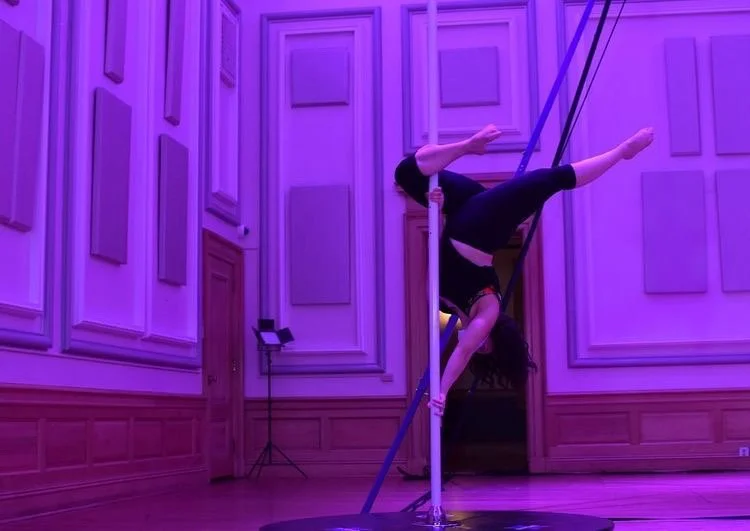
Paulina explains that physical therapy involves “helping someone get back to what they want to do” and “giving them guidance.” Unfortunately, many people are told that they have to quit sports after facing an injury. “Being able to help someone achieve their goals [and] get back to what they really love, it’s just so rewarding,” Paulina says. “I think for me, that’s the best part.” She enjoys being able to create connections and foster relationships with the people she works with, as the PT process can be an incredibly emotional one.
“I think doing preventative work and [focusing on] holistic health and wellness is so important,” Paulina says. “The difference in the longevity of a sport is being able to stay on top of things.” This idea is what inspired Paulina and her partners to start The PATH Rehab & Performance. Paulina and the rest of the providers at The PATH are dedicated to offering a “holistic, evidence-based approach to treat the entire person rather than the diagnosis.” “We want people to come to understand that when they come to us they’re going to be treated as [a] person,” Paulina says, stressing that the team works hard to cultivate a “family” atmosphere.
Within Paulina’s practice, she serves an array of performers in the dance community. Dancers can receive maintenance care, where they undergo preventative injury screenings, as well as traditional rehabilitation PT. Whether individuals are new to dance or seasoned veterans, they’re welcome to receive care. Paulina wants to be a resource for people in the dance community, a beacon of education and service.
Paulina says she thinks that many people don’t fully understand what physical therapy entails, sharing that PT often involves more than just receiving hands-on treatment and possibly 1-2 corrective exercises. Modern PT has much to offer individuals on their road to recovery. Paulina says that many dancers may fear that physical therapists will tell them that they can no longer dance, but she stresses that that’s not her goal as a PT. Rather, her mission is to educate dancers and get them back to doing what they love.
Paulina understands dancers’ hesitations to undergo physical therapy, as historically, PTs weren’t educated on what dance training entails because dancers weren’t perceived as elite athletes. “I think that’s definitely changed and it’s continuing to change,” Paulina says of this misconception.
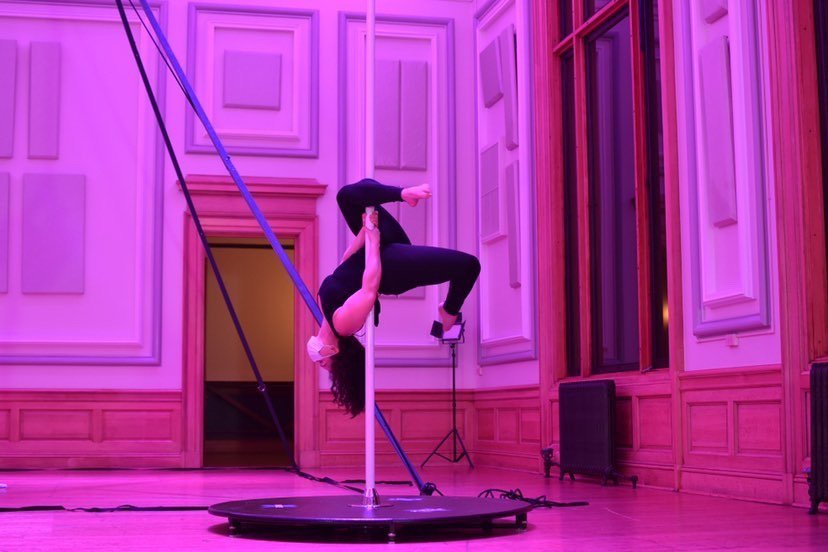
“I’m very passionate about strength training, and implementing that in a form of cross-training for dancers and performing artists,” Paulina says of a change she hopes to see in the dance world. Through her work, she hopes to change some of the stigma behind strength training and teach dancers that it’s a key way of preventing injuries. According to Paulina, holding workshops and seminars to train teachers on how to implement cross-training into their classes will be a useful way to achieve this goal. “I really hope that within my career, I can help start that change, at least in our local community. That would be great,” Paulina says.
ATTENTION DANCE TEACHERS: Dr. Paulina will be a special guest speaker at our next Tea&Tendus Event, Sunday February 13th at 5:00PM, The Green Room, DWC Renton. Tea&Tendus is a free event register below:
Just Graduated High School… Now What?
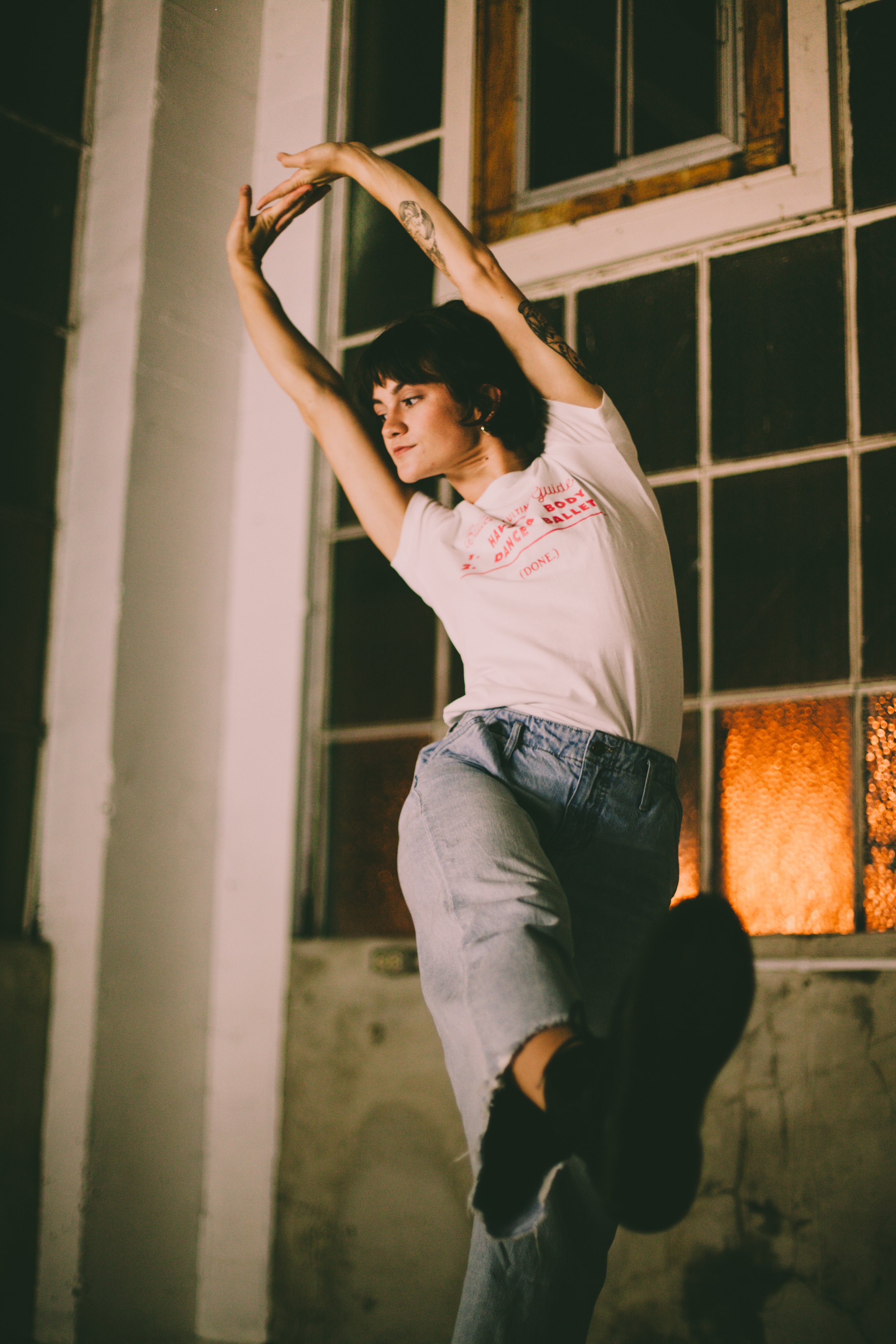
First of all, congratulations! Graduating high school is no easy feat and I’m proud of you for coming this far. The doors of opportunity have swung wide open, and taking the leap might feel daunting, but you are not alone! I’m here to offer some guidance, describe what may lie behind each door, and let you know that you’ve already done so much that has prepared you for this moment.
So many doors, so many unknowns!
Kristina’s Guide to Dance Careers
By Kristina Koumaeva, DWC Ambassador
click below to shop the look:

First of all, congratulations! Graduating high school is no easy feat and I’m proud of you for coming this far. The doors of opportunity have swung wide open, and taking the leap might feel daunting, but you are not alone! I’m here to offer some guidance, describe what may lie behind each door, and let you know that you’ve already done so much that has prepared you for this moment.
So many doors, so many unknowns!
Introducing our imaginary dance-options-post-high-school tree. Did you know that you planted it the very first day you fell in love with dance? With each new class, your roots grew stronger; with each new skill learned, a branch of opportunity sprouted. The best part of this tree is that it is three-dimensional. Just as your roots intersect and overlap, so do the branches of dance opportunities. You may follow as few or as many as your heart desires, and recognize that this tree is evolving and growing with you.
For the sake of this blog post, I’ve identified five tree arms: Commercial Dance, Concert Dance, Continuing Education, Teaching/Choreography, and Freelancing. Keep in mind that this is not a comprehensive list nor are the options mutually exclusive, it’s actually more likely that throughout your dance career, you’ll climb many of these branches and new ones will sprout as your experience grows.
We’ll begin with commercial dance. This industry exists throughout the world, with capitals in Los Angeles, New York, Atlanta, and a handful of cities abroad. This realm consists of commercials, music videos, movies, and tv shows often booked by your agent(s). I’ve linked a few of my recent favorites! Camera work is crucial and auditions/castings will be a regular, weekly, if not daily part of your life.
Concert dance focuses on movement performed in front of audiences, whether with ballet/modern companies or performing musical theater shows on Broadway. The line between concert and commercial dance has blurred over the years, with street styles on the Broadway stages and musical theater in tv shows; dancers find themselves swinging between the two realms often. Concert dance can incorporate a range of styles and isn’t limited to a specific city. Dancers perform on stages worldwide--it’s up to you to choose your stage!
If you are someone who loves learning and creating relationships, teaching/choreography may be a part of your dance journey. Building curriculums, choreographing phrase work, and connecting with students are all challenging but rewarding parts of the process which can be at your local studios, or on a bigger scale such as at dance conventions/competitions, or even online. One of my favorite virtual escapes during the pandemic was online Dance Church. My biggest piece of advice if you’re pursuing teaching is to be humble, stay hungry, and have integrity.
The fourth branch on our tree is continuing education. This one may be obvious because most high schools encourage their students to apply to college. To be a dancer is to be a student forever, whether you decide to “officially” continue your education or not. Dancers can go to a university or conservatory and pursue a dance degree, they can complete training programs/internships facilitated by professionals/veterans or studios in the industry, or they can move to a different state or country and dive into the classes and culture that belong to that unique place.
Finally, we arrive at the freelancing branch--this one is as unique as it gets! A build-you-own-adventure type of path. In a way, it encompasses a lot of the other branches, but it’s unique in that you must build out your path and understand the financial responsibility of freelance work. Examples include creating marketing dance campaigns on social media, modeling for a dance brand (careful or you’ll end up on @modelsdoingballet -- one of my favorite Instagram accounts for a good giggle!), acting/dancing for an entertainment company at live events, etc. This is the “gig” life, always exciting but requires a great amount of patience.

click below to shop the look:
When it comes time to branch out and pursue the dance work you find most fulfilling or interesting, don’t be afraid to ask for help. I’ve found so much comfort in knowing that every dance journey is different yet we all face similar tough decisions. We all feel anxious at times, and the path isn’t always obvious. Even the most successful dancers will tell you that their paths weren’t clear cut. Look to your mentors for inspiration, find podcasts that can guide your thoughts or help with decision making, and read blogs (like this one!) to get the perspective of other professionals in our industry.
Dancers are unique individuals; YOU are a unique individual, and the bottom line is, if you truly love dance and want it to be your career or at least a part of your career, it CAN be--there is room for everyone! Give yourself grace and trust the process, then watch your tree blossom.
If you have any questions about my journey so far or want to chat about your dance tree, please get in touch on Instagram. Cheers!

“Flight Flock” and Intentionality Behind Movement
In our daily lives, movement is a constant occurrence. Whether it’s cars passing one another on the street or people strolling through a park, it seems as though folks are always in motion. What makes dance so special, particularly to Alexandra Sipe, is its process of systematizing this movement and utilizing it to move through time and space with others. Seattle-based artist and instructor Alexandra Sipe opens up about her fascination with this process, along with her dance journey and upcoming projects.
An Interview with Alexandra Sipe
By Madison Huizinga, DWC Blog Editor
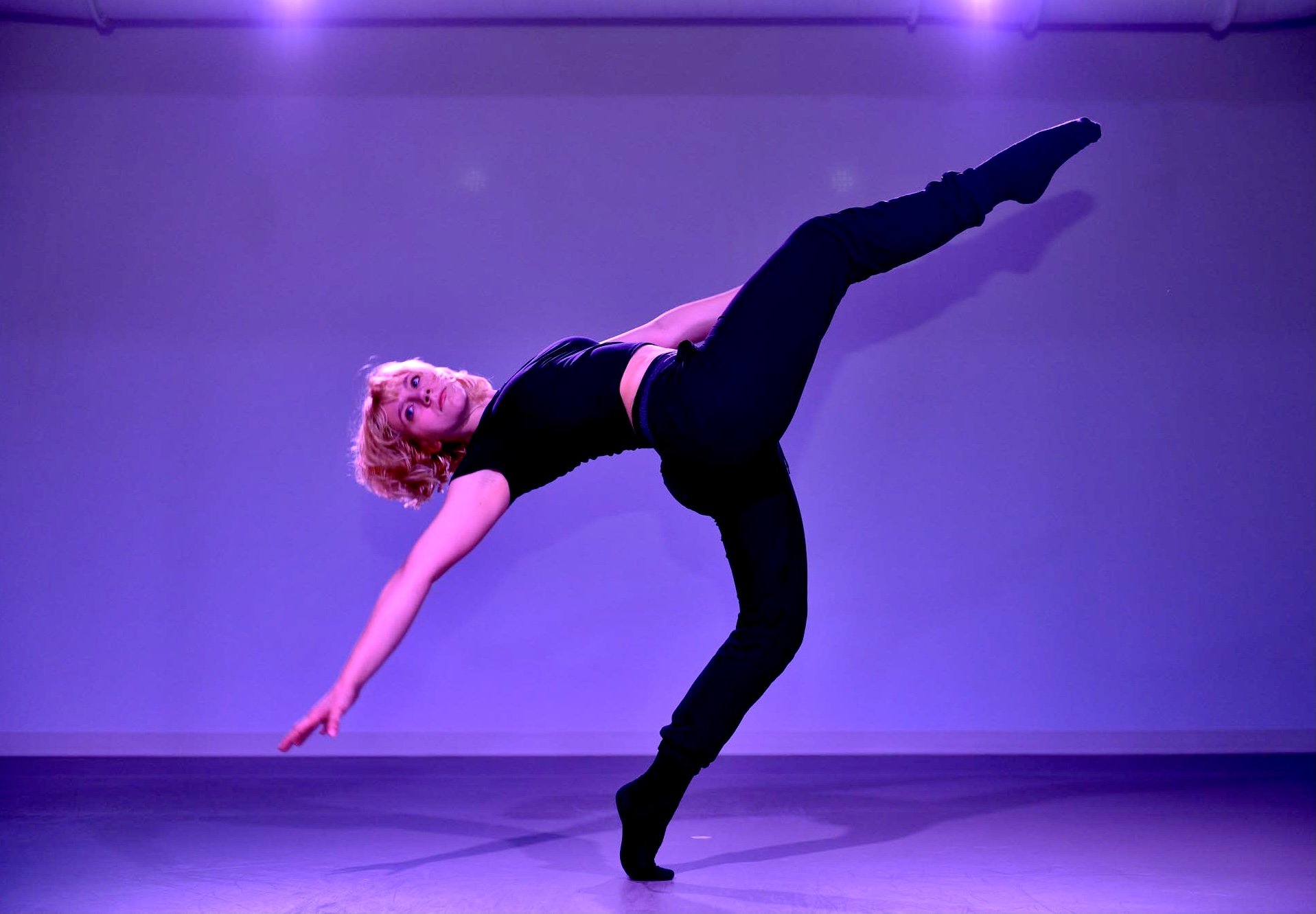
Photo by Kojo Aqua
In our daily lives, movement is a constant occurrence. Whether it’s cars passing one another on the street or people strolling through a park, it seems as though folks are always in motion. What makes dance so special, particularly to Alexandra Sipe, is its process of systematizing this movement and utilizing it to move through time and space with others. Seattle-based artist and instructor Alexandra Sipe opens up about her fascination with this process, along with her dance journey and upcoming projects.
Dance was never an interest for Alexandra growing up, despite her mother having a master’s degree in Dance and teaching it at North Idaho College. When asked, Alexandra would repeatedly declare she would never be a dancer. But this all changed when she happened upon a 1970s recording of Maurice Bejart's rendition of “The Rite of Spring” toward the end of her high school career. She became intrigued and then obsessed with the animalistic movements and her inability to replicate them. Though she started her college years by declaring a major in English, she signed up for modern and jazz technique, eventually adding in ballet and dance composition. By the time she graduated, she had more dance, performance, and choreography credits than English credits and has some regrets about not adding dance as a double major.
Alexandra points out the many benefits she found in starting dance as an adult, including having a greater awareness of her body and being able to take classes from seasoned professors. Alexandra shares that the beginner students she teaches today always comment on what a graceful mover she is, expecting her to have been dancing her entire life. But she always stresses to them that her finesse did not come easily or all at once. “I had to claw my way up,” she shares, describing her experiences taking classes as an adult with teenagers.
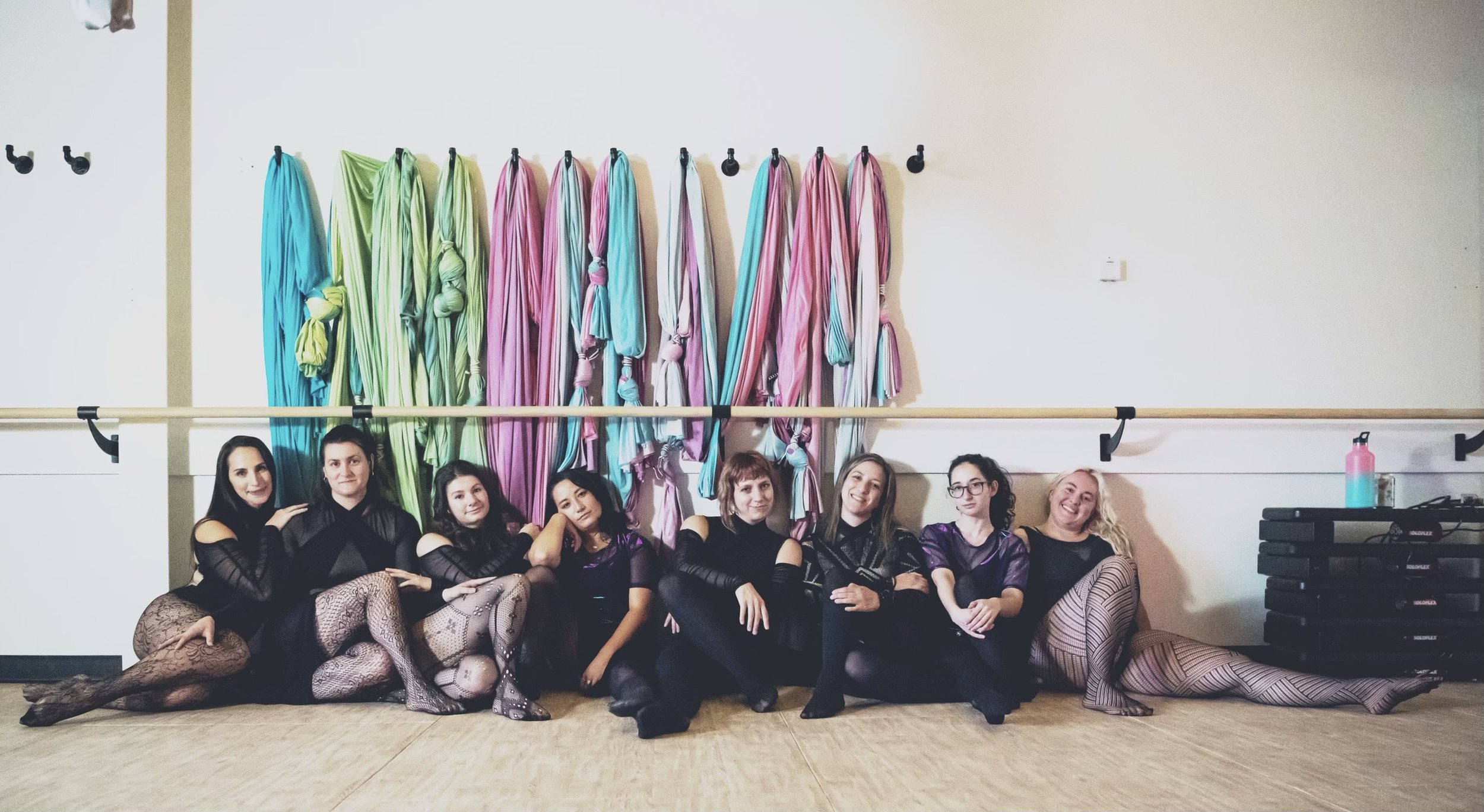
Photo by Marcia Davis
In 2016, she moved to Seattle and began working at a dance studio as an administrator and costume coordinator. She also began dancing with Dancewear Center staff members Samantha Weissbach, Ethan Rome, and Melissa Koh Krienke and working on various projects. Eventually, Alexandra realized that she couldn’t remain sitting at her full-time job; movement is what made her most happy.
Later on, Alexandra got her bungee workout certification, and shortly after, completed her 200 hour yoga teacher certification. She also became the lead bungee instructor, later adding aerial work to her plate as well. “I totally shifted to teaching full-time,” she says, grateful she was able to incorporate more movement into her daily life. Alexandra has also continued to take class and research with the Seattle-based movement project known as Dance Undercurrent, which specializes in floor work. She has performed with Jerboa and enjoyed the partnerwork and improv opportunities. In 2021, she was invited to perform her solo work "Three Vignettes, Unrelated" at Seattle International Dance Festival. When describing her specialty, Alexandra shares that she identifies as a “floor monster,” drawn to grounded movement that takes her down to the floor.
Alexandra describes dance as a way to “be the universe while experiencing the universe.” “The act of moving through time and space” with the addition of other people is “just thrilling” to her. Even though humans are in constant motion around one another in public places, like the supermarket, the nonverbal communication that occurs within a dance space is unlike any other. “You codify the language of [movement] and then you really learn how to speak that language with your body,” Alexandra says. “And then you can do whatever you want with it.”
Alexandra shares that as she’s gotten older, she’s realized that the best times for her as a dancer are within a classroom. While the glitz and glamour of costumes and live performances are exciting, the experience of people coming together to move in a classroom is especially enticing.
One of the biggest challenges Alexandra has experienced in the dance realm is feeling comfortable calling herself a dancer, perhaps a residual effect of achieving technical proficiency relatively late compared to her peers. For a while, particularly after she graduated college, she pondered what she had to do to give herself the label. “There’s this struggle as you’re trying to make a living while also finding a way to continue your craft,” Alexandra shares, reflecting on her post-graduation days. Finding a balance between saying “yes” to dance jobs, while also partaking in dance projects that are artistically fulfilling is another tough balance Alexandra struggled to find. “Finding work that nourishes [me] is the hardest thing right now,” she voices.
Recently, Alexandra has been rather mesmerized by the movement of non-dancers and beginner dancers. Specifically, she’s interested in observing her fitness and yoga students’ curiosity about movement and giving them the tools they need to “be fed by the movement they do.” Alexandra describes the process of watching her students become happier, more efficient movers as “extremely rewarding.” She's been curious about building short movement patterns for her students to explore.
Alexandra is also working on building a teacher training at Flight Room, involving the utilization of floorwork, mid-space, and the upper space in the aerial silks. As an independent dance artist, she's enjoying delving more into her improv practice.
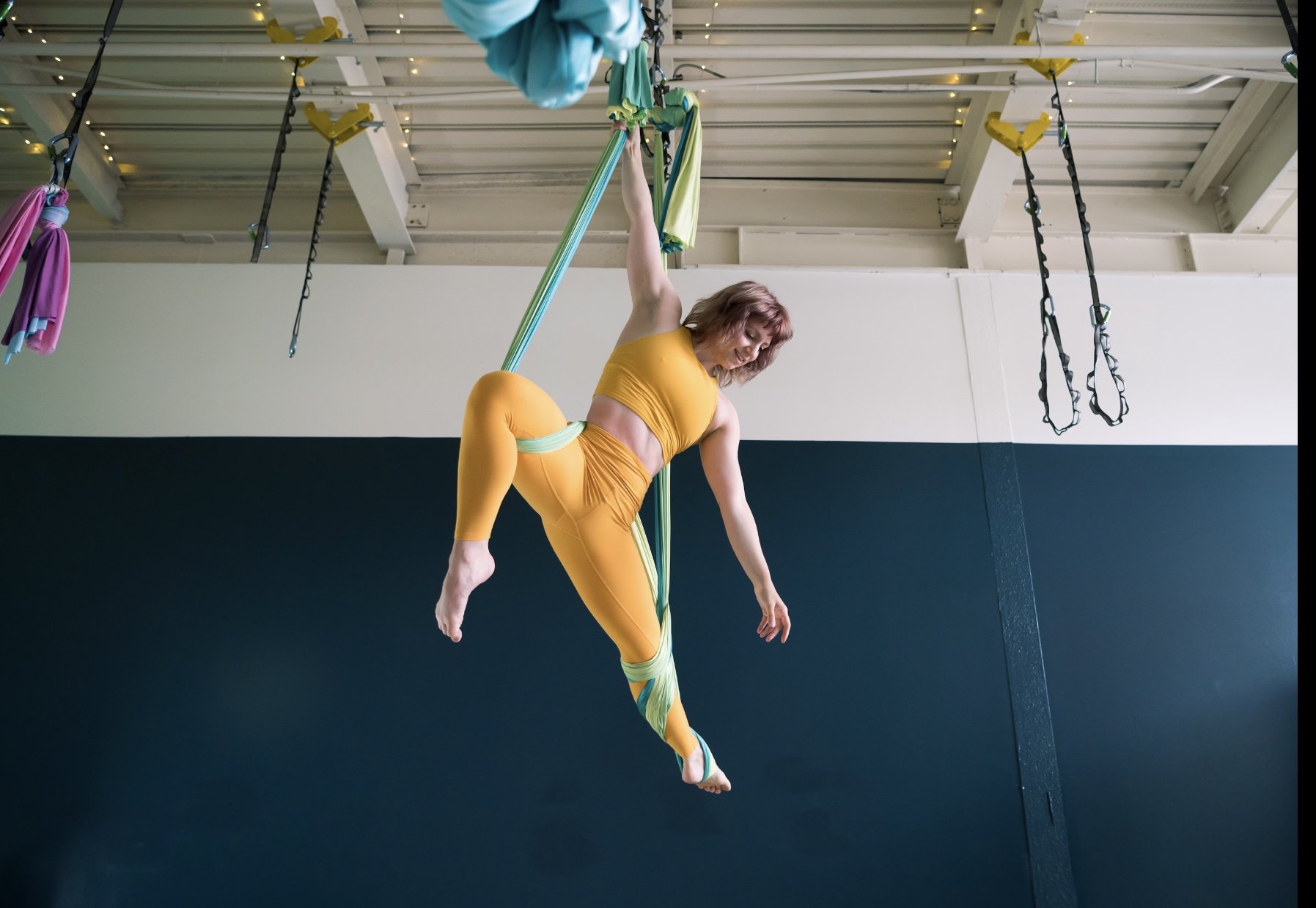
Photo by Marcia Davis
In the summer of 2021, Alexandra created Flight Flock, an aerial dance company of amateur aerial artists. Flight Flock had its first season last summer, featuring a live show with family and friends. She shares that many of the performers had never been a part of a live show before so it was exciting to watch them experience it for the first time. The company is set to start its second season in January of 2022 with a final performance in June. Alexandra shares that she’s received a lot of interest from more advanced dancers to join and says they’re more than welcome, although having some experience with aerial silks is advised.
Moving forward, Alexandra hopes to see dancers become more clear on the philosophy behind their movement. Even if it just means moving to “feel good” or “look good,” getting clear on the intention behind one’s movements can make the experience of dancing and choreographing a much more fulfilling and less egocentric one. “I feel like the most successful choreographers I’ve witnessed are the ones who are less interested in making the dancer move like them and more interested in letting the dancer move like themselves [and] fine-tuning that,” Alexandra says.
Starting Ballet in Adulthood
Starting ballet as an adult can be a terrifying and nerve-racking experience. But it should not limit you from giving ballet a chance because when you look back, it will be worth it.
Coco’s Tips and Tricks for Your First Class!
By Coco Liu, DWC Ambassador

click below to shop the look:
Carmen Wrap Sweater Wear Moi | Hanami Stretch Canvas Ballet Shoe Capezio
Starting ballet as an adult can be a terrifying and nerve-racking experience. But it should not limit you from giving ballet a chance because when you look back, it will be worth it.
My Very First Ballet Class
At a young age, I was able to see quite a few well-known ballets, such as Swan Lake and The Nutcracker. I was just mesmerized by the dance form itself, I never truly understood how difficult and technical ballet was. It took several months of taking ballet classes that I truly grasped the difficulty. To this day, I still remember stepping into my very first ballet class. It was winter of 2018, I found a beginner ballet class at The Ballet Studio in University District. The moment I stepped into the classroom, I felt like I didn’t belong. The studio was wooden-floored, the barre and mirrors were a bit outdated, a pianist was sitting in the corner of the studio, and several students were already stretching by the barre. The teacher, Renzo, came up to me and introduced himself: “Is it your first-time doing ballet? Just follow along!” Renzo asked me to stand in between some experienced students so I had someone to refer to on both sides. We then started the class. Throughout the class, Renzo used ballet terminology in French and my brain just went, “sorry Tendu what?” I tried to copy whatever Renzo was demonstrating, but was not able to focus on my form. I didn’t know what I was doing. At the end of the class, I honestly felt a little bored and did not think ballet was physically challenging, simply due to my lack of knowledge in ballet technique and lack of preparation for my first class. Since I was determined to dance ballet in the center, I wanted to give ballet a shot for at least a month. After gaining more understanding of the technical aspects of ballet a month later, I realized how difficult it is.

click below to shop the look:
V-Back Pink Tank Leotard by Capezio | Bullet Pointe Skirt by Bullet Pointe | Hanami Stretch Canvas Ballet Shoe by Capezio
How to Prep and What to Expect For Your First Class
Here are some tips I wish I would have known before attending my first ballet class.
Learn basic terminology, for example:
Turnout: feet are pointed more to the sides of the body than the front and legs are rotated outwards
Tendu: working leg is extended along the floor until only the tip of the toe remains touching the floor
Plie: knee bending; used in jumps and turns to absorb shock
Eleve: lifted up; rise to stand on the balls of your feet
Watch some Youtube videos from the comfort of your home
Be patient!
I went back home and reflected on my first class then decided to do some research on my own about basic ballet techniques. I watched hours and hours of YouTube videos on basic techniques like tendus, plies, arm positions, etc. I wish I had some of these basic terms in my back pocket before going into my first class. Ever since then, I would watch a couple of new technique videos before attending ballet classes.
Here are three Youtubers I watched:

click below to shop the look:
I started truly loving ballet after learning the basic vocabulary and having some understanding of how to use my muscles correctly. Then, when I attended classes, all the basic movements became so much more interesting and challenging because I was able to focus more on muscle movement.
Introduction to ballet can also be quite boring because all the movements are slower and smaller. But these basic movements are crucial for building the correct muscle for all the big jumps, turns, and fancy movements you will get to do down the line. So being patient at the beginning is key!
How to Make Progress
One of the main practices that helped me was to set a weekly or biweekly goal. For example, I wanted to have a better second position arm placement at the barre and in center. Then, for the next week or two, I would constantly make mental checks on my arms at the barre and in center to make sure I was engaging the correct muscles and training my body to remember this position. By repeating this, my body would eventually build the correct muscle memory so it can hold the position without me giving it too much thought. Then, I would focus on something else. I have been using this technique for the past 3 years and have been very happy with the progress.
Set Your Expectations and Goals
Imposter syndrome in the dance community hits me quite hard. Whenever I browse Instagram or watch a professional ballet performance, I always wish I could be more like the professional ballerinas. But realistically speaking, I was not able to train at a young age, I am not able to dance every single day due to my full-time job, and the list goes on and on. As someone who began dancing as an adult, it would be very difficult for me to have super-high extensions, out-of-this-world flexibility, or do thirty fouetté turns, so it is important to set our own goals and create our own challenges. Ballet has become an important aspect of my life and a passion I would never give up. Dance can still bring us so many benefits in our life, such as providing us with a safe space to express ourselves, becoming healthier, stronger, and more confident, and building a supportive community that shares the same passion as us.
If you are reading this blog post and have some desire to try ballet, please don’t hesitate to try a class! I would strongly encourage anyone to step out of their comfort zone and give dance/ballet a chance. I currently dance at Dance Underground with 2ndActDance and also teach a beginner class that focuses on fundamental movements and muscle usage so dancers can move to the next level with a strong foundation. Feel free to reach out to me on Instagram @x.co.x.co.x or visit our website at https://www.2ndactdance.com/


Interested in writing for the DWC Blog? Click below to fill out the DWC Contributor application!