Decoding Cues & Restorative Conditioning
Zoe Geiger, PT, DPT, CSCS On Her Experience with Dance and Physical Therapy
By Madison Huizinga, DWC Blog Editor
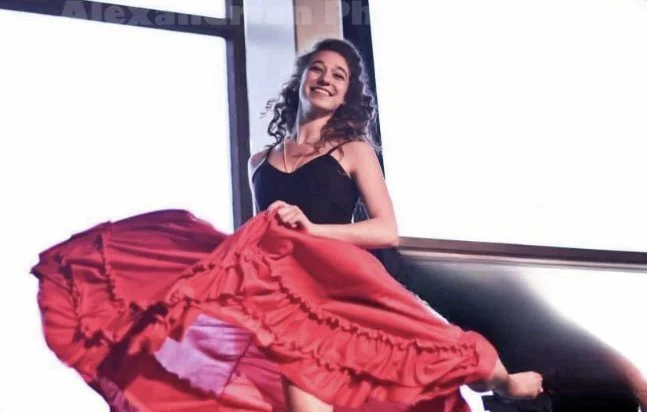
Photo by Alexandrian Photography
There are many unspoken assumptions in the dance world, one of which is that dancers don’t need to put in work outside of the studio. However, conditioning and engaging in other complementary activities can make a world of difference when it comes to dancing with resilience and avoiding injuries. Zoe Geiger, PT, DPT, CSCS chats about her dance experience, the importance of restorative conditioning, and her upcoming appearance at Tea & Tendus at DWC Renton on April 10, 2022.
Zoe began dancing around three years old in a classic ballet/tap class in the Seattle area. She also experimented with other sports including gymnastics, ice skating, and soccer. While playing soccer, she found herself gravitating to the position of sweeper because she could practice leaps and cartwheels while the ball was on the other side of the field. It became clear to Zoe that her heart was largely in dance, and she found her place at a local studio.
Zoe continued dancing throughout high school and college. After somewhat of a hiatus during graduate school, Zoe has been taking classes more frequently and feels like she’s “rediscovering [her] place in the dance community.”
“Dance has always given me a place to just escape the world around me and submerge myself in the joy of movement,” Zoe says of what she loves about dancing. Dance helps her feel grounded and connected with her body. “I don’t have to have a studio, I don’t have to have shoes. I can just dance around my living room and feel better,” Zoe smiles.
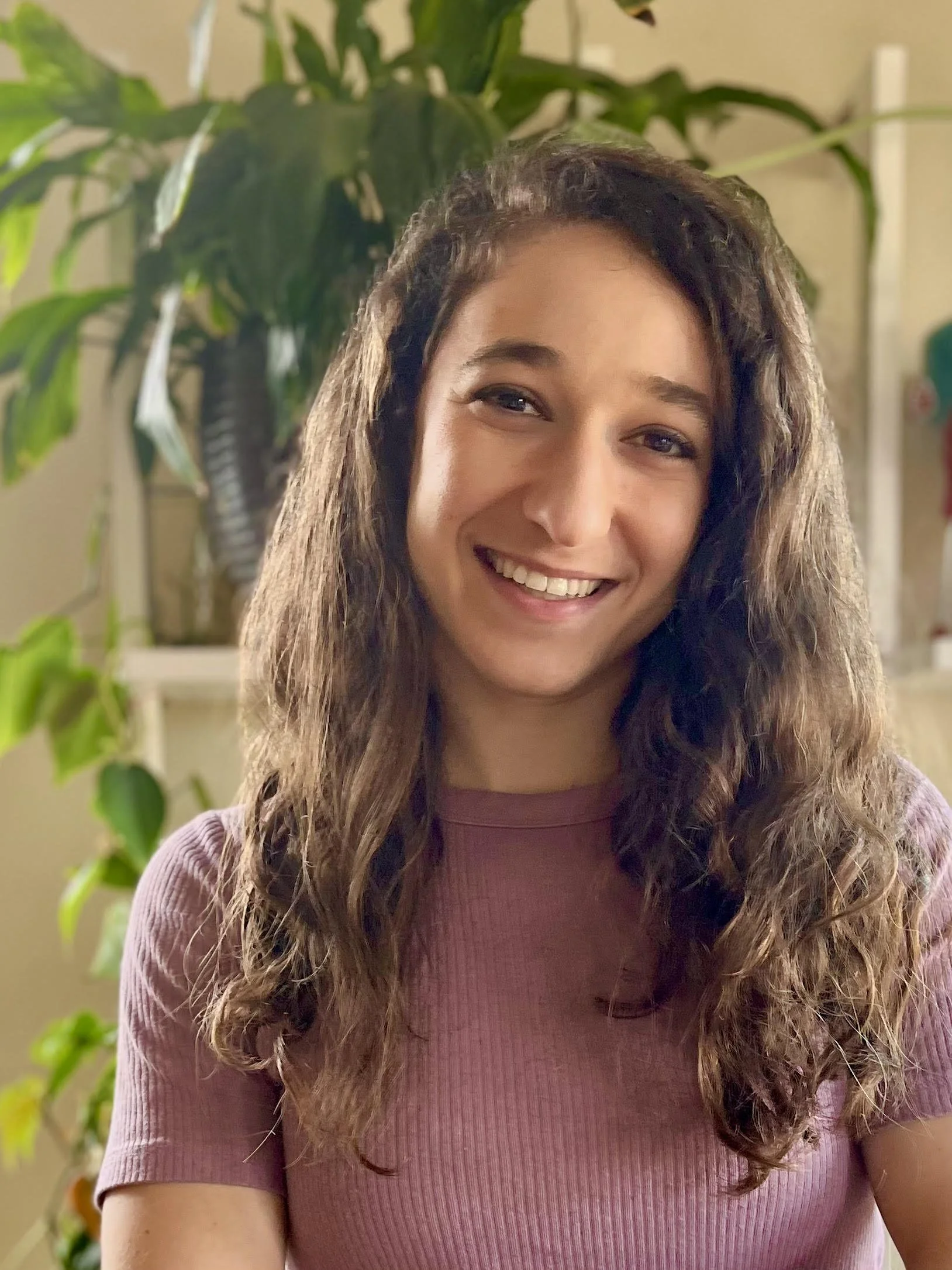
Photo by Best Sister Photography MJR
When Zoe started visiting a physical therapist for a knee injury in middle school, she says it changed her relationship with her body and with dance. She quickly became fascinated and interested in pursuing a career in PT. At first, she was unsure whether she wanted to treat dancers because dance had always brought her joy as an escape. But as she started working with Henry Lu at Velocity Physiotherapy, the joy from the studio was alive in the clinic. Today, she’s been working with dancers and others as a physical therapist for about a year and a half, alongside in the Seattle Public Schools.
Zoe recognizes that she’s been privileged to have a supportive dance community for most of her life. However, something she felt was missing was access and emphasis on strength training and other injury prevention strategies. Growing up, Zoe didn’t think exercise outside dance was necessary. But as she has learned more and started strength training on her own, she found herself feeling more grounded when dancing, seeing the benefits of putting in work outside the studio. She is happy to see more educators advocate for strength training outside the studio today and hopes to see more of it in the future.
Zoe encourages dancers to ask people in the dance community for recommendations for conditioning and injury prevention resources. Velocity Physiotherapy is also working on creating restorative conditioning programs designed for dancers. Zoe also shares that personal training or even finding another sport to play alongside dancing, such as swimming or soccer, can help supplement a dancer’s training.
Moving forward, Zoe hopes to see dance become more accessible. “I would love to see more classes that offer experiences for kids with disabilities,” Zoe voices. In addition, making dance classes available to families of all incomes and those living in rural and urban areas alike is an extremely important part of increasing dance accessibility. Zoe shares that part of the solution could be offering dance in public schools, where children could experience dance in a setting they already frequent without financial burden. Even amending the dress codes that dance classes require could open up the door for more children and adults to feel comfortable and excited about dance.
Zoe is enjoying rediscovering dance in her personal life and is drawing from her own experiences to provide better treatment for others. She’s looking forward to dancing en pointe again, in part to help her many clients who dance in pointe shoes. She’s looking forward to diving more into continuing education and professional development this summer to learn more about dance accessibility and public school education.
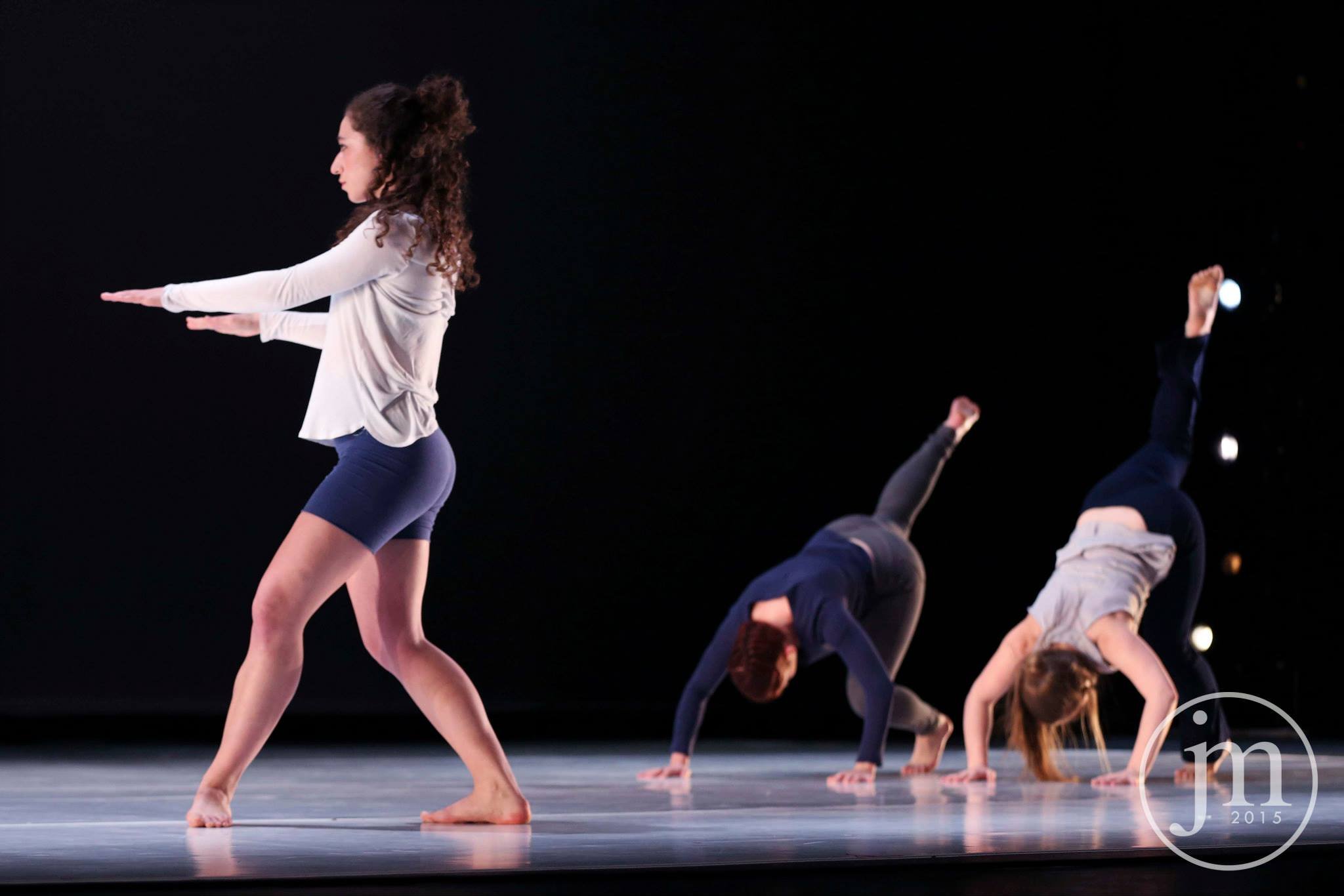
Photo by JMWorks
Zoe is also thrilled to be a guest at Dancewear Center’s next Tea & Tendus on April 10, where she will be discussing “decoding cues and restorative conditioning.” Specifically, Zoe will be talking about how to make the “cues” dance instructors provide more helpful for more dancers. It’s important to find new ways to share the same information, as the same cue isn’t helpful to all dancers.