

My Dance Story: Musings About What I Have Learned Through the DWC Ambassador Program
One of the main reasons I wanted to become involved with Dancewear Center was to learn more about the many dancers, groups, studios, etc. that are located in the greater Seattle area. At this time I cannot even say I’m at the tip of the iceberg because I am just at the beginning of learning about the dance community here. I am grateful to be able to follow the web of connections through Dancewear Center sharing people, their activities, and more online. This sliver of a glimpse into the world of creativity, lovers of dance and unique perspectives that are literally all around us has inspired me.
By Jeanne Robson, DWC Ambassador | pronouns: she/her

One of the main reasons I wanted to become involved with Dancewear Center was to learn more about the many dancers, groups, studios, etc. that are located in the greater Seattle area. At this time I cannot even say I’m at the tip of the iceberg because I am just at the beginning of learning about the dance community here. I am grateful to be able to follow the web of connections through Dancewear Center sharing people, their activities, and more online. This sliver of a glimpse into the world of creativity, lovers of dance and unique perspectives that are literally all around us has inspired me.
What I did not expect from this experience as a Dancewear Center Ambassador is how much I would learn about myself. I was motivated to apply for this adventure out of a want for personal growth and to practice stepping out of my comfort zone. This would be an opportunity to move past just following the train track of my daily schedule and interacting with only the people in my fairly small community. The thing about new territory, though, is that it is new.
My experience started with a simple request. ¨Tell us your dance story.¨ Ummmm. So much reflection… What stories do I have? What stories do I want to tell? What stories might others be interested in? How long has it been since I shared my story from start to present day?
I do not remember starting to want to dance, I just always did. There was so much to love about it. The physical feeling of movement. The music. The logical and the illogical. I also had pain, both physical and emotional, as did so many of the dancers I was surrounded by. We experienced so many unknowns in our day to day lives and in the predicting of our future, yet, there were no doubts about our love of dance. Then, I fell out of love. Why would a person keep repeating physical movements that cause tendonitis and permanent joint damage stay in a world where negative body image is seemingly inescapable, and emotional support for dancers feels non-existent?
20 years ago I was asked to sub a ballet class. This led to more classes. I never thought I would become a dance teacher, and at first I jokingly called it my art therapy. I thought of it as a way of working through my issues with dance. It turned out my body and my soul still loved to dance. I fell back in love, and to this day I’m still teaching.
In the beginning of my teaching career, I did my best to think back to what I had learned at specific ages and to follow the progressions I remembered. As I taught more, I remembered more and I began to realize how fortunate I had been. I had received so much knowledge and training from so many dancers, teachers, and performers at a very young age. The incredible benefits of living in New York City with its rich cultural arts landscape did not truly register for me because I just thought of NYC as my home town, as one does wherever they are growing up. I was able to see so many theater and dance performances (thanks to my parents!) which very much informed my education.
It took several years, but the more I taught, the more I started to have an understanding of the words I had often heard about how we have a responsibility to share and pass along knowledge that is given to us. In addition, I realized that as I shared teachings with my students, I had my own breakthroughs and insights about the material. This gave me a strong foundation from which I could add my own interpretation and still be true to my training and what I want to pass on.

I was trained in classical ballet and modern (specifically Horton technique). To me it always seemed natural that different forms of movement techniques could and did support each other. I have always been interested in the study of anatomy and body mechanics, and have sought out current studies and information about the human body, including physical movement, nutrition, brain function and more subtle energy work. My current love is the work of synthesizing the old and the new. By this I mean the integration of new information and insights from movement science with the understanding and remembering of the traditions of the art of dance- the pairing of the logical and the illogical.
Now I have a new chapter to add to my dance story. I use the phrase ¨such an honor¨ when describing the experience of being a DWC Ambassador, because I truly feel this way. In the past several months I have begun learning about social media, the tech that goes along with communication in this media, and the current dancewear styles and products that are available. Without this opportunity, I would not have the guidance and support to learn these skills within a context that is meaningful and important to me. In addition, I have had the ability to experience these dance products personally.
Within DWC I have been working specifically with two people who have impressed me so much with their ability to hold a positive and inspirational vision for dance and dancers and to also keep the details of everyday life in order - like being dancers and running a business! They have permanently inspired me to continue learning about and growing my own web of connections in the dance and art world. I'm excited to see what is next along this path.
Thank you Dancewear Center! ❤️
“My current love is... the integration of new information and insights from movement science with the understanding and remembering of the traditions of the art of dance- the pairing of the logical and the illogical.”


What Doing Different Types of Dance Has Taught Me
I started dancing at what some would consider a “late” age, when I was 15 years old.
I often wonder what it would have been like if I hadn’t started with ballet. If I had started with hip hop or jazz or freestyle would I still feel like I had started late and that I wasn’t good enough, or is that just the nature of ballet? We’ve always heard that if you don’t start learning the technique when you are three years old, you will never be successful. Is it the same for other styles? Or was it the pressure I put on myself? Would the insecurity have been different? I guess I’ll never know. I’m glad I was able to move on and find what was a good fit for me.
By Bethany Lynch, DWC Ambassador | pronouns: she/her

I started dancing at what some would consider a “late” age, when I was 15 years old.
I often wonder what it would have been like if I hadn’t started with ballet. If I had started with hip hop or jazz or freestyle would I still feel like I had started late and that I wasn’t good enough, or is that just the nature of ballet? We’ve always heard that if you don’t start learning the technique when you are three years old, you will never be successful. Is it the same for other styles? Or was it the pressure I put on myself? Would the insecurity have been different? I guess I’ll never know. I’m glad I was able to move on and find what was a good fit for me.
I am now 25 which means it’s been 10 years since I started dancing. I have had the opportunity to try out many different styles of dance, some for longer than others, but regardless, here is some of what each style has taught me.
Ballet
Ballet has always had the reputation of being super strict, vigorous, and dare I say at times toxic. While I think a lot of this is true, I believe each type of dance is more than the specific style, but also the people and community within the genre. A lot of the times the things that make us continue with or quit dance are the environments and the people in them.
Though I only had a few years in high school at the studio I first started at, I feel lucky to have had a very kind and supportive person as my first teacher. One thing I remember specifically from her was her emphasis on safety. People complained when she wouldn’t let their kids en pointe at a certain age, but she was very careful and honest about one’s strength and ability and if she didn’t think it was safe, she wouldn’t let them join the class. This also helped me realize that age wasn’t an indicator of skill level and that it’s important to be patient. Another thing that ballet has taught me is the importance of repetition. It can be boring and grueling, but building that “muscle memory” has helped me tremendously in my dance now. From learning basic, foundational steps (ex. pas de bourrée, plié, etc.) and the vocabulary along with them, I’ve been able to translate this knowledge into the other types of dance I do. Although I have so much to thank ballet for and it has taught me so much, it also taught me that ballet is not for me - it wasn’t designed with bodies like mine in mind. Though my overall experience was positive, I still faced issues that many other young girls and women face. I felt insecure with my body and discouraged because I didn’t start dancing at a younger age.
Contemporary
Though I took some contemporary classes in high school, I feel like I didn’t start understanding or exploring this dance style until I was in college when I decided to study dance. I remember the first time I was in class and they wanted us to IMPROV. I was absolutely terrified and didn’t know what to do. But, my teacher gave me encouragement and an ever changing array of prompts: open ended questions, explorations, words, emotions, textures, colors, partners to dance with; until eventually movement would flow and after a few sessions I really enjoyed improving. Contemporary taught me that it’s okay to be weird, and that not everyone is going to look the same when dancing, even if they are doing the same choreography. Contemporary has technique but is less strict than ballet and allows our movement to be more free-form. Contemporary is also the first style I started choreographing in. It helped me find ways of moving that I love and how to listen to music, feel the sun on my face, play with shadows, do the opposite of my instincts, and so many other ways to follow inspiration and move creatively.
Hip hop Choreography
I had been watching videos of hip hop inspired choreography for years until I finally took a class. I started this style of dance when I was in college but truly feel I didn’t start learning, training, and growing until this past year - my first year out of college. I think hip hop has taught me more discipline than any other type I’ve done before. I’ve learned that for each class I take, I get out of it however much energy I put in. This type of choreography has taught me musicality, choreo retention, what it really feels like to go “full out”, history, how important it is to recognize where different dance styles come from, and just like ballet, how important and valuable it is to know the basics and foundations.
K-pop
If there is one thing doing K-pop dances has taught me, it’s how to HAVE FUN. I have listened to the music genre since I was 10 years old and dancing to K-pop has shown me what it’s like dancing to music you really, really love and how energizing it can be. The fun I have when dancing in this style has allowed me to feel carefree and given me the ability to add facials into dance, which then, in turn, helped me with hip hop. Another unexpected skill K-pop dances has given me is the ability to learn choreography and formations from just a video. Most of the time you don’t get a teacher when learning K-pop dances. It’s you, your laptop, and the mirroring feature on YouTube! I have improved my visual learning and ability to switch movement from one side to the other.


Overall, doing so many types of dance has taught me that all dance is connected. Right now I am taking a class in a contemporary technique that focuses on floorwork and inversions, and a lot of the technique is reminiscent of breaking and some breakers even come to the class. I would be struggling in hip hop if I hadn’t built my foundations by learning things like a pas de bourrée. A lot of K-pop choreography takes inspiration from hip hop and hip hop helped me realize that when I’m covering K-pop dances, I don’t have to look exactly like the girl/boy group dancing, I can make it my own. The most important thing I’ve learned however, is that no matter what type of dance you choose to explore, it’s okay to be a beginner. It’s okay to mess up and it’s okay to have off days, because ultimately failure is a sign of growth.
“It’s okay to mess up and it’s okay to have off days, because ultimately failure is a sign of growth.”


Storytelling in Classical Ballet: Balancing Tradition and Innovation
Classical ballet for me has always been more than just dance. It's about telling powerful stories through movement, music, and emotion. In a world where people flock to sports arenas to root for their favorite teams, drawn by the drama of good versus evil and the thrill of having a stake in the game, ballet offers a similarly captivating experience through its storytelling. Why can’t we seem to bring people to our theaters in the same masses? For audiences both seasoned and new to ballet, the narrative element is key to creating a connection. I believe that storytelling is the bridge that can make ballet accessible and engaging for everyone.
By Abby Jayne DeAngelo, DWC Ambassador | pronouns: she/her

Classical ballet for me has always been more than just dance. It's about telling powerful stories through movement, music, and emotion. In a world where people flock to sports arenas to root for their favorite teams, drawn by the drama of good versus evil and the thrill of having a stake in the game, ballet offers a similarly captivating experience through its storytelling. Why can’t we seem to bring people to our theaters in the same masses? For audiences both seasoned and new to ballet, the narrative element is key to creating a connection. I believe that storytelling is the bridge that can make ballet accessible and engaging for everyone.
Classic ballets like "Swan Lake," "The Nutcracker," and "Giselle" have stood the test of time, enchanting audiences with their timeless stories of love, magic, and tragedy. These narratives, much like epic sports rivalries, offer clear stakes and emotional investment. Modern productions should bring fresh perspectives to these classics by updating staging, costumes, and choreography while preserving the original essence. In this context, the essence of classical ballet refers to the foundational elements that define the art form: the rigorous technique, the expressive choreography, the emotive music, and the rich, narrative-driven performances. To me, the essence of classical ballet is about the seamless blend of athleticism and artistry, the ability to convey profound emotions and stories through precise, graceful movements, and the dedication to a tradition that has inspired countless dancers and audiences over centuries. This balance of tradition and innovation should help keep the magic of these stories alive for new generations of ballet enthusiasts, however reviving the classics can also be a double-edged sword.
While these productions maintain the rich history and technique of classical ballet, they can sometimes fail to attract new, diverse audiences who might find the themes outdated or less relevant. In our pursuit of diversity, equity, and inclusion, we must acknowledge that simply reviving the classics may not be enough to broaden ballet's appeal.
As ballet evolves, the introduction of new narratives becomes crucial. Just as new sports seasons bring fresh excitement, contemporary ballets with original stories can captivate audiences with novel themes and characters. Contemporary ballet often leans into the abstract, leaving much of the interpretation up to the audience. While this can be compelling and deeply moving, it may not always be the best way to draw in new patrons who lack prior exposure to dance. These abstract performances, although artistically significant, can sometimes feel niche and incomprehensible.
“In our pursuit of diversity, equity, and inclusion, we must acknowledge that simply reviving the classics may not be enough to broaden ballet’s appeal.”
To truly diversify and include audiences from all walks of life, ballet needs to strike a balance. We must move beyond the classics without abandoning storytelling entirely. Storytelling is a universal language that captures attention and fosters emotional connections, making it a compelling tool to engage diverse audiences.
I am the Owner & Artistic Director of Adage Ballet Academy (ABA) in Seattle, WA, and we recently announced that we are working on a new full-length, three-act ballet titled "The Magic Mirror," which will be choreographed by my husband, ABA Ballet Master & Choreographer, Guillaume Basso. This original work, scored by award-winning composer Bob Ingalls, promises to be an enchanting addition to the ballet repertoire, appealing to both young and old alike. Guillaume’s unique international approach, honed through his work with the Paris Opera Ballet, The Joffrey Ballet, and Pacific Northwest Ballet, ensures that "The Magic Mirror" will envelop the audience in the joy, anguish, and excitement of this enduring story.
"The Magic Mirror" weaves a rich tapestry of drama, humor, and sensitivity, making it an engaging addition to the ballet repertoire. Inspired by Alexander Pushkin's poem "The Tale of the Dead Princess and the Seven Knights" and the Brothers Grimm fairy tale "Snow White," the story of “The Magic Mirror” ballet is in some sense a revival attempt of old stories but with an original and fresh narrative spin that has never been adapted for classical ballet. This new story inspired by the classics, contains themes that will resonate deeply with modern audiences.
Jealousy and Vanity: The Queen's envy of the Princess’ beauty drives the narrative, highlighting the destructive nature of jealousy and vanity.
Redemption and Forgiveness: The Nurse’s decision to spare the Princess showcases the power of compassion and the possibility of redemption.
Good vs. Evil: The moral battle between the pure-hearted Princess and the malevolent Queen reinforces the classic theme that good ultimately triumphs over evil.
Love and Sacrifice: The Prince's quest and his kiss that revives the Princess exemplify true love and the sacrifices made for loved ones.
Nature and Transformation: Characters like Frost and Spring symbolize nature's forces and the cycles of transformation, emphasizing renewal and change.
Community and Support: The dwarfs’ efforts to protect the Princess highlight the importance of community and solidarity in overcoming challenges.


Through the universal themes of "The Magic Mirror" — from the destructive power of jealousy to the redemptive possibility of forgiveness, the triumph of good over evil, and the transformative force of nature — audiences will find themselves deeply connected to the narrative. We are excited to present characters and stories that resonate deeply, using powerful storytelling tools like pantomime. This often underutilized art form allows us to communicate intricate emotions and stories through expressive body language, making the performance more relatable and comprehensible to new viewers.
We plan to produce the 1st act in its entirety next May, 2025, followed by the premiere of the complete ballet in 2026. As we prepare for the curtain to rise on "The Magic Mirror,” our aim is to capture attention and foster emotional connections through this new ballet. By blending classic and contemporary elements, we strive to make the profound art of ballet accessible and engaging for everyone. This production’s contemporary score, written to appeal to diverse audiences, along with its plot brimming with drama, humor, and sensitivity, ensures an enriching experience for all attendees.
As a private academy with a modest amount of student dancers, our goal is to offer an accessible yet profound experience through our productions such as “The Magic Mirror.” Its combination of classic and contemporary elements, along with its engaging characters and emotional depth, makes it an ideal production to attract and captivate a wide audience. I absolutely cannot wait for audiences to see what we have been working on, and I am honored to be a part of this process and production as my way to make a small impact on the greater ballet community. In bringing "The Magic Mirror" to the stage, we are making a deliberate effort to connect with our community on a deeper level. By weaving in contemporary relevance with traditional beauty, we hope to create an unforgettable experience that invites everyone to find delight, heartache, and enthusiasm in the world of ballet.
“By blending classic and contemporary elements, we strive to make the profound art of ballet accessible and engaging for everyone. ”


Staying Active During Summer Break
Summer break is an essential time for dancers to rest and recover from their rigorous schedules' physical and mental demands. However, staying active during this period is crucial to maintaining fitness, flexibility, and overall well-being. Here’s how dancers can balance rest and activity effectively.
By Faith Potter, Former DWC Ambassador | pronunciation: Fay-th Pot-ter | pronouns: she/her

Summer break is an essential time for dancers to rest and recover from their rigorous schedules' physical and mental demands. However, staying active during this period is crucial to maintaining fitness, flexibility, and overall well-being. Here’s how dancers can balance rest and activity effectively.
Over summer break dancers will likely be taking master classes and intensives to improve their skills by learning from other teachers. A crucial thing to think about is scheduling, leaving time for rest between intensives and the regular dance season. During these rests, athletes should be performing what is called active rest. Active rest activities are easy things to keep your body moving that don’t push you as hard as in the normal season. These activities include going on a hike, walking, or running - even doing chores around the house counts too.
Summer also offers an excellent opportunity for dancers to explore new dance styles they may have yet to have the chance to partake in during their regular schedules. Experimenting in different genres, such as contemporary, hip-hop, jazz, character, or even cultural dances like salsa or ballet folklorico, can broaden a dancer's skill set and enhance their creativity. These new styles not only keep dancers engaged and challenged but also help improve versatility, which is an invaluable trait in the competitive dance world. Trying out different dance forms can also reignite passion and motivation, offering fresh perspectives and new techniques that dancers can incorporate into their primary discipline.
In addition to physical activities, summer break is an ideal time for dancers to focus on their mental wellbeing. Practices like yoga and meditation can be incredibly beneficial, helping dancers cultivate mindfulness, reduce stress, and improve concentration. These practices encourage a holistic approach to health, emphasizing the importance of mental rest alongside physical recovery. Mindfulness exercises can enhance body awareness, leading to improved performance and a reduced risk of injury. Additionally, engaging in creative activities like journaling, painting, or music can provide a mental outlet that contributes to overall well-being and creativity. The extra time that summer offers presents dancers with an opportunity to partake in things they may not normally have time for during a regular season, or to pick up new hobbies altogether.
“Practices like yoga and meditation can be incredibly beneficial, helping dancers cultivate mindfulness, reduce stress, and improve concentration. These practices encourage a holistic approach to health, emphasizing the importance of mental rest alongside physical recovery”
Even during a break, maintaining core strength and muscle conditioning is crucial for dancers. Simple exercises like planks, squats, and resistance training can keep your body strong and ready for the demands of dance when the new season begins. Pilates is particularly effective for dancers, as it focuses on core stability, flexibility, and controlled movements. Stretching should be a consistent part of a dancer’s routine, even during rest periods. Incorporating daily stretching and mobility exercises can help maintain flexibility and prevent stiffness. Practices such as foam rolling and dynamic stretching can also aid in muscle recovery and prepare the body for more intensive activities. Be aware of when you are stretching as well. To warm up the body and prevent injury, dynamic stretching before your activity or dancing is recommended, and to cool down and help improve flexibility, static stretching after your activity is done for the day is recommended. The timing of when you stretch and engage in mobility exercises has different purposes to aid the body. Which one you choose will differ based on personal goals and stretching techniques, so consult a physical therapist or personal trainer who specializes in dance to help you create a plan for yourself.
Even during a break, maintaining core strength and muscle conditioning is crucial for dancers. Simple exercises like planks, squats, and resistance training can keep your body strong and ready for the demands of dance when the new season begins. Pilates is particularly effective for dancers, as it focuses on core stability, flexibility, and controlled movements. Stretching should be a consistent part of a dancer’s routine, even during rest periods. Incorporating daily stretching and mobility exercises can help maintain flexibility and prevent stiffness. Practices such as foam rolling and dynamic stretching can also aid in muscle recovery and prepare the body for more intensive activities. Be aware of when you are stretching as well. To warm up the body and prevent injury, dynamic stretching before your activity or dancing is recommended, and to cool down and help improve flexibility, static stretching after your activity is done for the day is recommended. The timing of when you stretch and engage in mobility exercises has different purposes to aid the body. Which one you choose will differ based on personal goals and stretching techniques, so consult a physical therapist or personal trainer who specializes in dance to help you create a plan for yourself.
This time is also perfect for dancers to set personal goals and work on individual growth. Whether it's mastering a specific move, increasing stamina, or improving technique overall, setting clear, achievable goals can provide motivation and a sense of direction. Dancers can use this time to focus on areas they want to grow in, setting small milestones and celebrating progress along the way. Personal goals also encourage self-discipline and dedication, helping dancers stay connected to their passion and purpose. By the end of the summer, dancers can reflect on their achievements, which can boost confidence as they return to their regular dance schedules.

Nutrition and hydration play a critical role in a dancer's ability to stay active and healthy during the summer break. With increased heat and physical activities, it’s vital to maintain a healthy, balanced diet to support energy levels and muscle recovery. Staying hydrated is equally important, especially during the summer. Dancers should ensure they drink plenty of water throughout the day and consider electrolyte-rich drinks if they are engaging in high-intensity activities to replace lost minerals and maintain optimal performance. It is essential to give your body the necessary fuel it needs for both training and recovery. Remember that everyone’s needs are different, and if you need any guidance in this area, visit Dancewear Center’s Dance Medical Specialists page.
While staying active is important, listening to your body and not overdoing it is equally crucial. Summer break is a time to recharge, so it’s essential to balance activity with adequate rest. Pay attention to any signs of fatigue or discomfort and allow time for recovery to prevent injuries. If you are currently dealing with an injury, take advantage of this time to rest, heal, and get ready to return to the studio even stronger than before!
Staying active during a summer break from dance involves a balance of various physical activities and adequate rest. By embracing active rest, engaging in strength and conditioning exercises, prioritizing flexibility, enjoying outdoor activities, and listening to their bodies, dancers can maintain their fitness and return to their regular schedules rejuvenated and ready to perform at their best.
“Summer break is a time to recharge, so it’s essential to balance activity with adequate rest.”

Dance, My Eating Disorder, and Me: Part 4
The majority of my story up until this point was spent not being taken seriously because I was “medically stable” while I was in treatment from 2017-2018. I was lucky enough to have made it this far without any major health scares, and that was no longer true following this new development in my eating disorder. I will spare you the nitty gritty details of the symptoms I was experiencing at this time, but my health deteriorated to a point that I finally confessed to my nutritionist what was actually going on in the spring of 2021. I had not, until that point, divulged to anyone what I was actually doing.
By Emma Neilson, DWC Staff Member
Medical Disclosure: Dancewear Center does not claim to have any medical expertise on any circumstances or diseases discussed. This is Emma’s personal experience and opinions. If you need help or are in a medical emergency, see the resources listed at the bottom of this post.
Trigger Warning: Eating disorders, trauma, self-harming behaviors, and sexual harassment.

The majority of my time up until this point was spent not being taken seriously because I was “medically stable” while I was in treatment from 2017-2018. I was lucky enough to have made it this far without any major physical health complications or scares. That was no longer true following this new development in my eating disorder. I will spare you the nitty gritty details of the symptoms I was experiencing at this time, but my health deteriorated to a point that I finally confessed to my nutritionist what was actually going on in the spring of 2021. I had not, until that point, divulged to anyone what I was actually doing. My nutritionist ended up giving me an ultimatum, and although I can’t remember exactly what she said to me, I distinctly remember throwing out the last bottle of laxatives I had in the parking lot of the place I was working at the time. And although I’ve thought about it since, I have not touched any laxatives since that day.
It was also during the springtime that other ED behaviors started showing up, and it took me several months to realize that I was experiencing what many in the ED community refer to as “Extreme Hunger”, which eventually led me to discover the concept of “All In” recovery. The end of the school year of 2021 was fast approaching, and I was struggling. I refused to go to treatment voluntarily, and because I was no longer a minor, no one could force me to. No one knew the severity of what was actually going on. I told myself that after my last show of the year, I would go “All In”. And that’s exactly what I did.
I ate what I wanted, when I wanted. The problem with doing this unsupervised, and after such a prolonged period of being underweight, is that you can give yourself refeeding syndrome (also see here for more information). At the time, I had no idea what this was, let alone that this was a thing that happened, so I was terribly unprepared for what I was about to go through. Typically if you enter an eating disorder treatment facility underweight, they are very careful with how and by how much they increase your intake of food and nutrients. I was not. After I quit using laxatives, my body started to feel a lot better, however, as I started the process of going “All In” many of the same health symptoms I experienced while abusing laxatives popped up again, including new ones. In the period of 1-2 months, I gained back that 21% of weight that I lost, plus an additional 7%. I had gained over a quarter of my body weight, in a span of 4-8 weeks. I felt terrible, and finally decided to see a doctor. I went into that appointment and came out diagnosed with Anorexia Nervosa. Throughout all of this, I was still dancing full-time.
The next few months consisted of lots of doctors, therapy, and nutritionist appointments. I got rid of clothes that no longer fit my new body. I spent months, and months, and months still experiencing extreme hunger, and was struggling to manage and cope with it. I just wanted to be free of my illness. Finally, after a bout with COVID that was accompanied by lots of nausea, my appetite finally started to regulate itself in January 2022. Seven months after I had started my recovery process. However, it took much longer than that to become okay with the way my new body looked and felt. The changes I put my body through were so drastic in such short amounts of time, and going from such a low weight to over my “normal” weight was extremely difficult to come to terms with, both physically and mentally. My body dysmorphia was severe, and my dancing was greatly affected as well. Just like how sometimes when you switch to a new pointe shoe it can take time to get used to, it took an adjustment period to get used to how to dance in my new body.
As I continued through the rest of 2022, I started to feel more at home in my life, my body, and my dancing. I graduated from my dance program. I started working with DWC full-time. And although not everything in my life was rainbows and butterflies, the difficult things no longer triggered me to a point where I wanted to turn to my eating disorder. It was no longer worth it to me. And it still is not. Although disordered thoughts and body dysmorphia can still sometimes be a daily struggle for me, I have not engaged in any active ED behaviors since 2021. Reaching my “goal weight”, and getting the diagnosis I had always wanted, meant nothing to me if I was going to die at the hands of this disease. At the end of it all, the body I achieved and goal weights I hit never made me happy. And it was never enough. No matter the lengths you go to to please your eating disorder, it will never be enough. EDs will suck everything out of you until you have nothing left to give, including your life. I am lucky enough to still have mine.
The purpose of me sharing this story with you is not to receive any pity or comments like “You’re so strong and brave!”. Although it took me time to be able to tell this chapter of my story, it is not difficult for me to talk about. If anyone knows anything about me, they know I LOVE to talk. I want to share my experience and my story. Ultimately, my goal is this: If I have made you feel less alone or more seen, my job here is done. If I have made you realize that you or a loved one is struggling, my job here is done. If I have helped you take the first steps to reaching out for help, or even just gotten you thinking about it, my job here is done.
As long as there is breath in my lungs, I will continue to openly talk about my experiences. I strongly believe that there should be no stigma around eating disorders, especially in a field (re: DANCE), where they are so prevalent. And the first step to end the stigma, is to talk about it. Educate yourself. Learn and see without judgment. Realize that people of all shapes and sizes can be silently struggling with eating disorders. Mentally, I always struggle more internally when I look “healthy”. Weight is not indicative of struggle. Know that there are many more eating disorders besides Anorexia Nervosa and Bulimia Nervosa. Eating disorders are sneaky and manipulative. EDs can completely change the person that they are plaguing. If you have a loved one in your life who struggles, think about having a conversation with them about differentiating between them, the person, and their eating disorder.
Eating disorders have an extremely high mortality rate, and anorexia has the highest mortality rate of any mental illness. There are resources. There is help. You don’t have to go through this on your own. It is scary, but the freedom on the other side of the tunnel is so, so, worth it. I got my life back, and so can you.

If you or someone you know needs help please visit https://www.nationaleatingdisorders.org.
For emergencies please call 911.
And for more resources you can visit our page listing local and specialized help options.
Disclaimer
All content found on the Dancewear Center Website, Instagram, Facebook, Pinterest, and all other relevant social media platforms including: text, images, audio, or other formats were created for informational purposes only. Offerings for continuing education credits are clearly identified and the appropriate target audience is identified. The Content is not intended to be a substitute for professional medical advice, diagnosis, or treatment. Always seek the advice of your physician or other qualified health provider with any questions you may have regarding a medical condition. Never disregard professional medical advice or delay in seeking it because of something you have read on this Website.
If you think you may have a medical emergency, call your doctor, go to the emergency department, or call 911 immediately. Dancewear Center does not recommend or endorse any specific tests, physicians, products, procedures, opinions, or other information that may be mentioned on dancewearcenter.net. Reliance on any information provided by dancewearcenter.net, Dancewear Center employees, contracted writers, or medical professionals presenting content for publication to Dancewear Center is solely at your own risk.
Links to educational content not created by Dancewear Center are taken at your own risk. Dancewear Center is not responsible for the claims of external websites and education companies.
Dance, My Eating Disorder, and Me: Part 3
If you read my previous blog post (originally written in 2019, and re-released in 2022 and 2024), Dance, My Eating Disorder, and Me, you have a pretty good understanding of my story up until March of 2020. My thoughts and feelings on this particularly touchy subject have developed over time, and with the many different things I have experienced as I have lived through the world in the last 5 years. I hope my story can help you if you are currently struggling.
By Emma Neilson, DWC Staff Member
Medical Disclosure: Dancewear Center does not claim to have any medical expertise on any circumstances or diseases discussed. This is Emma’s personal experience and opinions. If you need help or are in a medical emergency, see the resources listed at the bottom of this post.
Trigger Warning: Eating disorders, trauma, self-harming behaviors, and sexual harassment.
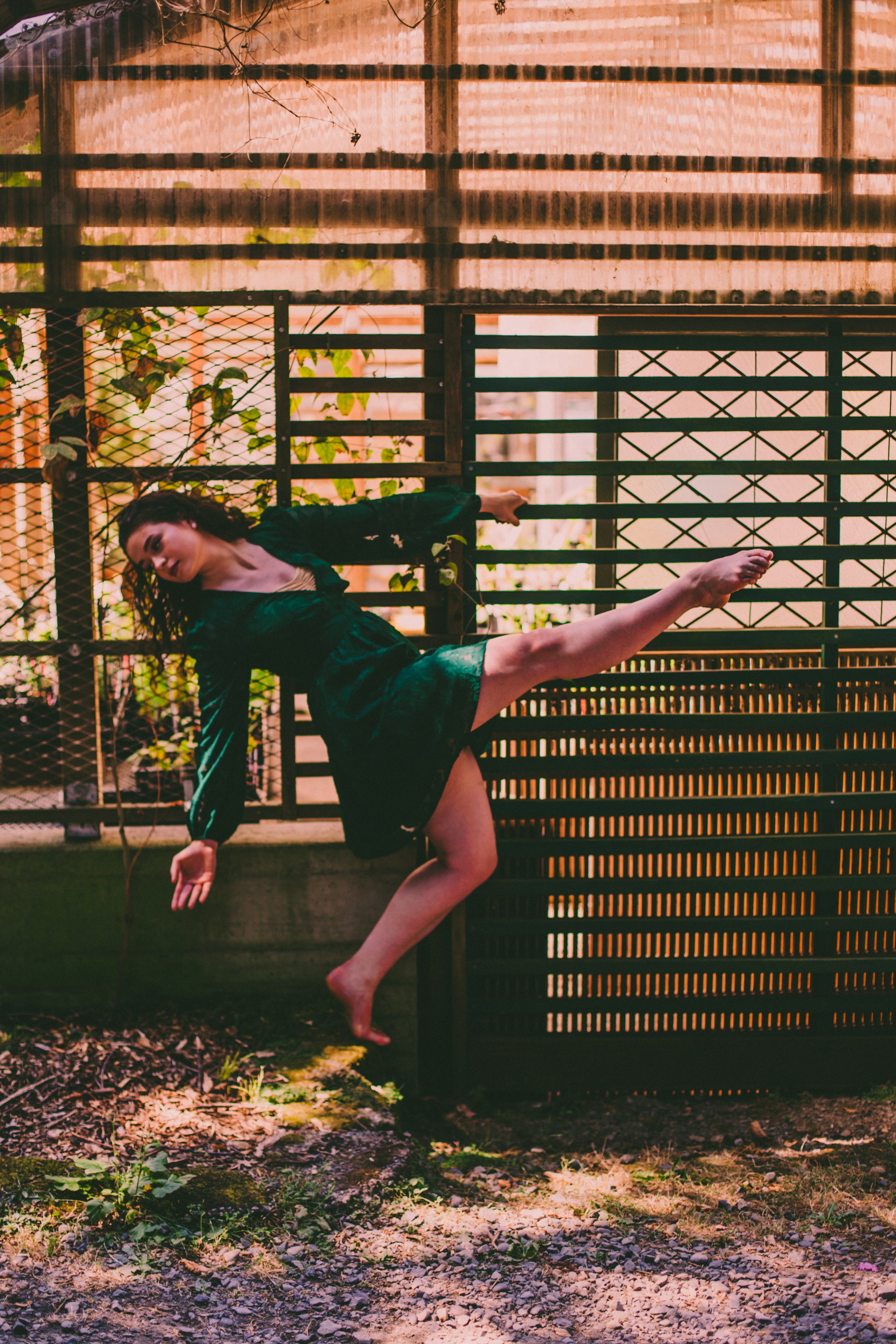
If you read my previous blog posts (originally written in 2019, released in 2020, and re-released in 2022 and 2024), Dance, My Eating Disorder, and Me, Part 1 and Part 2, you have a pretty good understanding of my story up until March of 2020. My thoughts and feelings on this particularly touchy subject have developed over time with the many different things I have experienced as I have lived through the world in the last 5 years since I wrote that piece. I hope my story can help you if you are currently struggling.
Like so many others during COVID-19, I experienced a relapse with my eating disorder. My experience from 2020 through 2022 was so incredibly traumatic and scary that for many, this will be their first time hearing about my experience during this particular relapse. It has taken lots of work in therapy and in the way I carry myself in the world to be able to get to this point. If you have experienced an eating disorder, and you are not in a place to share your experiences- know that that is okay. Everybody has a different timeline, and many choose to never publicly share their story. Your story is yours and yours alone. This is mine.
In 2020, as the world was shutting down due to COVID-19, so was I. My eating disorder usually shows up during times in my life where I feel I have little to no control. At first however, this was not my experience during lockdown. At the time, having a few weeks off was a gift. I was able to cross off items on my to-do list, get some much needed rest and sleep, and engage in hobbies that I normally did not have the time for.
As my dance training switched over to virtual classes, I realized that this was my opportunity to play catch up. I was a “late starter” to ballet, only having taken my first class at 13. For my age and the path I wanted to take for my career, I was far behind dancers who were many years younger than me. Dance was the one thing that gave me structure during the months of lockdown and isolation, and I made it a priority. Throughout the 4 months I was at home, I only ever missed one day of virtual classes. As time went on, I decided to take matters into my own hands. I decided to give myself a summer intensive of my own design, and wrote out a schedule to keep myself accountable. This included dance classes of all genres, cross-training and strength training, stretching, and Physical Therapy exercises I had been given for pre-existing injuries. I also decided to complete several physical fitness and education certifications at this time. After 4 months of this, I made a HUGE leap in my strength, stamina, technique, and overall dancing ability and level. The caveat to this was because of my extreme over exercising, my appetite was being suppressed. I had lost 21% of my original body weight.
Although I felt exceptionally strong and healthy, this level of exercise and this weight was not naturally sustainable for me in the long term. I returned to the studio in the summer of 2020 and was placed in a higher level at my studio, and as I was starting to ramp up to my full-time dancing schedule, I severely injured my back. This injury was acute, and so severe that I could barely bend either forward or backwards for several months. I still am dealing with the repercussions of this particular injury now. I ended up dancing through this injury, refusing to stop taking classes and working out, because I was terrified of my body changing back to the way it was before I lost weight. As it was, many people were praising me for the way my body looked now, and my dancing had never been better, so why would I want to go back to the way I was before? It wasn’t until nearly a year later, after I finally had an MRI, that I discovered that I had several bulging discs in my back, and because of my weight loss, was showing signs of degenerative joint disease in my spine. I strongly feel that if I had not lost all that weight, and then proceeded to continue to push myself to the extreme in terms of my level of activity and diet, I would not have sustained this injury.

After a few months of dancing through it, I gradually had to reduce my activity level because of the pain that I was experiencing on a daily basis. Along with this came extreme feelings of guilt (i.e. “I should be working out/doing more”), and distress (“I will gain weight if I don’t xyz”). Still, I was convinced that this was just my new body, and my body had only changed because I was dancing so much now. I was in denial. It wasn’t until winter break of 2020, at the end of December, that I realized I was in the middle of a vicious relapse with my eating disorder. Those two weeks marked the start of my struggle with laxative abuse.
If you missed the other parts in Emma’s series you can find them here:
If you or someone you know needs help please visit https://www.nationaleatingdisorders.org.
For emergencies please call 911.
And for more resources you can visit our page listing local and specialized help options.
Disclaimer
All content found on the Dancewear Center Website, Instagram, Facebook, Pinterest, and all other relevant social media platforms including: text, images, audio, or other formats were created for informational purposes only. Offerings for continuing education credits are clearly identified and the appropriate target audience is identified. The Content is not intended to be a substitute for professional medical advice, diagnosis, or treatment. Always seek the advice of your physician or other qualified health provider with any questions you may have regarding a medical condition. Never disregard professional medical advice or delay in seeking it because of something you have read on this Website.
If you think you may have a medical emergency, call your doctor, go to the emergency department, or call 911 immediately. Dancewear Center does not recommend or endorse any specific tests, physicians, products, procedures, opinions, or other information that may be mentioned on dancewearcenter.net. Reliance on any information provided by dancewearcenter.net, Dancewear Center employees, contracted writers, or medical professionals presenting content for publication to Dancewear Center is solely at your own risk.
Links to educational content not created by Dancewear Center are taken at your own risk. Dancewear Center is not responsible for the claims of external websites and education companies.
Self-Image: Maintaining a Healthy Relationship with Yourself and Dance
Mental health and self-image have been a struggle for nearly every dancer I have met. The dance industry, along with many others, wasn’t built with the health of the dancers in mind. I have witnessed dancers battle with body dysmorphia, negative self-talk, and especially maintaining a healthy amount of self-care. I have been dancing for the last fifteen years of my life. I have watched so much talent and passion washed out of my peers simply because they burnt out. Kids who could have had a professional dance career, or at the very least maintained a love for the art, didn’t because it came down to choosing between their health and well-being, or dance.
By Brea Rittel, DWC Blog Contributor

Mental health and self-image have been a struggle for nearly every dancer I have met. The dance industry, along with many others, wasn’t built with the health of the dancers in mind. I have witnessed dancers battle with body dysmorphia, negative self-talk, and especially maintaining a healthy amount of self-care. I have been dancing for the last fifteen years of my life. I have watched so much talent and passion washed out of my peers simply because they burnt out. Kids who could have had a professional dance career, or at the very least maintained a love for the art, didn’t because it came down to choosing between their health and well-being, or dance. Most styles of dance actively encourage a perfectionist mindset, but especially ballet. Ballet is such a beautiful style, but it can be so stifling, and stuck in outdated traditions. Ballerinas were one skin color, one body type, and forced into a mold almost no one realistically fit inside. While there has been some improvement, there is still so much to address. Even now, as a dancer studying in the modern world, these pressures still have a profound impact on me and my health. When I was younger I was told “Don’t show your lunch,” and “Your legs are too big to be a dancer”, at one point I was even told that I would never be able to make it as a dancer because I just wasn’t “made for the ballet”, so I should just give up on any professional aspirations. Now, I find myself constantly unsatisfied with, not just my dancing, but everything I do in a day. My grades are never high enough, I am never happy with my sketches, and even my relationships suffer from my micromanaging tendencies, all of which stem from dance deeply implementing a belief that I will never be good enough into my brain from a young age. I want to pursue dance after high school, but I constantly battle with myself in deciding if it is even possible for me, since I don’t fit the standard. And I’m not alone in this battle, so many struggle with negative self-image as a result of growing up in dance.
Growing up in the age of the internet added a whole new element to this problem that is rarely addressed. I recently had a conversation with a dance teacher only 10 years older than me, and she pointed out that even when she was a kid there wasn’t the same widespread use of technology as there was when I was growing up. And it is only increasing for younger generations. My teacher believes that, for instructors, this changes what the students need from them in a class. I know as a student currently, I find it much easier to work with teachers who still treat me like a person beyond being their student. This can be as simple as not making derogatory comments about my intelligence when giving a correction, or asking before giving any tactile feedback. We now have constant access to other dancers on the internet, she pointed out. From professionals to child prodigies, all we see are these filtered versions of amazing dancers. Seemingly perfect in every way. While this can be a wonderful tool, it is impossible not to compare yourself. Social media algorithms make a profit off of our comparisons. The more time spent on the app, spiraling, the more engagement they're getting. So, they shove as much content in our faces as possible at all times. Because dancers tend to see the worst in themselves, and the best in others, we see them at their best and instinctually compare it to ourselves at our worst. It can be incredibly discouraging to constantly feel like you aren’t measuring up to that level of perfection. It is helpful to remember that dance, like almost everything else on the internet, isn’t always real. What we see posted is likely not the first time they attempted that video or picture, in the same way that we don’t always nail our turns or leaps immediately. It can be incredibly hard to pull yourself out of the mindset that you are worth less as a dancer than the people you see on social media, but it is important to remember that they are real people too. They have bad days too. They fall out of single pirouettes, miss a step in a dance, or catch themselves sickling their feet too. No matter how much social media gives us a false idea of perfection in the world, it will never be the case for anyone, including dancers.
The struggle with self-talk is so much more complex than most people give it credit for. Striking a balance between self-correcting and still maintaining a generally confident mindset. Having the ability to recognize your own mistakes without the thoughts becoming unproductively negative is a learned skill. For years I was told to just be positive as if it is that simple. I would express my frustrations with my dancing only to be greeted with comments like “We only do self-positivity here” from my peers, which never actually helped me not be negative, it just furthered my frustration because being positive about myself seemed impossible in the moment, and harmed my relationships with the people around me. It constantly made me feel like there was something wrong with me for not being able to be content with myself, the result being the worsening of my already poor self-talk. One of the best bits of advice I have ever received was to live in a neutral state of self-talk. For the longest time, I almost always lived in a state of self-resentment because I could never be as good of a dancer as I wanted, and the idea of trying to completely shut that down and move to a place of constant self-love was too overwhelming for me to even make an effort towards improvement at all. To me, it was a losing battle, so what was the point? When a teacher suggested shifting to a neutral place it seemed much like a more manageable leap (pun intended). This means instead of saying I am a terrible dancer every time I have a bad day, acknowledging that it was just that, a bad day. Instead of saying things like “I will never be a good enough dancer”, make goals about it. The key is recognizing the improvement. This has helped me get to a place where, while I still see my flaws and want them to go away, I can address them in a much healthier way more frequently.

click below to shop the look:
One last thing many dancers, including myself, have struggled with, is taking care of ourselves. I have spent the last 6 years of my life nursing an achilles injury that wouldn’t be nearly as much of a problem as it is if I had just taken care of it initially… or the second time… or this time… or any of the times in between. The reason I haven’t is something I’m sure many people relate to, I just don’t want to “waste my time” taking a break. I don’t want to fall behind my peers. Most people I know say things along the lines of “Oh well, I’ll just suck it up, it’ll go away eventually”, which hardly ever happens. Problems need to be addressed, whether mental or physical. The topic of mental health days is often a subject of debate for people, but taking care of your mental state can’t be ignored. Not just for the dancer's state, but their peers, coworkers, instructors, and choreographers are all impacted as well. Don’t get me wrong, dance classroom attendance is NOT optional. If you are simply not having the best day, or something is a little off, showing up and not being one hundred percent for one day is absolutely fine. Nobody is completely on it all the time. Showing up in a state that is so negative that it is detrimental to yourself and others is not, though. If you need a rest day because you are too overwhelmed, burnt out, anxious, or a host of other reasons it is okay to take a day off. What matters most is how you spend it. You could spend it eating chips and binge-watching random shows (though an occasional lazy day won't kill you, that can be saved for weekends and days off, it wouldn’t be effective for a mental health day), or you could spend it refueling your body. Spending time in nature, drinking lots of water, eating foods with nutritional value, sleeping, and of course doing things you enjoy, whatever you find works for you will leave you feeling more prepared for the next day than the first option. It won't make the feelings go away, but you will find yourself more refreshed and capable. The key to this is a healthy, honest relationship with your peers and coworkers in which you can communicate your needs without judgment or ridicule.

Along with that, generally eating enough, sleeping enough, and drinking enough water are so important to being a healthy dancer. It only hurts you more to not meet your body’s needs. You won't dance at your best, you won't be in your best mental state, and you won't feel good at all. Also, finding time for you to maintain relationships inside and outside of dance is not optional. Humans biologically need communication, so healthy relationships are a necessity to continue moving your health in a positive direction. It is so hard to maintain positive relationships with yourself and dance at the same time, but having a healthier mindset will help so drastically. Your dancing will improve and you will just feel so much better generally. I know taking baby steps towards everything I have talked about has helped me so much in the last year alone. Now, I am going into a summer of intensives, my senior year next year, and then adulthood feeling better about my dancing, healthier, and more self-aware than I ever have before. I encourage you to take a small step towards self-care, nothing major, just having snacks in your car or being intentional about spending time outdoors more. Even if the change isn’t major it opens the door for growth.
Disclaimer
All content found on the Dancewear Center Website, Instagram, Facebook, Pinterest, and all other relevant social media platforms including: text, images, audio, or other formats were created for informational purposes only. Offerings for continuing education credits are clearly identified and the appropriate target audience is identified. The Content is not intended to be a substitute for professional medical advice, diagnosis, or treatment. Always seek the advice of your physician or other qualified health provider with any questions you may have regarding a medical condition. Never disregard professional medical advice or delay in seeking it because of something you have read on this Website.
If you think you may have a medical emergency, call your doctor, go to the emergency department, or call 911 immediately. Dancewear Center does not recommend or endorse any specific tests, physicians, products, procedures, opinions, or other information that may be mentioned on dancewearcenter.net. Reliance on any information provided by dancewearcenter.net, Dancewear Center employees, contracted writers, or medical professionals presenting content for publication to Dancewear Center is solely at your own risk.
Links to educational content not created by Dancewear Center are taken at your own risk. Dancewear Center is not responsible for the claims of external websites and education companies.
Dance, My Eating Disorder, and Me: Part 2
One thing that you have to know- recovery is not linear.
By Emma Neilson, DWC Staff Member
Medical Disclosure: Dancewear Center does not claim to have any medical expertise on any circumstances or diseases discussed. This is Emma’s personal experience and opinions. If you need help or are in a medical emergency, see the resources listed at the bottom of this post.
Trigger Warning: Eating disorders, trauma, self-harming behaviors, and sexual harassment.
This post was originally written by Emma in 2019, shared in 2020, and re-released in 2022 and 2024. Edits have been made for clarity.

Relapse
One thing that you have to know- recovery is not linear.
After 6 months back in the community, I decided I wanted to pursue dance more seriously. I was a “late starter”, had danced purely recreationally up until now, and had taken a year off. I was far behind where I should have been considering my age. In 2019, I started auditioning for summer intensives to kickstart the next phase of my training. I applied to colleges, and was also working and dancing. The combination of this stress, the inadequacy I felt when it came to dance, and my worsening body dysmorphia built up and in the spring of 2019, I experienced my first relapse. My behaviors were worse and more extreme than they had ever been, along with some new ones thrown in the mix. I lost a shocking amount of weight over the course of 2 months.
People who were close to me all started to notice, but I played it off as just an increase in my dancing. The health care professionals I was seeing at the time informed me that something would have to change or else we would need to consider treatment again. Treatment wasn’t even an option I was considering, and I knew that if it was put on the table again, I would refuse to go voluntarily. However, deep down I knew that I needed help again. I started seeing my therapist and nutritionist more regularly. At this point in time, I was set to attend a summer intensive in two months and needed medical clearance to attend. I knew that my doctor would not clear me to go unless she was convinced that I was healthy and doing well. I did not want to go back to the hospital or to treatment, so again, I had to make a conscious decision to recover.
Dance
When my eating disorder first developed, dance played a very big role. I struggled with body dysmorphia and terrible body image. I found that I would use dance to fuel my negative thoughts and behaviors. Even so, it was very difficult for me to take a break from dance. I was scared to take a break from exercising to commit to healing my body. I was terrified of my body changing in a way that I would perceive as negative.
While my body did inevitably change, you have to heal the body first before you can heal the mind. When you are not fueling your body correctly, your brain isn’t getting the nutrients it needs to function properly. The mental aspects of this disease are easier to work through after the physical issues have been addressed.
When I returned to dance, it felt as though everything had changed. I had previously looked at it as motivation- “I have to look like XYZ because of dance”, “I can’t eat XYZ because I’m a dancer”, “I need to exercise XYZ amount of time because of dance”. In recovery, I now look at this as motivation to stay recovered. I know I have to fuel my body in order to dance to the best of my abilities. I have better coping skills, a support system, and a wealth of knowledge up my sleeve to help me on tough days.
Sometimes I think about if I were to go back in time- would I still take a year off of dance? The answer is always the same- yes. If I could go back, would I still go to treatment? Yes. If I could change my past, would I choose to let my past self go through her eating disorder? Still- yes. Even though the present me may not love where I am in my life right now, everything in my past and that I have gone through has ultimately made me into the person that I am today. And for that I am eternally grateful. I have a very unique perception of society, diet culture, and self-love that not many people have, and if I am able to influence just one person even a little bit with my story, then it has been worth it.
A Call to Action
Dance has existed for centuries, and as such, we’ve carried on outdated traditions into modern times. The perpetuation of the stereotypical “ballet” body, the excessive use of mirrors, and teachers and directors policing dancer’s bodies and food just to name a few. Just because something has existed one way for so long doesn’t mean that it can’t change. The question is, how?
First and foremost, we have to start the discussion. I feel that by avoiding the topic of food and bodies out of fear, instructors and other authoritative figures in the dance community actually cause more harm than good. By not talking about it, many young dancers remain uneducated and uninformed. With a plethora of diets and unhealthy eating information at their fingertips, it is extremely easy to start developing disordered behaviors at increasingly younger and younger ages. However, this topic does need to be approached with sensitivity. Here are some major points that I think are important to remember:
All bodies are good bodies.
Your size and your weight don’t define you or your worth as a person.
Your size and your weight don’t define you as a dancer.
People can be healthy at every size.
Eat what you want, when you want.
There is no such thing as “good” or “bad” foods. Society has just pushed this narrative onto us. Many “bad” foods when compared to “good” foods end up having the same nutrients.
Everything in moderation. This includes exercise as well!
Even at rest, you still need to fuel your body. Your brain and your organs need food to function properly, even at rest.
Everyone’s body is different and has different needs. And that’s okay!
Secondly, if you are an instructor or a studio director, I would say one of the best things you can do is to bring in experts to educate your students. Because of the way the media works, false information is everywhere and spreads like wildfire, making it nearly impossible for youths to sift out the reliable information and facts.
Thirdly, I think it is about time we as a community change the way we use mirrors in our art form. I believe that mirrors are an essential training tool, and can benefit any dancer at any level if used correctly. However, in my experience, mirrors are often used for unhealthy comparisons and to pick out flaws to the extreme. Additionally, every student at some point has heard the phrase “Stop looking at yourself in the mirror!”, and unless used as a prop, we don’t perform with mirrors. So, what would it be like if we started using mirrors less? Covered mirrors? Were taught from a young age that our reflection does not define us? If you are a teacher or a director, ask yourself what you can do to shift the focus of your students from comparisons and relying on a mirror, to dancing for themselves and tuning into their body- how their body feels when dancing, and how movement feels in their bodies.

Lastly, I want to say this to anyone who needs to hear it- there is no shame in taking a break from dance. There are so many reasons you might need to take an extended leave of absence. I know it can feel scary and you might be afraid of what will happen, but I’ll leave you with this- if you feel the need to do it, it will probably be a decision you won’t regret in the future.
If you missed the other parts in Emma’s series you can find them here:
“It can be so hard to stop or pause what we love to do, but any investment in yourself as a human is in turn an investment in yourself as a dancer.”
~Caitlin Schafte (a dear friend of mine)
If you or someone you know needs help please visit https://www.nationaleatingdisorders.org.
For emergencies please call 911.
And for more resources you can visit our page listing local and specialized help options.
Disclaimer
All content found on the Dancewear Center Website, Instagram, Facebook, Pinterest, and all other relevant social media platforms including: text, images, audio, or other formats were created for informational purposes only. Offerings for continuing education credits are clearly identified and the appropriate target audience is identified. The Content is not intended to be a substitute for professional medical advice, diagnosis, or treatment. Always seek the advice of your physician or other qualified health provider with any questions you may have regarding a medical condition. Never disregard professional medical advice or delay in seeking it because of something you have read on this Website.
If you think you may have a medical emergency, call your doctor, go to the emergency department, or call 911 immediately. Dancewear Center does not recommend or endorse any specific tests, physicians, products, procedures, opinions, or other information that may be mentioned on dancewearcenter.net. Reliance on any information provided by dancewearcenter.net, Dancewear Center employees, contracted writers, or medical professionals presenting content for publication to Dancewear Center is solely at your own risk.
Links to educational content not created by Dancewear Center are taken at your own risk. Dancewear Center is not responsible for the claims of external websites and education companies.
Dance, My Eating Disorder, and Me: Part 1
I have such a crystal clear memory of the first time my ED reared its ugly head. I was at lunch with a group of my friends, and I happened to look down at the nutrition facts on the package of chips. Within the hour, I had counted all the calories I had eaten so far that day, and had a calorie goal set for myself for the next week. From that moment on, I was fighting a downhill battle.
By Emma Neilson, DWC Staff Member
Medical Disclosure: Dancewear Center does not claim to have any medical expertise on any circumstances or diseases discussed. This is Emma’s personal experience and opinions. If you need help or are in a medical emergency, see the resources listed at the bottom of this post.
Trigger Warning: Eating disorders, trauma, self-harming behaviors, and sexual harassment.
This post was originally written by Emma in 2019, shared in 2020, and re-released in 2022 and 2024. Edits have been made for clarity.

Development
As a child, I remember comparing myself to others my age in the dance studio.
I remember family members talking about how they didn’t like their bodies.
In middle school and high school, I remember being surrounded by diet culture in my family.
I remember my friends talking about what they would eat in a day, how they had eating disorders, and how they would hurt themselves.
I remember when I first started dance and thought to myself, “I don’t look like anyone else here,” and hating myself for it.
I would say that I’ve had disordered eating habits since I was 13 , but my actual eating disorder (ED) didn’t develop until my senior year of high school. There’s a saying that your eating disorder develops after a perfect storm of “little t” traumas that over time culminate into your eating disorder. For me, there’s almost too many to list. I was a perfectionistic 4.0 student with no idea what she wanted to pursue after graduating high school, a dancer who had been surrounded by diet culture her whole life, and a teenager who was sexually harassed in her junior year of high school.
I have such a crystal clear memory of the first time my ED reared its ugly head. I was at lunch with a group of my friends, and I happened to look down at the nutrition facts on the package of chips I was eating. Within the hour, I had counted all the calories I had eaten so far that day, and had a calorie goal set for myself for each day of the next week. From that moment on, I was fighting a downhill battle.
Everyday consisted of strict rules including calorie limits, foods I could and couldn’t eat, weight goals, and how I would “punish” myself if I didn't adhere to these requirements. I was totally obsessed and my whole life became consumed by this mindset. I couldn’t focus on my academic classes, and I was depressed and anxious. I tried to keep it a secret as long as I could.
My body eventually took over in order to keep me alive, and I wound up in the cycle of restricting and bingeing. I started therapy, and it was at this time I was diagnosed as Bulimic. Things were not going well, and I was hospitalized for suicidal ideation for the first time 3 months before I graduated high school.
After I was released, I was determined to graduate with a 4.0 GPA, while my family was trying to encourage me to go into treatment and temporarily drop out of school. Eventually I graduated, finished all my end of year recitals and concerts, and not even a week later was hospitalized again. While I was there the second time, my doctors recommended I go into intensive treatment for my eating disorder.
Treatment
What It’s Like and My Experience
From June 2017 until March 2018, the majority of my time was devoted to attending treatment, working through my thoughts and ED behaviors, and recovering.
The first half of this year, I was in a Partial Hospitalization Program (PHP), which was 10 hours a day, 5 days a week. It was during this time that I was diagnosed with OSFED (previously known as EDNOS). A typical day in treatment looked like this:
I would get there in the morning, and as a group, we would do a check-in: how we were feeling, anything that we were struggling with, etc. Then we headed to breakfast. I would say that hands down, the hardest part of treatment was meal times. Each person had a personalized meal plan, and if you didn’t finish the food you were required to eat, you were given a meal supplement you had to finish. If you didn’t finish it, you were sent home for the day, and then other treatment options were discussed with you and your team. We ate in groups as well, so being surrounded by everyone having their own battles often made it harder. Before eating we would do check-ins which included talking about our hunger levels. Typically with EDs, you ignore your body’s hunger cues, and can even lose them altogether, so this was an exercise in body awareness. We would play games during meals to help distract ourselves and try to get through it. After breakfast, we had intuitive groups. Our groups ranged from therapy, to discussing certain topics, nutrition & cooking, outings, and art & yoga. You could also have individual therapy or nutrition appointments throughout the day, as well as medical appointments to monitor your heart, blood levels, and weight. We had snack times between each meal, lunch, groups/appointments, snack, break, dinner, and the last group of the day. Wash, lather, rinse, repeat. The only time you had at home was between 7pm-7am the next morning before you got there for breakfast. I personally found nights the hardest, trying my best to sleep and not engage in ED behaviors during the night time.
After a few months of this, and a third hospitalization, I ended up at a different treatment facility by January of 2018. Here, I was in an Intensive Outpatient Program, or IOP. I spent breakfast through lunchtime there, with 2 groups per day. This allowed for a lot more freedom and responsibility on my end to meet my meal plan and prove to my care team that I was getting better. After about 6 months of not being allowed to engage in any exercise, I was finally cleared to, and I decided to return to figure skating for a few months after I had taken a break from this sport for 4 years. This level of care was the hardest for me. I wasn’t in treatment for as long each day, and it was up to me to eat everything I was supposed to and not engage in ED behaviors. However, towards the end of that spring, I started quickly declining. My team wanted me to go up to the PHP level of care again, but since I had been in treatment for so long and was deemed “medically stable”, my health insurance denied this request. This was not the first time my insurance had done this. Within my first two months of treatment, I was supposed to go to an inpatient clinic for 24/7 care, but as I was “medically stable”, my insurance would not cover it. Insurances tend to look at the medical aspect of things when it comes to treatment for eating disorders- which is completely backwards because they are mental illnesses. I was not dangerously underweight and my blood work was normal after the first few months of treatment, and at this point my insurance would not cover higher level of care. The entire time I was in treatment facilities myself, my family, and my care team were fighting to keep me there so I could get the help I needed.

That spring, my insurance was no longer wanting to cover any of my treatment costs, and I was 18 and was reluctant to go to a PHP program again. I was now an adult, and could now decide to voluntarily leave any program I was in, so I did. Right after I stopped my treatment, I ended up spending two weeks with my sister and her family. This ended up being a very healing time period in my life. My mindset completely changed and I decided that I was sick of being sick. I never understood when doctors, therapists, nutritionists, and those who were recovered said that recovery is up to you. I felt like I didn’t have a choice, and that my ED was controlling all of it. But that’s not true. I had to make a conscious decision to recover, and realized that no one could do it for me. No amount of treatment was going to magically heal me if I wasn’t actively trying to get better. And I realized that I hadn’t been trying.
I started to recover, and I finally returned to dance after over a whole year off.
“Remember, even if you can’t see someone’s struggle doesn’t mean it’s not real.”
If you or someone you know needs help please visit https://www.nationaleatingdisorders.org.
For emergencies please call 911.
And for more resources you can visit our page listing local and specialized help options.
Disclaimer
All content found on the Dancewear Center Website, Instagram, Facebook, Pinterest, and all other relevant social media platforms including: text, images, audio, or other formats were created for informational purposes only. Offerings for continuing education credits are clearly identified and the appropriate target audience is identified. The Content is not intended to be a substitute for professional medical advice, diagnosis, or treatment. Always seek the advice of your physician or other qualified health provider with any questions you may have regarding a medical condition. Never disregard professional medical advice or delay in seeking it because of something you have read on this Website.
If you think you may have a medical emergency, call your doctor, go to the emergency department, or call 911 immediately. Dancewear Center does not recommend or endorse any specific tests, physicians, products, procedures, opinions, or other information that may be mentioned on dancewearcenter.net. Reliance on any information provided by dancewearcenter.net, Dancewear Center employees, contracted writers, or medical professionals presenting content for publication to Dancewear Center is solely at your own risk.
Links to educational content not created by Dancewear Center are taken at your own risk. Dancewear Center is not responsible for the claims of external websites and education companies.
Queer History in Dance
LGBTQIA+ communities go underappreciated and unrepresented in spaces where recognition is necessary. Without these communities striving for inclusivity and freedom of expression, the styles that we know and love today would be completely different. In LGBTQIA+ culture, dance is a very important part of expressing joy and expressing themselves anytime they can. Attend any Pride event or gay club and you will see the joy and expression that dance can bring to such a big community. Here are just some of the ways that LGBTQIA+ communities have paved the way for dance!
By Nicole Barrett, DWC Blog Contributor

LGBTQIA+ communities go underappreciated and unrepresented in spaces where recognition is necessary. Without these communities striving for inclusivity and freedom of expression, the styles that we know and love today would be completely different. In LGBTQIA+ culture, dance is a very important part of expressing joy and expressing themselves anytime they can. Attend any Pride event or gay club and you will see the joy and expression that dance can bring to such a big community. Here are just some of the ways that LGBTQIA+ communities have paved the way for dance!
Voguing
The term “voguing” comes from Vogue Magazine as the movements that define this style are inspired by the poses of the models in the magazine. Willi Ninja is called the godfather of voguing who helped create this art form and took inspiration from ballet, martial arts, gymnastics, and pantomimes. Voguing has been used to present gender as a performance and was taken over by drag queens in their performances to pretend to apply makeup or other extravagant movements.
The Ballroom Scene
The Ballroom Scene, also known as ball culture or ballroom culture, was founded by African-American and Latino youth that has a subculture in the LGBTQIA+ originated in New York City. This started in the late 20th century when drag queens would hold their own pageants in opposition to the racism experienced in professional drag queen circuits. The inclusion of gay men and trans women is what made the ballroom scene what it is today. Various categories allow for all LGBTQIA+ members to participate and express themselves as they see fit for cash prizes and trophies.
Stereotypes in Ballet
Ballet has always been a style in which gender stereotypes have played a big role in its production. These notions are seen to be outdated and stuck in the past, but LGBTQIA+ innovation has created a new look for ballet. New ways of performing your favorite variations are pushing the dance industry into a new realm where people of all gender identities can be whichever role they are most comfortable with. Queer ballerinas such as Ashton Edwards,
Chase Johnsey, and many others are helping pave the way for a new ballet industry that accepts all dancers' identities, not just cis presenting individuals.

Waacking
Waacking is a specific element of street dance that was created in gay clubs in the Los Angeles area during the 1970s disco era. This specific style of dance is typically done to disco music and has a very distinctive look to it. Rotational arm movements and emphasis on posing and expressiveness can distinguish this style from others. Like voguing, waacking has some of the same influences like gymnastics, jazz and martial arts. This style of dance is in effect because of the LGBTQIA+ community and has caught the attention in modern day media as well.
The LGBTQIA+ community has helped pave the way for various dance styles and new cultures in dance to enhance inclusivity and acceptance. These queer artists go unrecognized for their hard work and passion to create a form of expression where they make themselves and others feel accepted. By learning the history of some of our favorite dance styles, we can honor and acknowledge the accomplishments and sacrifices these artists made for the dance world we love today.
Sources:
https://en.wikipedia.org/wiki/Ball_culture
https://www.lgbtculturalheritage.com/dance
https://en.wikipedia.org/wiki/Vogue_(dance)
https://www.youtube.com/watch?v=XJ6fqQX_e9U&t=87s
https://www.nytimes.com/2022/04/19/arts/dance/nonbinary-ballet-dancers-swan-lake.html
https://en.wikipedia.org/wiki/Chase_Johnsey
Disclaimer
All content found on the Dancewear Center Website, Instagram, Facebook, Pinterest, and all other relevant social media platforms including: text, images, audio, or other formats were created for informational purposes only. Offerings for continuing education credits are clearly identified and the appropriate target audience is identified. The Content is not intended to be a substitute for professional medical advice, diagnosis, or treatment. Always seek the advice of your physician or other qualified health provider with any questions you may have regarding a medical condition. Never disregard professional medical advice or delay in seeking it because of something you have read on this Website.
If you think you may have a medical emergency, call your doctor, go to the emergency department, or call 911 immediately. Dancewear Center does not recommend or endorse any specific tests, physicians, products, procedures, opinions, or other information that may be mentioned on dancewearcenter.net. Reliance on any information provided by dancewearcenter.net, Dancewear Center employees, contracted writers, or medical professionals presenting content for publication to Dancewear Center is solely at your own risk.
Links to educational content not created by Dancewear Center are taken at your own risk. Dancewear Center is not responsible for the claims of external websites and education companies.
Interested in writing for the DWC Blog? Click below to fill out the DWC Contributor application!