
Preparing Mentally, Emotionally & Physically for Aging in Dance and Transitioning Stages
As a young company dancer at Olympic Ballet Theater in the 1980’s, one of my favorite pieces I performed was “Fall” as a part of the Ballet Seasons. Now in my 50’s, I’m in a very different season of my life as a dancer. I’ve always loved fall–the season that teaches us that change can be beautiful.
What I’ve Learned from 50+ Years of Dance!
Pronunciation: La-Ree Ba-Lees | Pronouns: she/her
By Laurie Balise, DWC Ambassador

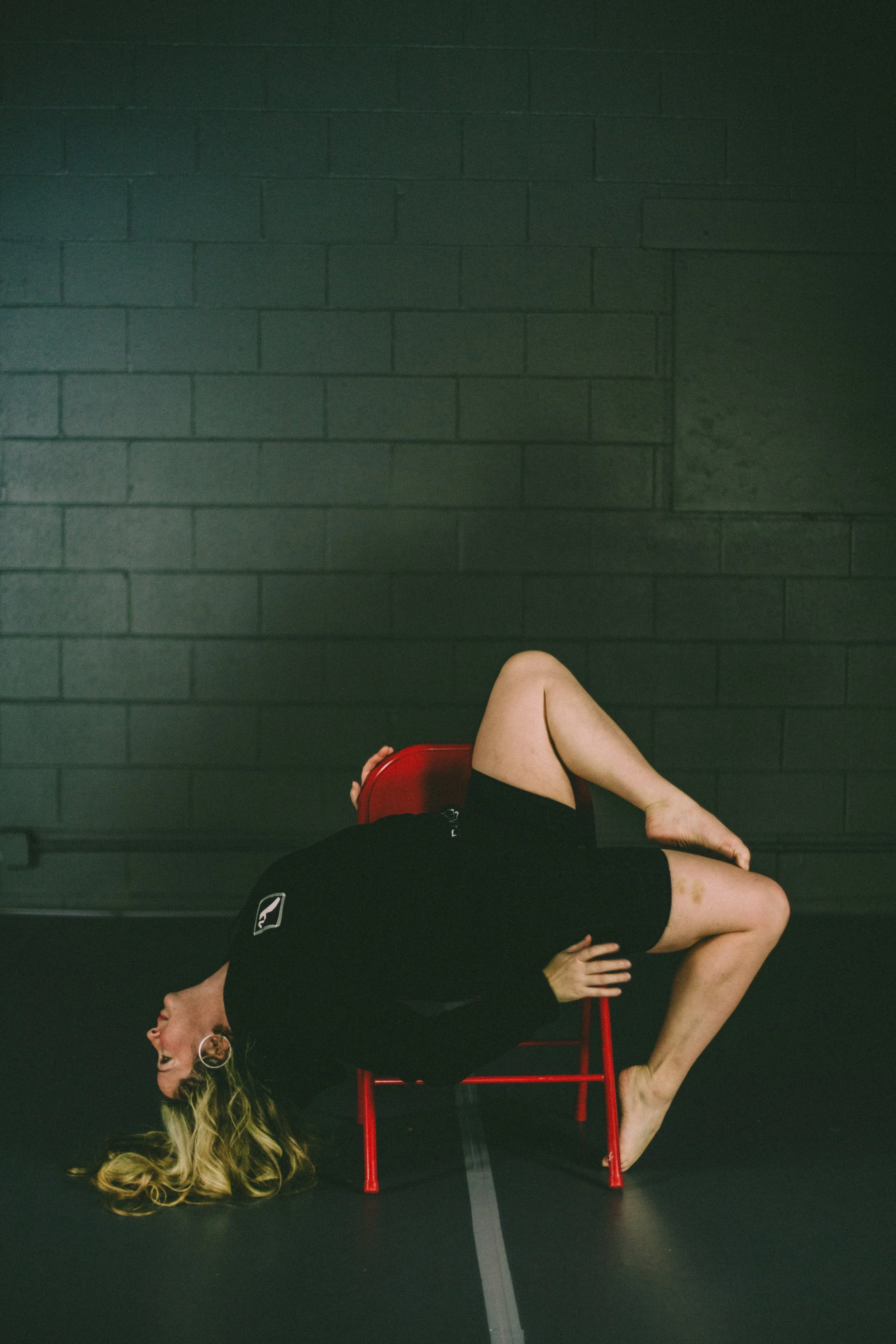
click to shop the look: girlfriend | GF Biketard
As a young company dancer at Olympic Ballet Theater in the 1980’s, one of my favorite pieces I performed was “Fall” as a part of the Ballet Seasons. Now in my 50’s, I’m in a very different season of my life as a dancer. I’ve always loved fall–the season that teaches us that change can be beautiful.
My life story thus far includes many different seasons, in both dance and otherwise, all of which I’ve tried to embrace. Each season has taught me something different that at now 53 has created wisdom. While there have been many successes and much happiness, I’ve also learned to deal with mistakes and disappointment, handling regrets, and practicing forgiveness. Often the greatest shifts and growth have come from re-addressing previous truths that came after life tragedies. My wisdom has taught me that everything in life, whether positive or negative, or significant or seemingly not, has value. Personal reflection is so important, and implementing new ideas or goals, yet still allowing yourself to dream. I likewise believe in teaching my dancers to be adaptable, disciplined, hard working, resilient and tenacious in all they do. Dance teaches us SO much more on our life path at times than just dance, and I’m grateful for all the lessons along the way.
Something I’ve also considered as I’ve aged is wanting to assure I’ve created a positive impact on the world. Whereas in my youth I was primarily a performer, transitioning to teaching gave me even greater purpose. Before teaching I incorporated the arts and dance into my academics in college with an internship at Pacific NW Ballet in their Public Relations Department and later was the Publicist for the Seattle Symphony. I have more avenues to explore, but I’ve also found peace and felt pride and satisfaction with what I’ve accomplished thus far. I think positive self validation is really important always, but especially as we get older-we don’t have to continually prove ourselves as dancers, or otherwise. What I hope to have passed along as a teacher and be remembered for is that I truly cared; that I challenged myself and others both creatively and in physical abilities and technique; that I showed my students how to have fun even when working hard; and that believing in themselves is always most important. I love connecting with others in our shared humanity which has been a big part of my purpose. I think it’s important to identify the why? as well and once we have, better align ourselves with our purpose. Progress and growth is always important, but sometimes it also includes rest or reinvention. There’s no particular ‘standard’ we have to meet to be dancers either- no right or wrong. Nor do we have to be doing certain things like performing or even teaching to still be viable in our art form and make a contribution. There are so many options for how we can incorporate dance into our lives that are meaningful and joyous. I love just dancing around the world or taking classes whenever I’m traveling. For many years I’ve also helped in volunteer positions judging the dance category in art competitions, assisting with high school dance team tryouts, producing and choreographing school musicals, and representing the arts at student career fairs.

click to shop the look:
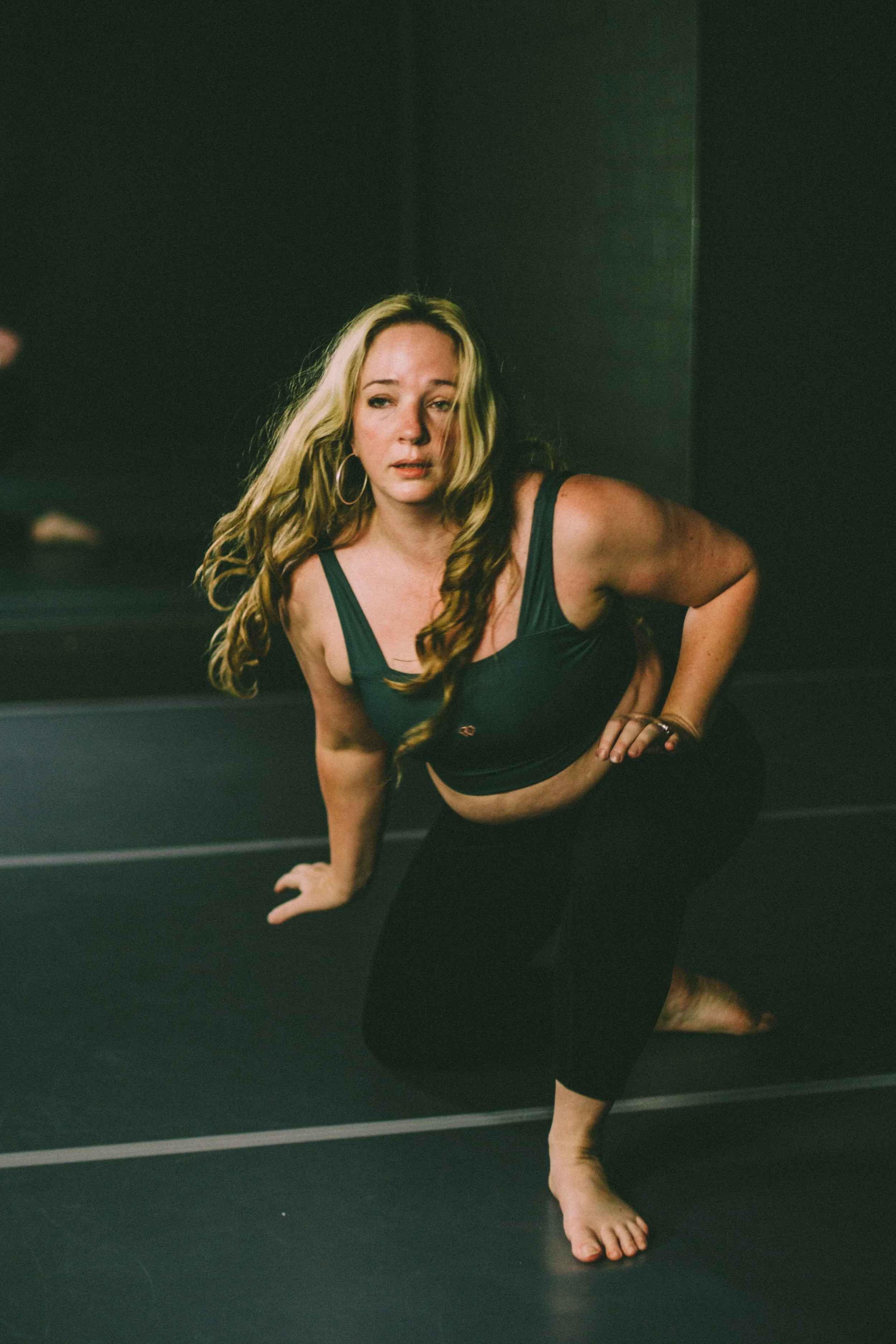
Jule meshie crop top | CD World grey/black sports bra | SoDanca Black Shorts
Sometimes rest or change is something we resist though until life throws us a prominent “stoplight!’ There are always indicators around us if we are present enough to pay attention, and sometimes an opportunity we hadn’t considered becomes a wonderful transition to a new chapter. The Universe sent me a message recently to listen to my gut, literally. It led me to health tests that revealed a gut disorder most likely brought on from years of cumulative stressors and past traumas. As dancers and artists, we of course are quite empathic and feel everything deeply. Additionally, we hold ourselves to high standards and push ourselves in all ways. And after so many years of being in front of people, no matter what level of confidence or mastery we have, we can still get anxiety and butterflies in our stomach. Practicing greater self care and managing stress including both physical and mental health has been a big priority for me especially in this latest season of my life. The gift in awareness was that I was able to bring its importance into my professional life as well by offering mindfulness and meditation classes for my dancers, as well as teaching yoga to both kids and adults.
In more recent years, I’ve really tried to start leaning more into my wisdom and intuition, giving myself more permission to say “no” when necessary to find greater balance in my life. I think this is such a great practice for dancers or anyone. Sometimes things are just too much at times, and when we ease off and take a few steps back we can actually proceed forward with greater care. We don’t always have to be “on'' and available to everyone either. We’re already so exposed as performers and teachers, and it’s okay to not have to always be front and center. Using this skill, I try to step back when I teach for instance so my dancers can let themselves be their own focus.
I may be getting older- everyone is! But I’ve found acceptance in that and all the undeniable things my body has gone through as a mother and otherwise. In this way I practice non-resistance to the things I can’t change. That said, I still don’t need to be limited by or defined by my body or age in my strengths or abilities throughout any of the seasons of my life either. In many ways I know my body has been stronger the older I’ve gotten. When we truly love ourselves, our body responds positively in a homeostasis in our mind, body, and soul. As a dancer and most importantly a human being, I am always viable in what I have to offer and in any capacity that I may find myself in. This is what keeps me going and growing, always, and staying positive and allows the freedom and ease of transformation to occur, in dance or otherwise.
If we think of ourselves as being in constant creation then we are in a revolutionary process of reinventing ourselves throughout life. Growth is a choice we can make over stagnation. The more we move in all ways,, the more we find opportunities to stimulate our brains and bodies in new exploratory ways. This can help us defy the aging process just by the natural occurrence of our choices and actions. You are confined only by the walls you build yourself; the opposite of courage is not cowardice, it’s conformity.
Just like there are several positions in dance that we flow through from first to fifth, we move through different points in our relationship with dance in each new season. Each is beautifully unique for what it offers us in experiences and memories and grows us in different ways. When holding a pose in dance, we still remain alive and breathing before transitioning into the next step, just like through the stages of our lives. So may we all Temps lié, Chassé or Pas de Bourrée into our next position in life and embrace whatever it may be! Ultimately as we know, life itself is truly a dance!

“You can have as much ballet or dance as you want in your life. You can have a lot or a little bit, or somewhere in-between,” said Miko Fogarty, the star of the 2012 dance documentary First Position who herself has found different directions in life beyond dance.
About the Author

Disclaimer
All content found on the Dancewear Center Website, Instagram, Facebook, Pinterest, and all other relevant social media platforms including: text, images, audio, or other formats were created for informational purposes only. Offerings for continuing education credits are clearly identified and the appropriate target audience is identified. The Content is not intended to be a substitute for professional medical advice, diagnosis, or treatment. Always seek the advice of your physician or other qualified health provider with any questions you may have regarding a medical condition. Never disregard professional medical advice or delay in seeking it because of something you have read on this Website.
If you think you may have a medical emergency, call your doctor, go to the emergency department, or call 911 immediately. Dancewear Center does not recommend or endorse any specific tests, physicians, products, procedures, opinions, or other information that may be mentioned on dancewearcenter.net. Reliance on any information provided by dancewearcenter.net, Dancewear Center employees, contracted writers, or medical professionals presenting content for publication to Dancewear Center is solely at your own risk.
Links to educational content not created by Dancewear Center are taken at your own risk. Dancewear Center is not responsible for the claims of external websites and education companies.
The Inclusive Eye: The Importance of Representation, Mentorship, and Comprehensive Education
For the longest time at the beginning of my dance career, I didn’t see many dancers that looked like me. I did ballet, jazz, tap, and modern growing up in my little Kent, Washington studio--and I thought this was normal. My dance classes didn’t look any different from my school classes, I was one of the only people of color in my classes there too. For years and years I went without knowing anything about the success of dancers like me in the dance industry and simply thought they didn’t exist.

by niyah pratt
Niyah Pratt was born in raised in Renton, Washington. She began dancing at age six, at the British Dancing Academy where she trained in ballet, jazz, tap, and modern. She is currently attending the University of Nevada Las Vegas where she is double majoring in Dance Performance and Urban Affairs. She hopes to continue her dance career for as long as she possibly can, and make an impact not only in the dance community, but on the youth as well. She wants to be the role model she never had when she started dancing for someone else, and “thinks it is important to start implementing this in dance.”
click to shop the look: Holly Leo with Mod Dot by Ainsley Wear
By Niyah Pratt
For the longest time at the beginning of my dance career, I didn’t see many dancers that looked like me. I did ballet, jazz, tap, and modern growing up in my little Kent, Washington studio--and I thought this was normal. My dance classes didn’t look any different from my school classes, I was one of the only people of color in my classes there too. For years and years I went without knowing anything about the success of dancers like me in the dance industry and simply thought they didn’t exist.
When I was very little, there was one dancer older than me at my studio who looked like just me and I absolutely loved watching her dance. When I saw her I was mesmerized! I thought she was the most beautiful dancer in the world because I saw myself in her. Just seeing her made me feel like I could do it; and I know there are a lot of young dancers of color who have felt this way before in the dance world. Because of this, I want to reach as many young people as I can by teaching technique and giving them someone to look up to.
When I was 16 years old, I was accepted into the Debbie Allen Dance Academy summer intensive. Before this, I honestly did not know there were dance establishments built by African Americans. That summer, I experienced a profound transformation. I was surrounded by dancers and teachers that shared the same passion as I did--and looked just like me. I had never experienced this before. This not only changed how I danced but also expanded my view of the dance world.

click below to shop the look:
Debbie Allen started her own school to give her daughter a higher caliber of dance that she needed in order to succeed. Places like Debbie Allen Dance Academy and The Ailey School aren’t just dance institutions for black dancers. This was a large misconception held by the general populace--especially in the early years of their establishment. These institutions are sanctuaries for dancers of color where we can finally dance somewhere we feel acknowledged and celebrated.
My experience at Debbie Allen Dance Academy then led me to attend the Ailey Experience in New York the summer after where I had the greatest week of dancing in my life. I have never felt so seen and accepted dancing somewhere in such a short amount of time. Each teacher was beyond thrilled to teach us and share their knowledge of the dance world. Many of them were previous and current company members while others came from different parts of the dance world. It was exhilarating dancing with the staff and not having our strong technique be met with shock and surprise.
I say this because I feel like in certain situations when a dancer of color has good technique it's met by the community with shock. There is this preconceived notion of what a ballerina looks like and I think many don't expect us to be interested in ballet. It’s definitely not been viewed within my family as typical, and when I was super young my cousins and extended family were surprised when I started ballet. They were always very excited for me, but I wasn't playing basketball or running track like all the rest of my family members and that was surprising to them.
One summer, I auditioned for Joffrey Chicago just for exposure. Ballet is not my strong suit, and it has definitely been a journey to get my technique where it is today, but I wanted to try. Every girl who auditioned with me looked exactly the same, and I found myself the sole person of color in the building that day auditioning. This made me question at the beginning of the audition what I was doing there, but I also remember looking in the mirror by the end and getting choked up at just how proud of myself I was for choosing to be there and for fighting through being so uncomfortable.
I am forever grateful for the experiences I’ve had; I know that I am blessed to have parents that support me and to have had access to these opportunities. However, without being able to travel and fund these experiences, I don’t know that I would have become the dancer I am today.
So how can we make an impact on young people of color who want to become dancers but don’t have the resources and mentorship to fulfill their dreams? The answer: prioritizing our young dancers of color and their dance education.
Teaching dance from a more inclusive eye and making sure young dancers of color are well supported and seen makes all the difference in their training. If you are teaching students of color, guide them in learning about proper attire, their history of dance, finding a supportive community, and seeking out mentors.

click below to shop the look:
Educate dancers of color on proper attire for their complexion: this helps set dancers up for success. Personally, I didn’t know that ballerinas of color should (or could) wear skin color tights for ballet until I was 18. I was performing in a ballet piece in my first faculty show at UNLV (University of Nevada, Las Vegas) and the teacher pulled me aside baffled that I didn’t know I was technically wearing improper tights for the performance. It was an experience that left me feeling embarrassed and a little sad that I had never been taught this.
Encourage dancers and support them in the application and audition process for institutions such as Alvin Ailey, Debbie Allen Dance Academy, and Alonzo King LINES Ballet: where they will feel seen in a business that often does not.
Teach dancers of color their history. Dancers like Lauren Anderson, Syncopated Ladies, Katherine Dunham, and Robert Battle (to name a few) have all made large impacts on the dance world and students should know early on about these pioneers so that they can look up to successful dancers that look just like them.
We all know that having representation and someone to look up to reinforces the idea that you can do it too! It's motivating to see people like us in a profession that historically has not catered to our skin tone. If dancers don’t have a role model in dance, help support them in finding one.
We must set dancers of color up for success and teach them to their individual needs. I feel the largest job I can do to support my community is share how I've overcome these challenges and guide as many as I can to achieving their goals. I want all young dancers of color to feel inspired and prepared to conquer and succeed in the dance world!
RESOURCES
Brown Girls Do Ballet: Scholarships
LINES Vermont: Diversity in Dance Scholarship Fund
The Ballet Clinic’s Scholarship Fund
Memoirs of Blacks in Ballet (MoBBallet): An Ever Expanding and Historic Timeline of Blacks in Ballet

Easiest Way to Put on Apollas
Grab your Apolla shocks and make sure that you have the correct sock for your foot. (The inside of the shock should have a R or an L that indicates which one goes on which foot)
Roll up the top of the shock as if you are putting on tights and slip in onto your foot.
By the DWC Team
Apolla Performance products are known to be top-notch for dancers around the country for recovery and performance use. Apolla Performance products use shock absorption technology to help comfort the balls of the feet and squeeze the arch of the foot for maximum comfort and support in any style of dance. Here is the easiest way to put on your Apollas to ensure that your feet are comfortable!
Grab your Apolla shocks and make sure that you have the correct sock for your foot. (The inside of the shock should have a R or an L that indicates which one goes on which foot)
Roll up the top of the shock as if you are putting on tights and slip in onto your foot.
Be sure that the ball of the foot and heel is aligned with the pads at the bottom of the shock.
Finish putting on the shock and tug until it is a snug fit.
These products can be found at Dancewear Center in store or online! Be sure to check out the video below to see the full how-to!
Disclaimer
All content found on the Dancewear Center Website, Instagram, Facebook, Pinterest, and all other relevant social media platforms including: text, images, audio, or other formats were created for informational purposes only. Offerings for continuing education credits are clearly identified and the appropriate target audience is identified. The Content is not intended to be a substitute for professional medical advice, diagnosis, or treatment. Always seek the advice of your physician or other qualified health provider with any questions you may have regarding a medical condition. Never disregard professional medical advice or delay in seeking it because of something you have read on this Website.
If you think you may have a medical emergency, call your doctor, go to the emergency department, or call 911 immediately. Dancewear Center does not recommend or endorse any specific tests, physicians, products, procedures, opinions, or other information that may be mentioned on dancewearcenter.net. Reliance on any information provided by dancewearcenter.net, Dancewear Center employees, contracted writers, or medical professionals presenting content for publication to Dancewear Center is solely at your own risk.
Links to educational content not created by Dancewear Center are taken at your own risk. Dancewear Center is not responsible for the claims of external websites and education companies.

How to Use Traction Spray with Apollas
Apolla Performance products are known to be top-notch for dancers all around the country. Certain Apolla products are specially made to have traction, or they are made to be smooth on the bottom like a regular sock. But, when using the Apolla Performance Traction Shock, the traction on the bottom of the sock can wear down over time. This means that it is time to add it back with the E6000 Adhesive Spray! Here is how in just a few easy steps:
By the DWC Team
Apolla Performance products are known to be top-notch for dancers all around the country. Certain Apolla products are specially made to have traction, or they are made to be smooth on the bottom like a regular sock. But, when using the Apolla Performance Traction Shock, the traction on the bottom of the sock can wear down over time. This means that it is time to add it back with the E6000 Adhesive Spray! Here is how in just a few easy steps:
Make sure that you have shaken the spray before you apply it to the sock!
Take off the cap and evenly spray 5-10 times on the bottom of the sock.
To ensure the even distribution of the adhesive, you can rub the bottoms of the sock together.
Be sure to let the socks dry before you go onto the floors. (This can leave a sticky residue on the floors)
Lastly, enjoy your traction socks!
All these products can be found at Dancewear Center in-store or online! Be sure to check out the video below to see the complete how-to!
Disclaimer
All content found on the Dancewear Center Website, Instagram, Facebook, Pinterest, and all other relevant social media platforms including: text, images, audio, or other formats were created for informational purposes only. Offerings for continuing education credits are clearly identified and the appropriate target audience is identified. The Content is not intended to be a substitute for professional medical advice, diagnosis, or treatment. Always seek the advice of your physician or other qualified health provider with any questions you may have regarding a medical condition. Never disregard professional medical advice or delay in seeking it because of something you have read on this Website.
If you think you may have a medical emergency, call your doctor, go to the emergency department, or call 911 immediately. Dancewear Center does not recommend or endorse any specific tests, physicians, products, procedures, opinions, or other information that may be mentioned on dancewearcenter.net. Reliance on any information provided by dancewearcenter.net, Dancewear Center employees, contracted writers, or medical professionals presenting content for publication to Dancewear Center is solely at your own risk.
Links to educational content not created by Dancewear Center are taken at your own risk. Dancewear Center is not responsible for the claims of external websites and education companies.
Staying Active During Dance Breaks or Off-Seasons
It is easy to spend dance breaks curled up on the couch or binging Netflix shows; these activities are definitely needed when you have a little more free time but it is also important to keep your training going. Flexibility, strength and endurance decline quickly when you have time off from a rigorous dance routine, so here are a few tips for “staying in shape” during dance breaks or off-seasons!
Pronouns: she/her
By Emily Borders, DWC Ambassador

It is easy to spend dance breaks curled up on the couch or binging Netflix shows; these activities are definitely needed when you have a little more free time but it is also important to keep your training going. Flexibility, strength and endurance decline quickly when you have time off from a rigorous dance routine, so here are a few tips for “staying in shape” during dance breaks or off-seasons!
Training during break will allow you to maintain your current level of strength, endurance and flexibility. It is also a great opportunity to focus on areas of your training that you don’t have time for when rehearsing for a recital or getting ready for competition. Strength training is a great thing to focus on during the off seasons. Since dance is mostly an endurance sport;, it is important to strength train when you can to build up your muscle fibers that provide strength and power as well. Strength training increases your power, meaning that you will be able to do things like jump higher. It also helps increase bone and connective tissue density, meaning that your ligaments, muscles, tendons and bones will be stronger and more resistant to injury. So grab some dumbbells, barbells, kettlebells or anything you can find and start working those muscles!
For dancers, it is really important to have strong calves, glutes and core muscles. Off-seasons and breaks can be the time where you focus on exercises specific to these muscles, other than typical dance drills. While also spending time strengthening muscles that are not worked as much with dance, like back, arms, hamstrings, etc. Ultimately, take advantage of this extra time to focus on the parts of your body that are weaker and build those areas up to develop yourself into a more well-rounded artist.
Strength training should be done at least 2-3x/week with a rest day between each day. You want to strive for 8-10 repetitions of an exercise before muscular fatigue in order to build strength. If you can do more than 8-10 repetitions then the weight is too light. In that case, you are working endurance muscle fibers. Another thing to note is that strengthening your muscles without stretching them will decrease your flexibility, so make sure you are stretching after strength training and on rest days.
I personally enjoy group fitness classes or workout videos. I feel like I am more motivated to get a good workout when I have someone guiding me and workout buddies to encourage me. I know group fitness isn’t for everyone so it’s important to try a few different exercise strategies and find what works for you. Furthermore, many people find that lack of equipment can be a barrier to strength training for them. Remember that you can use any sort of heavy object around your house to use as weights. You do not need a gym membership or all the “proper” equipment to build up strength. I hear gallon jugs work great.
I do want to emphasize the importance of rest as well during breaks or off-season. It is important to stay active but it is also important to incorporate rest when you can. Rest does not mean lying on the couch all day; resting should involve low impact/intensity activities. You want to do what I like to call “active rest.” Some examples include going on a nice walk, doing gentle yoga, doing some nice, easy “feel-good” improv in your living room; anything that moves your body in a way that doesn’t feel strenuous.

All in all, use your breaks effectively! You do not have to do as much physical activity as you do during the dance season. But staying active during breaks will lead you to be more prepared, reduce your risk of injury and you will probably realize that you don’t have to work as hard to get back into shape when the season starts. Our muscles were designed to do many different functions. Since you already spend plenty of time training your muscular endurance, take the time while you have it to train your muscular strength. You will likely see the results of your strength training in your dancing! Don’t lose everything you worked so hard for during your training. You got this!

Emily Borders
Emily currently attends the University of Washington as a Doctor of Physical Therapy student. She began dancing at a young age and trained in all sorts of styles. She attended Western Washington University majoring in Kinesiology and Minoring in Dance.
Disclaimer
All content found on the Dancewear Center Website, Instagram, Facebook, Pinterest, and all other relevant social media platforms including: text, images, audio, or other formats were created for informational purposes only. Offerings for continuing education credits are clearly identified and the appropriate target audience is identified. The Content is not intended to be a substitute for professional medical advice, diagnosis, or treatment. Always seek the advice of your physician or other qualified health provider with any questions you may have regarding a medical condition. Never disregard professional medical advice or delay in seeking it because of something you have read on this Website.
If you think you may have a medical emergency, call your doctor, go to the emergency department, or call 911 immediately. Dancewear Center does not recommend or endorse any specific tests, physicians, products, procedures, opinions, or other information that may be mentioned on dancewearcenter.net. Reliance on any information provided by dancewearcenter.net, Dancewear Center employees, contracted writers, or medical professionals presenting content for publication to Dancewear Center is solely at your own risk.
Links to educational content not created by Dancewear Center are taken at your own risk. Dancewear Center is not responsible for the claims of external websites and education companies.
Getting To Know DWC Ambassador Laurie Balise
Becoming a DWC Ambassador was something that Laurie Balise knew she wanted to do. She saw an opportunity to positively impact the dance community by participating in the program especially because she shares the company’s ideals of integrity, laughter and tenacity. Additionally, her impetus was because she believes in the importance of positive support and collaboration in our industry in order to more greatly empower all dancers. We got the chance to speak with one of our new Ambassadors and hear about her dancing journey and what motivated her the most in the dance world! Read on to learn more about Laurie’s experience with dance and what she’s looking forward to most about becoming an Ambassador!
Pronunciation: La-Ree Ba-Lees | Pronouns: she/her
By Nicole Barrett, DWC Blog Editor

Becoming a DWC Ambassador was something that Laurie Balise knew she wanted to do. She saw an opportunity to positively impact the dance community by participating in the program especially because she shares the company’s ideals of integrity, laughter and tenacity. Additionally, her impetus was because she believes in the importance of positive support and collaboration in our industry in order to more greatly empower all dancers. We got the chance to speak with one of our new Ambassadors and hear about her dancing journey and what motivated her the most in the dance world! Read on to learn more about Laurie’s experience with dance and what she’s looking forward to most about becoming an Ambassador!
Laurie started dancing when she was just 3 years old. Ever since she has loved the world of performing arts. She was one of the founding senior dancers at Olympic Ballet Theater in the 1980’s and originally trained with Dorothy Fisher dancers. Her family has always been a big supporter of the arts, so growing up she knew her life would always involve her passion in some way. She’s had positions in the arts in several of Seattle’s largest arts organizations, as well as taught dance and fitness for many organizations, and currently teaches ballet, pilates, and mindfulness and meditation at Vibe Dance Studio and primarily pilates and yoga at Columbia Athletic Club. Her teaching career has spanned 22 years in the greater Everett/Seattle area.
One thing that Laurie is most excited about when it comes to her new ambassadorship is the community that is around Dancewear Center and the connection and education it provides. She loves the message that DWC has put out that “every body is a dancing body” and she is excited to offer her unique perspectives with the dance community especially as an older dancer and teacher. After nearly 50 years of dance experience, she has many personal stories and teaching wisdom she is looking forward to passing along during her ambassadorship, as well as she is hoping to be an inspiration in longevity to other dancers.
We are so happy to have Laurie as one of our new DWC Ambassadors! Be sure to check out her interview on our YouTube channel to hear more about Laurie’s dancing journey!
About the Author
Disclaimer
All content found on the Dancewear Center Website, Instagram, Facebook, Pinterest, and all other relevant social media platforms including: text, images, audio, or other formats were created for informational purposes only. Offerings for continuing education credits are clearly identified and the appropriate target audience is identified. The Content is not intended to be a substitute for professional medical advice, diagnosis, or treatment. Always seek the advice of your physician or other qualified health provider with any questions you may have regarding a medical condition. Never disregard professional medical advice or delay in seeking it because of something you have read on this Website.
If you think you may have a medical emergency, call your doctor, go to the emergency department, or call 911 immediately. Dancewear Center does not recommend or endorse any specific tests, physicians, products, procedures, opinions, or other information that may be mentioned on dancewearcenter.net. Reliance on any information provided by dancewearcenter.net, Dancewear Center employees, contracted writers, or medical professionals presenting content for publication to Dancewear Center is solely at your own risk.
Links to educational content not created by Dancewear Center are taken at your own risk. Dancewear Center is not responsible for the claims of external websites and education companies.
Responsive Teaching
On the first day of a theater camp for homeless and abused teens, I walked down the line of 40 campers and tried to teach what I had naively considered a “basic” ripple of movement. I stood next to a kid I would later learn was named Bruno, demonstrating and loudly explaining to the room how they should reach and hold each other and told the camper behind him, “now put your hand up on her shoulder like this.”
Bruno flinched at the sudden touch, and then his head snapped around, big brown eyes flitting from straight at me to the ground and back again.
Part 1: Bruno
Name pronunciation: Em-me Fan-s-ler | Pronouns: she/her
By Emmy Fansler, DWC Ambassador
On the first day of a theater camp for homeless and abused teens, I walked down the line of 40 campers and tried to teach what I had naively considered a “basic” ripple of movement. I stood next to a kid I would later learn was named Bruno, demonstrating and loudly explaining to the room how they should reach and hold each other and told the camper behind him, “now put your hand up on her shoulder like this.”
Bruno flinched at the sudden touch, and then his head snapped around, big brown eyes flitting from straight at me to the ground and back again.
“I’m a boy.”
Dead quiet. But soon after, a snicker came from across the room. And then a, “Say what?!” from somewhere down the line.
After that, the whole room laughed, aside from the 10-12 counselors and volunteers who tried to calm everyone down, a demoralized and humiliated Bruno, and me. The horror struck teaching artist that just publicly misgendered this kid whose trauma had already made it difficult to trust anyone or feel like he belonged anywhere. The activity was over and no one was willing to pick it back up, even before I’d finished teaching the entire ripple.
Talk about a humbling moment. This was not the place for the choreography I had dreamed up. I hadn’t even met these kids or considered their stories. I just assumed they’d be excited to learn what I had to teach them.
From this large group activity, the campers were split into groups and brought through my dance and movement class in 45-minute rotations. I don’t remember how many groups I worked with before Bruno’s, but I remember feeling the palpable anxiety when he came into the room— some of it (or perhaps most of it) being my own.
The goal for that day was to get to know the campers and start generating ideas for the piece they would perform at the end of two weeks. The morning had proven to me that throwing them into my preconceived routines and patterns was not going to work, so I had them stand in a circle and tell me some random things— maybe their name, pronouns, something they wanted me to know about them, something they were good at, a time they felt brave… something like that— so I could determine my next move.
Truth be told, I don’t remember any of their answers— at all. What I remember is the way Bruno nervously moved as he answered the questions— shuffling forward a few steps, then backward, over and over. His eyes everywhere but at me, hands fidgeting first in his pockets, then in his long hair, then with each other. And then when his turn was over, he stopped. I had been mesmerized, and his abrupt stop disarmed me and the “cool” I’d been trying to keep.
He noticed my staring, and I blurted out that the way he moved had sort of hypnotized me. He blushed and people stood around awkwardly, but I was inspired and his nervous movement had given me an inkling of an idea I wanted to play with. I asked him if he realized that he’d been moving, and then showed him with my body what he’d been doing. I asked the entire circle to try the forward and backward steps with me, and reluctantly they did. I added a look over the shoulder when they stepped backward, and then after a few more sets added a sigh and a single fidgeting gesture. They fell into a rhythm and suddenly I realized they were doing it without needing my continuous prompting. They listened to each other’s footfalls and coordinated their breaths organically. Watching it all come together in my head, I asked them to face the same direction instead of into the circle. The whole group trudged forward two steps, stumbled back one, brushed their hands on their pant legs, looked back, and sighed. Starting the process over and over and over.
With Bruno at the front of the formation, I asked him to make it travel, and lead it all the way across the floor. I asked a couple of them if they’d be comfortable trying it while carrying someone on their backs. I asked two more if they’d be willing to be carried. This, it seemed, was the moment they knew there was magic in the making.
The teens were engaged, excited, and enthusiastic at the way the sequence progressed from Bruno’s organic movement into the soul-stirring piece they performed for a packed house the following Friday. They partnered. They rippled. They rolled and reached and leapt and lifted Bruno up to the sky with a blue cyc and remnants of broken furniture hanging from the flies. They started with diagonal trudging and ended with eyes up, chests open, backs arched, hands on shoulders, showing support and care for each other in front of hundreds of strangers. Not one of them having taken a dance class before camp, but all of them KNOWING they had just moved the hearts of every single person witnessing them. There were no pirouettes, no high kicks, no tricks of any kind… maybe four pointed feet, total. Just a bunch of beautiful teens with a story to tell— one that began unfolding out of the anxious movement and emotional responses of one brave and vulnerable student named Bruno.
This was a formative experience, not only for the kids who found a platform to share their stories of resilience, but for me as a teacher and choreographer. It forever shifted the way I choreograph and opened my eyes to the beauty of teaching the non-traditional dancer. You don’t need years of training, the perfect body, or endless financial resources to be a dancer and tell your story through movement. You need a body and space. And… you don’t need dancers with a life of devoted ballet technique, marley floor, and perfectly performed etiquette to choreograph and create a life-changing piece— you need the willingness to see the humans in front of you, an openness to what they’re sharing with you just by existing, curiosity, creativity, and love for the incredible work you get to do.

Disclaimer
All content found on the Dancewear Center Website, Instagram, Facebook, Pinterest, and all other relevant social media platforms including: text, images, audio, or other formats were created for informational purposes only. Offerings for continuing education credits are clearly identified and the appropriate target audience is identified. The Content is not intended to be a substitute for professional medical advice, diagnosis, or treatment. Always seek the advice of your physician or other qualified health provider with any questions you may have regarding a medical condition. Never disregard professional medical advice or delay in seeking it because of something you have read on this Website.
If you think you may have a medical emergency, call your doctor, go to the emergency department, or call 911 immediately. Dancewear Center does not recommend or endorse any specific tests, physicians, products, procedures, opinions, or other information that may be mentioned on dancewearcenter.net. Reliance on any information provided by dancewearcenter.net, Dancewear Center employees, contracted writers, or medical professionals presenting content for publication to Dancewear Center is solely at your own risk.
Links to educational content not created by Dancewear Center are taken at your own risk. Dancewear Center is not responsible for the claims of external websites and education companies.
Teaching Artist Kirsten Cooper On Tackling Technical Dance Challenges
Kirsten’s favorite thing about dance, she shares, is the connections people make through this art form are something that she finds to be the best thing about the dance world. “Through my teaching, I’ve seen people from different economical lives come and dance together and I think that that is just amazing,” she shares. She also shares that the connection through an emotional basis and a common love of dance is something that is very important to keep going. The relationships that she has made through people that she has taught are something that is very important to her and sets an example for the connection that dance can make through people.
A Conversation About Opening Dance for All Ages
Phonetic pronunciation: Kir-sten Coo-per | Pronouns: she/her
By Nicole Barrett, DWC Blog Editor
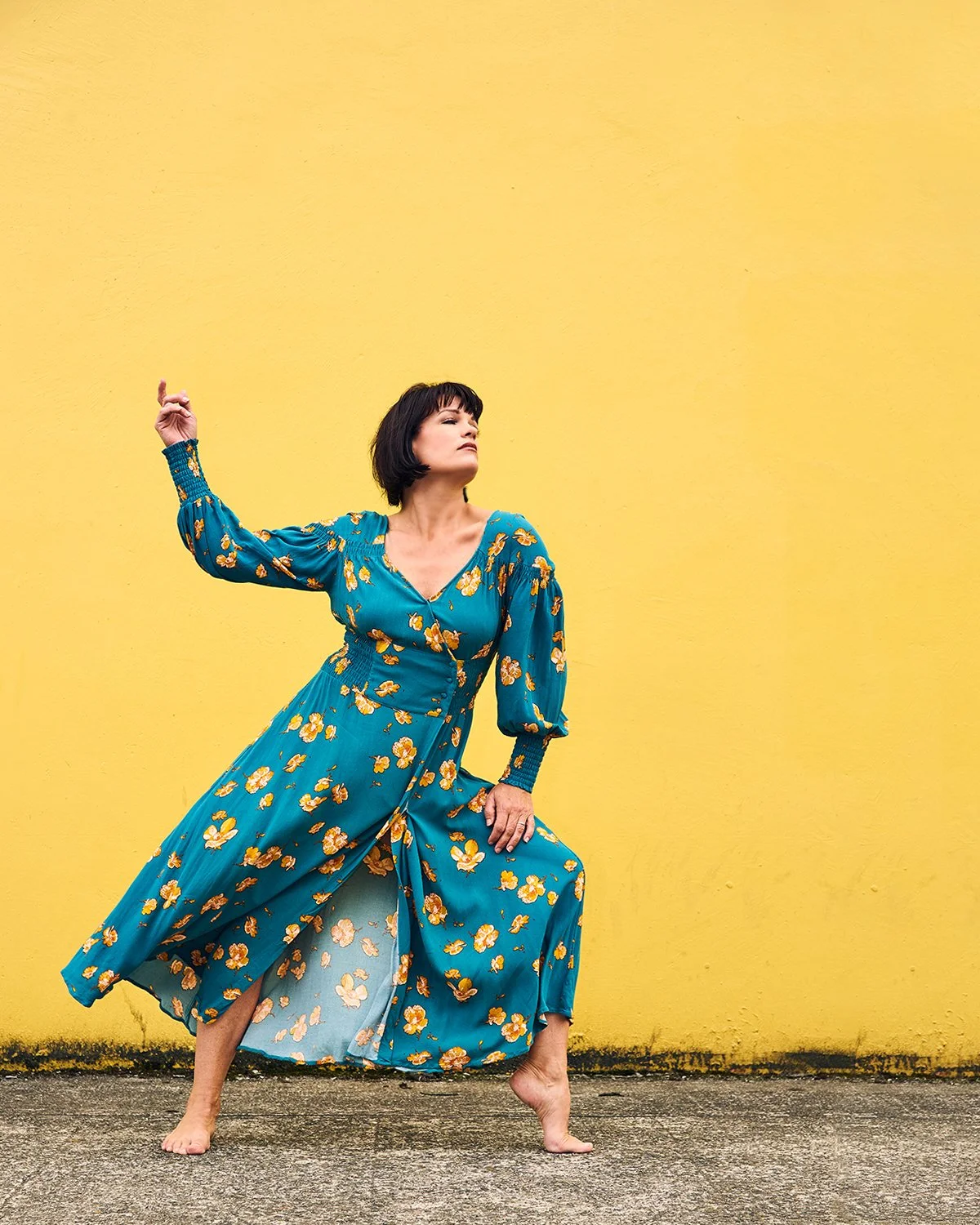
Photo by Nigel Cooper Photography
Freelance teacher Kirsten Cooper is no stranger to the dance world. From dancing in her hometown in Spokane, Washington to dancing professionally in Los Angeles, California, there is no doubt about the amount of experience that she holds. Read on to learn more about Kirsten’s dance journey and her work with Westlake Dance Center!
Kirsten Cooper has always been a freelance teacher. She has been teaching in the Pacific Northwest for many years now after moving to Seattle following being a professional in Los Angeles. She shares that she mostly teaches jazz, contemporary, lyrical, and theater dance. Kirsten has taught at numerous different suburban studios, but she does the majority of her teaching at Westlake Dance Center where she runs the pre-professional program. She also teaches at the summer intensive at Pacific Northwest Ballet focusing on jazz, and she expresses how much she loves teaching ballerinas. She also shares that she loves to travel as much as she can, sharing that she’s journeyed to Texas, Montana, California, and Bulgaria to teach dance. Kirsten also just finished her Barre Eclipse License where she can now teach barre during her conditioning classes.
When asked about what sparked her passion for teaching, Kirsten shares that growing up in Spokane, she always loved dance. She expresses that she never got serious about it until she reached high school when her dance teacher opened her own studio. “She opened her own studio when I was a senior in high school, so then I was just there all the time” Kirsten shares. When she was at her studio, there was a variety of mixed-age groups that were in her classes. She shares that that is something that made her feel comfortable in the suburban environment and showed her that classes with different age groups were possible.
Going into college, Kirsten attended Pacific Lutheran University for about a year and a half and realized that she wanted to dance in Los Angeles. Once she arrived, she started taking dance classes for about a year and finally landed an agent. She began assisting Rhonda Miller with teaching, helping out in different jobs, and teaching at L.A. DanceForce. She shares that this experience taught her how to teach and run effective rehearsals and sparked her passion for teaching. Assisting also allowed her to create more art in the dance world which is something that she loves.
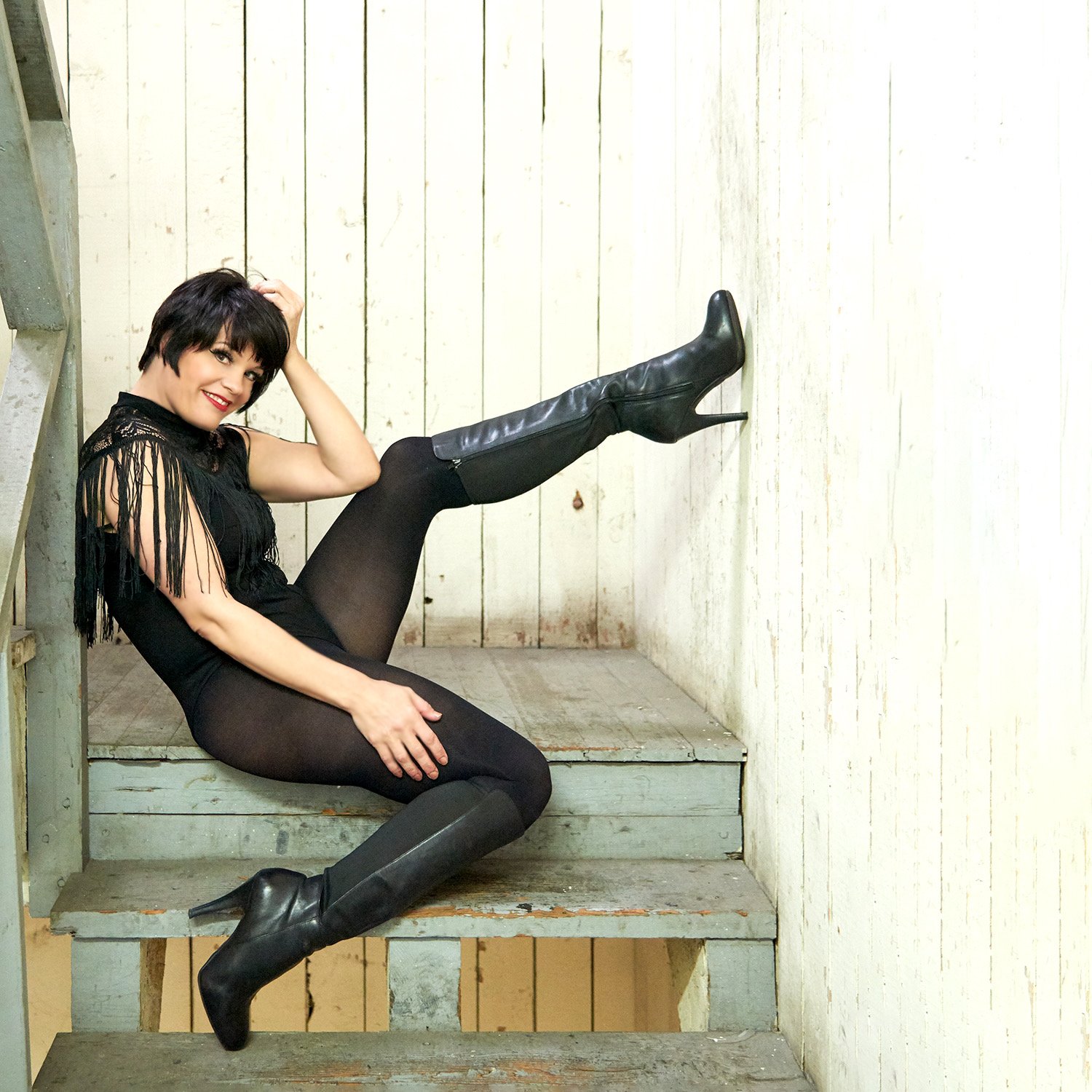
Photo by Nigel Cooper Photography
Moving on to Kirsten’s favorite thing about dance, she shares that the connections people make through this art form are something that she finds to be the best thing about the dance world. “Through my teaching, I’ve seen people from different social-economic backgrounds come and dance together and I think that that is just amazing,” she shares. She also shares that the connection through an emotional basis and a common love of dance is something that is very important to capitalize on in the dance community. The relationships that she has made through people that she has taught are something that is very important to her and sets an example for the connection that dance can make through people.
“My former dancers are some of my closest friends,” Kirsten shares.
One of the biggest struggles that Kirsten experienced when starting to dance is that she simply started training later. While Kirsten excelled at performing onstage, she struggled with more technical elements of dance, such as lacking turnout in her hips. She expresses that getting over the hump of needing to look and be a certain way was a big struggle for her. She conveys that some advice she would give dancers is simply to ensure that they are taking care of themselves. Physical therapy and nourishment are something that she believes are very important in the dance world. Kirsten also says that the aspect of social media in dance can be harmful to dancers but also have some good impacts too. Therefore, she thinks that recognizing the technical challenges of dancing and using social media can put dancers in the right direction to dance safely.
When asked about what she wants to see change in the dance world, Kirsten shares that talking about dance competitions in a healthy way is something that could potentially make a positive impact. There are many unhealthy ways that competitions and conventions are thrown onto dancers at younger ages, and Kirsten acknowledges that aspect. She believes that introducing conventions and competitions in healthy ways is something that needs to happen so dancers can reap their benefits. A way that she thinks the industry could move towards this change is emphasizing improvement instead of constant recognition. “It is nice to be recognized but [that] cannot be the only focus,” Kirsten says of class feedback, sharing that she likes asking her students how they feel about a skill they’ve learned before any kind of outcome from her, as the teacher, is revealed.
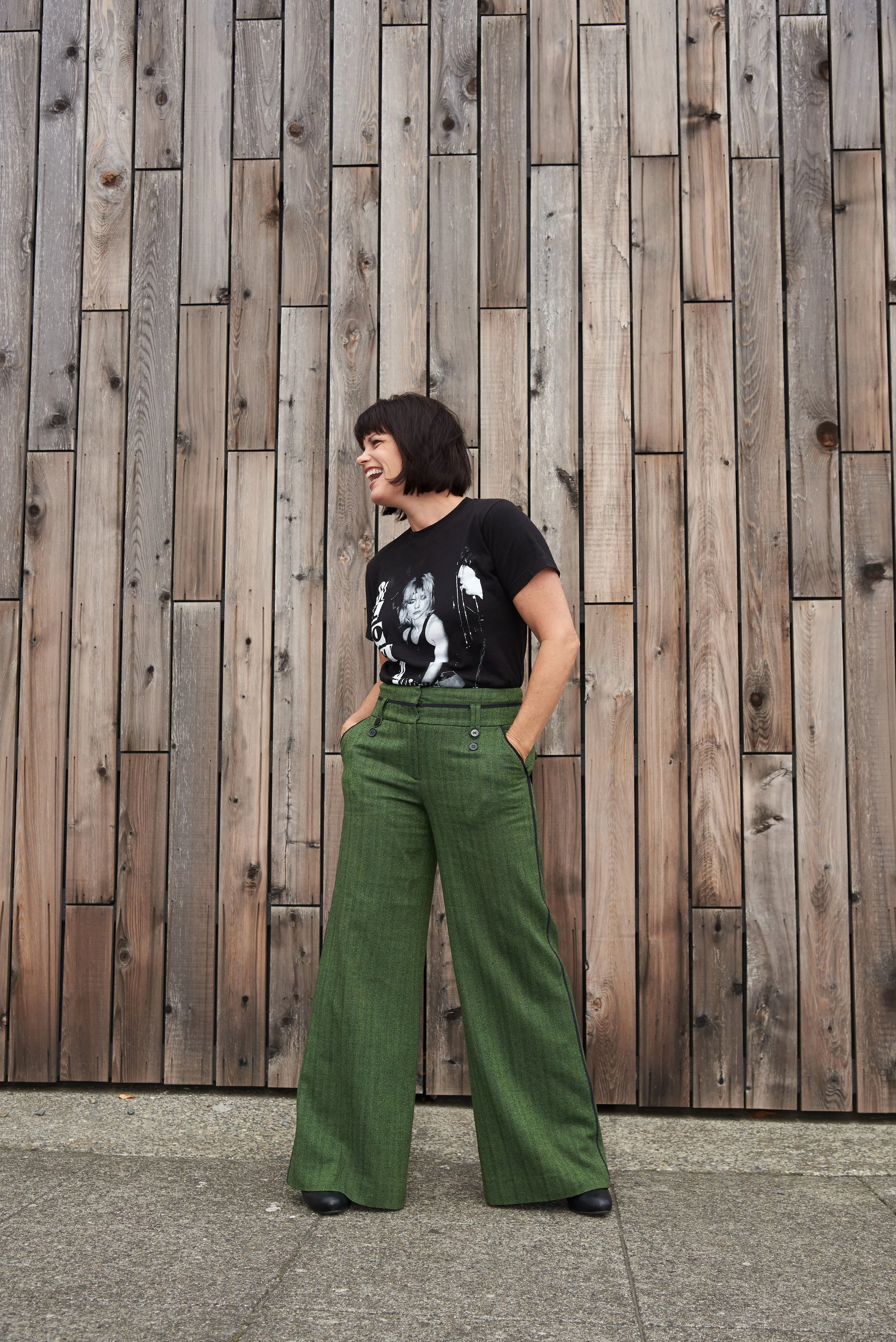
Photo by Nigel Cooper Photography
Coming up this summer, Kirsten is still teaching open classes at Westlake Dance Center and she will be doing all five weeks of the summer intensive program at Pacific Northwest Ballet. For Kirsten’s pre-professional program, she is taking auditions this summer for slots in classes and more information will be up with posters soon. She is also doing a workshop with Broadway dancer Mary Ann Lamb at the end of summer/early fall and typically in the fall, she has workshops with Jaci Royal as well. She shares that anyone that wants to come to these workshops is more than welcome and that they are open to everyone!
For more information about upcoming events with Kirsten, be sure to check out her socials!
About the Author
Sources:
Disclaimer
All content found on the Dancewear Center Website, Instagram, Facebook, Pinterest, and all other relevant social media platforms including: text, images, audio, or other formats were created for informational purposes only. Offerings for continuing education credits are clearly identified and the appropriate target audience is identified. The Content is not intended to be a substitute for professional medical advice, diagnosis, or treatment. Always seek the advice of your physician or other qualified health provider with any questions you may have regarding a medical condition. Never disregard professional medical advice or delay in seeking it because of something you have read on this Website.
If you think you may have a medical emergency, call your doctor, go to the emergency department, or call 911 immediately. Dancewear Center does not recommend or endorse any specific tests, physicians, products, procedures, opinions, or other information that may be mentioned on dancewearcenter.net. Reliance on any information provided by dancewearcenter.net, Dancewear Center employees, contracted writers, or medical professionals presenting content for publication to Dancewear Center is solely at your own risk.
Links to educational content not created by Dancewear Center are taken at your own risk. Dancewear Center is not responsible for the claims of external websites and education companies.
Have you heard of Relative Energy Deficiency Syndrome AKA Female Athlete Triad?
Over 80% of athletes, including dancers and figure skaters are unaware of a highly prevalent condition known as Female Athlete Triad or sometimes, more recently termed Relative Energy Deficiency Syndrome (RED-S)(Tosi & Dodson, 2019). You may find that you are in this category. It was many years until I got a first-hand experience of the manifestations of RED-S. Three weeks before my dance company’s spring recital I broke my arm in multiple places while mat tumbling in acro class. Since then, I have learned a lot about RED-S from my physical therapy education and my own desire to learn about and spread awareness of this condition.
Pronouns: she/her
By Emily Borders, DWC Ambassador

click below to shop the look:
Over 80% of athletes, including dancers and figure skaters are unaware of a highly prevalent condition known as Female Athlete Triad or sometimes, more recently termed Relative Energy Deficiency Syndrome (RED-S)(Tosi & Dodson, 2019). You may find that you are in this category. It was many years until I got a first-hand experience of the manifestations of RED-S. Three weeks before my dance company’s spring recital I broke my arm in multiple places while mat tumbling in acro class. Since then, I have learned a lot about RED-S from my physical therapy education and my own desire to learn about and spread awareness of this condition. This injury likely could have been prevented if I had been taking care of my body the way I should. RED-S is a form of energy deficiency that occurs due to excessive energy output or inadequate energy input. Basically, this occurs if someone is not putting enough fuel (energy) into their body to support their daily physical activity or they are doing so much rigorous physical activity that they are using up all their stored energy; both of these situations lead to an energy deficit and sometimes this can result as a combination of both. As you can imagine, these situations are common in dance training. Many hours of high-intensity dance training, a desire to maintain a certain body aesthetic and lack of proper nutrition, all contribute to RED-S being highly prevalent amongst dancers.
For me, proper nutrition and taking rest days was not strongly emphasized in my dance training. I developed a strong work ethic in dance, which I am grateful for and has shaped me into the person I am today. Due to this work ethic, I found myself extremely dedicated to my dance training. I would train for many hours a day 5-6 days a week, which would often turn into 7 days a week on a competition or convention weekend. I would sometimes even go to the gym after dance or on my day-off to get an extra workout in. If this sounds like you, or even if it doesn’t but you are still involved in dance or another form of physical activity at a high volume, I encourage you to read further and look at the following components to RED-S.

click below to shop the look:
GF Collective Paloma Racerback Bra | GF Collective Compressive Pocket Leggings
RED-S or Female Athlete Triad includes a triad of symptoms. These symptoms include low energy availability, menstrual disturbances including lack of menstrual cycle or irregular menstrual cycle and decreased bone mineral density. Low energy availability can cause increased fatigue, weakness, mood changes, and increased risk of injuries. Decreased bone mineral density increases one’s risk for fracture, which is what happened to me. Injuries and chronic fatigue can be detrimental to a dance career, but these things can often be prevented by fueling one’s body with a proper diet to support high-intensity dance training and incorporating rest days. Endurance athletes including dancers need about 1.4 g/kg of body weight of protein per day, which I can guarantee is a lot more protein than most young dancers are getting. Another way to decrease your risk of this condition is making sure to add rest days and strength training into your routine. Rest days are vital to restoring energy that has been depleted during physical activity and allowing bones and muscles to recover and adapt. Rest days don’t have to look like sitting on your couch. Going on a walk or doing another form of light activity can be a great way to “rest” but still move your body. Furthermore, bones become stronger through weight bearing activities; lifting weights can be a great way to increase bone mineral density and decrease injury risk. Keep in mind that if you are already dancing many hours, nearly every day of the week, I am not encouraging you to add a day of weight training, but having your instructors add some weight training into class or replacing some dance time with cross-training will be beneficial to dance and overall health. If this doesn’t seem possible, making sure to get some weight training in during dance breaks or off-season is another great idea!
Factors that may increase one’s risk for developing this condition include endurance athletes, female gender, having an eating disorder, ages 12-24, and people who feel pressured to maintain a certain body aesthetic for their sport. If any of these seem to apply to you or you think you may be experiencing some of the symptoms described above, I hope you look further into this condition and take steps to prevent it. Don’t wait until a major injury occurs to make a change for your health. Feel free to email emily.stadt@outlook.com if you have any questions or check out the resources below!
Sources:
https://dancenutrition.com/relative-energy-deficiency-in-sport-dancers/
Reference:
Tosi M, Maslyanskaya S, Dodson NA, Coupey SM. The Female Athlete Triad: A Comparison of Knowledge and Risk in Adolescent and Young Adult Figure Skaters, Dancers, and Runners. J Pediatr Adolesc Gynecol. 2019;32(2):165-169. doi:10.1016/j.jpag.2018.10.007
Disclaimer
All content found on the Dancewear Center Website, Instagram, Facebook, Pinterest, and all other relevant social media platforms including: text, images, audio, or other formats were created for informational purposes only. Offerings for continuing education credits are clearly identified and the appropriate target audience is identified. The Content is not intended to be a substitute for professional medical advice, diagnosis, or treatment. Always seek the advice of your physician or other qualified health provider with any questions you may have regarding a medical condition. Never disregard professional medical advice or delay in seeking it because of something you have read on this Website.
If you think you may have a medical emergency, call your doctor, go to the emergency department, or call 911 immediately. Dancewear Center does not recommend or endorse any specific tests, physicians, products, procedures, opinions, or other information that may be mentioned on dancewearcenter.net. Reliance on any information provided by dancewearcenter.net, Dancewear Center employees, contracted writers, or medical professionals presenting content for publication to Dancewear Center is solely at your own risk.
Links to educational content not created by Dancewear Center are taken at your own risk. Dancewear Center is not responsible for the claims of external websites and education companies.
Tips for Exploring Dance in a New City
Whether you’re planning on making a cross-country move like me, or are graduating school and moving on from your familiar dance studio, life is full of transitions - some of which we’re prepared for and others we aren’t. One thing that can help make these transitions feel a bit more easeful is continuing to do what we’re passionate about. And fortunately, one of my favorite things about dance is its universality: no matter what country you’re in, what age you are, or what physical or mental state you’re experiencing, dance can be there for you in one capacity or another. In the short time I’ve spent living in a new city so far, here are some of the tips I have for exploring dance in a new place.
Advice for Dancing Amid Transition
By Madison Huizinga, DWC Blog Contributor

I have recently relocated to a new city for the first time ever. For nearly 22 years, I’ve lived and largely operated within the same 20-mile radius. Understandably, this transition has been a bit of a physical and emotional challenge. I’m miles and miles away from the community that helped raise me, both my family and my beloved dance network. If there was one thing I was certain about when it came to making this life change, it was that I wanted to continue dancing as much as possible. While I’ve yet to establish a solid routine in this new place, attending dance classes has provided a level of comfort and normalcy amidst the whirlwind of change.
Whether you’re planning on making a cross-country move like me, or are graduating school and moving on from your familiar dance studio, life is full of transitions - some of which we’re prepared for and others we aren’t. One thing that can help make these transitions feel a bit more easeful is continuing to do what we’re passionate about. And fortunately, one of my favorite things about dance is its universality: no matter what country you’re in, what age you are, or what physical or mental state you’re experiencing, dance can be there for you in one capacity or another. In the short time I’ve spent living in a new city so far, here are some of the tips I have for exploring dance in a new place.
Do your research

Photo by Glenn-Carstens-Peters on Unsplash
When I began considering making this move, the first thing I began doing was researching dance studios in the city. As a 21-year-old with a full-time job, I wanted to make sure that I could find accessible dance studios that offered classes for adults at times that worked with my schedule. To my delight, I was able to find a plethora of options in this large city, many of which were “drop-in” classes, meaning I could sign up for them individually, often on the day they were being held. For those with a similarly busy schedule like me, I suggest searching for “drop-in” or “open” classes in your area for maximum flexibility. In the Seattle area, dance studios I highly suggest checking out for drop-in classes are Dance Conservatory Seattle, Dance Fremont, Pacific Northwest Ballet, eXit Space, and more.
After doing some Google searches to find dance studios near me, I also explored the website and social media pages of studios to learn more about their faculty and facility. Read the staff bios to learn more about the background and teaching methods of the instructors - do they align with the attributes you look for in a dance teacher? See if there are any videos on Instagram or YouTube to get a sense of what the class is like in terms of technical difficulty. And of course, don’t be afraid to call the studio itself to get more information you cannot find online.
Pack your bag with all you might need
Before I left for my first class, I was admittedly nervous! What if I forgot something important? What if I wasn’t dressed properly? Many questions circled around my frazzled brain. To ease my stress a bit, I picked out some clothes the night before my class to ensure I wasn’t in a rush to get out the door. I also stocked my dance bag with anything extra I might need, including extra types of dance shoes, a water bottle to fill up in the morning, a theraband, a massage ball, and several different types of warm-ups to throw on over my leotard and tights, including shorts and pants.
Arrive early
Since I’m notoriously directionally challenged, I decided to leave for my first class a bit early to leave extra time for re-routing in case I got lost. After mapping the route to the dance studio on my phone, I decided to leave with five to ten minutes to spare. I arrived at the studio several minutes early, which allowed me to take time to familiarize myself with the space, put on my dance shoes, find a space at the ballet barre, take a few deep breaths, and even introduce myself to the instructor. Having these extra moments for me before the class began helped set me up for success.
Remember: it’s okay to make mistakes!
Whenever I start taking dance classes from a new instructor, it can take me a handful of classes to get comfortable with the pacing of the class and the typical combinations. In open ballet classes, it’s often not clear whether the instructor has been trained in Vaganova, Balanchine, Cecchetti technique, or more. Offer yourself some grace as you get acquainted with the rhythm of the classes and, if it makes you feel more comfortable, find a spot at the back of the room so you can follow others in the class for the time being.
When I make mistakes in a new dance environment, where I’m not close with any of my peers, it can feel a lot more serious than it actually is. Back home, if I fall out of a pirouette, I know that I can turn to my friends and laugh about it; but in this new city, there’s no one to turn to yet. Remember that everyone in that class is dancing for themselves - they are not here to watch you mess up. Likewise, whether you’re looking to drastically improve your technique, simply move your body for the sake of it, or somewhere in between: you are attending this class for yourself. To further cement this idea in my brain, it can be helpful to imagine that the dance class is one big mindfulness exercise, focusing on the sensations in my body as I dance and not on who may be looking at me.

Photo by Chris Yang on Unsplash
If you’re anything like me, you might find change a bit scary, especially after getting comfortable with a reliable routine for so many years. But change can also be incredibly exciting. Getting reasonably out of your comfort zone can teach you so much about yourself, the world, and the life that you want to have. When you find yourself in a transitional phase like I currently am, know that dance can still be a part of your life if you have the tenacity to figure it out: which you do.
Interested in writing for the DWC Blog? Click below to fill out the DWC Contributor application!