
An Interview with April Giangeruso of Chameleon Activewear
For as long as April Giangeruso can remember, she’s been drawn to fashion. Whether it’s everyday, streetwear, or fun, printed dancewear, she’s never associated with one particular aesthetic over another, but describes her wardrobe as a “mix and match of all kinds of clothes.”

By Madison Huizinga
Madison Huizinga has been dancing for 13 years, and her favorite styles are ballet and contemporary. Currently, she attends the University of Washington and is studying Communications, Business, and Dance. Madison is presently a company member with Seattle-based dance company Intrepidus Dance. She loves working at Dancewear Center because it allows her to help local dancers find the best shoes, apparel, and equipment possible to further their dance goals and careers. Dance has always been a positive creative outlet for her to express her emotions—so it’s always nice to meet members of the local dance community that relate!
Outside of dance and work, you will find Madison exploring new cafés and restaurants around Seattle, hiking, reading, and traveling.
PICTURED: April Giangeruso, ABT Ballerina & Creator of Chameleon Activewear
Click Below to Shop the Look:

CLICK BELOW TO SHOP THE LOOK:
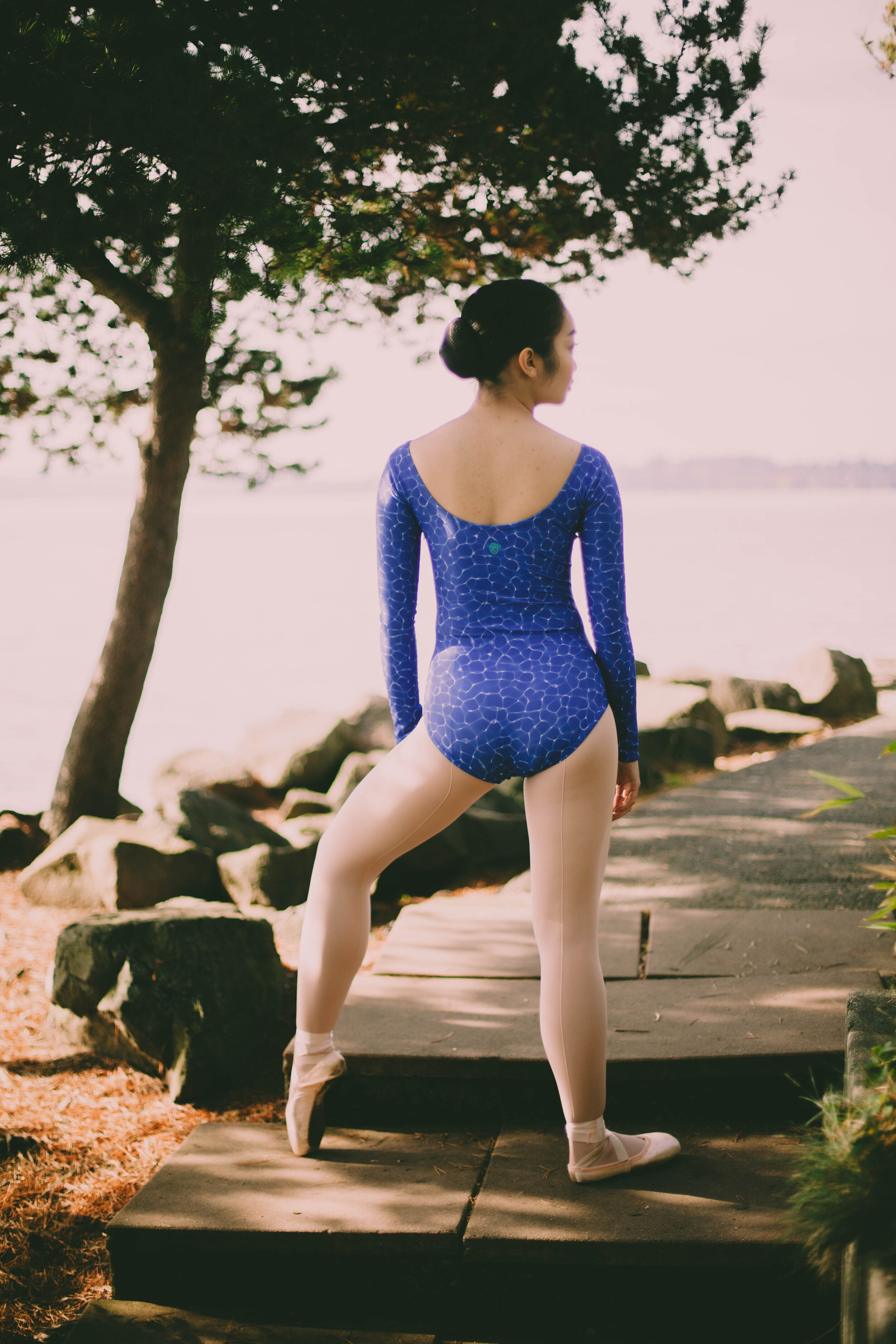
For as long as April Giangeruso can remember, she’s been drawn to fashion. Whether it’s everyday, streetwear, or fun, printed dancewear, she’s never associated with one particular aesthetic over another, but describes her wardrobe as a “mix and match of all kinds of clothes.” When she and her mother began a simple sewing project, creating unique printed leotards for her fellow American Ballet Theatre dancers, it was a mere extension of her infatuation for fashion. But, over time, this ABT-exclusive line of leos transformed into the inventive activewear brand, Chameleon by April Giangeruso, featuring a one-of-a-kind, patented line of leotards with interchangeable sleeves.
April began her dance career early in her life in Maryland at a local studio, where her instructors indicated to her parents that she may have a future in professional dancing. At age 10, April got more serious about dance. She trained at The Kirov Academy of Ballet in Washington, D.C. for four years before continuing her training in New York. At 16 years old, she joined the ABT Studio Company (formerly known as ABT II), a junior company at American Ballet Theatre, one of the most distinguished dance companies in the world. Just two years later, she joined ABT’s main company, where she’s been ever since.
A few years back, April and her mother, Kathy, an award-winning seamstress, decided to work together to create a handmade leotard. Kathy was nervous, she had sewed plenty of everyday streetwear and worked with conventional materials before, but had never experimented with a leotard fabric. However, over the following six months, the pair worked tirelessly to perfect a simple, but flattering leotard cut that is now a Chameleon staple.
CLICK BELOW TO SHOP THE LOOK:
Kathy began making leotards for April and as she wore them to rehearsals, more and more ABT dancers began asking where she got them from. April informed her mother of how much the ABT dancers loved her leotards and suggested she make some more for the dancers in her free time. Kathy ended up creating 30 leotards, which April planned to sell in the ABT lounge. To her surprise, the leos sold out in just two minutes. The next week, hordes of dancers showed up to classes and rehearsals donning their “mom-tards,” a term the ABT girls coined to reference April’s mother creating the leos. The dancers were infatuated with the bold, vibrant prints that Kathy used, as well as the complimentary cut of each garment.
In May of 2019, April officially launched the activewear brand Chameleon by April Giangeruso, where she began selling classic, camisole-style leotards in the bright, colorful patterns that the ABT dancers fell in love with. The name “Chameleon” comes directly from the dance world, referencing a dancer who can transform through different styles of dance. “It’s a label a dancer wants,” April insists.
April seeks inspiration for her Chameleon creations from an abundance of sources, but her fellow ABT colleagues certainly play a big role. Many of the leotards are even named after ABT dancers themselves, such as Principal Dancer Isabella Boylston for “Bella’s Holy Meow” leotard. April follows popular fashion trends to help inform her new designs, but ideas also strike her in unlikely places, such as when she’s lying awake in the middle of the night. Ultimately, what Chameleon has become is a love letter to April’s dual passions for bold fashion and dancewear.
When the COVID-19 virus hit the U.S. in early 2020, April was naturally worried about how the pandemic would affect her small business. With dance studios closing, she feared people would be less eager to purchase Chameleon leotards. But fortunately, Chameleon was able to not only survive but thrive throughout 2020. “People wanted leos to brighten their moods,” April recounts. During such a tumultuous time of dismay and stress, it isn’t hard to see why dancers would want to reach for lively and vibrant leotards to bring them some joy.
Recently, Chameleon has introduced an ingenious patented line of interchangeable sleeve leotards. Each of these leotards features long sleeves that can easily zip off when dancers get too hot or simply when they want to change up the look of their leos. Moving forward, April sees the brand delving more into different types of activewear that carry the same colorful Chameleon spirit.
If April were to choose one word to describe her work with Chameleon, it’s “fun,” and that certainly comes across. In an industry that often values uniformity and sameness, Chameleon provides an opportunity for dancers to step out of the crowd and celebrate their individuality. The uniqueness of these leotards isn’t just on the surface, as April explains that numerous dancers have written to her saying Chameleon’s leos help them feel more confident when dancing. Her greatest wish is that Chameleon products help dancers feel more beautiful and enhance their confidence in the studio.

CLICK BELOW TO SHOP THE LOOK:
At the start of April’s journey, questions and “what ifs” constantly rolled through her head. She kept convincing herself that her dream of creating Chameleon was impossible to make a reality. But a simple sentiment that her husband voiced to her pushed her to try to make it happen: “what do you have to lose?” She explains that the road that’s taken her to where she is today wasn’t smooth, there were challenges and not everything was perfect. But if she hadn’t taken a chance, she wouldn’t have been able to create Chameleon and share her awe-inspiring designs with anyone outside of the ABT lobby. So her advice for anyone with a big dream is the same simple sentiment: “if you have an idea, try it, you don’t have much to lose.”
Shop leotards from Chameleon by April Giangeruso at Dancewear Center today!
Finding My Version of Success in Dance
If you had a chance to read my “get to know me” blog, you know I have been dancing since I was 5 and now at almost 30 dance is still a huge passion I continue to pursue. Growing up I participated in competitions, I auditioned for and attended a ballet intensive as a sophomore in high school , went the route of adding on dance team in high school and college, sprinkled in some musical theatre experience
By Kelsey Wickman
Kelsey Wickman began dancing at the age of four starting with ballet and tap, then expanding to include jazz, contemporary, lyrical and modern. She refined her ballet training while attending State Street Ballet's summer intensive. Kelsey then continued her dancing while enrolled at Gonzaga University. During college, she participated in academic dance classes, the student-led dance club Boundless, oversaw the dance program's master class program, danced and choreographed for Student Choreography Concerts, performed with the Gonzaga University Dance Team, attended ACDFA and earned a minor in Dance.
Post-college, Kelsey relocated to Salt Lake City where she was able to continue her training at Millennium Dance Complex SLC from a multitude of talented teachers in a variety of styles. In 2015, Kelsey relocated back to Seattle and joined modern company, Version Excursion Dance, who she danced with for 2.5 years. Kelsey is now in her second season with Syncopation Dance Project, a group of passionate adult-age dancers who come together to share their talents. She also participates in the annual artÉmotion adult ballet intensive under the direction of Allison DeBona where each summer she is inspired by dancers of all levels who continue to keep dance a part of their lives even with life, family, work and other obligations. Kelsey's ultimate goal is to still be dancing way into old age.
Outside of dance, Kelsey is the Media Relations Manager at Rad Power Bikes.
Shop the Look: Royal Leotard by Jule Dancewear
If you had a chance to read my “get to know me” blog, you know I have been dancing since I was 5 and now at almost 30 dance is still a huge passion I continue to pursue. Growing up I participated in competitions, I auditioned for and attended a ballet intensive as a sophomore in high school , went the route of adding on dance team in high school and college, sprinkled in some musical theatre experience in productions of A Scarlet Pimpernel and A Chorus Line, minored in dance at Gonzaga University and more. Basically, when I wasn’t doing school work, I was dancing. Yet, at a fairly young age I understood my time dancing to be limited. This understanding went so far that I clearly remember my last Spring Dance Concert in college wrapping up and I started sobbing, like full on stage makeup running down my face sobbing, because I thought I would never perform again. Sure, I might be able continue to take class as I moved my way into the “real world,” but a future that included dance in any serious form was always out of the picture. But, why?
Now, as someone who has managed to keep dance such a pillar of my life despite the challenges of a career, family, and other responsibilities, I have often asked myself what drove that limited view of dance success and how can I be an example for others in a different view of what I learned as success.
As a young dancer the version of success that was shown to me included full time, professional dancers who were taller, leaner and more talented than me. I started playing that comparison game, the one you can’t actually win at, early on and counted myself out before I even tried. I really had no idea there was a world out there with dancers who were of a broad range in ages, body types, skill levels and more who found their own versions of dance accomplishments worth celebrating.
As someone just now figuring this out, I figured I’d share a few ways I’ve redefined success in dance for myself.
1. You don’t have to make dance your career to keep it up. The range of classes, performance opportunities, companies, and continuing education for dancers as adults is only growing. At one point I remember the only adult class at my studio was a beginning tap class that some of the dance moms took while their kids were in competition company rehearsals. Now, there are studios and programs dedicated to building adult dancers as artists, taking them seriously at all levels, which I personally think is so beautiful!
2. Be open to dance finding its way into your life in unexpected ways. Even though you may choose a path that isn’t 9-5 dancing, it doesn’t mean dance might not find you. When I was in my second year post-college working at a public relations agency in Salt Lake City I got pulled into one of the partners’ offices because they wanted me on a new client. The client was a multichannel YouTube network dedicated to dance and they knew I could speak the same language as the client who was partnering with Nigel Lythgoe at the time (yes, I nerded out a lot when I landed this interview for Nigel, our client and the LA Times and got to be on the call). It was such a fun way for career and dance to cross paths in a totally unexpected way and I got to see career and dance success combined.
3. Start finding ways to support a broad spectrum of dance. This can look like a lot of different things and there is not a right (or wrong) way to do this. Watching more dance was one thing that really opened up my eyes to the amount of opportunities that do exist. I started seeing a broader spectrum of successful dancers in a wider variety of styles. I also think this is one way social media is so powerful, it gives us easier access to discovering dance and dancers that make us feel like doing a little more dancing ourselves. That’s how I discovered my current dance family, Syncopation Dance Project. After watching and talking to people involved, I knew it was a dance space for me. You never know what’s out there until you do some looking.

Click Below to Shop the Look:
Luster Leotard by Jule Dancewear | Bullet Pointe Skirt in Lilac

Click Below to Shop the Look:
Support the Arts Hoodie by Sunday Outfitters | Performance Shocks by Apolla Performance
There are more opportunities than ever to take our common love for dance and continue it in so many really rewarding ways. Dance doesn’t have to be your professional career or something you get paid to do to be an important part of your life or to feel like you have found success with it. Showing up, continuing to put in work and loving the movement is success enough, but there are also so many other ways to achieve some really great things when it comes to your dancing. If you love it, keep on working at it.
Dancing With Anxiety
I was diagnosed with anxiety in 4th grade but, honestly, I know I experienced it before then. All my life I have tried to control situations and be very prepared so last-minute situations wouldn’t rattle me. It was hard for me to be spontaneous, and I worried about not living up to other people's expectations.

By Emily Los
Emily Los has been dancing for 7 years, primarily at Cornerstone Studio in Bellevue. She has studied Jazz, Contemporary/Lyrical and Ballet/Pointe. She has participated in Cornerstone Company (captain 2018-19), compete team and the pre-professional program. In her free time she enjoys cooking, painting and spending time with her dog, Bailey.
Medical Disclosure: Dancewear Center does not claim to have any medical expertise on any circumstances or diseases discussed. This is Emily’s personal experience and opinions. If you need help see the resources listed at the bottom of this post. If you or someone you know needs immediate medical attention, call 911.
Trigger Warning: Anxiety

Dancing with Anxiety
I was diagnosed with anxiety in 4th grade but, honestly, I know I experienced it before then. All my life I have tried to control situations and be very prepared so last-minute situations wouldn’t rattle me. It was hard for me to be spontaneous, and I worried about not living up to other people's expectations. Before I was diagnosed, I did not have the words to communicate my feelings, but now, I am learning to identify situations that cause my anxiety, and I have been given “tools” to be able to manage them. All that being said, I am still a work in progress.
At 10 years old, I signed up for a dance class at Cornerstone Studio in Bellevue. I didn’t know much about dance at the time, but I wanted a new experience. Fast forward a year, being at the studio with friends and teachers felt like a safe place. This was the start of my passion for dance. I joined the performing company, which helped me learn how to dance in front of different audiences, work in a group setting, and build relationships and life skills. It is a commitment that requires responsibility, collaboration, and accountability. This team makes me feel supported and not alone with my anxiety.
This was also my first year of Nutcracker. We started rehearsing in September and my mom and I were doing our best to manage the rehearsal calendar along with the regular class schedule. Any parent would understand, whether it is sports, school, or dancing, managing schedules can be hard and unintentional mistakes happen. Picture this: we had a performance earlier that day then a Nutcracker rehearsal that evening. It was the “in-studio dress rehearsal'' but my mom forgot to make a note on our calendar to remind us it was a dress rehearsal. We arrived 10 minutes before rehearsal started and as we pulled up to the studio, everyone was in costume with hair done up. I turned to my mom and immediately started tearing up, “Mom, it’s dress rehearsal and they are going to be so mad at me.” I felt my stomach drop and I started getting anxious and agitated. I had to go into that studio, as the only one not in costume. I was so embarrassed and stressed out because I was the only one who messed up. When I walked in the door, everyone knew how horrible I felt and they were very understanding and comforted me and told me it was okay. It took a while to get over that moment, but I will never forget the feeling I had when I knew I messed up and felt the fear and anxiety. I vowed that I would never let that happen again, so I started being over-prepared for everything. I have discovered this has its pros and cons, and I am still learning how to manage my way through situations.
Dealing with Criticism & Comparison
Like any learning environment, in dance there will be corrections, observations, and criticism directed at the dancer. This can be hard to manage, and some days are harder than others. For me, every day is different, depending on what happens before I step into the studio. Even though I tell myself to “leave it at the door”, sometimes the criticisms pile up in my head alongside thoughts about outside situations and become overwhelming. When stress and tension build up, I tend to get very quiet and try to recover from the panic and anxiety without showing any expression. It can be hard to get through class, but I don’t want to be rude and interrupt or draw attention to myself. Even though I know my teachers and classmates would understand, in the moment I feel alone and paralyzed. When I feel overwhelmed, I tend to compare myself to other dancers, thinking, “I am not good enough and I will never figure out this skill”. When there is a buildup of emotions like this, sometimes I can continue on with the class and overcome the negative thoughts, but other times my only goal is to just get through the class.
So how do I cope? I practice some of the techniques that my therapist and I work on. We discuss potential scenarios, real and/or anticipated. We walk through “worst case scenarios” and tools to handle stressful situations. Here are some examples:
Positive Intent - Imagine your dance class going well, and remember feedback comes from a place of improvement rather than criticism. I visualize myself changing the movement and executing it well, this helps me remove the feeling of judgement from the feedback.
Lock it Away - After a stressful day at school, I need a way to step into the studio with a clear and positive mindset. One of the tools I use is to imagine a container with a lock (mine is a dark wooden chest). The container can be any size, shape or color, and only you can open the lock. I put things inside when I don't want to think or worry about them for a while. I can then deal with the contents of the container when I am ready (for instance, after dance class).
“I always feel as if a weight is off my shoulders when I communicate to see if there might be a problem or miscommunication.”
Triggers within Collaboration
Being part of the Company, Compete Team, and P3 (our pre-professional program) has been an amazing life experience. The mix of responsibility, community, friendship, dependability, and fun gives me a sense of belonging and acceptance for who I am. My anxiety usually lowers when our team collaborates while rehearsing and performing. On the flip side, it can heighten when rehearsals get out of control or go in the wrong direction. It can be frustrating and nerve wracking when there’s a deadline for completing dances and cleaning up choreography. At times like this, I have to remind myself it is not my responsibility to manage the entire team, just to do my very best to manage myself and keep my anxious feelings at a lower level.
As an example, when our team is making a dance that we choreograph ourselves, it can be exciting to share our visions and bounce ideas off each other; however, it can also be difficult not to talk over one another or shoot down another person's idea. Normally, I like to help resolve misunderstandings; but my anxiety heightens when I feel I am not heard or I don't want to be rude and talk over someone else. After rehearsals like this, I tend to feel frustrated and second guess myself. Should I have taken a step back and let other people take control? Did I come off as controlling or irritating? I am still working on developing the skills to be a better teammate and collaborate productively; however, here are some examples of what I currently practice:
Practicing Self-Awareness - Being able to have a sense of where you stand in the group, how you can participate while allowing room for suggestions from others. After some rehearsals (depending on how they go) I will reflect on how I engaged with the group and if I made a negative impact towards someone specific or the whole group. I usually reach out to see if I came off in a certain way from a comment or question to clear the air and allow an open conversation. I always feel as if a weight is off my shoulders when I communicate to see if there might be a problem or miscommunication.
Encouraging Conversation & Open Communication - To bring others into the conversation and including everyone is a critical piece to open communication and collaboration. One technique I like to use to bring others into the conversation is asking, “what was your idea?” or “were you going to add something?”. This encourages more than one person to talk and keep the environment collaborative.

The Benefits of Dance in the Context of My Anxiety
Every day, I try to be intentional in my thoughts and actions. The majority of the time I am balanced and in control, but my anxiety can return quickly. I refuse to let it get in the way of something I love and want to continue throughout my life.
As I progress through my dance journey, I continue to remind myself that I am learning. I can now identify (most of) my anxiety triggers and I can use movement to cope with my anxious feelings. My dance teachers, mom, friends and the dance community give me space to be creative without judgement, which fills me up with positivity and encouragement.
Resources
Therapy has been very beneficial for me. Seeking help from a trained professional is not something to be ashamed of, and you don’t have to be diagnosed with any mental health struggles to go to therapy. I also encourage you to reach out to teachers, friends and family for help with any situations.
Mental health resources for Washington State :
Getting to Know the Creator of Girl Power Sport: Lisa Fairman
Earlier this month, I had the amazing opportunity to sit down and chat with Lisa Fairman, founder of Girl Power Sport. They are a local gymnastics, dance, and activewear brand based in Vancouver, Washington with most of their materials sourced from Portland, Oregon. When asked about how her brand started, it was clear Lisa has been surrounded by the arts and sports community for a very long time.

By Emma Neilson
Emma Neilson is a pre-professional dancer from Seattle, WA. She started dancing at the “late” age of 13, and decided to pursue a possible professional career at age 19. She is currently a Professional Division student at International Ballet Academy in Bellevue, WA. She is a registered Barre fitness and Flexistretcher instructor, as well as a current ambassador for To The Pointe Nutrition.
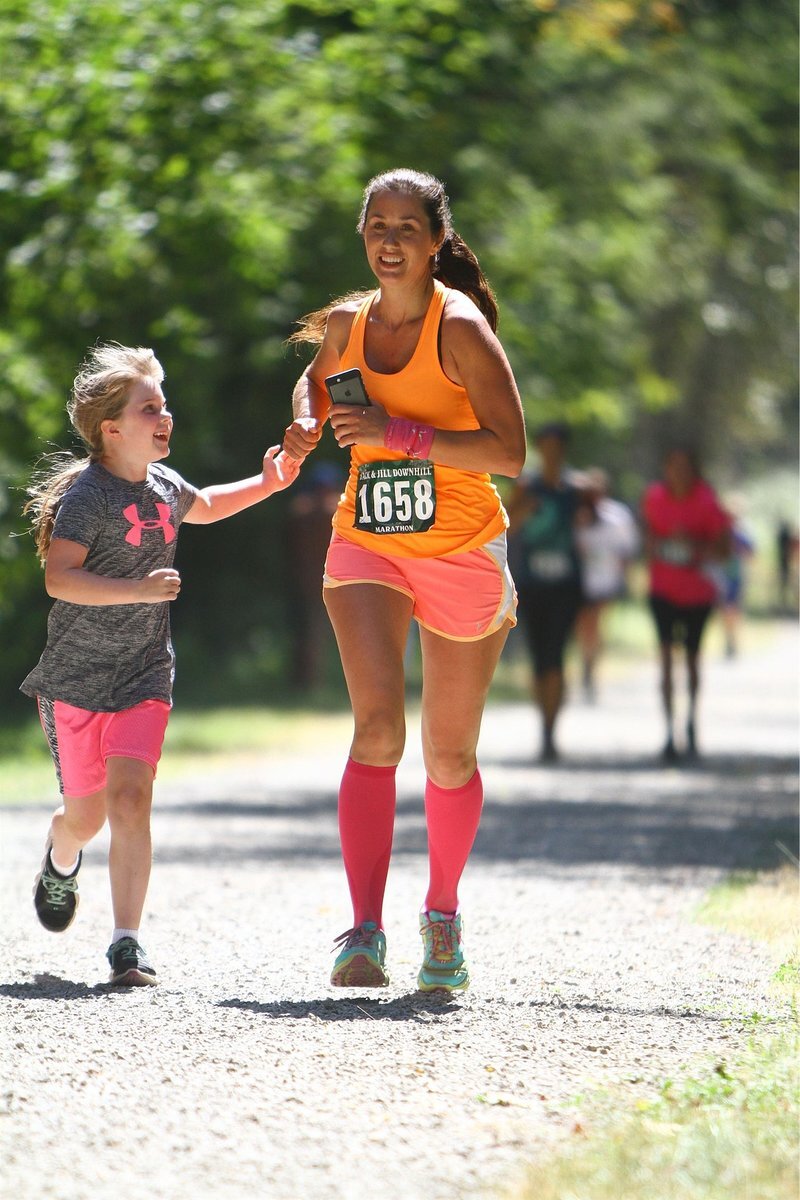
Earlier this month, I had the amazing opportunity to sit down and chat with Lisa Fairman, founder of Girl Power Sport. They are a local gymnastics, dance, and activewear brand based in Vancouver, Washington with most of their materials sourced from Portland, Oregon. When asked about how her brand started, it was clear Lisa has been surrounded by the arts and sports community for a very long time. From participating in ballet, soccer, and theatre herself, to having two daughters in dance and gymnastics, Lisa has first hand experience with what one would want out of this type of apparel. In addition to this, Lisa previously worked for Nordstrom and Zulily, and while there, recognized the demand for and lack of vendors and products on the market. After parting ways with the corporate world, Girl Power Sport was born!
When asked about her transition from buying to manufacturing, Lisa was candid about how difficult it was at first. Though she had years of experience in the fashion industry, she said it was a shock and an eye-opener to see how different things were on the other side. She mentioned how humbling it has been to go through rejection from buyers and retailers and gave some guidance to those who are looking to start their own business:
“So I would say first of all, just whenever you jump into something new, especially with manufacturing and retail, I would say just be open, you know, be open to learning from other people.”
Her biggest piece of advice is being able to pivot and change your business and plans, especially now with COVID-19 making an impact on everyone.
I personally think part of navigating entrepreneurialism includes making sure you have aspects of your brand that will set you apart from the rest, and there are several ways Girl Power Sport achieves this to bring gymnastics wear to the next level. Currently, most of their prints are custom, and Lisa is hoping as time goes on that all of their prints will be custom. The prints are lighthearted, fun, and fresh. They take into account what customers like and try to incorporate humor and encouragement into that, to create something that you will not only feel good in, but might make you smile along the way. They also have coordinating activewear sets to pair along with some of the dance and gymnastics wear.
It doesn’t stop there- Girl Power Sport is very involved with the local community and is committed to donating $1 to charity with each purchase. Lisa was born with a heart condition which resulted in years of health problems and several surgeries. She is an “unusual” case, as she is now healthy, active, and a seasoned runner. Because of this, Girl Power Sport routinely donates to the cardiology fund at Seattle Children’s Hospital. Lisa is truly an inspiration having successfully integrated her personal life experiences and passions into something that is ultimately impacting others as well.

We are so proud to be working with Girl Power Sport, and are greatly aligned in our morals and missions. We want to empower girls and women, serve the local community, and above else believe that movement is for everyone! Lisa said “We strive to be an all around fit… I just felt like dance and gymnastics should be accessible to everybody… No matter what your size. [We] want people to feel like anybody can do dance… you can be any age and be a dancer.” And as some of you readers may know, one of our mantras here at Dancewear Center is “Every body is a dancing body.” Sadly, this sentiment is not shared by the dance and gymnastics world at large, and together we are working to change that and spread this message.
When asked about what other changes she would like to see, Lisa replied saying “I would love for dance and gymnastics to be more accessible [to] ... inner cities and… people who can't pay and lower income families.” She went on to talk about the importance of afterschool programs and recognizing that dance and gymnastics is “...such a healing thing for communities…” She also briefly talked about how much she loves “...the mentorship that goes on with dance and gymnastics with the coaches and the kids… because you spend so much time together. They're just these crazy bonds and I just love that sense of community...” We couldn’t agree more, and along with Girl Power Sport, are here to support these athletes and artists, their parents, teachers, and everyone else in between.
Because it is Mental Health Awareness Month, it was only fitting that Lisa and I chatted about her struggle with anxiety as well. I asked her about her experience and how she manages it, and she had many helpful things to say. She said that a large part of her journey has been “learning how to be living in the present and not… fixate on the past and not stress too much on the future.” She also said she has been learning to be still with herself and how to “reset”. Some coping skills that have helped her include journaling, meditation, and reframing your anxious thoughts. She says she is working on being able to show up in terms of work and business management and at the same time staying centered. This is the art of balance and we both agreed that it is so important to remember that it’s a journey and there is no such thing as perfection!
You may be asking, what is coming next for Girl Power Sport? Lisa said they are currently working on putting together a second production team based in Seattle, WA. Lisa also emphasized how much she values staying local, at least for right now. She prioritizes good working conditions, fair wages, high quality, made in the US, handmade products- all of which is achieved by her hands-on management style. Because of their locality, custom orders are easily produced as well! Lisa and the whole Girl Power Sport team take pride in what they produce, and they love being able to “...share our love with you.” And now, we are able to share it with you too!

“All of us get creative in all different ways to make our dream a reality.”- Lisa Fairman
Click here to listen to a more in-depth interview with Lisa about her personal and professional life story!-
Girl Power Podcast
Available to purchase now in-store and online at https://www.dancewearcenter.net/ and https://girlpowersport.com/
Mental Health in Dance
Mental health in dance is a phrase I never heard growing up. I grew up in a time where there was a huge stigma on mental health. If you needed counseling or help, there was “something wrong with you”. So, every time I was struggling, I pushed it down. I could build a mountain with all the struggle stones I’ve shoved deep down inside.

By Austin Sexton
A singer, dancer and actress, Austin has been honing her triple-threat ability since childhood. She grew up among the Lake Washington studios of Spectrum Dance Theater, the company her mother, Jenny Hillock, co-founded. And, with two parents as dancers, Austin developed a passion for the performing arts at a young age. After training at Spectrum for many years, as well as Seattle Children's Theater, Austin studied at Dance Fremont! during her teen years.
Throughout her stage career, she has performed leading roles in "The Wiz," (Glinda),"Cabaret," (Sally Bowles) and "Anything Goes" (Reno Sweeney) with Summit Youth Theater Company. As a concert performer, she has danced the works of Eva Stone, Kabby Mitchell III, Jenny Hillock, Jason Olhberg and Dance Fremont! co-founders Mary Reardon and Vivian Little and many more.
After graduating from high school, the mezzo soprano went on to pursue her degree in music, where she studied music theory, piano, choir and vocal performance, During her college years, she pursued an opera workshop, performing scenes from "Falstaff" and Gloria Swisher's one-act opera, "Poker Alice."
As a co-founder of Relay Dance Collective, a formerly well known dance company in Seattle, she was inspired by the vision that allowed her mother, and other great dance artists such as Dale Merrell, to create a company based on inclusiveness and recognition that talent comes in many colors, shapes, forms, and sometimes, from unexpected sources.
Today, Austin remains active in music and dance, and enjoys teaching at Momentum Dance Academy, where she is the Rehearsal Director for their Performance Division. She has choreographed and set works for The Nutcracker, Sleeping Beauty, Alice In Wonderland, Cinderella and Swan Lake. At Momentum, she promotes inclusivity, body positivity, and mental health awareness in addition to the high quality training she gives dancers. She remains a positive impact on the youth of her community by creating a healthy safe environment for students to thrive in.
Medical Disclosure: Dancewear Center does not claim to have any medical expertise on any circumstances or diseases discussed. This is Austin’s personal experience and opinions. If you need help see the resources listed at the bottom of this post. If you or someone you know needs immediate medical attention, call 911.
Mental health in dance is a phrase I never heard growing up. I grew up in a time where there was a huge stigma on mental health. If you needed counseling or help, there was “something wrong with you”. So, every time I was struggling, I pushed it down. I could build a mountain with all the struggle stones I’ve shoved deep down inside.

Growing up as a larger bodied dancer came with so many extra hurdles and it deeply affected my mental health. I have been ignored, looked at with dissatisfaction, and even been refused training because of the way my body was just naturally built. In addition to that, my mother, who is built in a petite and thin frame, was one of my teachers and I compared myself to her every day. (Despite this, she was so incredibly supportive of my training).
I was struggling with body dysmorphia, depression, and anxiety and despite all the dance training, I was never taught how to ask for help. So instead, I built stones and pushed them down. I suffered. I self harmed, I developed an eating disorder, I was resentful and destructive. I needed help, but I didn’t know how to ask how.
Now, as a dance educator, I have made it a mission of mine to teach dancers how important it is to know how to ask for help. I think mental health awareness should be part of dancers training. The dance world puts so much pressure on dancers to be technically perfect, thin, and fit, but it can take a toll on our mental health. Long term, it can cause dancers to either be destructive or burn out and quit.
One of the ways I try to train mental health awareness and body positivity In my classes is by discussing strength and anatomy: but never size or weight. I advocate for all my dancers--no matter their shape--to have equal access to roles and opportunities. If I see one of my students struggling, I immediately reach out to them. Because I was experiencing my own series of mental health crises during my youth, I now recognize the signs. I talk to their families and help them access the tools and resources to get help.

Most importantly, I make my students feel seen. I wish that just one of my teachers would have taken the time to make me feel seen. How much that would have changed my life. I make sure that in every class, every student gets not only a correction, but also praise for something they’re doing well. Building their self confidence in each class motivates them from within to feel that they are safe to make mistakes with me. I preach to them that they are never wrong for making a mistake, because that is where they can learn and grow.
About once a month, I take 5 minutes at the beginning of class (no matter the genre) as a mental health check in/affirmation and goal setting time. We close our eyes and breathe together, and set goals to achieve in the month. We identify where we’re struggling and what we think we can do to improve together. We acknowledge where we’re thriving and honor that together. If I had had a teacher doing this with me as a young dancer, I absolutely believe I would have not resorted to destructive behavior to feel seen. It would have completely changed my life.
Lastly, I take accountability if I have unintentionally hurt their feelings. I show them that I am not perfect and that even adults can make mistakes. I never had an adult apologize to me in my youth for hurting me. If I ever expressed that I was hurt, it was always spun around to what I did to make them do or say whatever it was that hurt me. In taking responsibility for my actions, even if I know that I wasn’t intentionally trying to hurt them, I teach them that their feelings are valid, that they are visible to me and that they are safe.
Now, instead of struggle stones, I am working on building stones of strength and compassion, in hopes of building a generation of healthy, strong and happy dancers. Will there always be struggle stones? Yes, but I’m hoping that there will be enough supportive ones to hold up the struggle ones when they need it.
RESOURCES
Students, please talk to your parents or an adult you trust if you need help. They can connect you with a doctor. If you need immediate help, here are some resources:
The Importance of Recognizing Burnout in Dance
It’s that time of the year when many studios are starting or well into their preparations for competition and performance season. Especially with the major setbacks the pandemic has put us in when it comes to being on stage, it makes it all the more exciting to be back on stage and dancing again. However, with the pandemic comes another crisis many dancers have overlooked.

By Emma Spencer
Emma Spencer trains and teaches at Academy of Dance in Port Orchard, Washington, and has been dancing for 12 years. She studies multiple styles such as ballet, contemporary/lyrical, jazz, and musical theatre, as well as gets involved in her competition team and Pre-Professional curriculum.
Emma teaches primarily between the ages of 5 and 10, and is very involved with her competition team, Synergy Dance Company, competing at local competitions and performing at local venues such as nursing homes and festivals. Emma has also been featured in her studio’s rendition of “The Nutcracker” as many lead roles such as, but not limited to: the Sugar Plum Fairy, Clara, and the Snow Queen.
When not dancing, Emma enjoys playing video games, digital art, advocating for epilepsy and mental health, collecting rocks, drinking coffee, and photography. Emma is honored to have been accepted as a Dancewear Center Ambassador and is excited to share her passions with the dance community.
Medical Disclosure: Dancewear Center does not claim to have any medical expertise on any circumstances or diseases discussed. This is Emma’s personal experience and opinions. If you need help see the resources listed at the bottom of this post. If you or someone you know needs immediate medical attention, call 911.
It’s that time of the year when many studios are starting or well into their preparations for competition and performance season. Especially with the major setbacks the pandemic has put us in when it comes to being on stage, it makes it all the more exciting to be back on stage and dancing again. However, with the pandemic comes another crisis many dancers have overlooked. Teenagers have been the most affected by the pandemic in terms of mental health, stress, and burnout. Between this last year and our current year, we have witnessed and participated in a plethora of historical events that took away opportunities that we took for granted, such as school, prom, hanging out with our friends, and those of us who are dancers: performing in person in front of a large audience. With the pandemic starting to (hopefully) fade out and scientists grasp more of an understanding of COVID-19, I’m not sure we’re ready for our next world-wide crisis: mental health and burnout.
Being a dancer, you see a lot of stigma against mental health and burnout in general within the community. As someone who deals with mental health related issues myself and spreads information about it more than I regularly complete my homework assignments, it’s disappointing to see that the dance community hasn’t quite caught up with the rest of the world in that regard. You see comments like “you just aren’t trying hard enough” or “you probably shouldn’t be dancing if you aren’t taking this seriously.” It’s comments like these that invalidate the struggles of dancers and make them feel unheard. Because the truth of the matter is that dancers are pushing themselves so far that they're getting burnt out and fatigued, and the pandemic and daily struggles of life are doing nothing to help them either.
What is Burnout and What Causes It?
Burnout is, simply put, your mind and body telling you to take a break (bet you haven’t heard that from your parents 100 times). It’s the consequence of doing too much and is often seen in dancers who’s schedules don’t give them an adequate amount of time to rest and recover after training, although dancers aren’t normally in control of their own schedules. Burnout can also be caused by poor nutrition and physical and emotional stress. Dancers affected by burnout are also more susceptible to injuries.
Burnout Warning Signs
Just like physical illnesses, your body begins to show signs that you need to slow down and that what you’re doing is too much before you experience burnout. Those precursor burnout signs should be a signal for you to take a break and recalibrate your mind and body. Those signs include but aren’t limited to:
Poor concentration
Fatigue
Loss of appetite
Decrease in enthusiasm or desire to dance
Increase in irritability, anxiety, and depression-like symptoms
Inability to “bounce back” completely after intense training
Prevention
The biggest thing you can do to prevent burnout is to educate yourself as to what burnout is. It’s important for teachers, students, and parents to recognize the risks and warning signs of burnout to stop it ahead of time. Burnout isn’t completely avoidable due to its complexity, and the signs and effects of burnout are going to be different for every dancer. However, there are steps you can take to prevent the worst of it.
Adequate Rest
After a long day at dance, it’s important that you give your mind and body the time it needs to relax. Whether that’s active stretching, yoga, or even taking a nap. Resting is important so you feel energized for your next day of classes. Making sure you get a good night’s sleep is also important. You want to wake up well rested and ready for the day.
Eat Well
Note: In this section I briefly talk about eating disorders. It isn’t in depth, but if the topic makes you uncomfortable, please read at your own comfort. I’ll also be leaving resources at the end.
It’s no secret that dancers struggle when it comes to eating well, or at all at times. Eating disorders are common within the dance community unfortunately. As I stated earlier, poor nutrition is a major cause of burnout, so it is all the more important to eat well before and after your classes. I’m not necessarily saying to make yourself a large meal, just a fueling snack before and after classes at least. Your body needs that fuel to create the energy you need to dance all day. If you aren’t eating, your body doesn’t get the fuel it needs to give you energy, and you’ll be left tired and nauseous all day. Give yourself permission to eat.
Know Your Limits
Don’t push yourself harder than is necessary. Set realistic goals for yourself. Being a perfectionist myself, I understand the struggles of feeling that I’m not doing good enough and need to keep pushing myself towards unrealistic goals to the point of causing unnecessary stress.

Click Below to Shop the Look
Find Other Hobbies
Find things to do at home that aren’t related to dance. Being dedicated to dance is great and highly encouraged, but if that’s all you’re doing at home, that’s going to speed up the process of burnout. Take up some different activities such as painting, or music. Not only will it give your brain a break from thinking about dance, but picking up multiple hobbies makes you a more well-rounded person. Finding other things to do doesn’t make you any less interested or dedicated to dance. Make sure there is a life outside of the studio.
Acknowledge Your Students’ Struggles
This section pertains more towards teachers and parents. Give your dancers a chance to recover. Don’t make them push through it, that will only worsen burnout and will take longer to recover. Be there for your students, listen to their concerns, and help them through their struggles. They look up to you as a mentor.
Stigma
The dance world is definitely growing in terms of inclusivity, progressivism, and removing stigmas and stereotypes, but there is still work to be done, especially in the mental health department. “Stigma is a powerful social force that has the potential to prevent treatment seeking and exacerbate the stigmatized challenges” according to a study on burnout written by the World Health Organization that you can read here.
Within that same study, the participants, all of which were either undergraduate students or workers, were asked to rate the degree of which most people would agree with statements stigmatizing burnout. The leading statements were the ones that describe people with burnout as lazy, weak, and undeserving of achievement and praise. It was interesting to see the parallels between the stigmas for the dance world and the work/school environments.
Conclusion
Dance is a sport where you’re constantly on your toes (pun somewhat intended) and you’re constantly grinding to the next goal. It takes a lot of mental and physical energy to be a dancer, and it’s important to take care of yourselves if you’re going to participate in such a demanding art. You’re not lazy or weak for taking a break. You recognized your burnout and decided to do something about it, which is one of the strongest things you can do.
Parents and teachers, please check in with your dancers. Allow them to take breaks when needed. Offer them love and support and listen to them when they are struggling. Your dancers rely on you the most, so it’s up to you to give them the support they need.

Click Below to Shop the Look:
Garden of Snapdragons Leo - Chameleon Activewear|Bullet Pointe Skirt
Getting to Know DWC Staff Member Melissa Koh Krienke
Melissa Koh Krienke is a dancer, teacher, and artist here in the Pacific Northwest. She started dancing ballet at the age of 3 and her passion grew from there. Melissa trained through high school with Ballet Chelsea and got her BFA in dance from Cornish College of the Arts. She has performed with

By Samantha Weissbach
Samantha Weissbach is a dancer, choreographer, and business professional born & raised in the Pacific Northwest. She has been dancing since the age of 2, and continues to dance and teach ballet and pointe professionally in the Greater Seattle Area. Samantha has trained at numerous establishments and programs; however, her primary training was received at Cornerstone Studio, Ballet Bellevue, and Emerald Ballet Theatre.
Currently, she serves as Executive Director of Intrepidus Dance, and is a company member with Intrepidus Dance and Forthun+Rome Dance Theater.
PICTURED: Melissa Koh Krienke, DWC Staff Member
Photo By:
Melissa Koh Krienke is a dancer, teacher, and artist here in the Pacific Northwest. She started dancing ballet at the age of 3 and her passion grew from there. Melissa trained through high school with Ballet Chelsea and got her BFA in dance from Cornish College of the Arts. She has performed with Beth Terwilliger, Converge Dance Festival, the Chihuly Garden and Glass, Dance This, Bridge Project, Tint, PRICEarts N.E.W., Forthun+Rome Dance Theater, Intrepidus Dance, Seattle International Dance Festival, and Carnegie Hall.
Melissa is now dancing professionally; teaching Ballet, Pointe, and Contemporary; and is a co-founder of Trillium Dance Collective in Seattle.
In her free time Melissa enjoys board games, reading, and snuggling with her black cat, Mochi.

Photo by Catlyn Griswell
What excites you the most about joining the DWC team?
I'm excited to join this wonderful group of people supporting the dance community in the PNW! DWC's dedication to inclusivity is important and a huge part of why I wanted to join the team. (Plus Samantha is, like, super cool) ;)
Why & when did you begin dancing?
I started dancing when I was three. My dad took me to see a production of the Nutcracker and apparently I was so entranced I wanted to start Ballet immediately!

Click Below to Shop the Look:
Flexistretcher in Black by FLX | She's Tenacious Leotard by Russian Pointe
What styles of dance do you specialize in?
I've trained in Ballet and Pointe my whole life, but grew to love contemporary/modern dance in college. Contemporary is how I like moving the most now, but I still teach and have a special place in my heart for ballet.
Who is your dance icon and why?
Honestly, right now I don't necessarily have one. I'm feeling very inspired by the little things lately--dancers who I see supporting each other and giving themselves grace during this crazy time--by making art, or taking a break!
If you could give advice to your younger self, what would you say?
Take a second and breathe. You don't have to have everything figured out right this second. Try to be comfortable not knowing everything!
To read more about Melissa, check out the links below!
Getting to Know DWC Ambassador Emma Spencer
Emma’s favorite thing about dance is that it provides a healthy emotional outlet. She has found that her personal struggles with mental health cause her anxiety to physically manifest in her body. Dance for Emma helps to release the tension and allow it to flow through and out of her. “[Dance is] a bit more emotional with your entire body; not just your voice or your hands or your brain. I think it lets go of a lot of bodily tension and not just mental tension.”
By Samantha Weissbach
Samantha Weissbach is a dancer, choreographer, and business professional born & raised in the Pacific Northwest. She has been dancing since the age of 2, and continues to dance and teach ballet and pointe professionally in the Greater Seattle Area. Samantha has trained at numerous establishments and programs; however, her primary training was received at Cornerstone Studio, Ballet Bellevue, and Emerald Ballet Theatre.
Currently, she serves as Executive Director of Intrepidus Dance, and is a company member with Intrepidus Dance and Forthun+Rome Dance Theater.
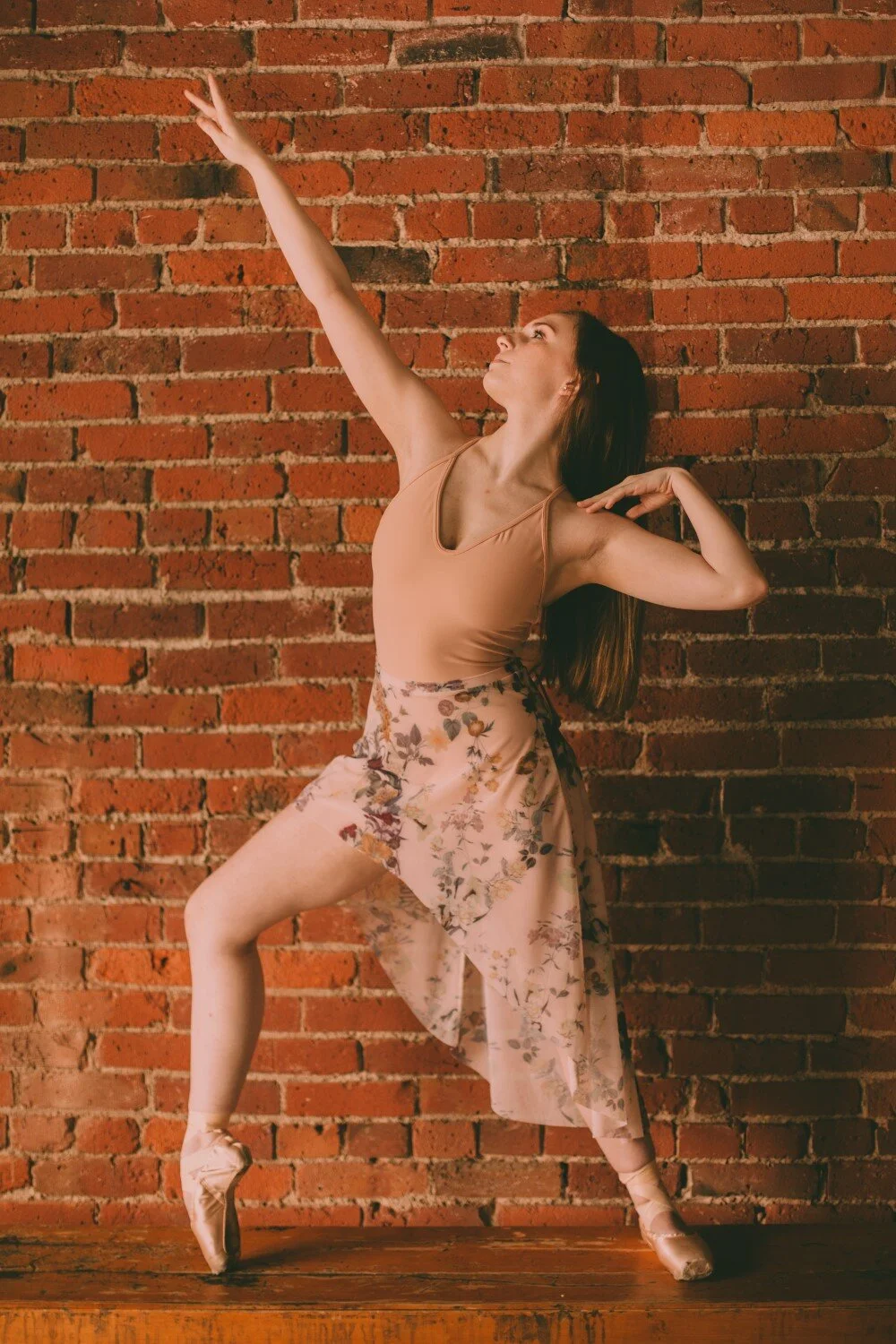
PICTURED: Emma Spencer, DWC Ambassador
Click Below to Shop the Look:
Iris Petal Pink Leotard by Eleve Dancewear and Peacock Skirt Enchanting Mesh by Elevé Dancewear
By Samantha Weissbach
Dancewear Center Ambassador (DWCA) Emma Spencer started dancing in kindergarten, and like so many dance students, grew more involved and moved up through the levels as her years of experience multiplied. She began competing at age 7, began her pointe journey around 11 years old, became a teacher’s assistant at age 14, and now teaches her own classes at the Academy of Dance in Port Orchard. Emma has especially fond memories of the pointe roles she’s since had the opportunity to perform such as Clara and Sugar Plum in The Nutcracker, Tinkerbell in Peter Pan, and Chip in Beauty & the Beast. For only being 17 years old, DWCA Emma Spencer has a lot of dance experience to show for it. In addition to regular dance training, competing, and teaching, Emma is also a member of her studio’s pre-professional program: all while maintaining a full-time school schedule!

Click Below to Shop the Look:
Emma’s favorite thing about dance is that it provides a healthy emotional outlet. She has found that her personal struggles with mental health cause her anxiety to physically manifest in her body. Dance for Emma helps to release the tension and allow it to flow through and out of her. “[Dance is] a bit more emotional with your entire body; not just your voice or your hands or your brain. I think it lets go of a lot of bodily tension and not just mental tension.”
When asked what her biggest challenge within dance is, Emma responds, “I’m very much in my head. I am a huge perfectionist,” and goes on to share that she struggles not to compare herself and her progress to her peers’. “Whenever someone else is given a compliment, I tend to think, ‘oh, I didn’t do well,’ and it’s not that I’m upset I didn’t get a compliment, it’s just that I don’t know if I did well or not and I crave that feedback.”
Her advice for dancers who may be working to overcome these same internal battles? “As someone who struggles with [comparison] myself, it’s a lot of mental blocking. It’s incredibly hard to just stop comparing yourself. It’s easier said than done. It’s a lot of taking the time to focus on yourself and what you should be working on rather than what others are working on.” Emma goes on to share that taking others’ corrections and applying them to herself helps keep her focused on her training rather than on comparing herself to others.
Some other practices Emma has employed are journaling and mindful improvisation movement. “I like to improv at my home studio, and then take time to reflect on that improv, which allows me to stay present and within myself. In class, Emma writes down in her journal both corrections and compliments she receives in class from her teachers and peers. It’s a practice she also instills in her students. “It helps me keep my confidence up.”

Click Below to Shop the Look:
Adult Carmen Wrap Sweater by Wear Moi | Perfect Fit Shorts by Cloud & Victory | K-WARMER Shock by Apolla Performance
What would Emma like to see change in the dance world? “I am incredibly passionate about educating the public on epilepsy and other invisible disabilities.” Emma goes on to share that her own sibling was diagnosed with epilepsy at the age of 7, and with that diagnosis came a lot of fear surrounding how little they knew about the disorder. “Epilepsy is the most common neurological disorder in the United States, and one in every 100 people will have a seizure in their lifetime. With such a common disorder, one would think there would be quite a bit more awareness, but I’ve met people my age or even older who stigmatize or know next to nothing about epilepsy.”
The solution? Education. Emma herself is certified in epilepsy First Aid, and encourages all dance studios (and workplaces in general) to facilitate mandatory CPR, First Aid, and epilepsy training to their staff. Posting visual instructions (i.e. posters) on steps to take when someone is experiencing a seizure could literally save a life. “1 in every 25 people has epilepsy. It’s important for all of us to know what to do during a seizure event.”
Another powerful tool to influence change? Talking. What a lot of people don’t realize is that people with epilepsy oftentimes choose not to disclose their diagnosis for fear of ridicule. “ I spoke with my sibling about why they were previously so adamant about keeping [their] epilepsy a secret, and they told me it was embarrassing. People would joke about seizures or judge a person because of their epilepsy.” Once Emma’s sibling began opening up about their condition; however, they found other people within their own school who also had seizure disorders who were afraid to share their condition: for the same reasons. “Since then, my sibling has been very open about their experiences with living with epilepsy and has made many friends because of it, and it’s inspired me to push myself to eradicate stigmas and misinformation surrounding seizure disorders. Opening up conversations about epilepsy is one of the things we can do to destigmatize it.”
To read more about Emma, check out the links below!
Getting to Know DWC Ambassador Maddie Walker
First finding her home at Harbor Conservatory, and then trained under the direction of Jennifer Picart-Branner, a former dancer with the Frankfurt Ballet Company and guest artist with the Royal Ballet in London. Maddie beams as she remembers, “she is an amazing woman. She’s Filipina, tiny, and brown - which I identified with - and she was a professional dancer in Frankfurt, Germany, and the fact that she broke those barriers especially in the time that she did was huge, and I felt so inspired by that.”

By Samantha Weissbach
Samantha Weissbach is a dancer, choreographer, and business professional born & raised in the Pacific Northwest. She has been dancing since the age of 2, and continues to dance and teach ballet and pointe professionally in the Greater Seattle Area. Samantha has trained at numerous establishments and programs; however, her primary training was received at Cornerstone Studio, Ballet Bellevue, and Emerald Ballet Theatre.
Currently, she serves as Executive Director of Intrepidus Dance, and is a company member with Intrepidus Dance and Forthun+Rome Dance Theater.
PICTURED: Maddie Walker, DWC Ambassador
Click Below to Shop the Look:
Fabiola Peach Crushed Velvet Leotard by Eleve Dancewear and The Tour Bike Short by Honeycut
By Samantha Weissbach
“I’ve always been the type of person where I get super bored if I’m not challenged. I feel like I fell in love with ballet because I was constantly challenged: not just physically but mentally, you know? The terminology, remembering combinations, etc.” DWCA Maddie Walker shares. Maddie, a New Orleans native, started dancing young (around age 3) and after a little while ventured into the world of competitive gymnastics, cheerleading, and figure skating. Years later, in the aftermath of Hurricane Katrina, Maddie and her family relocated across the country to Gig Harbor, WA.

Click Below to Shop the Look:
First finding her home at Harbor Conservatory, and then trained under the direction of Jennifer Picart-Branner, a former dancer with the Frankfurt Ballet Company and guest artist with the Royal Ballet in London. Maddie beams as she remembers, “she is an amazing woman. She’s Filipina, tiny, and brown - which I identified with - and she was a professional dancer in Frankfurt, Germany, and the fact that she broke those barriers especially in the time that she did was huge, and I felt so inspired by that.”
Maddie shares that while she loved ballet, she found that a career in professional ballet wasn’t in the cards for her. “So then I started teaching!” she shares with a smile. Despite never being a competitive dancer herself, Maddie has found herself working primarily in the sphere of competitive choreography. “I love not only the competitive aspect but also the artistry, and working with dancers who want to push themselves past their limits.” She has developed a love for delving into this process with the young dancers she works with, and witnessing their growth as artists is incredibly rewarding.
In addition to teaching, Maddie has also danced professionally in the Seattle area; attending her first professional audition at age 24. Most recently, Maddie has danced with Noelle Price of PRICEarts N.E.W. ‘Noelle pushed me to dance very differently in this capacity and I crew quite a bit in that time - even as a choreographer!”
When asked what her favorite thing about dance is, Maddie says two things stand out to her. “Number one, I love that it gives you the ability to express how you’re feeling and what you want to say without having to ‘say it’.” Number two? “In that same sense I love that it’s a universal language.” Maddie loves to travel and has met so many amazing people in doing so; who oftentimes do not speak the same language. “You can understand someone through their movement and the way that they get into their own process. Dance is the one thing where your body is your vessel. It’s not a paintbrush, it’s not a pen or a pencil - it’s you. It’s just so personal.”
Next we asked, “what has been or is currently your biggest challenge within the realm of dance?” After a long exhale, Maddie replies, “I would have to say insecurities and anxieties. I know it’s pretty cliche but I think my insecurities have always stemmed from thoughts of ‘I’m not good enough. I’m not good enough to be a professional, I’m not good enough to be a choreographer. Am I the right body type? Am I going to fit into that company? I’m just a young adult dancing in my living room: faking it until I make it!’” Maddie shares that while she’s aware of the root cause, she’s still working through these feelings and insecurities.

Click Below to Shop the Look:
Fabiola Peach Crushed Velvet Leotard by Eleve Dancewear | The Tour Bike Short by Honeycut
So what advice does Maddie have for dancers who may be experiencing these same struggles? “I’m realizing that the more I put myself out there and I push myself the more I achieve. I was never going to get there if I skated by and hid in the background. I had to start… ...pushing outside of my comfort zone.” Maddie shares that once she started accepting that this was who she was, and this is what she loves, no one could tell her otherwise - she was completely in control!
In addition to teaching and dancing professionally in the area, Maddie has a career working in the mental health field with at-risk youth. Being an empath, she has a hard time (and oftentimes finds that she can’t) disconnect from her job after clocking out. “One of the biggest things I’d like to see change [in the dance industry] is more conversation around mental health and normalizing that dancers are artists, and artists are innately very emotionally in-touch human beings. [I’ve found that] creative people feel more intensely than people who would identify as non-creative--and that’s okay! That’s what allows an artist to create these abstract beautiful things that other people might not normally think of. Therefore, it takes a little extra to get past certain things.”
In the same way that it can be difficult for Maddie to disconnect after a day working with her clients, she impresses that this same principle applies to our dance students. “It’s important to remember that when a dancer leaves a classroom, they aren’t going to stop thinking about that comment or correction that they are given in class,” which is why she thinks it’s so important to be aware as educators, leaders, choreographers, and directors of the language we use in the classroom. “Instead of saying ‘your feet look terrible’ try saying something like ‘hey, try stretching through your ankle a little bit more, you’re doing great working through your toes, but your ankle could use a little more stretch through it.’ that’s what I try to model in my classroom,” reframing her teaching around strength based and goal oriented strategies and language.
Another passion of Maddie’s is increasing diversity and accessibility within dance education. “Being half-black, it’s important to me that kids in marginalized communities have the opportunity to participate in these kinds of arts and creative outlets, that helps destigmatize [and normalize] feelings in a culturally appropriate and relevant way,” Maddie shares. She feels that “diversifying dance in terms of body type, gender, race, etc. shifts the environment,” oftentimes allowing people to more comfortably inhabit the skin they are in.
To read more about Maddie, check out the links below!
Getting to Know DWC Ambassador Brittni Bryan
While dance has always been an important part of who she is, Brittni’s relationship with dance has been anything but easy. “I stopped dancing around 16 years old for a good year because I was having such a tough time with mental health.” Where dance had previously been an emotional outlet for Brittni, she began to find that it didn’t feel good anymore. “It wasn’t the same,” she recounts, “and it even [physically] hurt sometimes to dance.”

By Samantha Weissbach
Samantha Weissbach is a dancer, choreographer, and business professional born & raised in the Pacific Northwest. She has been dancing since the age of 2, and continues to dance and teach ballet and pointe professionally in the Greater Seattle Area. Samantha has trained at numerous establishments and programs; however, her primary training was received at Cornerstone Studio, Ballet Bellevue, and Emerald Ballet Theatre.
Currently, she serves as Executive Director of Intrepidus Dance, and is a company member with Intrepidus Dance and Forthun+Rome Dance Theater.
PICTURED: Brittni Bryan, DWC Ambassador
Click Below to Shop the Look:
By Samantha Weissbach
“I have a semi-distinct memory of driving past the studio that I first went to. It was nighttime, and I remember my mom pulling into the parking lot and going in to talk to the owner,” Brittni shares with a smile. Around 4 years old at the time, this is one of her earliest memories of starting dance at Debbi’s Dance in Lacey, Washington where she studied Ballet, Tap, Jazz, Acro, Lyrical, and Hip-Hop, and competed all the way through high school. For a time, she also supplemented her dance training with drop-in Contemporary classes at Westlake Dance Center in Seattle. While dance has always been an important part of who she is, Brittni’s relationship with dance has been anything but easy.

Click Below to Shop the Look:
“I stopped dancing around 16 years old for a good year because I was having such a tough time with mental health.” Where dance had previously been an emotional outlet for Brittni, she began to find that it didn’t feel good anymore. “It wasn’t the same,” she recounts, “and it even [physically] hurt sometimes to dance.” During her year away, Brittni did not have a consistent movement practice. At this point, her mom stepped in, hoping to guide Brittni in a different direction. “Hey, there’s this high school across the highway, they have a really good dance team, you hate your school, you don’t want to go to school, most days you don’t go to school… so let’s try this other school,” Brittni laughs as she recalls her mom’s proposition. Taking her mom’s advice, Brittni tried out for the dance team, made the team, and her senior year of high school, she made the unorthodox decision to transfer to a new school.
“I had never danced so fast in my life,” Brittni shares with a laugh. “I remember doing the pom routine and being like, ‘there’s no way. You’re insane.” When asked “but did you do it?” Brittni responded with a grin, “there was no other choice.”
Post high school, Brittni faced the choice of whether or not she wanted to pursue a career in dance. She grappled with many challenges, including self-doubt, and worries about not having a financial fallback should a dance degree not yield a fiscally stable career. She recalls feeling like she didn’t have the type of body for any kind of a career in dancing. After applying for a variety of different dance programs, she decided to go to school for academics.
Brittni continued to take at least one dance class a week throughout the course of her schooling, simply because she still loved to dance. “I never thought I would ever ‘do anything with it.’” Brittni shares. Her senior year, however, a chance meeting in a coffee shop in Seattle changed everything.

Click Below to Shop the Look:
Celine Tea Time Leotard by Eleve Dancewear | Lilac Skirt by Bullet Pointe
“A friend of mine and I were at a coffee shop after taking a class at Westlake and we were chatting about life, and this girl next to us leaned over and asked, ‘are you guys dancers?!’” That “girl” was none other than Brittany Mattox, who at the time was a dancer at Julia’s on Broadway and now is the Founder and Artistic Director of Seattle-based Jazz and Contemporary dance company Coalescence Dance. Brittany encouraged Brittni and her friend to audition at Julia’s, and so Brittni found herself a part of the thriving professional dance community in Seattle. Brittni went on to dance with Julia’s (on and off) for about 5 years, and during that time also became a company member of local Contemporary Jazz dance company 3rd Shift Dance. “Dancing with 3rd Shift got me back into dancing shape through their intensive training and very physical choreography. It brought me back to dance.”
Now, this 30-year-old is a High School English Teacher and Special Education Case Manager by day, and continues to choreograph, train, and dance professionally in the Seattle area on nights and weekends. In addition to choreographing competition pieces with Glass House Dance in Sammamish, Brittni is a company member with Seattle-based dance company Intrepidus Dance. “I’m so happy I’ve found this community of women. It feels healthy, and it feels good.”
When asked what her favorite thing is about dance now, Brittni shares with us that she loves choreographing, and has aspirations to continue to further her choreographic explorations in the Seattle dance community. “I love that right now I’m in a space now where I only choreograph; I just love creating so much.”
As far as challenges within the sphere of dance, Brittni shares a struggle that unfortunately is familiar to so many fellow dancers. “For such a long time it was my body. I knew from a really young age that I didn’t have a ‘dancer build.’” In her middle school and high school years, Brittni struggled with two separate eating disorders. While she still struggles with her body image from time to time, it comes up more now in the context of how her body is viewed by artistic directors and casting agents in the context of costuming. Overall she says, “I would love to see more and more diversity in the dance world.”
Looking back at her dancing journey, Brittni’s biggest piece of advice is actually for parents of dancers who may be struggling with their mental health. “If you notice that your kid is changing, and you’re concerned about it. Don’t just let it happen.” She encourages parents to actively step in and support their dancers. “If you feel at a loss or don’t know where to start, find someone who can help.” Check out DWC’s local dance specialists page for a list of medical professionals who specialize in dance and performing arts!
To read more about Brittni, check out the links below!
Interested in writing for the DWC Blog? Click below to fill out the DWC Contributor application!