
Breaking the Mold to Cement a Place for Oneself
Operating in an industry with rigidly defined expectations and boundaries can take a toll on a person, particularly during an impressionable period in one’s life like childhood. Local dancer and choreographer Robbi Moore opens up on defying the status quo in the dance industry and providing transparency to performers.
Robbi Moore on Defying the Status Quo
By Madison Huizinga, DWC Blog Editor

Photo by Michael Stadler
Operating in an industry with rigidly defined expectations and boundaries can take a toll on a person, particularly during an impressionable period in one’s life, like childhood. Local dancer and choreographer Robbi Moore opens up on defying the status quo in the dance industry and providing transparency to performers.
Growing up in Hamden, Connecticut, Robbi recalls watching their older brother act onstage and feeling inspired to begin dance classes themself. After learning of Robbi’s desire to perform on stage, their mom enrolled them in classes at New England Ballet, where Robbi trained for two years and performed in The Nutcracker as a mouse. Robbi took classes in Ballet, Jazz, and Tap before moving to Dee Dee’s Dance Center in New Haven, Connecticut. The main reason for Robbi switching studios was because the New England Ballet was predominantly white. “My mom wanted me to be around people that looked like me so I could [experience] the other side of the dance world,” Robbi says, as Dee Dee’s is a predominantly Black dance studio.
At Dee Dee’s, Robbi continued taking classes in Ballet, Jazz, and Tap and was also introduced to West African Dance, Gymnastics, and Hip Hop. By the time they hit 11 or 12, Robbi was certain they wanted to be a professional dancer. Desiring to increase their Ballet training, Robbi returned to New England Ballet and later New Haven Ballet in addition to training at Dee Dee’s to up the caliber.
Around 12, Robbi began attending summer intensives, mainly at Earl Mosley’s Institute of the Arts. Robbi witnessed many people they trained with go on to perform with prestigious companies like Alvin Ailey American Dance Theater. Robbi attended EMIA’s summer intensive nearly every year, getting the opportunity to meet dancers training and choreographing in New York. A big perk of the intensive was Robbi getting the chance to perform on a weekly basis. “It was a very important experience for me to have,” they share.
Robbi graduated from the Ailey/Fordham BFA Program in 2015 and spent a year freelancing in New York, dancing with Amanda Selwyn Dance Theatre, The Steps Repertory Ensemble, and AATMA Performing Arts. A year after graduating, Robbi auditioned for Spectrum Dance Theater and moved to Seattle, WA to join the company as a paid apprentice.
Robbi shares that they learned so much from their fellow company members at Spectrum Dance Theater, as the dancers largely worked in collaboration with one another and Artistic Director Donald Byrd. Robbi became a full company member at Spectrum the following year and later left the company a year after that. They began freelancing in the Seattle area, working with Khambatta Dance Company, Coriolis Dance, Karin Stevens Dance, Whidbey Island Dance Theatre, Tacoma Urban Performing Arts Center, Kinesis Project Dance Theatre, and other part-time companies.
“Know who you are even if others do not understand you. Do not put anyone on a pedestal and always put your well-being first.”
Robbi dabbled in various artistic mediums growing up, including piano, flute, choir, and theatre, but nothing stuck with them in the way dance did. Robbi has found satisfaction in the gratification that comes from physically experiencing the practice of dance. “I just liked moving my body more than sitting down,” Robbi says, sharing that musicality and rhythm have come naturally to them after participating in a choir as a child. Whereas singing in front of an audience can feel a bit scary to Robbi, dancing is a happy medium that’s vulnerable and visual, while still being an internal and self-fulfilling endeavor.

Photo by Michael B. Maine
Robbi shares that growing up they experienced a lot of physical and social limitations in the sphere of dance. “It really ties into how people view your body and how your body gets viewed within the parameters of a certain genre of dance,” they say, as there are specific types of bodies and individuals that have been expected to be on display and excel within various genres. Being confronted with this type of challenge as a child, in particular, can greatly contribute to the formation of one’s identity.
“I went to a predominantly Black studio and that’s where I definitely learned about being Black,” Robbi says of identity and expectations. “That was very important, I’m very grateful for that, but it also came with a lot of baggage,” they say, sharing the challenge of having to conform to what a “masculine, Black man was supposed to dance like.”
Exploring self-image and gender identity within the sphere of dance has been a challenge for Robbi. “Gender norms are very binary, especially in dance. And it comes out in physicality as well,” they say, pointing to the expectations that are set for children of all genders regarding how to present themselves on stage. “If you’re a child and you’re discovering your identity and you are confronted with that, it can be very alienating,” Robbi says. Being alienated by an art form that you love can cause a lot of internal turmoil. “This thing that you love is being weaponized against you,” they voice.
Robbi says that dancing is not about becoming exactly like the people they look up to. “They look like them, and I look like me,” they say. “What makes people happy when they talk about their careers is that they can look back and say that they did what they wanted to do,” Robbi says, even if it means breaking the status quo without getting rewarded for it at the time. It’s satisfying to look back on one’s career and think nobody else could have done what I did or have the path that I had.
Robbi is excited to see more and more dancers openly identifying as genderqueer, non-binary, and trans, as a decade ago, that certainly wasn’t the case. “Ten years ago, you understood what your identity was, [but] had to understand the game you had to play in order to make it,” they say. “There’s change coming. There’s somebody that looks like you somewhere.” Robbi also believes that gender roles in dance should be more fluid for everyone and that needing to identify with any of the labels mentioned above should not be a requirement.
In the coming year, Robbi is preparing to perform with Khambatta Dance Company at the Seattle International Dance Festival Mini-Fest on March 4-5 and 11-12, 2022. The company is performing a piece choreographed by Artistic Director Cyrus Khambatta, another piece by Boston Dance Theater, and a piece by Mumbai-based choreographer Sumeet Nagdev. Robbi is also working with Kinesis Project, planning to have a gala in May 2022.
In addition, Robbi is teaching many dance classes and choreographing for Kaleidoscope Dance Company for their June recital and Noir Black Noir at the Tacoma Urban Performing Arts Center, an event featuring all Black composers and choreographers. Robbi has also signed up to take part in takePAUSE 2022, an adult performance opportunity at eXit SPACE. Robbi also got the opportunity to choreograph and film a piece called “Dryad” with Devin Muñoz for Men in Dance. In general, Robbi has enjoyed being able to stretch themself as a choreographer, particularly when it comes to choreographing for students.

Photo by Marcia Davis
Robbi believes that it’s important right now for dance organizations to have a clear intention behind what they’re offering to employees, dancers, and students and what their larger goals are. They share that it’s important for directors to be held accountable, particularly when it comes to providing dancers with contracts and allotting enough time for them to look them over and amend them if necessary. Considering that dancers are eager to get back to moving amid the pandemic, Robbi sees now as an opportunity for the Seattle dance scene to make expectations and processes more transparent and better for the community. During a time when many dancers are risking their health to do what they love and make a living, being able to give them peace of mind, in whatever capacity possible, is extremely significant.
For those interested, Robbi is teaching a Horton-based contemporary dance class on Saturdays at 10 AM at the Tacoma Urban Performing Arts Center, and a ballet class immediately after at 11:30 AM. “I would love to see you!” Robbi says.
In closing, Robbi’s biggest piece of advice for dancers is: “know who you are even if others do not understand you. Do not put anyone on a pedestal and always put your well-being first.”
Mental Health and the Importance of Cultural Competency
From as early as I can remember I wanted to move. I felt a connection to music and energy through the floor that I couldn’t explain. When I look back on the things that shaped me, dance has been a constant. Through dance I found a voice and a method of expression that I couldn’t recreate

By Maddie Walker
Madison Walker started her dance journey at a young age. Growing up in New Orleans as a young mixed woman, she always felt a deep emotional connection to dance that allowed her to express who she was. At 12 years old she was selected to be a part of a small ballet conservatory, JPB Le Petit Ballet (now Northwest School of Dance), where she learned to utilize the backbone of classical technique. For many years Madison studied the Vaganova technique of ballet under Jennifer Picart Branner. Madison studied abroad in the beautiful country of Norway where she danced with Extend, a small dance company.
Since high school, Madison has danced and taught throughout the Pacific Northwest, currently acting as the Assistant Artistic Director of Academy of Dance Port Orchard. In addition to teaching and choreographing, Madison spent the 2019-20 season dancing with PRICEarts N.E.W. as a company member.
Her passions include traveling the world and working as a Certified Peer Counselor by day. Mental health is an educational passion and personal passion for Madison and has led her to serve on a board of directors for United Peers of Washington where she has been able to find avenues to blend her work in art and mental health.
Click Below to Shop the Look:
“Be Nice” Crew by Sunday Outfitters | K-Warmer by Apolla Performance | Metallic Warm Up Booties by Bloch
From as early as I can remember I wanted to move. I felt a connection to music and energy through the floor that I couldn’t explain. When I look back on the things that shaped me, dance has been a constant. Through dance I found a voice and a method of expression that I couldn’t recreate through speaking. Growing up in New Orleans, I had an early appreciation for art and flare as a means of communication. The culture of New Orleans is vibrant― from cajun food to Mardi Gras. When I was young, I rode in parades on giant floats made of papier-mâché and watched as dancers did their choreography to live marching bands down the street; inspiring me with every step.
At the age of 4, my father and biological mother separated. For 6 years I was under the primary care of my biological mother who unfortunately, was living with an active addiction. In the time I lived with my biological mother, I experienced trauma, neglect, and abuse. I found my escape in being able to dance, being able to create with my body, and feeling a physical release through creative movement. At the age of 10 my father married my step-mom who I refer to as my Mom. My mom has been an integral part of me learning to love myself and how to be loved.
At the age of 10, my mom, dad, sister, and I moved to Gig Harbor, Washington after our family had been displaced due to Hurricane Katrina. When I moved to Washington I struggled in a different way. The environment I had lived in before was far different from the suburb neighborhoods that I moved to. I felt isolated because of my culture, my skin tone, and the kinks in my hair, but also because I felt broken amongst what seemed like perfect families. Growing up as a mixed woman I often felt out of place, and still struggle at times to feel I belong in certain spaces. Coupled with my trauma, I often found I didn’t identify with many of my peers.

Click Below to Shop the Look:
Lola Forest Leo by Elevé Dancewear | Mesh Socks by Elevé Dancewear
The reality of being a woman and person of color or a member of a marginalized community is that mental health is often not seen from our perspective. Part of my drive to work in mental health is to be the representation I did not have in my community. I often felt like I did not have the space to talk about certain topics and that my feelings were offensive to others. Even while writing this, I find myself looking for “polite” ways to say I dealt with racial trauma and felt awkward talking to anyone for fear of offending white people.
Being a woman of color who provides mental health services to peers of color means I can identify and relate to their unique version of recovery. Through my work as a Peer Counselor and board member of United Peers of Washington, I am able to advocate passionately for the importance of cultural competency and tolerance. I personally struggled internally for a long time because I came from a background where people go through hard things; this was not “trauma”, this was life. Accepting that bad things don’t have to happen to you is a journey all on its own.
Accepting that it is okay to feel and to be hurt is another hurdle, a hurdle that for many people of color can mean being perceived as weak when society expects us to be strong. For a long time, I thought that acknowledging and talking about my trauma was shameful; but in time I learned that confronting your barriers and growing takes far more strength.
My daily goal is to act as a support to all who feel lost or alone, but especially to communities of marginalized people. Normalizing the feelings of trauma and how we process things is a monumental first step. Allowing ourselves to find outlets and coping mechanisms is the next.
Through sharing my story, my work, and art, I hope to show others that they are not alone and that there is power in your individual and unique story. Today, I recognize and celebrate that my experiences are my superpower. My ability to identify with diverse communities is invaluable, and my past does not define me: I do. But most of all? I found my therapeutic outlet through the dance floor.
“Something about being able to dance has always allowed me to feel a sense of belonging; even if for just the moments I was moving.”
Something about being able to dance has always allowed me to feel a sense of belonging; even if for just the moments I was moving. My parents bent over backwards to allow me to dance when we moved to Washington. I remember driving an hour one way to go to class and sitting in traffic while doing my homework. What I don’t think my parents ever realized is that they saved my life by allowing me to have that outlet. I was able to find myself through creative expression and that is a gift I want to share with the world in every way I can―especially through my work as a peer counselor.
For those of you reading who may not know what a “peer” is in the context of mental health, it is anyone who shares lived experience and makes an effort to share their lived experience in a way that will inspire others to find their own path. Amazing humans all over the world work as peer counselors; but more importantly, there are grassroots organizations and groups in every region of Washington State consisting of peers who offer support to their communities.
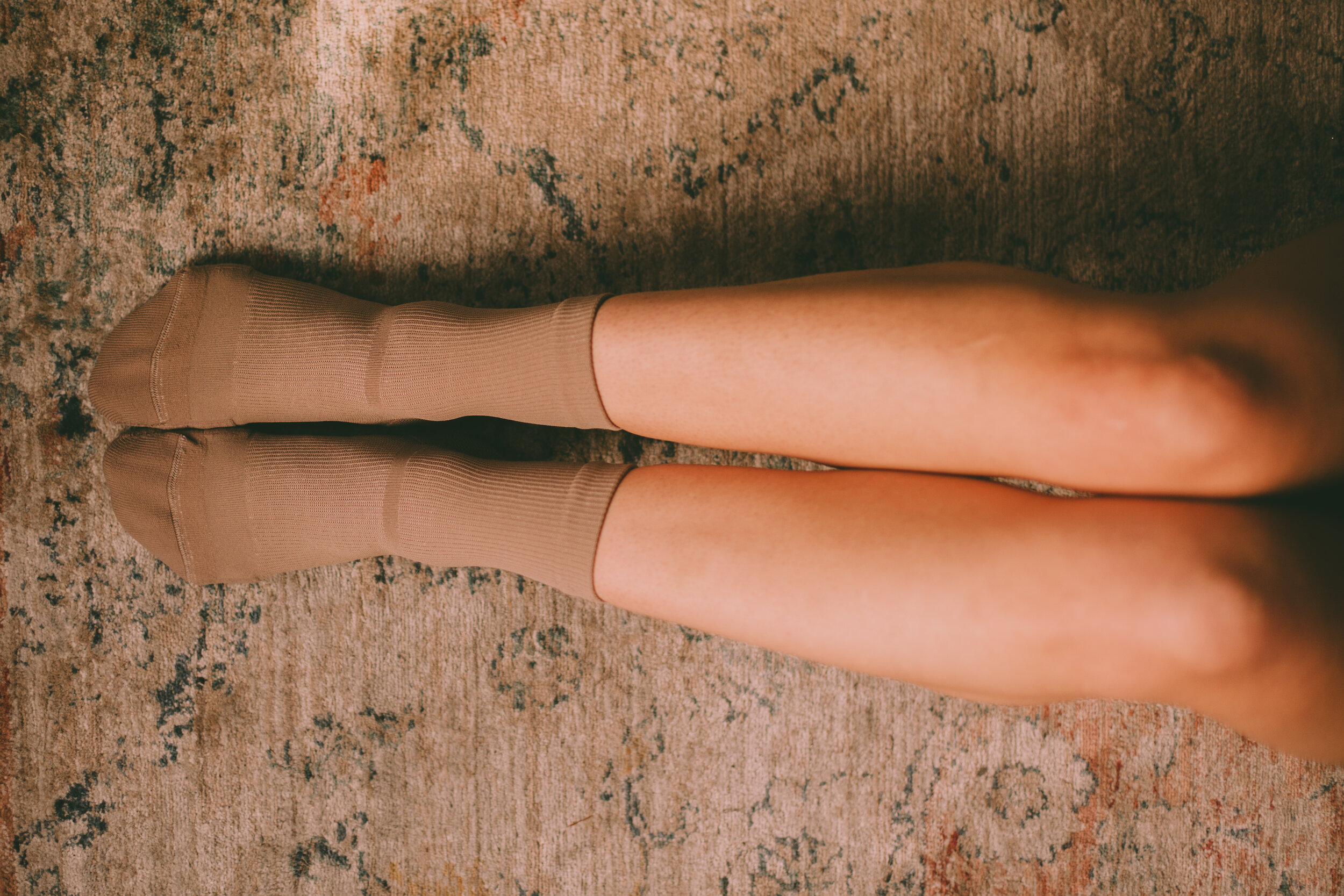
Click Below to Shop the Look:
I am always working on ways to merge my peer work with my art and one way I hope to do that is by providing psychoeducation to communities through the art of peers in my community. Throughout my journey of recovery―from depression to living with anxiety―I have learned that recovery is not linear, and expression is imperative. Finding my community and bridging art and my work has been one of the greatest joys in my life and has inspired me to realize my fullest potential. I encourage you to find your community and to discover your inspiration.
For more information on United Peers of Washington and other Peer related resources, check out the UP of WA Facebook page: https://www.facebook.com/UPofWA
Providing Holistic and Evidence-Based Care
Preparing to dance safely long-term involves more than just what happens in the studio. Engaging in activities that promote holistic physical and mental wellness are important supplements to a dancer’s career. Dr. Paulina Tselikis and the rest of the team at The PATH Rehab & Performance know this well. Paulina and the rest of the specialists at The PATH are dedicated to serving clients who are committed to achieving their personal athletic goals, whether that’s coming back after an injury, preventing one from occurring, and more.
Dr. Paulina Tselikis on the Significance of PT For Dancers
By Madison Huizinga, DWC Blog Editor
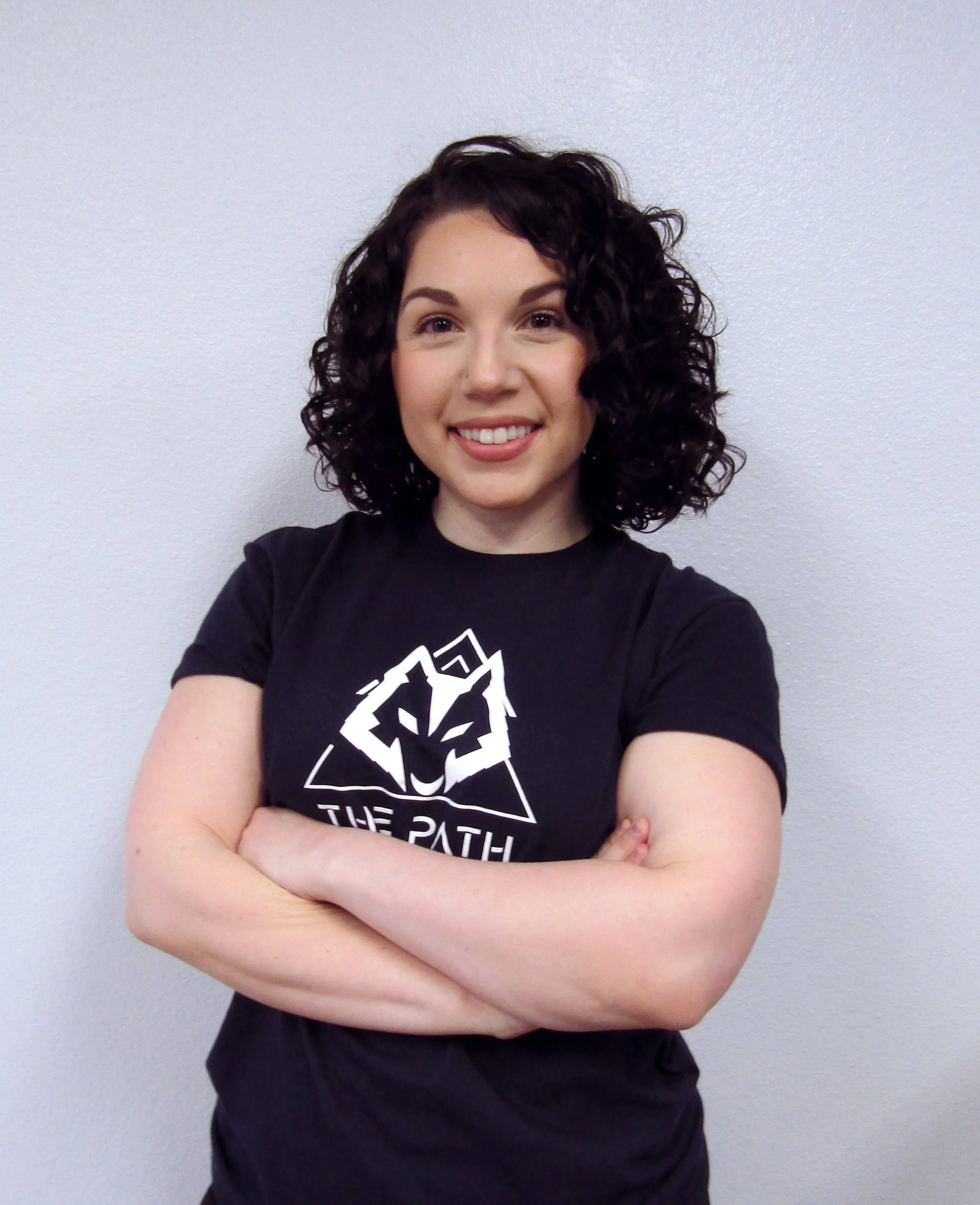
Preparing to dance safely long-term involves more than just what happens in the studio. Engaging in activities that promote holistic physical and mental wellness are important supplements to a dancer’s career. Dr. Paulina Tselikis and the rest of the team at The PATH Rehab & Performance know this well. Paulina and the rest of the specialists at The PATH are dedicated to serving clients who are committed to achieving their personal athletic goals, whether that’s coming back after an injury, preventing one from occurring, and more.
Paulina describes herself as a “late bloomer” when it comes to dancing. She took ballet classes growing up but also dabbled in a variety of sports, including soccer, tennis, and swimming. Throughout middle school and a good portion of high school, Paulina dedicated her extracurricular time to competitive swimming. “Then, in high school, I injured my back and could no longer swim,” she recounts. Paulina visited doctors and physical therapists and described feeling “disheartened to go back to swimming.” “I just didn’t really have that much interest in going back into it,” she describes. During that time, Paulina began taking some dance classes at her high school, as they had a studio space and a pretty well-developed dance program.
“Dance was my way of relieving stress. It was my passion, that’s how I relieved anxiety,” Paulina explains. “I was able to step away from everything and just have fun.” One of her good friends encouraged her to audition for the dance team. Still feeling a little lost after stopping swimming, she decided to pursue the dance team, unsure about where it would lead her. Paulina ended up making the varsity division, which allowed her to further cultivate her passion for dance.
“Being able to help someone achieve their goals [and] get back to what to what they really love, it’s just so rewarding, I think for me, that’s the best part.”
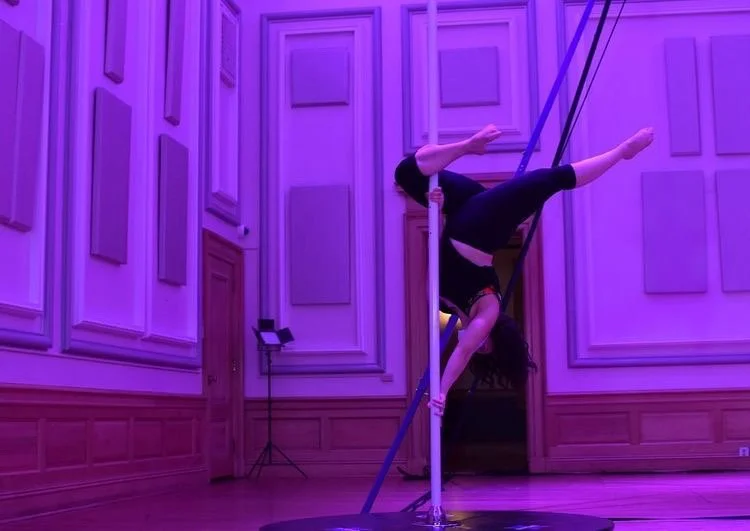
As a career, Paulina knew that becoming a professional dancer wasn’t something she wanted to pursue. She was more interested in following a science- and healthcare-oriented path. Towards the end of high school and the beginning of college, she felt emboldened to pursue a career where she could help dancers and performing artists. So, in college, she studied athletic training and became a certified athletic trainer, later going into physical therapy. While in PT school, Paulina worked with the Pittsburgh Ballet Theatre, which solidified her desire to work with professional performing artists. In her personal life, Paulina has continued taking dance classes here and there and has gotten more involved with aerial arts.
Paulina explains that physical therapy involves “helping someone get back to what they want to do” and “giving them guidance.” Unfortunately, many people are told that they have to quit sports after facing an injury. “Being able to help someone achieve their goals [and] get back to what they really love, it’s just so rewarding,” Paulina says. “I think for me, that’s the best part.” She enjoys being able to create connections and foster relationships with the people she works with, as the PT process can be an incredibly emotional one.
“I think doing preventative work and [focusing on] holistic health and wellness is so important,” Paulina says. “The difference in the longevity of a sport is being able to stay on top of things.” This idea is what inspired Paulina and her partners to start The PATH Rehab & Performance. Paulina and the rest of the providers at The PATH are dedicated to offering a “holistic, evidence-based approach to treat the entire person rather than the diagnosis.” “We want people to come to understand that when they come to us they’re going to be treated as [a] person,” Paulina says, stressing that the team works hard to cultivate a “family” atmosphere.
Within Paulina’s practice, she serves an array of performers in the dance community. Dancers can receive maintenance care, where they undergo preventative injury screenings, as well as traditional rehabilitation PT. Whether individuals are new to dance or seasoned veterans, they’re welcome to receive care. Paulina wants to be a resource for people in the dance community, a beacon of education and service.
Paulina says she thinks that many people don’t fully understand what physical therapy entails, sharing that PT often involves more than just receiving hands-on treatment and possibly 1-2 corrective exercises. Modern PT has much to offer individuals on their road to recovery. Paulina says that many dancers may fear that physical therapists will tell them that they can no longer dance, but she stresses that that’s not her goal as a PT. Rather, her mission is to educate dancers and get them back to doing what they love.
Paulina understands dancers’ hesitations to undergo physical therapy, as historically, PTs weren’t educated on what dance training entails because dancers weren’t perceived as elite athletes. “I think that’s definitely changed and it’s continuing to change,” Paulina says of this misconception.
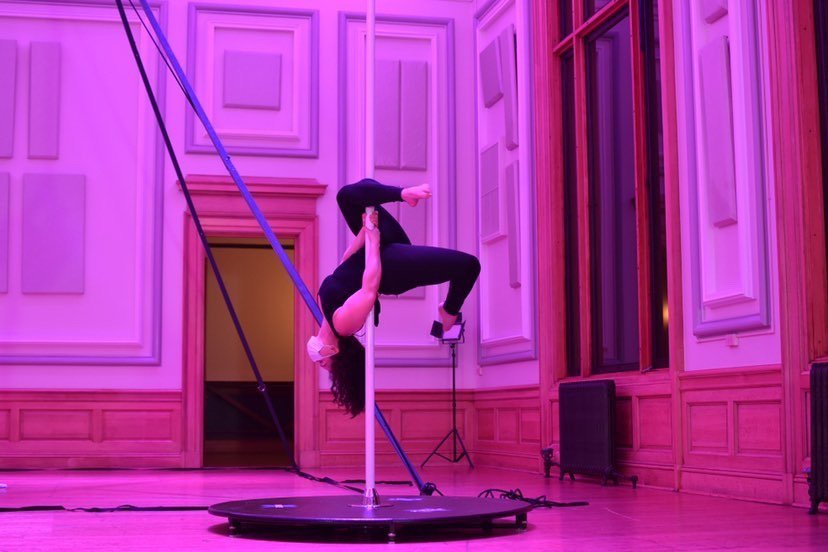
“I’m very passionate about strength training, and implementing that in a form of cross-training for dancers and performing artists,” Paulina says of a change she hopes to see in the dance world. Through her work, she hopes to change some of the stigma behind strength training and teach dancers that it’s a key way of preventing injuries. According to Paulina, holding workshops and seminars to train teachers on how to implement cross-training into their classes will be a useful way to achieve this goal. “I really hope that within my career, I can help start that change, at least in our local community. That would be great,” Paulina says.
ATTENTION DANCE TEACHERS: Dr. Paulina will be a special guest speaker at our next Tea&Tendus Event, Sunday February 13th at 5:00PM, The Green Room, DWC Renton. Tea&Tendus is a free event register below:
Just Graduated High School… Now What?
First of all, congratulations! Graduating high school is no easy feat and I’m proud of you for coming this far. The doors of opportunity have swung wide open, and taking the leap might feel daunting, but you are not alone! I’m here to offer some guidance, describe what may lie behind each door, and let you know that you’ve already done so much that has prepared you for this moment.
So many doors, so many unknowns!
Kristina’s Guide to Dance Careers
By Kristina Koumaeva, DWC Ambassador
click below to shop the look:

First of all, congratulations! Graduating high school is no easy feat and I’m proud of you for coming this far. The doors of opportunity have swung wide open, and taking the leap might feel daunting, but you are not alone! I’m here to offer some guidance, describe what may lie behind each door, and let you know that you’ve already done so much that has prepared you for this moment.
So many doors, so many unknowns!
Introducing our imaginary dance-options-post-high-school tree. Did you know that you planted it the very first day you fell in love with dance? With each new class, your roots grew stronger; with each new skill learned, a branch of opportunity sprouted. The best part of this tree is that it is three-dimensional. Just as your roots intersect and overlap, so do the branches of dance opportunities. You may follow as few or as many as your heart desires, and recognize that this tree is evolving and growing with you.
For the sake of this blog post, I’ve identified five tree arms: Commercial Dance, Concert Dance, Continuing Education, Teaching/Choreography, and Freelancing. Keep in mind that this is not a comprehensive list nor are the options mutually exclusive, it’s actually more likely that throughout your dance career, you’ll climb many of these branches and new ones will sprout as your experience grows.
We’ll begin with commercial dance. This industry exists throughout the world, with capitals in Los Angeles, New York, Atlanta, and a handful of cities abroad. This realm consists of commercials, music videos, movies, and tv shows often booked by your agent(s). I’ve linked a few of my recent favorites! Camera work is crucial and auditions/castings will be a regular, weekly, if not daily part of your life.
Concert dance focuses on movement performed in front of audiences, whether with ballet/modern companies or performing musical theater shows on Broadway. The line between concert and commercial dance has blurred over the years, with street styles on the Broadway stages and musical theater in tv shows; dancers find themselves swinging between the two realms often. Concert dance can incorporate a range of styles and isn’t limited to a specific city. Dancers perform on stages worldwide--it’s up to you to choose your stage!
If you are someone who loves learning and creating relationships, teaching/choreography may be a part of your dance journey. Building curriculums, choreographing phrase work, and connecting with students are all challenging but rewarding parts of the process which can be at your local studios, or on a bigger scale such as at dance conventions/competitions, or even online. One of my favorite virtual escapes during the pandemic was online Dance Church. My biggest piece of advice if you’re pursuing teaching is to be humble, stay hungry, and have integrity.
The fourth branch on our tree is continuing education. This one may be obvious because most high schools encourage their students to apply to college. To be a dancer is to be a student forever, whether you decide to “officially” continue your education or not. Dancers can go to a university or conservatory and pursue a dance degree, they can complete training programs/internships facilitated by professionals/veterans or studios in the industry, or they can move to a different state or country and dive into the classes and culture that belong to that unique place.
Finally, we arrive at the freelancing branch--this one is as unique as it gets! A build-you-own-adventure type of path. In a way, it encompasses a lot of the other branches, but it’s unique in that you must build out your path and understand the financial responsibility of freelance work. Examples include creating marketing dance campaigns on social media, modeling for a dance brand (careful or you’ll end up on @modelsdoingballet -- one of my favorite Instagram accounts for a good giggle!), acting/dancing for an entertainment company at live events, etc. This is the “gig” life, always exciting but requires a great amount of patience.

click below to shop the look:
When it comes time to branch out and pursue the dance work you find most fulfilling or interesting, don’t be afraid to ask for help. I’ve found so much comfort in knowing that every dance journey is different yet we all face similar tough decisions. We all feel anxious at times, and the path isn’t always obvious. Even the most successful dancers will tell you that their paths weren’t clear cut. Look to your mentors for inspiration, find podcasts that can guide your thoughts or help with decision making, and read blogs (like this one!) to get the perspective of other professionals in our industry.
Dancers are unique individuals; YOU are a unique individual, and the bottom line is, if you truly love dance and want it to be your career or at least a part of your career, it CAN be--there is room for everyone! Give yourself grace and trust the process, then watch your tree blossom.
If you have any questions about my journey so far or want to chat about your dance tree, please get in touch on Instagram. Cheers!

Competition and Convention Prep
You may know the simultaneously exciting and stressful feeling of walking into a convention ballroom room bright and early on a Saturday morning. You immediately feel the rush of energy and nerves surrounding you. If you are anything like me, you can't wait to spend the weekend learning from amazing instructors and meeting new people. But what can you do to ensure that you make the most of your time? The right preparation can make a world of difference when it comes to long weekends of conventions or competitions.
Ava’s Tips for Long Days of Dancing
By Ava Budish, DWC Ambassador

click below to shop the look:
Seamless Rib Racerback Leotard by Capezio | Bullet Pointe Skirt by Bullet Pointe
You may know the simultaneously exciting and stressful feeling of walking into a convention ballroom room bright and early on a Saturday morning. You immediately feel the rush of energy and nerves surrounding you. If you are anything like me, you can't wait to spend the weekend learning from amazing instructors and meeting new people. But what can you do to ensure that you make the most of your time? The right preparation can make a world of difference when it comes to long weekends of conventions or competitions.
Physical Preparations:
Everyone’s body is different and has distinct needs but some general things that help me feel ready for a long weekend of dance include rest, stretching, and fueling my body. I like to be extra mindful to not push my body too hard in the days leading up to a convention weekend. I often still have classes throughout the week even up until the day or night before the convention, so making sure I’m not overworking myself is helpful and keeps me energized throughout the whole event!
Additionally, keeping my body warm and stretched can make a long weekend of classes easier and more enjoyable. Some light warm-ups before class like prances, relevés, or even a short yoga flow all warm me up without tiring me out. One of the things that I find most beneficial is to make sure I am fueling my body! Keeping myself fed with food that energizes me is the key to my happiness and success over long days of dance.
Mental Preparations:
Beyond just the physical aspects of preparing for a competition or convention, an important piece to consider is the mental side. Convention and competition weekends can be just as exhausting mentally as they are physically. I don’t dance my best if I am frustrated, insecure, overwhelmed, or even just flustered. Conventions are often in new surroundings filled with loads of new instructors, styles of dance, and choreography. All of these things can be overwhelming. The same goes for competitions. Many times, there are lots of nerves and anticipation. Sometimes you may be rushing to change costumes and then run right back on stage. To clear my brain, I meditate or follow guided breathing exercises. Sometimes just putting in headphones and listening to my favorite music while I warm-up or stretch can help calm my nerves too. Everyone has different rituals or ways to calm themselves, but going into the day with a clear head is the most important part. Both of these things help me to center my thoughts and feel more prepared to learn, create, and dance my best!

click below to shop the look:
A large aspect of competitions and conventions that can cause nerves is thinking that everyone around is judging me. It’s important to remind myself that everyone is more worried about themselves. Everyone in the room is in the same position as you and they are too preoccupied with their own dancing to judge you.
The final thing that makes me feel prepared going into a long weekend of dancing or even an audition is picking out an outfit that makes me feel confident! If my leggings keep falling down or my leo is uncomfortable it can be distracting. However, if I am wearing an outfit that makes me feel amazing I automatically walk in more confident and I can focus on my dancing!
I hope that you find these tips helpful when preparing for competitions and conventions this season!

Starting Ballet in Adulthood
Starting ballet as an adult can be a terrifying and nerve-racking experience. But it should not limit you from giving ballet a chance because when you look back, it will be worth it.
Coco’s Tips and Tricks for Your First Class!
By Coco Liu, DWC Ambassador

click below to shop the look:
Carmen Wrap Sweater Wear Moi | Hanami Stretch Canvas Ballet Shoe Capezio
Starting ballet as an adult can be a terrifying and nerve-racking experience. But it should not limit you from giving ballet a chance because when you look back, it will be worth it.
My Very First Ballet Class
At a young age, I was able to see quite a few well-known ballets, such as Swan Lake and The Nutcracker. I was just mesmerized by the dance form itself, I never truly understood how difficult and technical ballet was. It took several months of taking ballet classes that I truly grasped the difficulty. To this day, I still remember stepping into my very first ballet class. It was winter of 2018, I found a beginner ballet class at The Ballet Studio in University District. The moment I stepped into the classroom, I felt like I didn’t belong. The studio was wooden-floored, the barre and mirrors were a bit outdated, a pianist was sitting in the corner of the studio, and several students were already stretching by the barre. The teacher, Renzo, came up to me and introduced himself: “Is it your first-time doing ballet? Just follow along!” Renzo asked me to stand in between some experienced students so I had someone to refer to on both sides. We then started the class. Throughout the class, Renzo used ballet terminology in French and my brain just went, “sorry Tendu what?” I tried to copy whatever Renzo was demonstrating, but was not able to focus on my form. I didn’t know what I was doing. At the end of the class, I honestly felt a little bored and did not think ballet was physically challenging, simply due to my lack of knowledge in ballet technique and lack of preparation for my first class. Since I was determined to dance ballet in the center, I wanted to give ballet a shot for at least a month. After gaining more understanding of the technical aspects of ballet a month later, I realized how difficult it is.

click below to shop the look:
V-Back Pink Tank Leotard by Capezio | Bullet Pointe Skirt by Bullet Pointe | Hanami Stretch Canvas Ballet Shoe by Capezio
How to Prep and What to Expect For Your First Class
Here are some tips I wish I would have known before attending my first ballet class.
Learn basic terminology, for example:
Turnout: feet are pointed more to the sides of the body than the front and legs are rotated outwards
Tendu: working leg is extended along the floor until only the tip of the toe remains touching the floor
Plie: knee bending; used in jumps and turns to absorb shock
Eleve: lifted up; rise to stand on the balls of your feet
Watch some Youtube videos from the comfort of your home
Be patient!
I went back home and reflected on my first class then decided to do some research on my own about basic ballet techniques. I watched hours and hours of YouTube videos on basic techniques like tendus, plies, arm positions, etc. I wish I had some of these basic terms in my back pocket before going into my first class. Ever since then, I would watch a couple of new technique videos before attending ballet classes.
Here are three Youtubers I watched:

click below to shop the look:
I started truly loving ballet after learning the basic vocabulary and having some understanding of how to use my muscles correctly. Then, when I attended classes, all the basic movements became so much more interesting and challenging because I was able to focus more on muscle movement.
Introduction to ballet can also be quite boring because all the movements are slower and smaller. But these basic movements are crucial for building the correct muscle for all the big jumps, turns, and fancy movements you will get to do down the line. So being patient at the beginning is key!
How to Make Progress
One of the main practices that helped me was to set a weekly or biweekly goal. For example, I wanted to have a better second position arm placement at the barre and in center. Then, for the next week or two, I would constantly make mental checks on my arms at the barre and in center to make sure I was engaging the correct muscles and training my body to remember this position. By repeating this, my body would eventually build the correct muscle memory so it can hold the position without me giving it too much thought. Then, I would focus on something else. I have been using this technique for the past 3 years and have been very happy with the progress.
Set Your Expectations and Goals
Imposter syndrome in the dance community hits me quite hard. Whenever I browse Instagram or watch a professional ballet performance, I always wish I could be more like the professional ballerinas. But realistically speaking, I was not able to train at a young age, I am not able to dance every single day due to my full-time job, and the list goes on and on. As someone who began dancing as an adult, it would be very difficult for me to have super-high extensions, out-of-this-world flexibility, or do thirty fouetté turns, so it is important to set our own goals and create our own challenges. Ballet has become an important aspect of my life and a passion I would never give up. Dance can still bring us so many benefits in our life, such as providing us with a safe space to express ourselves, becoming healthier, stronger, and more confident, and building a supportive community that shares the same passion as us.
If you are reading this blog post and have some desire to try ballet, please don’t hesitate to try a class! I would strongly encourage anyone to step out of their comfort zone and give dance/ballet a chance. I currently dance at Dance Underground with 2ndActDance and also teach a beginner class that focuses on fundamental movements and muscle usage so dancers can move to the next level with a strong foundation. Feel free to reach out to me on Instagram @x.co.x.co.x or visit our website at https://www.2ndactdance.com/

Panelists from DWC Adult Ballet Q&A Give Advice for Adults Starting Dance
Being able to try new things and explore new hobbies is part of what makes life exciting. Nevertheless, it can be difficult to know where to begin. Lacking viable assistance with starting a new endeavor can deter people from beginning altogether. That’s why on October 31, 2021, Dancewear Center hosted its first-ever Adult Ballet Q&A. Sierra Keith of The Dance Conservatory, former DWC Ambassador Cynthia Randriamanohisoa, local adult dancer with Northwest Dance Cooperative Kim Lucy, and current DWC Ambassador and teacher with Second Act Dance Coco Liu answered questions all about starting ballet as an adult and the things they wish they had known.
By Madison Huizinga, DWC Blog Editor
click below to shop the look:
Carmen Wrap Sweater Wear Moi | Hanami Stretch Canvas Ballet Shoe Capezio | Quilted Warmup Booties in Black Russian Pointe
Being able to try new things and explore new hobbies is part of what makes life exciting. Nevertheless, it can be difficult to know where to begin. Lacking viable assistance with starting a new endeavor can deter people from beginning altogether. That’s why on October 31, 2021, Dancewear Center hosted its first-ever Adult Ballet Q&A. Sierra Keith of Dance Conservatory Seattle, former DWC Ambassador Cynthia Randriamanohisoa, local adult dancer with Northwest Dance Cooperative Kim Lucy, and current DWC Ambassador and teacher with Second Act Dance Coco Liu answered questions all about starting ballet as an adult and the things they wish they had known.
All of these dancers have had different levels of exposure to dance throughout their lives and have it in different capacities within their lives. Additionally, they all have different reasons why they decided to start ballet as adults. “I have always wanted to do ballet, ever since I was a child” Cynthia shares. “[But] I didn’t get the opportunity until I went to college.” She began ballet at a school club, later attending open classes after moving to the United States.
Similarly, Kim loved to play dress-up and dance as a child, eventually joining a dance drill team in high school. “I’ve just always loved ballet as an art form,” Kim says, beginning her ballet practice in college. She shares that there are many supportive options for adults within the Seattle area, more than many may realize. Adults do not have to resort to being in classes with people years younger than them. “You can wear what you’re comfortable in, there are all sizes of bodies,” she says of the ballet classes she’s taken. Kim also points out that most dancers are so focused on their own training that they don’t pay attention to others in the class, there is little judgment. As opposed to other forms of exercise, Kim says that ballet allows her to engage her mind too, making it both physically and mentally engaging.

click below to shop the look:
Coco was exposed to dance at a young age, but truly fell in love with the art form when she watched her friend perform in Utah. After returning to Seattle, Coco began taking ballet classes and found herself deeply enjoying how her body and mind felt after class, describing it as a meditative experience.
Sierra says that growing up she was a mover, she loved to dance freely around her house. However, growing up in a family with a low income and in a small town lacking a dance studio, she had little opportunity to join a dance community and take classes. In college, she saw a professional ballet dancer perform and “fell in love” with the art form. After several years of working, Sierra injured her arm and lacked sufficient help from her doctors. She decided she would try to work through the problem on her own, taking ballet classes and gradually integrating movement back into her body. After a couple of months, she was able to move her arm again. “I was hooked at that point,” Sierra says. “I found that through the movement I was able to rehabilitate myself...ballet turned into something important for me.”
There were many surprises for the dancers as they began ballet. Sierra describes feeling surprised that she even liked dance, as she never imagined enjoying physical activity. Kim was surprised at how much she’s progressed in the practice, explaining how excited her five-year-old self would be to learn that her 41-year-old self would be dancing in pointe shoes. “I didn’t realize how much detail there was to ballet,” Coco says. Cynthia shares this thought, she was surprised with how complex the practice is and how there is always room for improvement.
The panelists cleared up some misconceptions and answered some common questions adults have about starting ballet. For example, they shared that it’s acceptable to wear whatever you feel comfortable in, not just tights and a leotard. “You should definitely pick an outfit that you feel comfortable in,” Sierra says. “A lot of adult ballet dancers find their own unique style and I always think that’s cool... it’s always a combination of a little bit of dance clothes and a little bit of street clothes.” Leotards, skirts, pants, T-shirts, socks, ballet slippers, and more are all welcome! Kim recommends going to a dancewear store to get fitted for ballet slippers, as they often have weird sizing, but that’s all that is specialized. Nonetheless, Cynthia recommends double-checking with the studio to ensure there is no dress code; however, most open classes do not require them.

click below to shop the look:
Seamless Rib Racerback Leotard by Capezio | Bullet Pointe Skirt by Bullet Pointe | Infinite Shock by Apolla Performance
Many adult dancers take ballet for the training, others take it for the performance opportunities or both. Cynthia says that many performance opportunities at studios are optional and have varying degrees of formality. For instance, not all performances take place in an auditorium or theatre setting, others are smaller with solely family and friends in the audience. She recommends researching and reaching out to different studios to see what opportunities they have. Sierra points out that ARC Dance, eXit Space, and Westlake Dance Center all have adult performance opportunities, also sharing that adult dancers should feel empowered to create their own performance opportunities.
Coco shares that dance has changed her life, she hasn’t had a passion that’s persisted this long. Kim says that dance has been a form of therapy for her. As a wife, mother, and full-time employee, dance has served as something that’s solely for her, making it even more special. Cynthia has been impressed with how she’s been able to make her dreams come true through dance, achieving things she didn’t imagine possible 20 years ago. Sierra shares that it’s the best part of each of her days.
Sierra points out that many people in her life tell her that they want to try dance, but have something holding them back, whether that be their age, current activity level, or any other factor. Sierra encourages them to not wait and give it a try!
Tips For Setting Dance Resolutions For the New Year
Before the start of a new year, it’s commonplace for people to set goals they hope to achieve following 11:59 PM on December 31. People set goals of all shapes and sizes, some small and realistic and others large and out of proportion.
By Madison Huizinga, DWC Blog Editor

Before the start of a new year, it’s commonplace for people to set goals they hope to achieve following 11:59 PM on December 31. People set goals of all shapes and sizes, some small and realistic and others large and out of proportion.
As dancers, we’re well-aware of what it’s like to work towards goals we set for ourselves and goals that others set for us. In dance class, it often feels like there is always something we are working to improve upon. Sometimes within our dance training, setting goals can feel futile, particularly when we start comparing ourselves to others. It can also be challenging to know where to begin. For instance, a consistent goal I have for myself within my dance training is improving my turn-out. But what exactly do I mean by that? How will I measure my progress towards achieving this goal? Is there a deadline I want to achieve this goal by? And how on Earth do I begin? Rather than having questions like these swirling around your head, it’s much more effective to make a plan. Fortunately, utilizing strategies like the SMART goals acronym and planner tools like Whimsy & Rhyme’s “Pirouette Planner” can help you out.
The SMART goals concept is widely discussed in academic and professional settings. The acronym was first written about in the November 1981 issue of Management Review by George T. Doran, and since then has received wide praise in a variety of industries. Each letter in the SMART acronym stands for a specific attribute you should make your goals, to ensure they are clearly defined and achievable.
The S stands for specific. The goal you set for yourself should refer to a particular objective you hope to achieve. The more details, the better. For instance, if your New Year’s resolution is that you want to “improve your extension,” that doesn’t provide enough information to help you work towards achieving that goal. However, if you reframe the resolution as wanting to be able to “hold your extension at a 90-degree angle,” that provides a clearer target to aim for.
The M stands for measurable. How will you track your progress towards achieving that goal? Once you outline the specific details of your goal, you will have greater clarity on how exactly you can measure your progress. Let’s say you hope to “eat more vegetables” in 2022. A way to measure progress towards that goal would be to set a target quantity of vegetables to purchase at the grocery store each week. That way, you can have an actual, quantifiable metric to determine whether or not you are working towards that objective.

Photo by Alexandre Dinaut from Unsplash
The A stands for achievable. Is the goal you’re setting for yourself doable? Do you have the time, energy, and resources to be able to accomplish it? If you are a perfectionist, it can be common to set a goal that’s out of the scope of what you can actually accomplish. However, it’s much more effective to set a goal for yourself that is challenging, but still attainable, and then set increasingly challenging goals from there. If I’m working on landing a double pirouette, setting a goal for myself to nail a quad pirouette is probably unattainable. Once I land that double though, I can up the challenge for myself!
The R stands for relevant. Is this goal necessary to achieve your larger mission? In the age of social media, it can feel like we’re constantly being bombarded by pictures and videos of advanced and professional dancers showing off their extreme strength and flexibility. While such feats may look cool in photos and short-form videos, we shouldn’t necessarily work towards them if they’re not relevant to our actual dance training goals. Being able to perform a “needle” stretch successfully can look exciting, but what’s more important is ensuring that we’re setting goals for ourselves that advance our technique in safe and healthy ways.
Finally, the T stands for time-bound. Another useful way to ensure that you actually accomplish the goal you set for yourself is to set deadlines to mark your progress. Some goals may take a few weeks or months to accomplish and others may take the entire year. Whatever time frame you have in mind, set some realistic markers along the way to ensure that you’re making the progress you want to.

A particularly helpful tool for marking your goal progress is a planner. The Pirouette Planner by Whimsy and Rhyme available at Dancewear Center is an especially useful planner for dancers, as it was designed for dancers by dancers. The Pirouette Planner is designed to help dancers maintain an organized schedule to help them reach their goals. Each month contains a coaching page on a different, specialized topic, including nutrition, audition preparation, team building, and more. There are also guided journaling prompts and areas to track stretching and strengthening activities, class corrections, and observations, as well as daily expressions of gratitude.
By following the SMART goals acronym and utilizing tools like the Pirouette Planner, we dancers can be on our way to achieving our goals. Let’s set ourselves up for success in 2022!
Mental Recovery in the Dance Realm
For many, dance is a means of mental escape from the day-to-day stressors of life. Having a creative outlet that allows for self-expression, laughter, and challenge can be extremely valuable to live a balanced life. Nevertheless, there are times when dance can go from being a stress reliever to the source of stress itself. Local dancer and DWC Ambassador Niki Kothari speaks on perfectionism, the fear of being judged when going “full out” in dance, and how having social support and stress-relieving activities can help reignite the passion for dance that can sometimes feel lost.
with Niki Kothari, DWC Ambassador
By Madison Huizinga, DWC Blog Editor

click below to shop the look:
For many, dance is a means of mental escape from the day-to-day stressors of life. Having a creative outlet that allows for self-expression, laughter, and challenge can be extremely valuable to live a balanced life. Nevertheless, there are times when dance can go from being a stress reliever to the source of stress itself. Local dancer and DWC Ambassador Niki Kothari speaks on perfectionism, the fear of being judged when going “full out” in dance, and how having social support and stress-relieving activities can help reignite the passion for dance that can sometimes feel lost.
Like many young kids, Niki began dancing early in life around the age of three. She took classes in tap, ballet, and Bollywood styles of dance. Niki stopped dancing for a while in elementary school to try other sports but returned to it around the end of third grade. “I started with just hip hop because I thought it was so cool,” she explains. Eventually, she added back ballet, jazz, and contemporary before joining the competition team at her studio.
While dance can be a great way to connect with yourself and an external audience, there are undoubtedly some elements of the practice that can be mentally taxing. Niki shares how it can be stressful to feel everyone’s eyes on you, particularly the eyes of critical dance instructors. “I always feel like I’m being stared at,” she shares. Niki points out that always feeling like she’s being watched can cause her to put her guard up and not dance “full out.”
Niki recalls feeling this way when she was practicing a competition solo last year. She explains not being eager to show her solo to others at the studio unless she was rehearsing, and even then, “still kind of mark[ing] it” rather than performing full out. At her first competition, she asked her dance teacher to not watch her solo due to her nerves. “I had all my friends backstage with her, making sure she wasn’t out there, watching me,” Niki describes.
Another mental obstacle Niki faces in dance is encouraging her brain to allow her body to heal when recovering from an injury. It can be hard to wrap her brain around the fact that the body often needs rest to heal and can’t constantly push itself. Many dancers grapple with the added challenge of perfectionism and the pressure to push through discomfort, which can compound with this issue to make taking needed rest a tough mental predicament.
Dealing with complex mental sensations and emotions about dance can be difficult. There isn’t a foolproof way to rid yourself of them. However, it’s certainly useful to remind yourself that you aren’t alone in the way you’re feeling. Niki explains that it’s often helpful to talk with her friends about the mental challenges she’s facing in dance, such as her uneasiness about constantly being watched and scrutinized by dance teachers. Even reaching out to your dance teachers or studio director and communicating the emotions you’re feeling can be effective, as they can collaborate with you to find out how to best support you in class.

click below to shop the look:
Marquise Leo by Jule Dancewear | Perfect Fit Shorts by Cloud & Victory
Niki also shares that writing in a journal can help her take care of her mental health. Journaling is a useful tool for many people to work through their challenges and practice mindfulness, all of which are important for the dance realm. Niki says that it often helps her mentally to write “letters” to the people or things that are making her particularly happy or upset, but not sending them. This strategy can be a great way to gain some sense of her emotions.
Further, capitalizing on time outside of the studio can be just as significant as the time you spend in the studio. Taking time to do activities that fill you with confidence and allow you to be mindful of uncomfortable emotions can translate to more assurance and mindfulness in the studio and on stage.
Since physicality is such a crucial aspect of dance, many industry professionals take care to preserve the physical health of performers. However, across the dance industry, taking strides to maintain and improve the mental health of students is just as important. Niki says that teaching students that it’s okay to “laugh at yourself” is useful, as “we’re going to mess up and that’s okay.” As hard as they may try, dancers are infallible people and can’t be expected to do everything perfectly. Cultivating a safe space in the studio where dancers can feel comfortable making mistakes can lead to them feeling confident and dancing more fully out.
In addition, promoting genuine, holistic dance training that covers mental health maintenance can be invaluable for dancers. Niki recognizes that many studios are offering mental health workshops, but that they can often come off as performative, as the principles promoted aren’t translated across the rest of the training experience. Shifting this attitude to valuing mental health comprehensively would be more effective.
It’s possible to love dance and also face mental challenges from time to time when training and performing. These two phenomenons can happen together, not always separately. Through using individual coping tools like talking with trusted loved ones and journaling, and advocating for holistic, mental health-focused training industry wide, there is a way to help lessen the discomfort that can arise in our brains when dancing.
Starting Ballet as an Adult: Things I Wish I Knew
Starting dance as an adult often means that you have to manage your training on your own. You may start taking a few open classes but then be unsure about how to improve or how to make the best out of it.
Over the past few years, I looked back at what I learned in the process. Here are some things I wish I had known when I started.

Click below to shop the look!
Starting dance as an adult often means that you have to manage your training on your own. You may start taking a few open classes but then be unsure about how to improve or how to make the best out of it.
Over the past few years, I looked back at what I learned in the process. Here are some things I wish I had known when I started.
Finding the right classes and teacher
This might sound like an obvious one, but when I started, I mostly stuck to the same studio and classes. It took me some time to build confidence when dancing, so it felt easier to just go back to the same classes and teacher. Only after a while, I tried different studios and saw the variety of teaching methods and the impact it had on my training. Some teachers would provide very little feedback and others would give corrections to every student in the class.
Given the time and investment I was putting into dancing, I realized how important it was to have a teacher that really cares about your progress and gives you good corrections to help you improve. Having a good teacher became one of my top criteria for choosing a school or studio.
Knowing the differences between the teaching methods
I used to think that the differences between the various ballet styles were mostly artistic. But later, I realized that the corresponding teaching approaches are very different, and some might be a better fit for me than others. Some styles will focus on speed and powerful jumps, others will focus on precise footwork or on expressive port de bras.
Good technique can be achieved through any of these methods, but I feel like it’s important to choose one that fits your artistic preferences and the way your body likes to move naturally.
The more dancing I do, the more conditioning I need
I started getting pain from overuse when I went from one class a week to two or three classes per week. Doing more classes helped me improve my technique, but it wasn’t enough to build the required strength to sustain my class load. It was especially true since I was only taking open technique classes, which don’t always include conditioning. I realized that I needed to spend extra time strengthening my core and my ankles. Once implementing more conditioning, not only did I progress faster--it also helped me prevent injuries.
Now that I’m doing four to five classes a week, I need to do even more conditioning and recovery routines to stay in good shape. Some schools will include such training as part of their program but if not, you may need to do it on your own time.
There are more opportunities than I think
This might be the biggest tip for me! I used to think I would only be able to do open classes and stick to that. The dance world has a lot of learning opportunities that are geared towards younger dancers, so I thought those opportunities would not extend to me.
Later, I met other adult dancers who did performances, went on pointe, did summer intensives or even landed dance gigs! That’s when I realized I shouldn’t limit myself and I should try to actively search for these opportunities. They’re not always easy to find, but I can see that more and more schools and studios are offering programs for adult dancers. I realized that one of the reasons I didn’t find these opportunities before was simply because I didn’t look for them in the first place.
These things have really helped me improve over the past few years. Everyone’s dance journey is different, but I think it’s important to find the training that works best for you, and to not limit yourself in your dance practice!


Interested in writing for the DWC Blog? Click below to fill out the DWC Contributor application!