
Getting to Know DWC Ambassador Alberto Gaspar
Alberto shares that what initially attracted him to dance was the challenge it presented to him. “It felt like something that you would have to try forever and never be perfect at,” he says. "That was something very alluring to me.” Today, he has an appreciation for the numerous skills dancers acquire, including musicality and coordination.
A Professional Dancer’s Thoughts on the Local Industry
By Madison Huizinga, DWC Blog Editor

Photo by Staria Belle | click below to shop the look!
Naturally, when many dancers graduate high school, they ask themselves “what’s next” as they decide which path to take with their dance career. The professional world is a space that can seem out of touch and impermeable. However, DWC Ambassador Alberto Gaspar is here to share that the professional realm has just as many ups and downs as the amateur dance world. Read on to learn more about Alberto’s dance journey and upcoming plans as a local artist and DWC Ambassador. Be sure to check out Alberto’s original choreography in Olympic Ballet Theatre’s summer performance on June 4th at Edmonds Center for the Arts.
Alberto was introduced to ballet when he was invited to a summer program for musical comedy by a friend. After getting more involved with dance, he was later accepted into Escuela Nacional de Danza Clásica in Mexico City. Alberto shares that he’s danced with various companies across the United States, Europe, and Asia, including Miami City Ballet, Pittsburgh Ballet Theatre, Horiuchi Ballet, Saint Louis Ballet, and Ballet Memphis. In 2017, he joined Olympic Ballet Theatre, where he dances, teaches, and choreographs full-time.
Alberto shares that what initially attracted him to dance was the challenge it presented to him. “It felt like something that you would have to try forever and never be perfect,” he says. “[That] was something very alluring to me.” Today, he has an appreciation for the numerous skills dancers acquire, including musicality and coordination.
Alberto describes his approach and outlook on ballet as “old school,” sharing that he places great value on tradition within the art form in addition to embracing changes. He also appreciates the fact that dance acts as a place of common ground for people from different backgrounds. Alberto says that he’s often felt a lot of safety with this attribute of dance. Being able to view dance as a blank canvas for artists of all identities to express themselves upon can bring about a great deal of security.
Alberto looks forward to seeing more companies have a human-centered approach to dance, valuing the common threads of humanity that unite dancers together rather than the things that can keep them separated. “We’re all human beings!” he declares. “I’m happy to be living right now in these times because change is happening. We just have to make sure changes are happening in the right way and not in a way that… [causes people to] lose their true identity.”
Alberto shares that “consistency” is one of the biggest challenges he experiences and witnesses in the dance world, particularly in terms of finding work as a professional dancer. Reasons why certain dancers book jobs can be completely arbitrary, which is important to keep in mind when auditioning. And as much as Alberto loves to dance, he also recognizes the necessity of finding other passions outside of the practice. He wants his students to know that they can have an identity outside of the art form.

Photo by Staria Belle | click below to shop the look!
Alberto learned about the DWC Ambassador program through Dancewear Center’s Instagram, where he shares that he loves reading the blog interviews and looking at the professional photographs. “The diversity is something that I really enjoy about [Dancewear Center],” Alberto says of the types of stories that are shared across the DWC Blog and social media. He loves seeing people of all backgrounds participating in the dance industry in a range of capacities. “You don’t have to be a professional…to be a part of the community,” he shares.
As an ambassador, Alberto looks forward to sharing his perspective as a local professional dancer and showcase the challenges many professionals face. “No matter what level you are, you will have ups and downs,” he shares.
A change that Alberto hopes to see made in the dance world is dance becoming more accessible to people from different socioeconomic backgrounds. He points out that ballet is an elitist art form, often only available to more affluent community members due to the expenses of classes and equipment.
In May, Alberto performed in Don Quixote with Olympic Ballet Theatre at Edmonds Center for the Arts. And on June 4th, he’s excited to be showcasing new classical ballet choreography at Edmonds Center for the Arts. Alberto encourages those interested to look into the summer program at Olympic Ballet School. He also does private coaching and choreography and encourages people to reach out to him if they’re interested in either of those services.
Keep an eye out for more from Alberto at DWC in the coming months!
Disclaimer
All content found on the Dancewear Center Website, Instagram, Facebook, Pinterest, and all other relevant social media platforms including: text, images, audio, or other formats were created for informational purposes only. Offerings for continuing education credits are clearly identified and the appropriate target audience is identified. The Content is not intended to be a substitute for professional medical advice, diagnosis, or treatment. Always seek the advice of your physician or other qualified health provider with any questions you may have regarding a medical condition. Never disregard professional medical advice or delay in seeking it because of something you have read on this Website.
If you think you may have a medical emergency, call your doctor, go to the emergency department, or call 911 immediately. Dancewear Center does not recommend or endorse any specific tests, physicians, products, procedures, opinions, or other information that may be mentioned on dancewearcenter.net. Reliance on any information provided by dancewearcenter.net, Dancewear Center employees, contracted writers, or medical professionals presenting content for publication to Dancewear Center is solely at your own risk.
Links to educational content not created by Dancewear Center are taken at your own risk. Dancewear Center is not responsible for the claims of external websites and education companies.
Getting to Know DWC Ambassador Dominique See
One of the things that Dominique is looking forward to about being an ambassador is that it can allow her to become more of an advocate for mental health in the dance world. Having gone through these experiences herself, she wants to be able to raise awareness for these issues that are very common in the dance world. At All That Dance where Dominique teaches, there is Love Your Body Week that has been picked up by numerous other studios around the country where time is taken out of dance classes during the week to discuss loving your body. Dominique shares that this week is something that has helped her want to lift up the voices of people struggling with these issues and advocate for more awareness.
By Nicole Barrett, DWC Blog Writer

Photo by Catlyn Griswell | click below to shop the look!
Advocating for mental health around the dance community is something very important to one of our new DWC ambassadors, Dominique See. Starting at the age of three, Dominique has always been involved in the dance world and has strived to achieve the acceptance everyone deserves. Read on to learn more about Dominique’s dance journey and work at All That Dance and Genki Pilates!
Dominique is from a small town in southern Washington State called White Salmon where she started dancing at the age of three. She signed up for dance classes with her friend and ultimately, she just never stopped dancing. She was involved in the performance companies at her studio where she shared that she learned she wanted to dance forever. She majored in dance at the University of Washington and graduated in 2017. While dancing at UW, she was the President of the Dance Student Association and worked with the Chamber Dance Company. Dominique wanted to be as involved as she could in the dance community at UW and that is what she did.
Post-graduation, Dominique went into the pilates teacher training program to become a pilates instructor and was dancing here and there in different places around the Seattle area. While dancing in Seattle, she was involved in the Tint Dance Festival and danced with Pat Graney for about two and half years during this time. Dominique then began performing with MALACARNE and did a virtual zoom performance in 2021. She then began teaching at All That Dance in Seattle and has been involved in the dance company there.
Growing up, Dominique was always drawn to ballet more than any other style. “I was very much drawn to ballet with the structure and the precision and the thought that ‘this is what you do when you do it,’” Dominique shares. She describes a sense of comfort when dancing in a style like this where she can tell her body exactly what she wants to do and how to do it and she felt that it was a grounding point for her.

Photo by Catlyn Griswell | click below to shop the look!
As she got older, she started shifting over to more modern dance instead of ballet. Dominique mentions that the physical aspects of the dance world and the stereotypical body types that were required for ballet dance as an adult were something that made her switch over to modern dance instead. “What I love most about dance is you have all the control in it, but you also have control in how much you let go,” Dominique shares.
When asked about her biggest challenge in the dance world, Dominique shares that it was her inability to say no. She mentions that this realization occurred for her when she became more aware that you don’t have to do the things that hurt. She also mentions this need to please the choreographer and feel appreciated when they show attention to you, which is something very common in the dance world. Because of this, she wants other dancers to know that no matter what “you are your own body, your own dancer, your own artist, and you are your own person.” She wants dancers to be mindful of their own health and safety and know when to say no.
One of the things that Dominique is looking forward to about being an ambassador is that it can allow her to become more of an advocate for mental health in the dance world. Having gone through mental health challenges herself, she wants to be able to raise awareness for similar issues that are very common in the dance world. At All That Dance where Dominique teaches, there is a “Love Your Body Week” that has been picked up by numerous other studios around the country where time is taken out of dance classes during the week to discuss loving your body. Dominique shares that this week is something that has helped her want to lift up the voices of people struggling with these issues and advocate for more awareness.
Dominique just got finished with a five-hour duration show at the Georgetown Steam Plant that she did with Malacarne. “[This performance] was epic, it was amazing and so fulfilling,” Dominique shares about the show. She is looking forward to the end-of-year recital for All That Dance where she gets to watch all the kids that she teaches perform.

Photo by Catlyn Griswell | click below to shop the look!
Outside of teaching at All That Dance, Dominique is a pilates instructor. She was trained by Lori Coleman Brown in downtown Seattle through a very intensive training process that is very deeply integrated with how to look into the body. She mentions that dancers could utilize pilates greatly to help feel safe and secure in their muscles when performing. Because of this, Dominique opened up her own pilates studio Genki Pilates for more artists to have access to these utilities. This summer, Dominique hopes to put in more time to Genki Pilates to help serve the whole dance community.
Moving forward in the dance world, Dominique would like to see more studios pick up the ideas of Love Your Body Week as they have at All That Dance. She wants everyone in the dance community to feel that they are enough and that their body doesn’t limit what they can and can’t do. Seeing that incorporated into the dance world makes Dominique very hopeful for the future of dancers and she hopes to see these changes happen in more places.
We are so excited to have Dominique as one of our new ambassadors!

Sources:
Disclaimer
All content found on the Dancewear Center Website, Instagram, Facebook, Pinterest, and all other relevant social media platforms including: text, images, audio, or other formats were created for informational purposes only. Offerings for continuing education credits are clearly identified and the appropriate target audience is identified. The Content is not intended to be a substitute for professional medical advice, diagnosis, or treatment. Always seek the advice of your physician or other qualified health provider with any questions you may have regarding a medical condition. Never disregard professional medical advice or delay in seeking it because of something you have read on this Website.
If you think you may have a medical emergency, call your doctor, go to the emergency department, or call 911 immediately. Dancewear Center does not recommend or endorse any specific tests, physicians, products, procedures, opinions, or other information that may be mentioned on dancewearcenter.net. Reliance on any information provided by dancewearcenter.net, Dancewear Center employees, contracted writers, or medical professionals presenting content for publication to Dancewear Center is solely at your own risk.
Links to educational content not created by Dancewear Center are taken at your own risk. Dancewear Center is not responsible for the claims of external websites and education companies.
Providing Opportunity Through Community Classes
Moving forward, Lex wishes for dance teachers to communicate with one another more. There’s a strong feeling of competition that runs across the dance industry, causing teachers, dancers, and other industry professionals to retreat to their silos. Lex points out that it’s hard for dancers and teachers to grow when they feel like they’re being judged. “There’s this weird expectation that if you’re a teacher, you have to be good at everything and that’s just not realistic,” Lex says. “So it’s hard to find a space in your community as a teacher, where you feel like you can work on yourself free of judgment.” She says that it would be great for Drop Zone to host events where teachers can come into conversation with one another about their unique struggles.
Drop Zone’s Lex Ramirez on Offering Equitable Access to Dance
By Madison Huizinga, DWC Blog Editor

Photo by Val Gonzales
The world of dance is replete with gatekeepers, holding many people interested in learning more about the art form and cultivating community back from succeeding. There’s a great need for community spaces where people of all social identities can show up free of judgment and feel like they’re a part of something bigger than themselves. Thanks to Lex Ramirez, spaces like that are coming to fruition. Drop Zone is Lex’s latest creation: a creative dance hub featuring “classes, events, and groups centering artists from marginalized communities.”
Lex was first exposed to dance through Mexican folk dancing around age eight. She was also a part of a Catholic youth cheerleading organization. In school, she found a community of girls who loved hip hop, like her. The group got together outside of school to dance together and teach one another. In college, Lex’s passion for hip hop persevered, as she joined a hip hop dance team.
She moved from her hometown of Oakland to Seattle when she received a fellowship in multicultural education, involving a program interested in getting more people of color involved in outdoor education. “I knew it was a good opportunity to learn some skills about teaching in an accessible way to BIPOC youth,” Lex says. She had intended to only move to Seattle for a year to do the fellowship. However, one day, Lex decided to stop into the dance studio she always passed on her way to work. She took a class and loved it, eventually teaching several classes herself. “It was like the universe being like ‘no, stay here,’” Lex says.
“I never did studio dance [as a kid],” Lex shares. “I think that’s an important part of my journey.” She shares that the spaces she danced in growing up were always extremely welcoming. While many dance studios focus on catering to pre-professional dancers, Lex felt like the dance communities she’s been a part of welcomed all dancers, from those who wanted to pursue it as a career to those who saw it as a passionate, recreational outlet.
However, after struggling with a traumatic experience within the dance community, Lex realized that no dancer should feel unwelcome and put down in the ways she felt. Having worked in dance administration, taught, and danced as an artist herself, she decided to bring all of her skills together to create a safe and equitable hub for dancers in the Seattle area.
Lex currently teaches at Dance Underground and is shocked at how many people are unaware of the space. “I have a lot of students and I wanted a way for instructors to be connected to my student base, but also for my students to be exposed to them,” Lex says. “I also wanted to uplift artists from marginalized communities...I wanted to create a space where both teachers and students could grow.” Thus, Drop Zone was born.
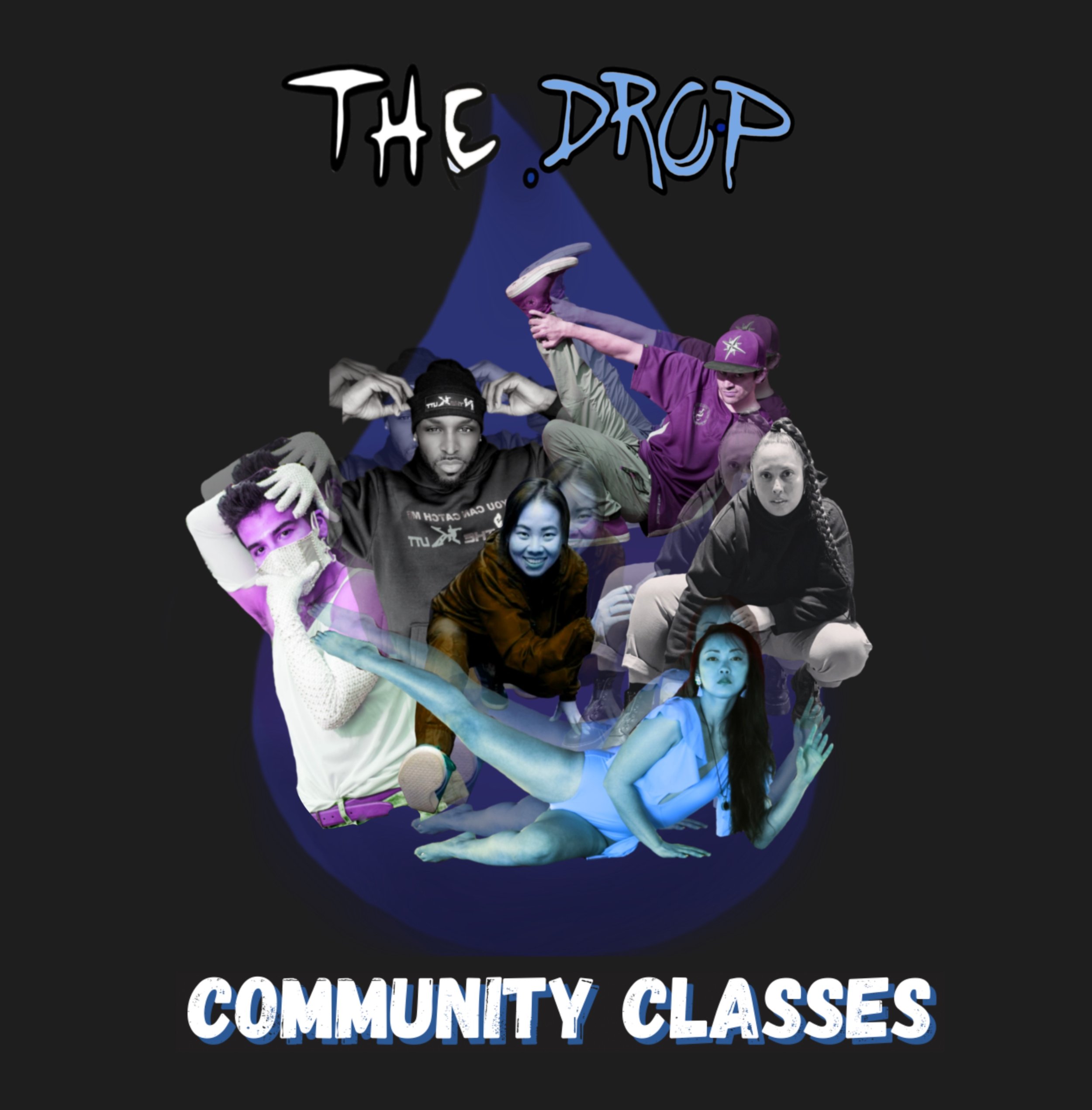
Currently, Drop Zone offers community classes for the public in styles like hip hop, breaking, hustle, contemporary, and sensual floor work, as well as a dance crew called Drop Squad, open for hip hop dancers of all experience levels. The community classes are on a sliding-scale cost, from $5-20. Funds go towards supporting the instructors. Looking forward, Lex hopes to host events through Drop Zone that foster community, as well as bridge the gap between dancers, musicians, photographers, videographers, and other artists. She looks forward to organizing more dance projects that feed dancers and instructors creatively.
Moving forward, Lex wishes for dance teachers to communicate with one another more. There’s a strong feeling of competition that runs across the dance industry, causing teachers, dancers, and other industry professionals to retreat to their silos. Lex points out that it’s hard for dancers and teachers to grow when they feel like they’re being judged. “There’s this weird expectation that if you’re a teacher, you have to be good at everything and that’s just not realistic,” Lex says. “So it’s hard to find a space in your community as a teacher, where you feel like you can work on yourself free of judgment.” She says that it would be great for Drop Zone to host events where teachers can come into conversation with one another about their unique struggles. “I think it’s really important to collaborate, so that we can all differentiate ourselves and what we offer.” There should be a space for every teacher and every dancer to exist in the community.
Be sure to follow Lex and Drop Zone on Instagram to hear about upcoming events.
Disclaimer
All content found on the Dancewear Center Website, Instagram, Facebook, Pinterest, and all other relevant social media platforms including: text, images, audio, or other formats were created for informational purposes only. Offerings for continuing education credits are clearly identified and the appropriate target audience is identified. The Content is not intended to be a substitute for professional medical advice, diagnosis, or treatment. Always seek the advice of your physician or other qualified health provider with any questions you may have regarding a medical condition. Never disregard professional medical advice or delay in seeking it because of something you have read on this Website.
If you think you may have a medical emergency, call your doctor, go to the emergency department, or call 911 immediately. Dancewear Center does not recommend or endorse any specific tests, physicians, products, procedures, opinions, or other information that may be mentioned on dancewearcenter.net. Reliance on any information provided by dancewearcenter.net, Dancewear Center employees, contracted writers, or medical professionals presenting content for publication to Dancewear Center is solely at your own risk.
Links to educational content not created by Dancewear Center are taken at your own risk. Dancewear Center is not responsible for the claims of external websites and education companies.
A Local Choreographer on His Creative Process
The title of Alberto’s work is “1 in 10^2,685,000" in reference to the statistical probability of a human being born. “The possibility of someone [being] alive is…a miracle. An honor,” Alberto says. After reading about this statistic and literature about the persistence of human survival, Alberto was inspired to create a piece that recognizes the triumph of being alive as well as the challenges of living. “It’s not easy to be alive,” Alberto recognizes. “It is happy, but it is a struggle.” He shares that the piece is about the miracle of existing on Earth and the heaviness that human journeys can carry. “You have to find beauty within the journey to be able to be happy,” Alberto says of human struggle.
Alberto Gaspar on Celebrating the Miracle of Life Through Dance
By Madison Huizinga, DWC Blog Editor

Amid all the challenges humans experience on a daily basis, it can be easy to lose sight of the fact that our mere existence is something worth celebrating. Through his upcoming work for Olympic Ballet Theatre, DWC Ambassador and local dancer/choreographer Alberto Gaspar strives to communicate the miracle that is life itself and showcase the technique and talent of local professional dancers. Read on to learn more about Alberto’s creative inspiration and choreographic process. Click here to get tickets to see Alberto’s work in Olympic Ballet Theatre’s summer performance Saturday June 4th at 7:00 PM at Edmonds Center for the Arts.
The title of Alberto’s work is “1 in 102,685,000" in reference to the statistical probability of a human being born. “The possibility of someone [being] alive is…a miracle. An honor,” Alberto says. After reading about this statistic and literature about the persistence of human survival, Alberto was inspired to create a piece that recognizes the triumph of being alive as well as the challenges of living. “It’s not easy to be alive,” Alberto recognizes. “It is happy, but it is a struggle.” He shares that the piece is about the miracle of existing on Earth and the heaviness that human journeys can carry. “You have to find beauty within the journey to be able to be happy,” Alberto says of human struggle.
Alberto says that he considers each of his dance works to be a child of his, sharing that once he lands on an initial choreographic idea, it evolves and changes as it’s passed on to the dancers. “Sometimes you come up with an idea and the dancers transform it into something much more complex,” Alberto says of the choreographic process. The finished work is rarely the exact same as the initial vision of the choreographer.
Alberto says that one of the elements that has the biggest impact on his choreographic process is the music. “Music determines what you’re going to express. It determines the mode,” Alberto says of its significance. For “1 in 102,685,000", Alberto uses a 28-minute musical piece by Michael Nyman that was intended for the integration of the high speed train in Paris, France. “It’s a very powerful [piece of] music that [is] obviously about our journey,” Alberto says, connecting it back to the theme of the work. He references the sound of the train running on the tracks as a guiding force in the music.

Initially, Alberto’s work was conceived for dancers in sneakers and socks, but was later choreographed for dancers en pointe. Olympic Ballet Theatre describes the piece as “vibrant” and “neoclassical” in its style. Alberto has described himself as an “old-school” ballet dancer, expressing the respect he has for productions like The Sleeping Beauty and The Nutcracker that still hold up after over a century. At the same time, he recognizes that new art is constantly being created. “Everything is evolving into a much more modernized expression of the balletic world,” Alberto says of choreographic trends in ballet. “That’s what I’m bringing into my piece as well.”
Alberto is grateful that his rehearsal process hasn’t been as greatly affected by the COVID-19 pandemic as past productions have. He shares that over the course of the past two years, rehearsing virtually was an interesting and challenging process. He appreciates the fact that he can direct dancers in person nowadays and provide tactile feedback to help transfer a more palpable energy among the performers.
“I’m always curious about how people feel,” Alberto says of audiences’ relationships to his creations. He enjoys seeing how people interpret his work based on their own readings of it and personal life experiences. Alberto is looking forward to not only inspiring people through his work but showcasing the talent and caliber of eighteen professional dancers. “It’s rare to see that nowadays,” he says of watching dance pieces with that many professional dancers en pointe. “It’s important for everyone to be involved in the dance community,” Alberto says, sharing that he’s excited to show people the talent that Seattle dancers possess. “There’s a lot that we have to celebrate…I want people to feel proud that they’re a part of this community,” he shares.
Get your tickets to see Alberto’s work in Olympic Ballet Theatre’s summer performance Saturday, June 4th at 7:00 PM at Edmonds Center for the Arts.
Disclaimer
All content found on the Dancewear Center Website, Instagram, Facebook, Pinterest, and all other relevant social media platforms including: text, images, audio, or other formats were created for informational purposes only. Offerings for continuing education credits are clearly identified and the appropriate target audience is identified. The Content is not intended to be a substitute for professional medical advice, diagnosis, or treatment. Always seek the advice of your physician or other qualified health provider with any questions you may have regarding a medical condition. Never disregard professional medical advice or delay in seeking it because of something you have read on this Website.
If you think you may have a medical emergency, call your doctor, go to the emergency department, or call 911 immediately. Dancewear Center does not recommend or endorse any specific tests, physicians, products, procedures, opinions, or other information that may be mentioned on dancewearcenter.net. Reliance on any information provided by dancewearcenter.net, Dancewear Center employees, contracted writers, or medical professionals presenting content for publication to Dancewear Center is solely at your own risk.
Links to educational content not created by Dancewear Center are taken at your own risk. Dancewear Center is not responsible for the claims of external websites and education companies.
How to Bend Without Breaking
My mission is to support dancers and their personal growth inside and outside of the studio to produce better performance outcomes and a more sustainable dancer long-term,” Josh says of his goal behind Flexible Mind Counseling. Through individual and group therapy sessions, Flexible Mind Counseling provides clients with “a bridge back to understanding [their] authentic needs.
Josh Spell on Normalizing Mental Health Discussions in Dance
By Madison Huizinga, DWC Blog Editor

Photo by AJ Ragasa
When people envision dancers, they often think of physically strong individuals who are capable of pushing their personal limits to create beautiful art. There is an assumption that they can propel through the physical and mental challenges they experience to be the best dancers they can be. While these assumptions can help instill discipline and drive in dancers, they can also help create an environment that’s unconducive to productive conversations about mental health. Through Flexible Mind Counseling, Josh Spell strives to help dancers become vulnerable about the challenges they’re facing, speak up for themselves, and cultivate a curious mind that can bend without breaking.
Josh was first exposed to dance through his grandmother’s senior dance group, the “Happy Steppers,” in which he would fill in for dancers when they were absent as a child. It was clear that Josh had a natural talent for picking up choreography and musicality so he enrolled in tap and later ballet. After a few years, it was clear to Josh that this is what he wanted to pursue. At age 16, he trained at the School of American Ballet in New York City before getting hired by Pacific Northwest Ballet in Seattle at 19 years old.
After a decade of dancing with PNB, Josh took a brief break and later did some freelance work, including Oklahoma! at The Fifth Avenue Theatre with Donald Byrd, while also studying interior design. He later danced with Kansas City Ballet for a couple of years as well.
Within the ballet world, Josh found himself placing restrictive rules on his mind and body to be what he thought was the best dancer he could be. This eventually manifested itself into a struggle with his body image. “I was equating my worth as a dancer [with] what my body aesthetically could present,” Josh reflects. That’s when Josh realized he needed some space from the professional dance scene for a while.
“I noticed that there were a lot of differences in the ways I viewed myself,” Josh says of his break from dance, noting that he experienced a newfound sense of self. Upon returning to dance at Kansas City Ballet, Josh noticed his perfectionism start to intensify again. He decided to speak with a therapist about some of the body image and disordered eating challenges he was facing.
It was around this time that Josh began to realize that mental health is deeply connected to how dancers show up for their performances, their relationships, and themselves. However, few mental health resources were available for dancers and their specific needs. Josh earned his Master of Social Work degree from the University of Washington, with a heavy focus on studying eating disorders, later working at an eating disorder clinic. During the pandemic, he also stepped in as a consulting therapist at the PNB School before starting his own practice, Flexible Mind Counseling.
“We are people first and dancers second”
“My mission is to support dancers and their personal growth inside and outside of the studio to produce better performance outcomes and a more sustainable dancer long-term,” Josh says of his goal behind Flexible Mind Counseling. Through individual and group therapy sessions, Flexible Mind Counseling provides clients with “a bridge back to understanding [their] authentic needs.”
Josh shares that individual sessions are nuanced, but he generally works with dancers on being more vulnerable, releasing control, and using direct communication to voice their needs and set boundaries. He helps dancers develop a mindful attitude and identify beliefs that may prevent them from being their most authentic selves. Josh’s group sessions follow similar themes, usually centering on one topic, such as self-compassion, internal vs. external motivation, body image, self-care, or perfectionism. After a topic is presented, a group discussion emerges, in which Josh helps provide dancers with tools and knowledge to handle challenges relating to the session’s main theme. “You get to learn from other folks in the space,” Josh says of the benefits of group sessions. Group sessions can also help cultivate a studio space that feels safer and more open to sharing vulnerable thoughts and emotions.
A mental health misconception that Josh has witnessed in the dance world is the idea that mental and physical health are separate. He points out that mental and physical health can influence one another, neither exists in a vacuum. “It’s really difficult to care for your body without caring for your mind and vice versa,” he shares.

Josh also shares that there is a pervasive stigma surrounding mental health. Many people assume that if you’re struggling with your mental health, that’s a sign of weakness, which prevents people from opening up about their challenges. As with physical health, there is an assumption that dancers must push through their mental health challenges on their own. “You don’t have to do everything on your own,” Josh stresses.
Through his efforts, Josh hopes to see mental health discussions become normalized in the dance sphere, in the same way that conversations about physical health have. He thinks the road to mental health normalization will require greater visibility of mental health professionals with dance experience. It’s also important to expose dancers to preventative and regular mental health care, not just when a crisis strikes.
“We are people first and dancers second,” Josh declares.
Josh will be our special guest speaker at the next DWC Teacher’s Seminar June 26th 10:30am-11:30am at the Green Room, DWC Renton, spaces are limited so register today!
Disclaimer
All content found on the Dancewear Center Website, Instagram, Facebook, Pinterest, and all other relevant social media platforms including: text, images, audio, or other formats were created for informational purposes only. Offerings for continuing education credits are clearly identified and the appropriate target audience is identified. The Content is not intended to be a substitute for professional medical advice, diagnosis, or treatment. Always seek the advice of your physician or other qualified health provider with any questions you may have regarding a medical condition. Never disregard professional medical advice or delay in seeking it because of something you have read on this Website.
If you think you may have a medical emergency, call your doctor, go to the emergency department, or call 911 immediately. Dancewear Center does not recommend or endorse any specific tests, physicians, products, procedures, opinions, or other information that may be mentioned on dancewearcenter.net. Reliance on any information provided by dancewearcenter.net, Dancewear Center employees, contracted writers, or medical professionals presenting content for publication to Dancewear Center is solely at your own risk.
Links to educational content not created by Dancewear Center are taken at your own risk. Dancewear Center is not responsible for the claims of external websites and education companies.
A Local Dancer On Storytelling and Building Community Through Dance
Alex Ung shares that when people ask about his nationality, he often uses an umbrella term, like sharing that his family is from Laos, rather than diving deeper into his more specific tribal culture of the Tai Dam. “It was just easier,” Alex says. “Immigration Stories” provided Alex with an opportunity to share more about his culture, in an effort to “not let it disappear into history books” and simultaneously help write history. “We’re a small tribal culture that not a whole lot of people know about and so I wanted to bring that to light,” he says of the Tai Dam people.
Alex Ung on Cultural Representation and the Guild’s Plans for 2022
By Madison Huizinga, DWC Blog Editor

Photo by Karya Schanilec
Art has the power to move people in ways unimaginable. Through creating and performing dance works, choreographers and dancers have the power to express their emotions and connect to their cultural backgrounds and local communities. Alex Ung of the Guild Dance Company opens up about sharing his familial and cultural background through dance, bolstering community, and the Guild’s plans for 2022. Be sure to catch the Guild’s show “El Camino” and their performance at the Seattle International Dance Festival in June.
Alex was born and raised in Iowa, where he began dancing in high school in the show choir and competition scene. But Alex shares that his dance career didn’t start until college when he began working with the hip hop club at Iowa State University. “I think that’s where it really hit me that I really love to dance,” he shares.
When Alex moved to the Seattle area, he began teaching hip hop at a dance studio on Bainbridge Island, where he worked for over a decade. He eventually broadened his scope into jazz, contemporary jazz, and contemporary ballet styles, and also began directing the competition dance team. Alex has worked with other dance studios and companies in the Seattle area, including Jeroba Dance.

Alex says that dance has stuck with him largely because he has a tough time expressing his emotions and thoughts through words. “I feel like I can do it a bit better with my body [and] with my movement style,” he says of emoting. Having earned a degree in engineering, Alex also shares that he has an appreciation for the aesthetics of lines and shapes in dance and witnessing the physical challenges that the body can endure. He loves the feeling of doing something physical that he didn’t think he could do and surprising himself.
In 2018, Alex founded the Guild Dance Company after taking a break from teaching. He shares that he had missed creating dance and wanted to jump back into the choreographic world to tell his own stories in his own style, as well as learn from other dancers. “I thought building my own dance company would be a good way to do that,” Alex says, sharing that the Guild has become a place for dancers to build each other up.
“For me, the Guild is about the community and learning and experiencing each other,” Alex says. He loves being able to express himself and be vulnerable alongside the rest of the company dancers.
In 2019, the Guild Dance Company performed “Immigration Stories,” a show inspired by Alex’s family’s experience immigrating to the United States from Laos. Following high school, Alex and many of his relatives that were his age felt like their traditional culture was dying, as many of them were not making efforts to learn their family’s language or carry out traditional cultural activities. “It felt sad to me,” Alex shares. “I wanted to create a work that could help people understand where my family was coming from, where we came from in the past, and where we are right now.”
Alex shares that when people ask about his nationality, he often uses an umbrella term, like sharing that his family is from Laos, rather than diving deeper into his more specific tribal culture of the Tai Dam. “It was just easier,” Alex says. “Immigration Stories” provided Alex with an opportunity to share more about his culture, in an effort to “not let it disappear into history books” and simultaneously help write history. “We’re a small tribal culture that not a whole lot of people know about and so I wanted to bring that to light,” he says of the Tai Dam people.
Through interviewing his family and others, Alex realized how fortunate he is to be doing what he loves as a result of the sacrifices and risks his family made. He also learned that people from different cultures shared similar immigration experiences, which sparked inspiration. He found it so meaningful to find that people aren’t alone in their challenges and that community can be an invaluable form of support.
Amid the rise of hate crimes against Asian Americans during the COVID-19 pandemic, Alex reflected on the racism he and his family had experienced in Seattle and elsewhere and felt angry. “I wanted to express my frustration and my experience with what was going on,” he says. So Alex brought together a group of dancers of color to create a video surrounding the theme of “Stop the Hate, Stop the Injustice.” An important co-producer in the process was local artist Alicia Mullikin, a first-generation Mexican American dance artist, educator, and community organizer. Alex shares that the project was a way for community members from various cultural backgrounds to come together and express their feelings of frustration and hurt regarding the rising hate crimes and common struggles they experienced.

Photo by Stuart Murtland
In the dance community, Alex hopes to see more dancers supporting one another, specifically by attending one another’s shows. “We’re all in the same bubble,” Alex shares, pointing to how Seattle-based dancers all face similar challenges, particularly finding funding to create work.
Moving into the next year, the Guild is planning to put on “El Camino,” a music and dance production made in collaboration with the Tudor Choir inspired by the pilgrims that traveled on the iconic Camino de Santiago. Alex drew inspiration for the production after walking on the trail himself, and undergoing what he describes as a “life-changing experience.” He was enamored by the people he met and the towns he passed through, learning about the different intentions of people embarking on the journey. Stay tuned to the Guild Dance Company’s website for more information about show dates!
The Guild Dance Company also plans to perform in the 2022 Seattle International Dance Festival this June, tickets are available here.
Disclaimer
All content found on the Dancewear Center Website, Instagram, Facebook, Pinterest, and all other relevant social media platforms including: text, images, audio, or other formats were created for informational purposes only. Offerings for continuing education credits are clearly identified and the appropriate target audience is identified. The Content is not intended to be a substitute for professional medical advice, diagnosis, or treatment. Always seek the advice of your physician or other qualified health provider with any questions you may have regarding a medical condition. Never disregard professional medical advice or delay in seeking it because of something you have read on this Website.
If you think you may have a medical emergency, call your doctor, go to the emergency department, or call 911 immediately. Dancewear Center does not recommend or endorse any specific tests, physicians, products, procedures, opinions, or other information that may be mentioned on dancewearcenter.net. Reliance on any information provided by dancewearcenter.net, Dancewear Center employees, contracted writers, or medical professionals presenting content for publication to Dancewear Center is solely at your own risk.
Links to educational content not created by Dancewear Center are taken at your own risk. Dancewear Center is not responsible for the claims of external websites and education companies.
Dr. Miguel Almario on Holistic Teaching and PT Care
“I would like to see a lot more empathy towards the culture and the people that created the dance,” Miguel says of a change he hopes to see made in the larger dance industry. He shares that many of the people who created dance genres like hip hop and breaking are still alive and accessible to dancers, yet their contributions can get drowned out. More focused on physicality, Miguel also hopes to see more dancers treating and training their bodies like the athletes that they are so that they can keep dancing for as long as they can. “You’ve got to put that work in so that you can keep going,” he shares.
On Offering Cultural Competency and Wellness Services
By Madison Huizinga, DWC Blog Editor
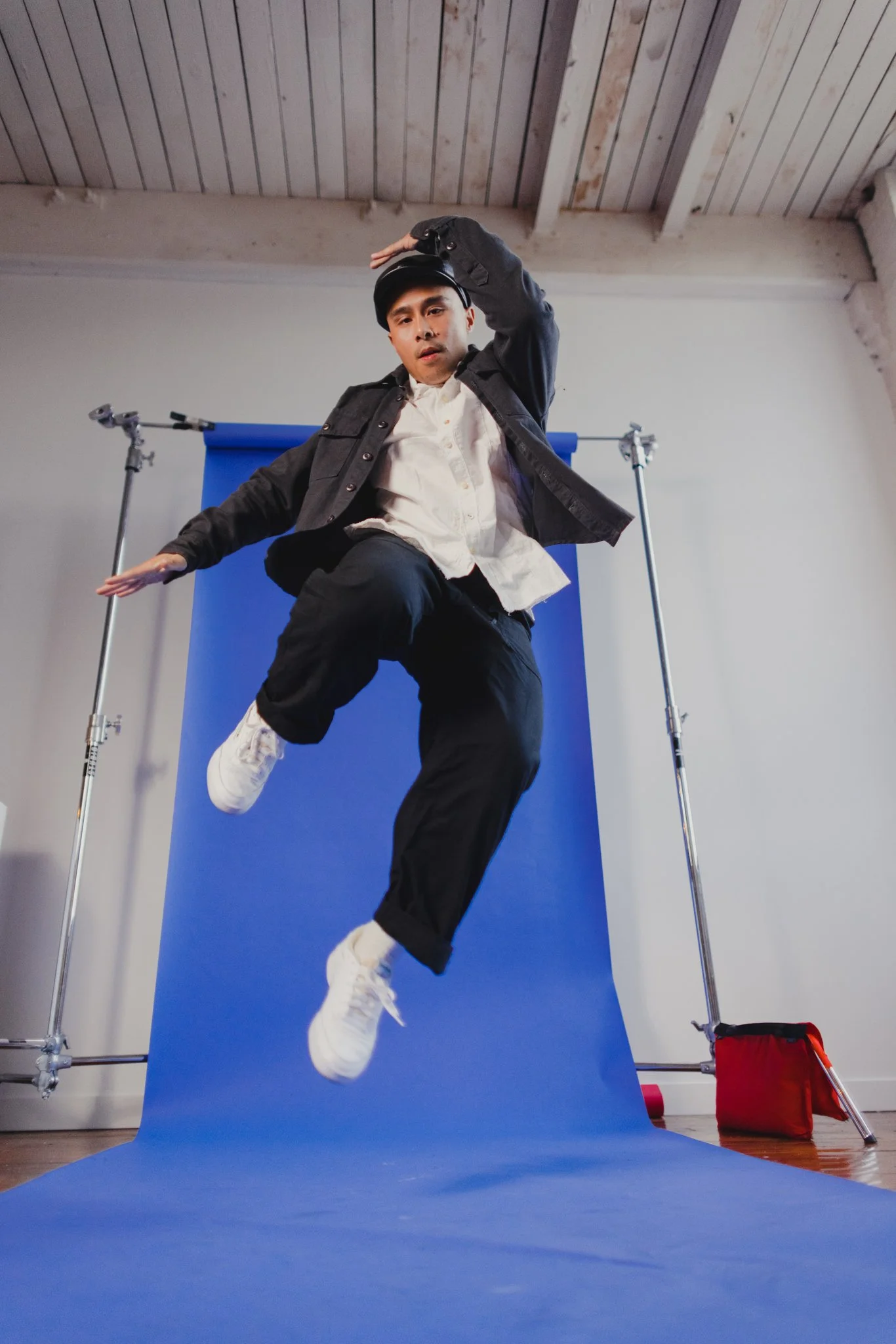
Photo by Adam Gatdula
Having a full appreciation and understanding of the history and mechanics of dance requires more than just time in the studio. Dancers like Dr. Miguel Almario are providing community members with the cultural context behind their movements and access to compassionate and individualized physical therapy services. Read on to learn more about Miguel’s dance journey in the freestyle and commercial space, teaching programs at The Arete Project, and PT services at MovementX.
Miguel started exploring breaking his junior year of high school when his younger brother encouraged him to give it a try. He joined a local dance troupe called Culture Shock DC, a non-profit dance organization in the Washington DC area aimed at community outreach. Miguel’s passion for dance grew immensely. He says that one of the things he loves most about dance is that one person’s artistic expression can differ so much from another’s. “I have the freedom to find my voice and my style of movement,” Miguel shares.
He later ended up competing on the TV show America’s Best Dance Crew on MTV in Los Angeles, California. “That was a time where I was like ‘I can make something of this,’” Miguel says of the turning point in his career. After competing on TV, Miguel shares he started focusing on dance in a more professional capacity, as prior to the show, he hadn’t experienced any “formal” training. Growing up, outside of Culture Shock DC, Miguel practiced dance in his friends’ basement and in his school’s cafeteria, often ordering VHS tapes of competitions to study and draw inspiration from.
After some time, Miguel decided to take a break from dance and returned home to DC from LA. He shares that this was a time in his life when he deeply pondered what kind of life he was going to lead. “I always knew I wanted to be working with people,” Miguel says. Eventually, he landed on pursuing physical therapy, sharing that both of his parents were physicians which greatly influenced him. He thought PT could provide him with the opportunity to bridge the worlds of dance and physical medicine.
While in PT school, Miguel danced with a dance team in Boston, Massachusetts, where he underwent rigorous training. After graduating from PT school, he moved back to Los Angeles to work as a physical therapist and dancer.
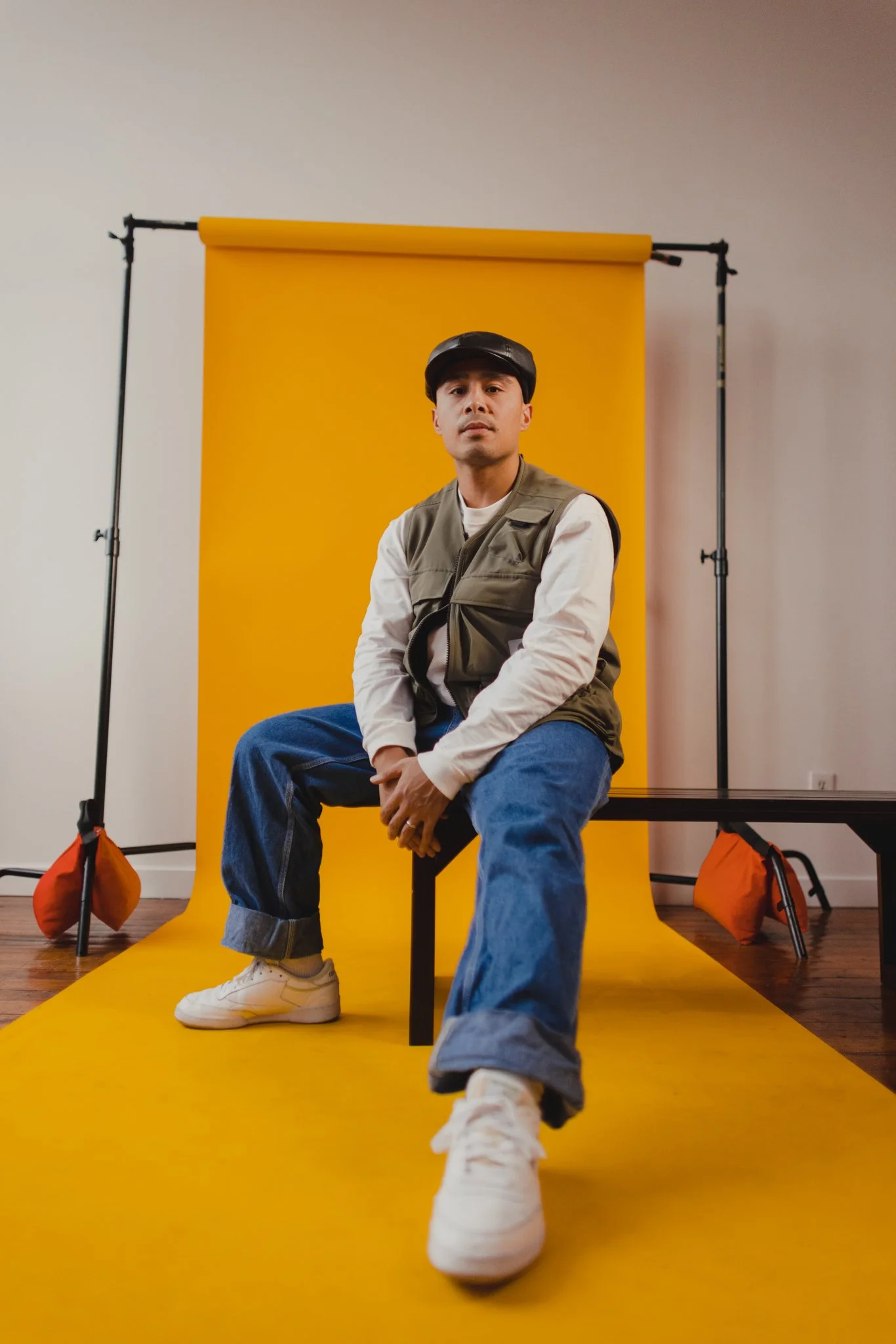
Photo by Adam Gatdula
Following his experience in the traditional physical therapy clinic setting, Miguel realized he was interested in working in a role that allowed him to make stronger, more intimate connections with his clients. That’s when he got connected with MovementX, a physical therapy provider that offers in-person and virtual treatment that is adaptable to clients’ varied lifestyles.
“I work with a lot of dancers,” Miguel says of his PT work at MovementX, sharing that he serves all kinds of clients, including those recovering from minor or major injuries, those looking to improve their ability to move or perform, or those who feel generally physically limited in one way or another.
Miguel shares that his dance experience has been unique, as he has trained in more community-oriented, freestyle, breaking spaces, and has had heavy exposure to the more commercial world as well. Miguel’s wife Niecey Almario is also a dancer, teacher, and choreographer. Today, Niecey and Miguel Almario teach a variety of courses together in Seattle through The Arete Project. Miguel shares that he and his wife collectively offer a holistic dance experience, informing people of the cultural context behind movements and how certain techniques can apply to different professional settings, like on a dance team or in a music video.
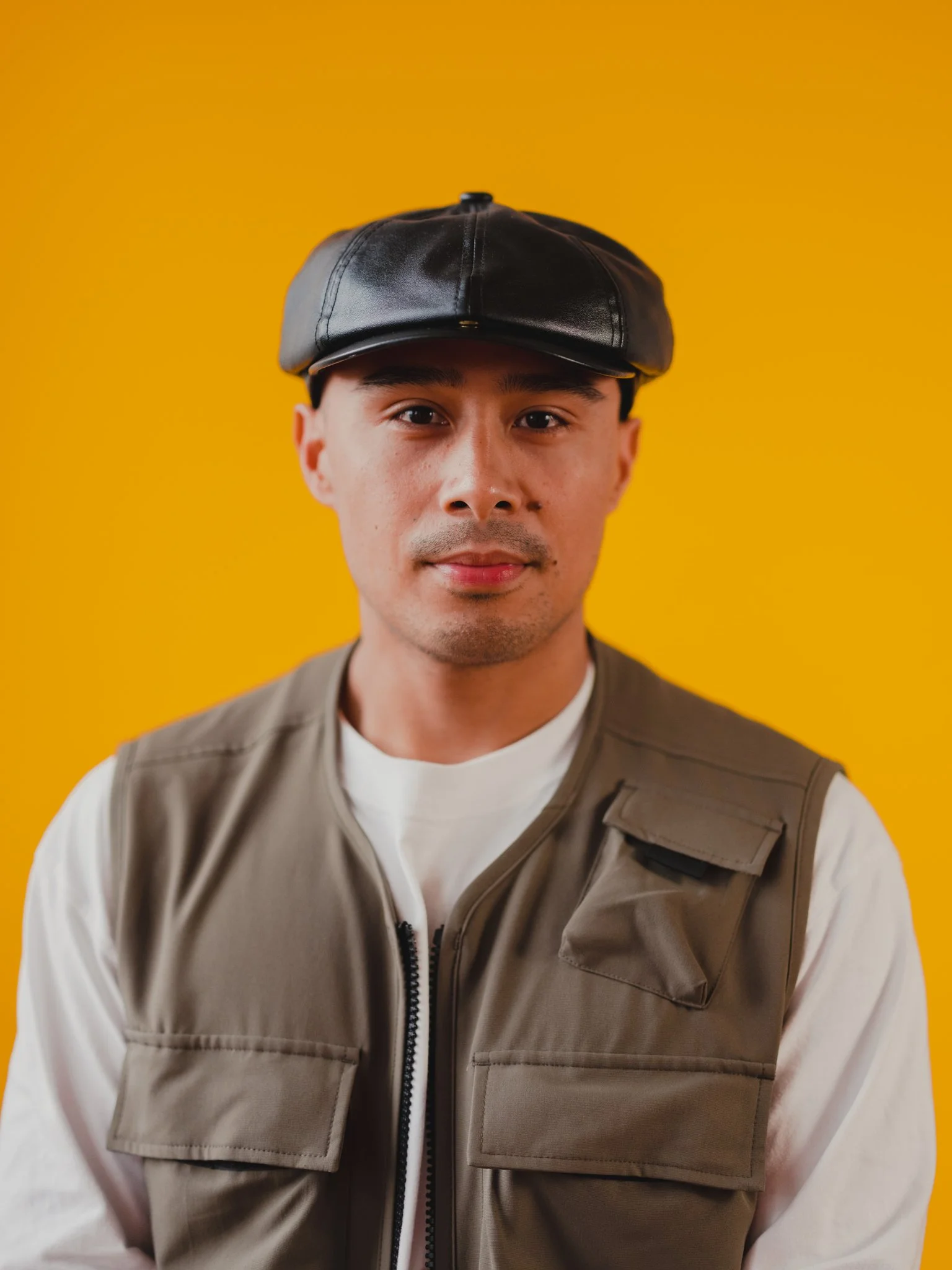
Photo by Adam Gatdula
Honoring the cultural roots of different styles of movement is of the utmost importance to Miguel. For example, he shares that hip hop and street dance have roots in Black American communities and that it’s important for people to know this to understand and appreciate the art form more fully. Miguel shares that learning the history behind dance styles like hip hop has made him realize that this art form he partakes in is much bigger than him as an individual.
“I would like to see a lot more empathy towards the culture and the people that created the dance,” Miguel says of a change he hopes to see made in the larger dance industry. He shares that many of the people who created dance genres like hip hop and breaking are still alive and accessible to dancers, yet their contributions can get drowned out. More focused on physicality, Miguel also hopes to see more dancers treating and training their bodies like the athletes that they are so that they can keep dancing for as long as they can. “You’ve got to put that work in so that you can keep going,” he shares.
Disclaimer
All content found on the Dancewear Center Website, Instagram, Facebook, Pinterest, and all other relevant social media platforms including: text, images, audio, or other formats were created for informational purposes only. Offerings for continuing education credits are clearly identified and the appropriate target audience is identified. The Content is not intended to be a substitute for professional medical advice, diagnosis, or treatment. Always seek the advice of your physician or other qualified health provider with any questions you may have regarding a medical condition. Never disregard professional medical advice or delay in seeking it because of something you have read on this Website.
If you think you may have a medical emergency, call your doctor, go to the emergency department, or call 911 immediately. Dancewear Center does not recommend or endorse any specific tests, physicians, products, procedures, opinions, or other information that may be mentioned on dancewearcenter.net. Reliance on any information provided by dancewearcenter.net, Dancewear Center employees, contracted writers, or medical professionals presenting content for publication to Dancewear Center is solely at your own risk.
Links to educational content not created by Dancewear Center are taken at your own risk. Dancewear Center is not responsible for the claims of external websites and education companies.
Megan Margaret Moore on Healing the “Disembodied Dancer” Through SALTSHAKE
On May 28, 2022, Megan will be holding “INTRODUCING SALTSHAKE” at the Nod Theater in Seattle, WA. At this workshop, Megan will be introducing “saltshake,” a movement form designed to help relieve trauma in the body. The movement form involves choreographed somatic healing techniques and Yoga Asana poses that have specific intentions behind them, such as regulating the nervous system.
A Local Artist on Trauma-Informed Movement and Education
Trigger Warning: Trauma
By Madison Huizinga, DWC Blog Editor

Photo by Muñoz Motions
Over time, certain teaching and communication behaviors in the dance world don’t only become normalized, they become expected. This is the case even when these kinds of behaviors result in trauma that causes dancers to become “disembodied” from their practice. That’s why local artist and teacher Megan Margaret Moore created SALTSHAKE, a brand dedicated to sharing Trauma-Informed dance and education with the arts community, specifically aimed at helping those that may identify as a “disembodied dancer.” Read on to learn about Megan’s journey and SALTSHAKE’s INTRODUCING SALTSHAKE event at Nod Theater on March 28, 2022.
Megan was inspired to dance after watching her older sister dancing growing up. She recalls trying to mimic her sister’s dance moves on her own as a little one. Around age three, Megan enrolled in her first class, sharing that she was immediately overwhelmed with passion for dance from an early age. “It was just my whole heart. Everything I thought about had to do with dancing every single day,” Megan says. She continued training under the Cecchetti ballet method until about ninth grade.
Megan says that she is grateful for the support she received as a young artist growing up in Huntington Beach, California, sharing that she participated in the Academy of Performing Arts (APA) magnet program at Huntington Beach High School. She shares that she was granted amazing opportunities through the program, including the ability to choreograph nearly ten pieces before she graduated high school. In addition, Megan traveled to the New Prague Dance Festival with APA to dance as an apprentice under the choreographer Marie Hoffman. It was through these experiences that she realized choreography was the path she wanted to go down.
Megan attended Cornish College of the Arts, which is what brought her up to Seattle. She is grateful for all the mentors and choreographers she got to meet and work with at Cornish. And Megan also shares that her college years were some of the hardest times of her life, as many of the unhealthy, yet normalized, teaching and communication practices in the dance industry began to accumulate and take their toll on her. Always being expected to put a smile on one’s face and dance through the pain can take a lot out of a performer.
After graduating in 2019, Megan had been hired to choreograph for an opera at Whidbey Island Center of the Arts, which unfortunately got shut down as a result of the COVID-19 pandemic. She says that during the widespread lockdown, many of the uncomfortable feelings Megan had been suppressing began to bubble to the surface. Megan moved back in with her family, eventually landing on Whidbey Island where she is today.

Photo by Muñoz Motions
Megan developed SALTSHAKE largely for the “disembodied dancer,” an artist who wishes to pursue their passions but feels “they must stifle the sensitivity that attracts them to the arts in order to cope with the intensity of their artistic training.” Megan landed on this label to describe what she was experiencing coming out of the COVID-19 lockdown, a disconnect from her body and identity as a dancer. In the midst of the pandemic, when Megan felt as though she was unable to dance, she found herself going through unique, self-made movements that allowed her to feel a sense of groundedness in a way that was quite healing. This was where the seed for SALTSHAKE was planted.
Through SALTSHAKE, Megan strives to gently provide dancers who may be “walking the path of trauma recovery” with somatic expressions and exercises to aid in their “reconnection to embodiment.” SALTSHAKE describes itself as “trauma-informed,” as it has an eye toward the trauma that is inherent in mainstream dance practices. Megan strives to help dancers who feel disembodied know that they’re not alone, as well as provide tools to help deconstruct the harmful narratives the industry perpetuates, and help dancers re-center and self-regulate and find a love for dance again.
Megan says that growing up she received subliminal messages that being “sensitive” was a bad thing, especially in the dance world. She recalls feeling so much shame about how emotional she felt about things, but today she’s learned that sensitivity is a superpower, as it helps her better understand her students’ experiences and give them the support she would have wanted. Being sensitive is also extremely helpful as a dancer, as it helps performers better understand and tell physical and emotional narratives. “It should be celebrated to be a sensitive being in this art form, in all art forms, [and] in life,” Megan says.

Photo by Muñoz Motions
Throughout May 2022, Megan has been offering introductory classes, including trauma-informed yoga on Saturday mornings virtually and in-person in Langely, Washington. Those in the Seattle area simply have to jump on a ferry to Whidbey Island to experience this slow flow embodiment process. SALTSHAKE also offers a contemporary class that is focused on exploring narrative, without a “right” or “wrong” way to perform.
On May 28, 2022, Megan will be holding “INTRODUCING SALTSHAKE” at the Nod Theater in Seattle, WA. At this workshop, Megan will be introducing “saltshake,” a movement form designed to help relieve trauma in the body. The movement form involves choreographed somatic healing techniques and Yoga Asana poses that have specific intentions behind them, such as regulating the nervous system. Megan will be offering weekly saltshake classes in Seattle throughout June. In August, SALTSHAKE will be partnering with Season + Cycle, founded by Nicole Frederiksen, a menstrual health specialist and former professional dancer in the Seattle area. The two organizations will be holding a one-day workshop relating to reconnecting disembodied dancers to their bodies. Keep an eye out for more information in the coming months.
Disclaimer
All content found on the Dancewear Center Website, Instagram, Facebook, Pinterest, and all other relevant social media platforms including: text, images, audio, or other formats were created for informational purposes only. Offerings for continuing education credits are clearly identified and the appropriate target audience is identified. The Content is not intended to be a substitute for professional medical advice, diagnosis, or treatment. Always seek the advice of your physician or other qualified health provider with any questions you may have regarding a medical condition. Never disregard professional medical advice or delay in seeking it because of something you have read on this Website.
If you think you may have a medical emergency, call your doctor, go to the emergency department, or call 911 immediately. Dancewear Center does not recommend or endorse any specific tests, physicians, products, procedures, opinions, or other information that may be mentioned on dancewearcenter.net. Reliance on any information provided by dancewearcenter.net, Dancewear Center employees, contracted writers, or medical professionals presenting content for publication to Dancewear Center is solely at your own risk.
Links to educational content not created by Dancewear Center are taken at your own risk. Dancewear Center is not responsible for the claims of external websites and education companies.
A Non-Profit’s Vision For Equitable Dance Access
From her numerous years of experience in the industry, Kari Hovde knows that finding and securing opportunities for talented young dancers can be challenging. Due to numerous circumstances, opportunities for personal and professional development in the industry can be out of reach for even the most technically proficient young dancers. That’s why Kari founded The Backstage Foundation, a non-profit organization that funds opportunities for young dancers to build their talent and character via scholarships. Read on to learn more about Kari’s background, the story behind The Backstage Foundation, and the upcoming "In the Spotlight” benefit show on May 20, 2022, at 7:00 PM at the Kirkland Performance Center.
Kari Hovde on Offering Opportunities Through The Backstage Foundation
By Madison Huizinga, DWC Blog Editor

Photo by TrueONE Group
From her numerous years of experience in the industry, Kari Hovde knows that finding and securing opportunities for talented young dancers can be challenging. Due to numerous circumstances, opportunities for personal and professional development in the industry can be out of reach for even the most technically proficient young dancers. That’s why Kari founded The Backstage Foundation, a non-profit organization that funds opportunities for young dancers to build their talent and character via scholarships. Read on to learn more about Kari’s background, the story behind The Backstage Foundation, and the upcoming "In the Spotlight” benefit show on May 20, 2022, at 7:00 PM at the Kirkland Performance Center.
Kari has been a part of the dance world her whole life and what she’s loved most about it is the community. “Dance is family,” Kari says, sharing that the bond people make with those at their studio is incredibly valuable. The positive energy, excitement, encouragement, and support that comes from dancing is irreplaceable, and for many dancers, their dance family may be their only support system.
Over the course of her journey, Kari has witnessed the high expenses of dance and the inequitable opportunities available to children from families of different socioeconomic statuses. “I have always wanted to be able to provide talented young dancers with [opportunities],” she says, sharing that she brainstormed ideas about how to make experiences like traveling to intensives and conventions more accessible. Kari ultimately landed on a needs-based scholarship, consisting of a written application, a talent video, and a story video, in which applicants explain their background, their desire for the scholarship, and their passion for dance.
“Dance brings so much more to their lives than just the talent and the technique,” Kari explains the value of dance in a young person’s life. “It brings values that [dancers can] carry with them through the rest of life to apply towards all the things that they do, from career to relationships.” Kari and the rest of the team at The Backstage Foundation believe that dance brings forth community, dedication, great work ethic, problem-solving, and numerous other skills that are instrumental for personal and professional development.

Photo by Leslie Cheng
The core values of The Backstage Foundation are experience, community, and opportunity, and that certainly comes through in what the organization offers to dancers. Kari says she drew inspiration for the project after coaching a talented high school hip hop team and realizing the dancers in the group had few opportunities outside of school to showcase their skills. She wanted the team to be able to take professional-level classes, travel to showcase their skills and have the opportunities dancers in studios often have.
In general, Kari would love to see more opportunities for dancers on a local level, including access to spaces like dance conventions, which can help facilitate transitions from small dance studios to more professional work. She would love community members to start thinking about ways to bridge the gap between that safe studio space to the new, adventurous, professional terrain, in a way that keeps dancers secure and successful. Kari thinks mentorship programs and workshops could assist dancers with that transition and allow them to see if the professional world is for them.
On a more global level, Kari hopes to see a bit more safety and security in the dance industry. She believes it’s important that young dancers have people in their lives that they can trust, including agents and talent managers, that can guide them with the professional decisions they choose to make. The last thing Kari wants is for young dancers to be taken advantage of in any capacity. Professionals in the dance industry have the power to gather the right kind of leadership and guidance for young people, and Kari is looking forward to seeing what that can look like.

Photo by TrueONE Group
The Backstage Foundation is thrilled to be having its annual benefit show “In the Spotlight” on May 20, 2022, at 7:00 PM at the Kirkland Performance Center. Attendees can expect to watch 75 performers dance in over 35 routines, featuring Amity Addrisi from King 5’s New Day Northwest as the emcee and choreographer Tina Landon as the guest speaker of the event. “We’re quite excited for that event!” Kari shares. “It’s going to be very fun with lots of inspiration, entertainment, and heartfelt stories.” Tickets are selling quickly, so be sure to get yours as soon as possible! You can secure your ticket here.
The Backstage Foundation’s first round of scholarship opportunities will open in June, so dancers are encouraged to keep an eye out for that on the organization’s website. “The selection committee will be very excited to see everyone’s submissions!” Kari shares.
Finding Your “Why”: Jerome Aparis on How Breaking Feeds His Soul
At the end of AAPI month, Jerome Aparis shared his journey to becoming a co-founder and current member of the world-renowned breaking crew, Massive Monkees. From studying VHS tapes of breakers in sixth grade to creating an internationally acclaimed crew and achieving global accolades, Jerome recounts how the values of hard work and creativity from his cultural heritage have fueled his drive for success and purpose.
Trigger Warning: Trauma, Sexual Assault
By Isabel Reck & Madison Huizinga. DWC Blog Contributors
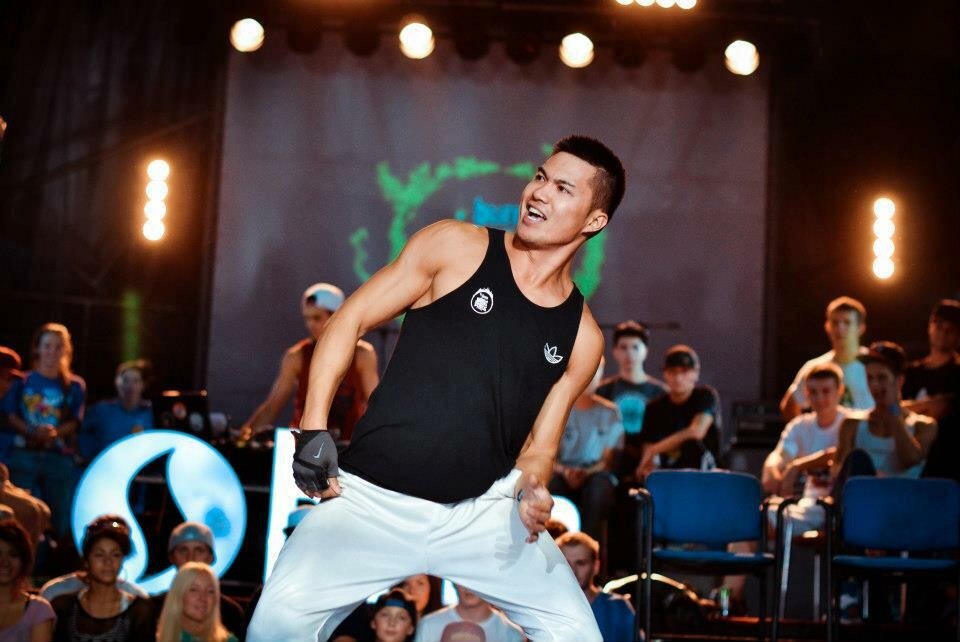
At the end of AAPI month, Jerome Aparis shared his journey on becoming a co-founder and current member of the world-renowned breaking crew, Massive Monkees. From studying VHS tapes of breakers in sixth grade to creating an internationally acclaimed crew and achieving global accolades, Jerome recounts how the values of hard work and creativity from his cultural heritage have fueled his drive for success and purpose.
Jerome began his dance journey around age 12 by watching videos of breakdancing crews from Seattle. At the time, this art form was predominantly underground and information about it traveled almost exclusively through word of mouth. A movie that was particularly influential for him growing up was Beat Street, a film showcasing the NYC hip hop culture of breaking, MCing, DJing, and graffiti art in the early 1980s. Jerome had never seen dancing like what he witnessed in Beat Street and various other videos. He was immediately pulled in.
When Jerome was a kid, most people his age learned breaking at local community centers, which were relatively informal and open to the public. The community centers were usually packed to the brim, and Jerome recalls sometimes only getting a couple of minutes of one-on-one time with his instructor. Despite this challenge, the attitude he adopted was about “maximizing what [he] learned.” Jerome recalls often not understanding certain steps the first couple of times he practiced them at the center. He would go home and rehearse in his kitchen for hours so he could go back to the community center and show off his improvement. Being able to advance through practice and showcase his progress made him confident that he was worthy of his instructor’s time and worthy of being a student.
This attitude and commitment to breaking led Jerome to make an impressive and successful career for himself. He co-founded the world-famous breaking crew, Massive Monkees in 1996. This group and its members have shared the stage with the likes of Macklemore, Missy Elliot, Jay-Z, and Alicia Keys. Massive Monkees also finished third overall in MTV’s America’s Best Dance Crew in 2009 and won the 2004 B-Boy World Championship in London and 2012 R-16 World Championship in Seoul, Korea. Jerome later won ten national titles with the crew Massive Monkees. Today, Jerome coaches students at the Massive Monkees Studio: The Beacon, and at Cornerstone Studio with his wife, Lea Aparis, who’s also the studio’s owner.
“When you don’t have much, creativity is huge.”
Jerome shares that his Filipino heritage has largely shaped the individual and performer he is today. Jerome was born in the Philippines and moved to the United States at age three. When he returned to the Philippines at age 15, he remembers seeing how hard the people from his hometown worked, including his own family. He recalls kids in his hometown, outside of the city, walking miles just to get water and attend school. Community members who were lacking the resources that urban-dwellers possessed needed to act creatively to work around the challenges they faced. These values—hard work and creativity—Jerome recognized in the Philippines, pushed him to achieve the accomplishments he has today. “Mak[ing] something out of nothing” is a theme that he has carried with him throughout his journey. “When you don’t have much, creativity is huge,” he explains.
One instance in the Philippines that was particularly inspiring to Jerome occurred when he visited his sister at work. Jerome’s sister performs government work in the Philippines, working at a safe house for young girls who have been victimized by sex trafficking. The leads at the safe house asked Jerome if he was interested in speaking with the girls and perhaps teaching a workshop. They told him these girls were scared and felt like they didn't have a voice. Knowing that these young girls had developed significant fears, particularly of outsider men, Jerome knew “it [was] time to step up to the plate.” What occurred at the safe house was the “most life-changing 60 minutes of [his] life.”

At the beginning of the workshop, these girls, ages 5-17, were incredibly quiet. At first, the session centered on talking and why using their voices is important. Then, Jerome transitioned into teaching them choreography that communicated their strength and power. By the end of the workshop, he describes how the girls were “just going for it” and how their energy had completely changed. Later, they all sat in a circle and each girl opened up about her story. Jerome carries these stories with him today. “It’s way bigger than just winning a trophy,” he shares.
To be a successful professional dancer, Jerome makes it clear that a performer must know their “why.” Why do you do what you do? Jerome explains that in dance it’s easy to be driven to succeed to simply fuel your ego. You merely dance for the winning, the fame, and the glory. But beyond expanding your ego, your “why” must be fueled by the need to make yourself feel genuinely confident and feed your soul. Jerome’s experience teaching in the Philippines did just this. Helping kids “understand that there is so much greatness in them” is what coaching has become to him and is “one of his biggest passions.”
Jerome’s biggest takeaway from his career is simple: “find your why.” Once you know this everything else will follow.

“Find your why, once you know this everything else will follow.”


Madison Huizinga has been dancing for 13 years, and her favorite styles are ballet and contemporary. Currently, she attends the University of Washington and is studying Communications, Business, and Dance. Madison is presently a company member with Seattle-based dance company Intrepidus Dance. She loves working at Dancewear Center because it allows her to help local dancers find the best shoes, apparel, and equipment possible to further their dance goals and careers. Dance has always been a positive creative outlet for her to express her emotions—so it’s always nice to meet members of the local dance community that relate!
Outside of dance and work, you will find Madison exploring new cafés and restaurants around Seattle, hiking, reading, and traveling.
Isabel Reck has been dancing since she was 12; the majority of her training being at Cornerstone Studio. She has trained in ballet, contemporary, lyrical, jazz, hip-hop, tap, breakdancing, and aerial silks, although contemporary has always been her go-to. Her favorite thing about working with DWC is being able to explore a new side of dance she never thought she would be a part of.
Interested in writing for the DWC Blog? Click below to fill out the DWC Contributor application!