
Spreading Epilepsy Awareness in the Studio
If you are a friend of mine or have even been following me on social media, you'll know that epilepsy is a topic I care very passionately about. It's something that has affected my family for a little over seven years now. More specifically, my sibling, Hanna was diagnosed with epilepsy when they were seven years old, and I like to think that I’m well educated on the topic. I'm a major advocate for spreading awareness about different types of seizures and seizure first aid and debunking misinformation. I find great importance in educating others on seizures and epilepsy.
By Emma Spencer, DWC Ambassador
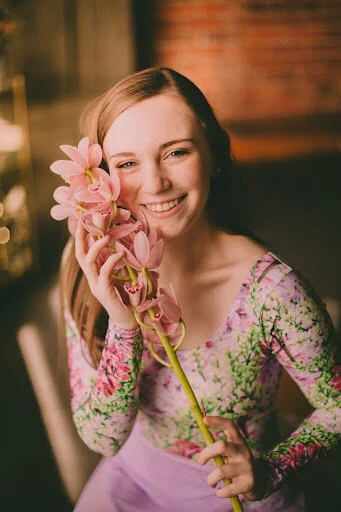
Click below to shop the look:
If you are a friend of mine or have even been following me on social media, you'll know that epilepsy is a topic I care very passionately about. It's something that has affected my family for a little over seven years now. More specifically, my sibling, Hanna was diagnosed with epilepsy when they were seven years old, and I like to think that I’m well educated on the topic. I'm a major advocate for spreading awareness about different types of seizures and seizure first aid and debunking misinformation. I find great importance in educating others on seizures and epilepsy.
Epilepsy is one of the most common neurological disorders in the world. It affects all ages and a seizure can happen to anyone at any time. Some seizures are triggered by certain actions, stress, strobing lights, dehydration, hitting your head, and even certain sounds. Some seizures don’t have a specific trigger, such as Hanna’s seizures. An estimated five million people around the world are diagnosed with epilepsy each year according to the World Health Organization. Epilepsy is not contagious in any way. You cannot swallow or choke on your tongue if you’re having a seizure. It’s also important to note that having a seizure does not necessarily mean that you have epilepsy. Your seizure may have been situational or caused by another underlying medical condition. There are different types of seizures and not all of them involve falling to the ground and violently contracting. Hanna, for example, has partial focal seizures in their left temporal lobe. They are completely lucid and can go about their day normally while having a seizure. They actually did a whole petit allegro combination while having a seizure one time!
Something I appreciate that my studio has done is provide our dance instructors with seizure first aid instructions in the back of our attendance books, as well as require any newly registered dancers to list if they have any seizure disorders upon registration. After a former dance instructor at my studio was diagnosed with epilepsy about a year ago, she had a conversation with my competition group on what to do if she had a seizure, since hers were “grand mal seizures” (a type of seizure that includes a loss of consciousness and violent muscle contractions. They are also known as tonic-clonic seizures). She even had Hanna share some of their experiences with epilepsy. Myself and our office manager are even certified to perform seizure first aid!
I’m so grateful that I attend a studio where staff members educate themselves based on the needs of their dancers. However, we have to raise awareness that seizures can happen to anyone at any time, and that training staff on epilepsy first aid only when you know you have a student or teacher with epilepsy can be very dangerous. Last year in November, I was doing a combination in my contemporary class, and I hit my head really hard on the floor when transitioning to the ground. I ended up with a concussion, but if I had hit my head just right, I could have had a seizure. I do not have a history of seizures. My point is, some seizures are situational. There could be an incident where a student hits their head in the right spot while doing a combination, or someone could have their first seizure during class. If you don’t have the proper training or education on seizures, you might not know what to do, and that could lead to some very dangerous consequences.
Studio owners, please take the time to have a conversation with your staff and students about epilepsy and seizure first aid. I’m including students in the mix because they will need to know what to do if a teacher has a seizure or if a fellow student has a seizure and a teacher is not present. Having epilepsy first aid sheets or posters hung up in your studio can spread awareness to parents as well! It would even be a good idea to have your staff complete CPR training as well. The safety of your staff and students is incredibly important.

On the topic of seizure first aid, I would like to go over some information on performing first aid on someone who is having a seizure:
Despite how scary a seizure can be, they actually only need emergency medical attention under certain circumstances, such as:
The person has never had a seizure before
They have difficulty breathing or walking after a seizure
The seizure lasts more than 5 minutes
The person hits their head or is overall injured
The seizure happens in water
The person is pregnant, had diabetes, heart disease, or another health condition
The person has another seizure soon after the first one
There are many different types of seizures: Absent, Focal Aware, and Grand Mal are the most commonly identified. The steps you’ll want to take for general seizure first aid are as follows:
Stay with the person until the seizure ends and when they completely regain consciousness.
Direct them to a safe area, or move any objects that may cause harm to the person out of the way if they’re having a grand mal seizure
After regaining consciousness, communicate calmly to the person what happened and comfort them
Grand Mal/Tonic-Clonic Seizure First Aid
Grand Mal or Tonic-Clonic Seizures come with a slightly different and more detailed protocol since there are a lot of parts to a grand mal. Here are the steps you should follow:
If you can, ease the person gently to the ground
Move the person to their side. This position actually allows the person having a seizure to breathe much easier!
Make sure any hard or sharp objects are out of the way
Check for a medical ID or bracelet and time the seizure. !f it lasts longer than 5 minutes, call 911
Do not stick any objects or your fingers in their mouth, do not give any water, pills, or food until the person is completely conscious and the seizure is over
Do not hold the person down or restrain them
Put something soft and flat under their head (a folded jacket or blanket will work)
Remove their glasses if they are wearing any
Make sure clothing is loosened around the neck and remove any ties or necklaces if they are present
Stay with the person until the seizure is over and they regain consciousness
For more information on seizures and what you can do to spread awareness, I have listed multiple sources I used to write this blog and even a couple of articles on dancers who have epilepsy and their experiences. I highly recommend checking out these sources, as they contain multitudes of information that I didn’t even graze upon in this blog post that is super important to know. I also recommend browsing around the Epilepsy Foundation’s website. The majority of their staff and volunteers have epilepsy themselves and the website contains a plethora of useful and fascinating information. You can also become seizure first aid certified after taking a webinar and test with them!
Sources and Information
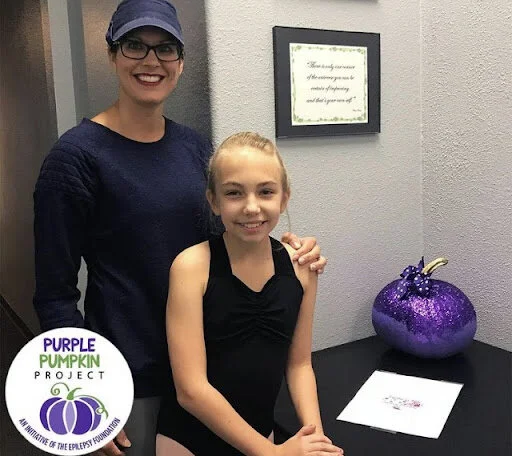
Photo of 11 year old Hanna and my studio’s administrator Alicia Peerson. Hanna had participated in the Epilepsy Foundation Kids Club’s “Purple Pumpkin Project” to spread awareness about epilepsy.

Disability and Ableism: What Are They?
In this article, I will dive deeper into the topics of disability and ableism. I understand that these topics can be sensitive and triggering to some folks. However, I think that these subjects need to be brought to more people’s attention because I don’t hear nearly enough said about them. I also hear a lot of incorrect information around these issues, so my goal is to advocate and educate.
Trigger Warning: Mental disability and anxiety
By Jade Fraser DWC Blog Contributor
Disclaimer: In this article, I chose to use the word “people” before “disability” because some people prefer “person with disability” rather than “disabled person” to show that they are a person before their disability. I generally don’t do this when writing or speaking because, being disabled, I am a person before my disability. That should be obvious, regardless of what language I use. Many people with disabilities use “disabled” before “person” for those reasons, and also for grammar issues. However, individuals may have their own preferences for how they wish to be referred to, and those should be respected. I chose to use “person” before “disability” here only because I want to avoid feedback and questions about my word choice.
In this article, I will dive deeper into the topics of disability and ableism. I understand that these topics can be sensitive and triggering to some folks. However, I think that these subjects need to be brought to more people’s attention because I don’t hear nearly enough said about them. I also hear a lot of incorrect information around these issues, so my goal is to advocate and educate.
I’ll start by explaining what the words disability and ableism mean, and then dive deeper into the complex realm of ability versus disability. I want to share my perspective as a person who spends their life trying to navigate their way through this seemingly endless maze. Additionally, I will discuss ableism and why it is damaging to society, as well as what people without disabilities can do to help break the cycle of misinformation, frustration, embarrassment, fear, and hurt. Finally, I will show how this information relates to the dance world.
You may be wondering, “what is a disability?” That’s a good question. Often, the word “disability” makes someone think of a person in a wheelchair or missing a limb. Others may think of anxiety disorders or developmental conditions. Chronic conditions like diabetes, POTS, or epilepsy might also come to mind. All of these thoughts and views are valid; however, it pays to seek perspectives from other people.
Humans define things differently depending on their distinct life experiences. For example, if you ask ten different people what the definition of education is, you’ll get ten different answers. “Education is when you go to school to learn things.” “Education is when you sit on the couch with a bowl of popcorn and binge-watch The Bachelor for the tenth time this week.” “Education is ‘Hell on Earth.’” I could go on and on.

I personally can see some amount of truth in any of those definitions. If you go to school, you are bound to learn something, whether it be how to solve algebraic equations or what the best (or worst) lunch option is. Binge-watching reality television could make you realize that you like plain butter better than butter and salt on your popcorn. Maybe you’re dreading your next educational opportunity. You could look at any of these explanations and find them valid, in a way. However, you can always gain new insight from listening to the perspectives that differ from your own. (This nugget of wisdom is adapted from the ingeniously hysterical book by Hilary Smith, Welcome to the Jungle: Facing Bipolar Without Freaking Out.)
It’s the same with disability: every person you ask will give a different answer. Nevertheless, the definition of disability outlined by the Americans with Disabilities Act of 1990 (ADA) is “a physical or mental impairment that substantially limits one or more major life activities, a person who has a history or record of such an impairment, or a person who is perceived by others as having such an impairment.”
The ADA’s definition of disability appears complete and thorough, but it can also be confusing to think about what it means to be impaired in a way that fits the definition of the law. What does that mean, exactly? Do I fit that definition? If I do, what do I do now?
I have asked myself all of these questions and have always been confused about them! There are many long and fancy words in these definitions and explanations, which can make them daunting to look at. That’s why I like to describe “disability” more simply, as it can make it easier to understand, not only for myself but, hopefully, for other people as well.
I think of disability as a difference with somebody’s brain or physical body that makes it harder to live their life. This description puts it into simple terms so that it doesn’t sound as daunting and clinical. When I think about the ADA’s definition of disability, I feel separated and tainted with the feeling that I’m “abnormal” or “wrong.” It might make someone appear more limited than they actually are. When I think of it as just a difference that makes life harder, I know that my brain and body function differently, but I don’t feel like I am completely different from those around me.
“Disability” is a frustratingly broad term, which makes it challenging to think about more specifically. Disability is also a spectrum, meaning that a person living with one condition will experience it completely differently than another person living with the same condition. This occurs due to differences in severity, symptoms, etc. An example is an easily manageable OCD that isn’t disruptive, versus OCD that needs to be mitigated with medication.
Further, some disabilities affect the brain’s functioning rather than the physical body. Often called mental disorders or mental illnesses, these impairments can be more common and extensive than many may think.
Take anxiety, for example. I experience multiple anxiety disorders, but mainly Generalized Anxiety Disorder (GAD). For me, experiencing this chronic condition means enduring frequent anxiety episodes, usually without a reasonable or known cause. I might have an episode when watching a funny animal video, or even when I’m just relaxing on the couch. Anxiety is considered a disability when it disrupts a person’s daily life. My anxiety disorders are debilitating every single day – it’s not just situational anxiety – which is why I am considered a person with a disability.
Now that we’ve tackled the definition of a disability, what is ableism?
To me, ableism involves having certain beliefs or doing certain actions that deprive people with disabilities of opportunities. A viewpoint that could be considered ableist is believing that people with disabilities aren’t intelligent people and aren’t capable of living successful, independent lives. Actions that could be considered ableist are talking to a person with a mental illness like you’d talk to a five-year-old or pushing someone’s wheelchair when they don’t need or want you to push it. Judging a person by their disability alone is an ableist thing to do, no matter what. There is so much more to a person than their disability, and you certainly do not know their whole story and therefore are not in any place to judge them.
For example, I have a friend who has Down’s syndrome. She is in her twenties but hasn’t developed as quickly as others her age in certain areas of her life. She goes to a school for people with similar conditions to her’s and has a habit of giving her Barbie dolls extremely short pixie cuts. I will never know the full extent of what it’s like to live with her condition, but, as her friend, I know that I don’t need to treat her differently than I would anybody else just because of her Down’s syndrome. I treat her the way I would treat any of my other friends, meaning I don’t talk to her differently and I don’t treat her like a baby, because she isn’t one. Her condition does not define who she is. I see her just as I would see any of my other friends. She is not “my friend with Down’s syndrome;” she is “my friend.”
Many things can be considered ableist by people with disabilities, and we might be hurt by something a person says or does even if they mean well. You might not think completing a simple task for us or trying to make life easier for us in some way could be hurtful. But, we might get confused as to why you’re doing something for us that isn’t difficult to do ourselves. You might think you’re helping us, but often what you’re doing is frustrating and confusing at best, and communicating that we can’t be independent and must always rely on others at worst. It would be a different story if we actually needed help with something when we’re unable to complete a task without support.
Due to ableism, people with disabilities can experience discrimination from educators, potential employers, and others judging them based on their disabilities and not their skills. People who would be fantastic in a certain position could get overlooked or fired based on them having a disability. Additionally, people with disabilities have historically been paid less than others that don’t possess disabilities.
Further, there are many misconceptions about disabilities out there. For example, some misconceptions include that everybody who uses a wheelchair is unable to walk or everybody who uses a service animal is blind. People with mental illnesses may be considered unintelligent and incapable of being independent or successful.
If these misconceptions are spread widely, then they will be widely believed. If they are widely believed, an entire society can become misinformed. These false beliefs then become the foundation of how our society thinks and operates, and it will become much more difficult to re-educate people.
“One misconception that bothers me a lot is the belief that people with mental illnesses are not intelligent and capable people. That is about as far from the truth as you can get.”
One misconception that bothers me a lot is the belief that people with mental illnesses are not intelligent and capable people. That is about as far from the truth as you can get. I have multiple mental illnesses, and I am capable of excelling in a difficult and high-powered career if I chose to go that route. It's no wonder that many people with mental conditions become talented visual artists, musicians, dancers, actors, and more. Here are just a few examples of celebrities with mental illnesses:
Park Jimin (Jimin of BTS) has struggled with disordered eating and has become a crucial part of the Korean pop band BTS with his vocals, dance skills, and his ability to show empathy and love.
Min Yoongi (SUGA of BTS) has dealt with debilitating anxiety disorders and depression, and he uses his personal experiences and extreme pain in his work as a beatmaker and songwriter, aside from being a phenomenal pianist.
Carrie Fisher struggled with addiction, which is hereditary in her mother’s family. She became one of the most celebrated actresses out there with her work as Princess Leia in the Star Wars movies.
Ludwig van Beethoven is thought to have had a mood disorder, likely bipolar depression. This caused him to create much of his music to reflect his mood, which is one of the reasons his music speaks to so many people.
It’s not only intelligence and success though. People with mental illnesses are not the unstable, crazy people that much of society sees us as, and how we are often portrayed by the media. Some of the most sensitive and in-tune people I know have mental disorders. Some people with mental illnesses may be so in touch with the emotions of others that they seem psychic, or extremely sensitive to nature. Others might be loved so much by animals that they will bypass everyone else just to approach them. For me specifically, I have always had a gift with horses. I can bond and communicate with them in a way that’s different from everybody else.
These unique parts of myself and others are true strengths and gifts. However, they pose potential challenges. For example, somebody attuned to nature might feel most at peace in natural settings, but could be driven to depression – or even suicide – by the fact that the earth is being harmed by humans, potentially beyond repair. As someone who is attuned to horses, I didn’t know what to do with myself when the horse I learned to ride on and who taught me so much was put to sleep. Her loss was devastating for me. (That’s another nugget of wisdom adapted from Welcome to the Jungle: Facing Bipolar Without Freaking Out by Hilary Smith.)
Part of why debunking misconceptions is so important to me is that youth with disabilities are at a “high risk” for self-harming and suicide. When I was in 8th grade, I was almost driven to suicide because of what was happening in my life. What saved me was the knowledge that I have people around me that need me, love me, and care so much for me that losing me would destroy their lives. Through all my self-hatred, I still knew that people cared. And they cared for me. If I died, so many people would die too, emotionally if not physically. That is what kept me going in the darkest point of my life.
I choose to publicly share personal details of my struggles so that I can raise awareness of the reality that I was living. There was so much more going on beneath the surface than you ever would have known by just talking to me on a daily basis. I laughed, I socialized, and I went away from home, but I was truly suffering. I am living proof of why it is hurtful to judge and make assumptions about people with disabilities when you don’t have all the information. People not believing my struggles and gaslighting me almost caused me to end my life.
At this point, you may be wondering “how does this all relate to the dance world?” Earlier, I mentioned how people with disabilities are affected by discrimination in education and employment. The same issues happen in the dance world - people with disabilities can miss out on dance-related education and employment opportunities. We also need to re-consider the accessibility of dance programs and facilities. If a person with a disability is denied an opportunity to participate in a program because of an accessibility issue, there are problems on multiple levels. For example, if a dance convention is being held at a location that is inaccessible to a wheelchair user, the facility is liable for being inaccessible, but the convention is responsible for not choosing an accessible location. If a dance camp or intensive program refuses to admit a dancer based on their disability rather than their dancing, that’s also ableist.
Situations like these can be classified as legal issues, ethical issues, or both. In a school setting, a student might be denied based on accommodation issues on campus, which is mainly a legal issue and can be fixed with structural modifications. But if the student is denied based on the staff’s unwillingness to support a student with a disability, that’s mainly an ethical issue. In the case of a dance convention, intensive, or even just a class, it’s both a legal and ethical issue. Therefore, in the dance world, there’s a need to solve all of these issues by implementing both structural changes in facilities that need them, as well as shifting attitudes with re-education.
I really hope everyone enjoyed reading this article and learned something new. The world might become a little less biased with people becoming more aware of the realities people with disabilities live with every day.
Neurodiversity in Dance
I sat down with every intent to write this piece about neurodiversity in dance. However, the topic quickly became too academic and theoretical. You see, neurodiversity and dance are two topics not often heard in conjunction. Neurodiversity is, simply put, brain differences. Human brains vary. This is natural. This term is often used to describe conditions like Autism or ADHD, which are variations…
By Brittni Bryan. DWC Blog Contributor
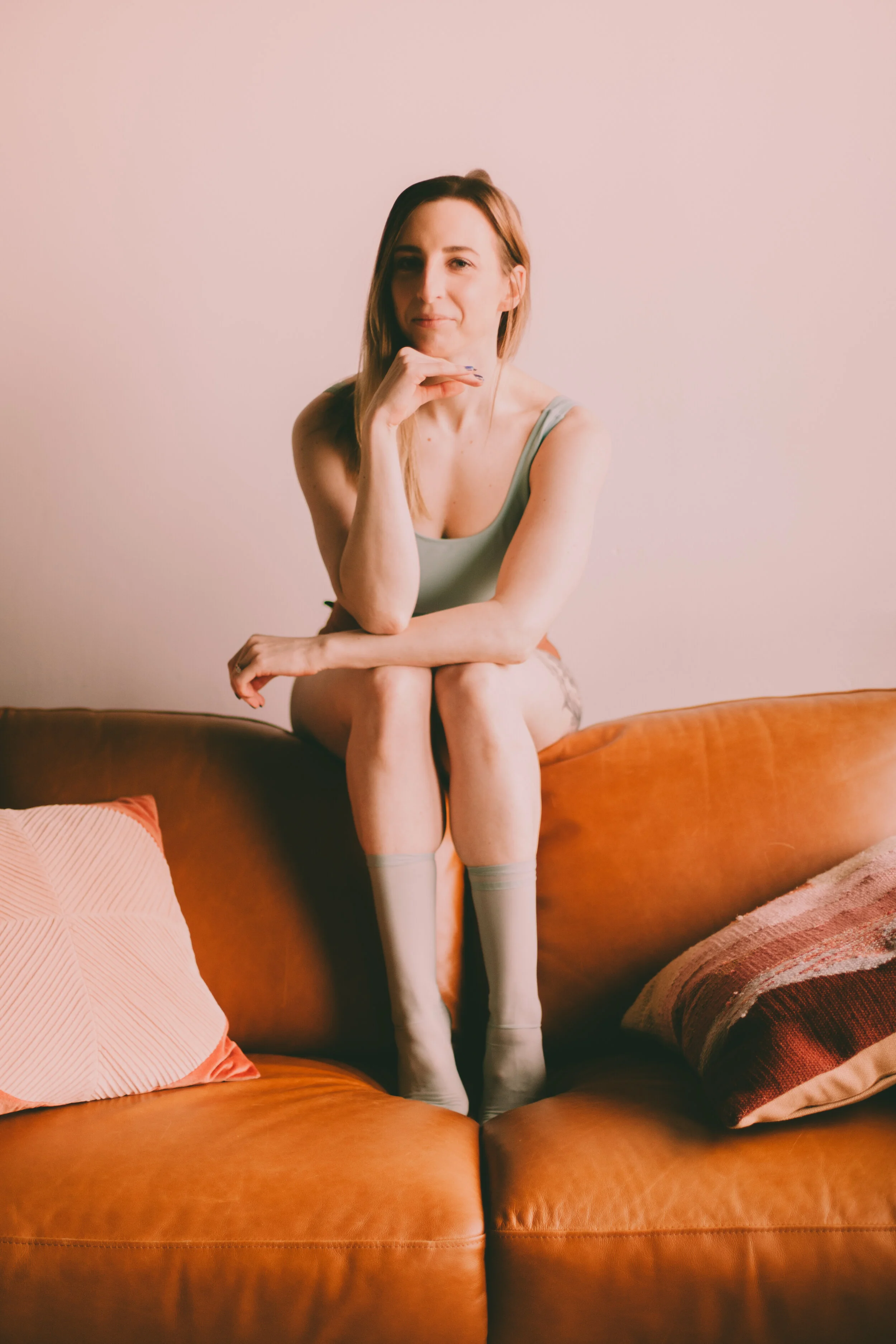
I sat down with every intent to write this piece about neurodiversity in dance. However, the topic quickly became too academic and theoretical. You see, neurodiversity and dance are two topics not often heard in conjunction. Neurodiversity is, simply put, brain differences. Human brains vary. This is natural. This term is often used to describe conditions like Autism or ADHD, which are variations in the neurocognitive functioning of the human brain. ‘Neurodiversity’ covers a range of variations in the human brain as they relate to sociability, mood, learning, and attention (Griffen, n.d., para 1).
In my work as a Special Education teacher and case manager, I work with neurodiverse brains on a daily basis. I love this work. I love finding tools and strategies to help students maximize their potential. The educational opportunities for students with disabilities today is vastly different than it was even when I was in school. More and more students are identified year after year as students who need specially designed instruction in order to be appropriately served in public schools. This is a great thing! I, personally, would love an education system that is able to reach every student with an individualized plan— those with and without disabilities. Yet, while an understanding of neurodiversity is growing in schools and workplaces, neurodiversity is not well explored in the dance community because of a pervasive culture of exclusivity within professional dance spaces, and, potentially, dance educators’ lack of experience working with neurodiverse individuals.
Historically, European professional or technical dance (aka Ballet) was for the upper class. Ballet started as court entertainment in Italy and France during the Renaissance (Kant, n.d., paras 1-10). There is still a class divide in dance today. Elitism in ballet is not new news. However, we don’t often talk about the ability divide in dance. While physical disabilities have become more prominently accepted than in the past (see dancers like Alice Sheppard, Jeron Herman, and Evan Guinet), there isn’t currently a space for neurodivergent dancers in local studios or in the broader dance community. Case in point: I searched for neurodiversity on dancemagazine.com and received the following message, “Ooops! No results found!”

Studios continue to focus on scouting natural talent, instilling dedication and self-discipline, teaching proper etiquette, fostering professionalism, and infusing their dancers with technical skills, flexibility, and artistry— all good things! To be clear, these are not inherently bad missions. Where we go wrong is in implementation. I think back on my dance training: I remember dance being a place where I was held to strict standards, where people were always watching and assessing me, where my effort and behavior were constantly on trial. Every year we auditioned for our competition castings. I remember being singled out in an audition for kicking on the wrong counts as I completed across the floor progressions during the audition. I remember being told to go to the dressing room with two of my friends to stretch our splits until we got all the way down in them— only then could we return to the audition. I remember being so scared of doing a back handspring but doing it anyway so I would get cast in the upper level group. I remember speaking up for myself once, telling the teacher that she was being mean, which resulted in my “special partnering part” being given to a quieter girl. I didn’t speak my mind again. The first time I loved dance was not until I was thirteen or fourteen. I took a lyrical class at Westlake Dance Center with Kirsten Cooper, and I fell in love. Kirsten made the class more about intention and emotion rather than about technical skill or effort (though her dancers are also beautifully skilled technical artists). For the first time, I felt like I was dancing for me, like I was getting to explore parts of myself that I hadn’t had the opportunity to explore before. My mental health felt seen in Kirsten’s classes, and this was so important for me.
All of this is to say, maybe inclusivity in dance is more about how we teach than about who is in our classes. There is this idea in academic teaching that the strategies used to teach students in Special Education programs are just good teaching strategies period. The structure and accommodations we create for our neurodiverse students are helpful for all our students. Maybe it is the same with dance? The knowledge and teaching pedagogy I have developed as a special education teacher helps me as a dance teacher. Tiny brains love repetition whether it is academic concepts or movement. Teaching younger dancers to connect movement to song lyrics is another helpful memorization strategy because it taps into our brain’s natural desire to find patterns and predict sequences; it’s like a matching game. If you can connect the lyric “heart” to a movement that also suggests the idea of “heart”, the brain is more apt to remember that movement sequence because it becomes a pattern. An executive functioning skill called “chunking” is applicable in dance as well. Breaking things down into small, manageable pieces is an effective strategy whether you are guiding students through a project or teaching a dance routine.

As neurodivergence continues to be acknowledged in schools, I see more neurodivergence in my dance students. Admittedly, this can make teaching challenging; but, I’ve learned to adapt my practices. For instance, I have a student who thrives when given lists. So, every solo practice, we make a list of the parts of her routine we need to work on. Another student needs frequent breaks, so we do lots of short water breaks so that she can reset every 10-15 minutes. These are small strategies that make huge differences for the health and well-being of my dancers. As we continue to educate this next generation of dancers, let us focus on seeing our dancers as humans, educating the “whole” dancer, actively listening to our dancers and engaging them in dialogues, and supporting and encouraging dancers to grow to their full potential without pressuring them to perform past their comfort.
If dance educators can make this shift, there can be a place for neurodiverse students in dance studios, and there should be. With teachers who are actively aware of the neurodiversity paradigm, studios can become more inclusive of dancers whose operating systems are different from the ‘norm’. Dance should be about bringing people together in a space where they can share the joy of movement and performance. Performing movement is powerful and neurodivergent dancers can (and should) get to feel that too!
References:
Griffen, Mark J, Understood Team. (n.d.). Neurodiversity: What You Need to Know. understood.org. https://www.google.com/amp/s/www.understood.org/en/friends-feelings/empowering-your-child/building-on-strengths/neurodiversity-what-you-need-to-know
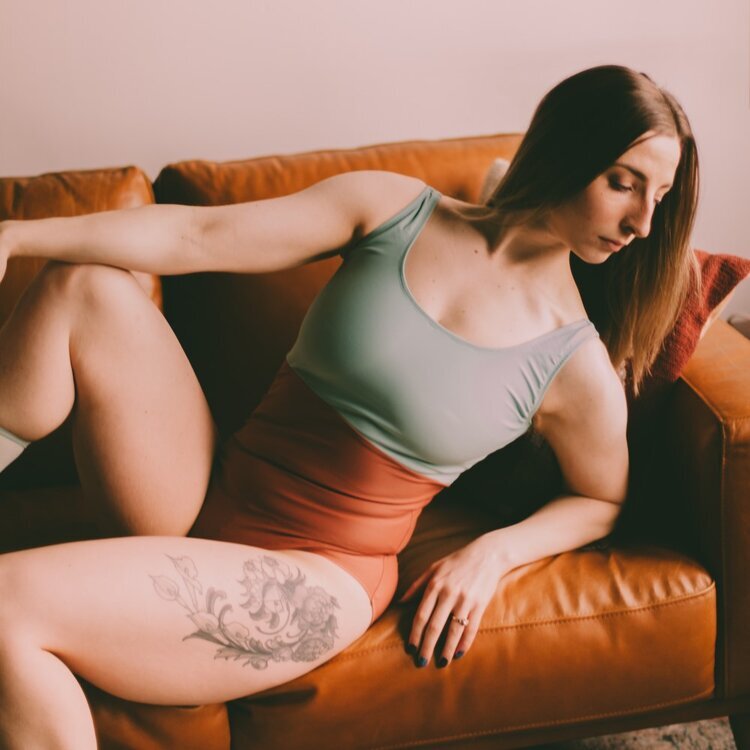
By Brittni Bryan
Brittni Bryan grew up dancing in the Pacific Northwest, training in jazz, lyrical, tap, ballet, and acrobatics. Professionally, Brittni has performed as a member of 3rd Shift Dance company, Le Faux at Julia’s on Broadway, and currently is a member of Intrepidus Dance Company.
Brittni graduated from Seattle University in 2013 with her Bachelor's of Arts in English Literature, and in 2018 she graduated from Seattle Pacific University with her Master of Arts in Teaching and endorsements in Special Education and English Language Arts. By day, Brittni teaches high schoolers for Seattle Public Schools, and by night, she works with dancers at Glass House Dance!
In her free time, Brittni enjoys binging Netflix shows with her wife, cuddling with her cats, writing (she submitted her first poetry collection to be considered for publication in early 2021!), and reading. She is really excited to join the 2021 DWC Ambassador Cohort to connect with other dancers and contribute to the growth of the PNW dance community.
Finding My Version of Success in Dance
If you had a chance to read my “get to know me” blog, you know I have been dancing since I was 5 and now at almost 30 dance is still a huge passion I continue to pursue. Growing up I participated in competitions, I auditioned for and attended a ballet intensive as a sophomore in high school , went the route of adding on dance team in high school and college, sprinkled in some musical theatre experience
By Kelsey Wickman
Kelsey Wickman began dancing at the age of four starting with ballet and tap, then expanding to include jazz, contemporary, lyrical and modern. She refined her ballet training while attending State Street Ballet's summer intensive. Kelsey then continued her dancing while enrolled at Gonzaga University. During college, she participated in academic dance classes, the student-led dance club Boundless, oversaw the dance program's master class program, danced and choreographed for Student Choreography Concerts, performed with the Gonzaga University Dance Team, attended ACDFA and earned a minor in Dance.
Post-college, Kelsey relocated to Salt Lake City where she was able to continue her training at Millennium Dance Complex SLC from a multitude of talented teachers in a variety of styles. In 2015, Kelsey relocated back to Seattle and joined modern company, Version Excursion Dance, who she danced with for 2.5 years. Kelsey is now in her second season with Syncopation Dance Project, a group of passionate adult-age dancers who come together to share their talents. She also participates in the annual artÉmotion adult ballet intensive under the direction of Allison DeBona where each summer she is inspired by dancers of all levels who continue to keep dance a part of their lives even with life, family, work and other obligations. Kelsey's ultimate goal is to still be dancing way into old age.
Outside of dance, Kelsey is the Media Relations Manager at Rad Power Bikes.
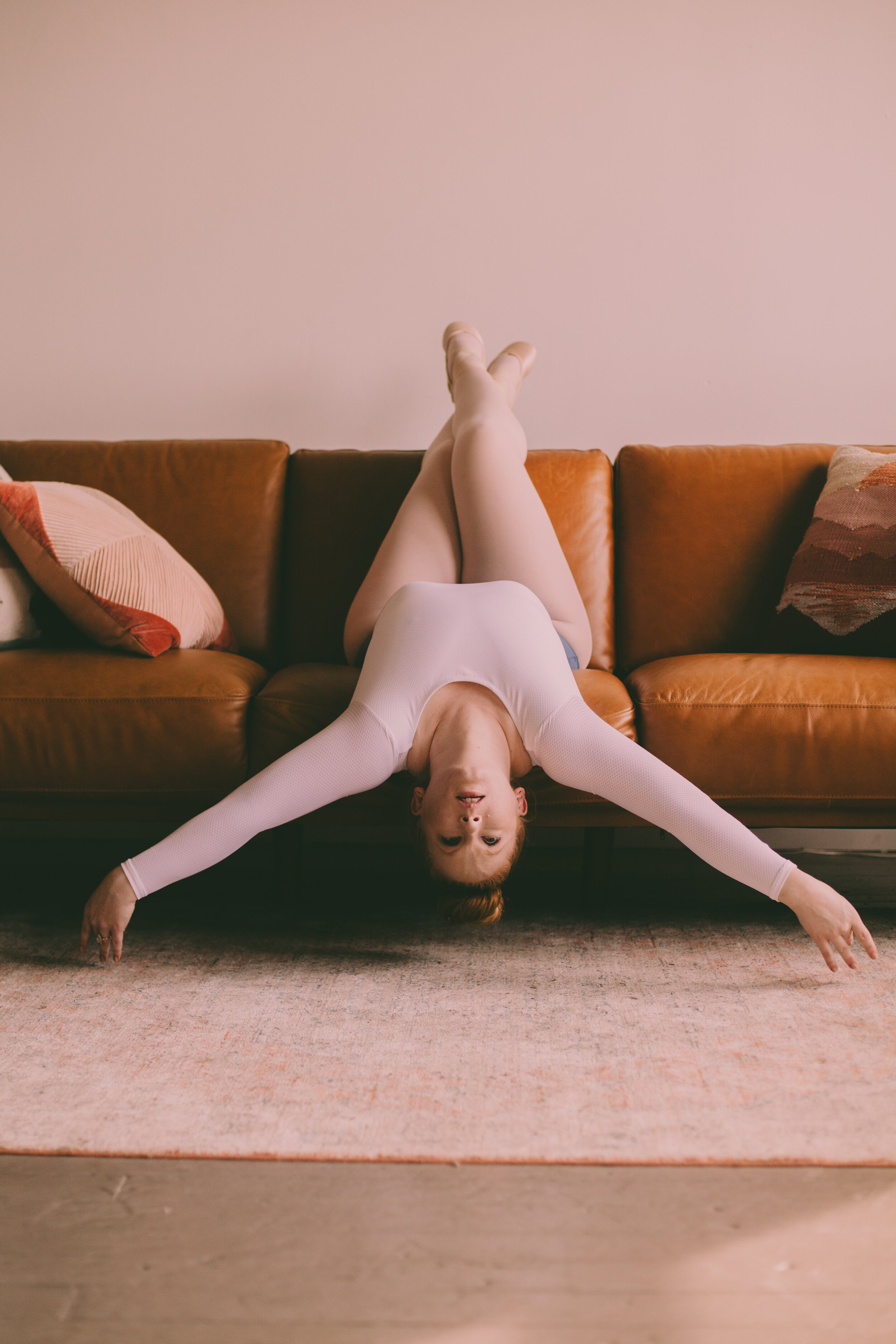
Shop the Look: Royal Leotard by Jule Dancewear
If you had a chance to read my “get to know me” blog, you know I have been dancing since I was 5 and now at almost 30 dance is still a huge passion I continue to pursue. Growing up I participated in competitions, I auditioned for and attended a ballet intensive as a sophomore in high school , went the route of adding on dance team in high school and college, sprinkled in some musical theatre experience in productions of A Scarlet Pimpernel and A Chorus Line, minored in dance at Gonzaga University and more. Basically, when I wasn’t doing school work, I was dancing. Yet, at a fairly young age I understood my time dancing to be limited. This understanding went so far that I clearly remember my last Spring Dance Concert in college wrapping up and I started sobbing, like full on stage makeup running down my face sobbing, because I thought I would never perform again. Sure, I might be able continue to take class as I moved my way into the “real world,” but a future that included dance in any serious form was always out of the picture. But, why?
Now, as someone who has managed to keep dance such a pillar of my life despite the challenges of a career, family, and other responsibilities, I have often asked myself what drove that limited view of dance success and how can I be an example for others in a different view of what I learned as success.
As a young dancer the version of success that was shown to me included full time, professional dancers who were taller, leaner and more talented than me. I started playing that comparison game, the one you can’t actually win at, early on and counted myself out before I even tried. I really had no idea there was a world out there with dancers who were of a broad range in ages, body types, skill levels and more who found their own versions of dance accomplishments worth celebrating.
As someone just now figuring this out, I figured I’d share a few ways I’ve redefined success in dance for myself.
1. You don’t have to make dance your career to keep it up. The range of classes, performance opportunities, companies, and continuing education for dancers as adults is only growing. At one point I remember the only adult class at my studio was a beginning tap class that some of the dance moms took while their kids were in competition company rehearsals. Now, there are studios and programs dedicated to building adult dancers as artists, taking them seriously at all levels, which I personally think is so beautiful!
2. Be open to dance finding its way into your life in unexpected ways. Even though you may choose a path that isn’t 9-5 dancing, it doesn’t mean dance might not find you. When I was in my second year post-college working at a public relations agency in Salt Lake City I got pulled into one of the partners’ offices because they wanted me on a new client. The client was a multichannel YouTube network dedicated to dance and they knew I could speak the same language as the client who was partnering with Nigel Lythgoe at the time (yes, I nerded out a lot when I landed this interview for Nigel, our client and the LA Times and got to be on the call). It was such a fun way for career and dance to cross paths in a totally unexpected way and I got to see career and dance success combined.
3. Start finding ways to support a broad spectrum of dance. This can look like a lot of different things and there is not a right (or wrong) way to do this. Watching more dance was one thing that really opened up my eyes to the amount of opportunities that do exist. I started seeing a broader spectrum of successful dancers in a wider variety of styles. I also think this is one way social media is so powerful, it gives us easier access to discovering dance and dancers that make us feel like doing a little more dancing ourselves. That’s how I discovered my current dance family, Syncopation Dance Project. After watching and talking to people involved, I knew it was a dance space for me. You never know what’s out there until you do some looking.

Click Below to Shop the Look:
Luster Leotard by Jule Dancewear | Bullet Pointe Skirt in Lilac

Click Below to Shop the Look:
Support the Arts Hoodie by Sunday Outfitters | Performance Shocks by Apolla Performance
There are more opportunities than ever to take our common love for dance and continue it in so many really rewarding ways. Dance doesn’t have to be your professional career or something you get paid to do to be an important part of your life or to feel like you have found success with it. Showing up, continuing to put in work and loving the movement is success enough, but there are also so many other ways to achieve some really great things when it comes to your dancing. If you love it, keep on working at it.
Getting to Know the Creator of Girl Power Sport: Lisa Fairman
Earlier this month, I had the amazing opportunity to sit down and chat with Lisa Fairman, founder of Girl Power Sport. They are a local gymnastics, dance, and activewear brand based in Vancouver, Washington with most of their materials sourced from Portland, Oregon. When asked about how her brand started, it was clear Lisa has been surrounded by the arts and sports community for a very long time.

By Emma Neilson
Emma Neilson is a pre-professional dancer from Seattle, WA. She started dancing at the “late” age of 13, and decided to pursue a possible professional career at age 19. She is currently a Professional Division student at International Ballet Academy in Bellevue, WA. She is a registered Barre fitness and Flexistretcher instructor, as well as a current ambassador for To The Pointe Nutrition.
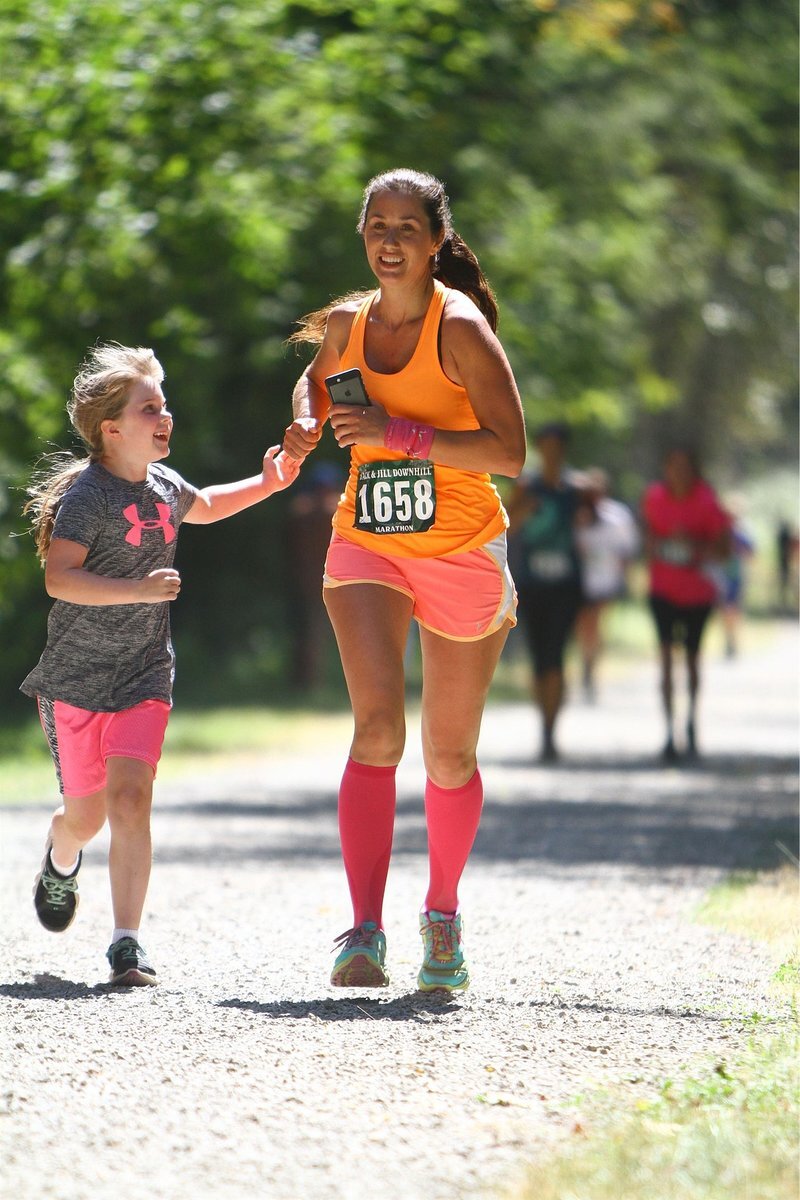
Earlier this month, I had the amazing opportunity to sit down and chat with Lisa Fairman, founder of Girl Power Sport. They are a local gymnastics, dance, and activewear brand based in Vancouver, Washington with most of their materials sourced from Portland, Oregon. When asked about how her brand started, it was clear Lisa has been surrounded by the arts and sports community for a very long time. From participating in ballet, soccer, and theatre herself, to having two daughters in dance and gymnastics, Lisa has first hand experience with what one would want out of this type of apparel. In addition to this, Lisa previously worked for Nordstrom and Zulily, and while there, recognized the demand for and lack of vendors and products on the market. After parting ways with the corporate world, Girl Power Sport was born!
When asked about her transition from buying to manufacturing, Lisa was candid about how difficult it was at first. Though she had years of experience in the fashion industry, she said it was a shock and an eye-opener to see how different things were on the other side. She mentioned how humbling it has been to go through rejection from buyers and retailers and gave some guidance to those who are looking to start their own business:
“So I would say first of all, just whenever you jump into something new, especially with manufacturing and retail, I would say just be open, you know, be open to learning from other people.”
Her biggest piece of advice is being able to pivot and change your business and plans, especially now with COVID-19 making an impact on everyone.
I personally think part of navigating entrepreneurialism includes making sure you have aspects of your brand that will set you apart from the rest, and there are several ways Girl Power Sport achieves this to bring gymnastics wear to the next level. Currently, most of their prints are custom, and Lisa is hoping as time goes on that all of their prints will be custom. The prints are lighthearted, fun, and fresh. They take into account what customers like and try to incorporate humor and encouragement into that, to create something that you will not only feel good in, but might make you smile along the way. They also have coordinating activewear sets to pair along with some of the dance and gymnastics wear.
It doesn’t stop there- Girl Power Sport is very involved with the local community and is committed to donating $1 to charity with each purchase. Lisa was born with a heart condition which resulted in years of health problems and several surgeries. She is an “unusual” case, as she is now healthy, active, and a seasoned runner. Because of this, Girl Power Sport routinely donates to the cardiology fund at Seattle Children’s Hospital. Lisa is truly an inspiration having successfully integrated her personal life experiences and passions into something that is ultimately impacting others as well.

We are so proud to be working with Girl Power Sport, and are greatly aligned in our morals and missions. We want to empower girls and women, serve the local community, and above else believe that movement is for everyone! Lisa said “We strive to be an all around fit… I just felt like dance and gymnastics should be accessible to everybody… No matter what your size. [We] want people to feel like anybody can do dance… you can be any age and be a dancer.” And as some of you readers may know, one of our mantras here at Dancewear Center is “Every body is a dancing body.” Sadly, this sentiment is not shared by the dance and gymnastics world at large, and together we are working to change that and spread this message.
When asked about what other changes she would like to see, Lisa replied saying “I would love for dance and gymnastics to be more accessible [to] ... inner cities and… people who can't pay and lower income families.” She went on to talk about the importance of afterschool programs and recognizing that dance and gymnastics is “...such a healing thing for communities…” She also briefly talked about how much she loves “...the mentorship that goes on with dance and gymnastics with the coaches and the kids… because you spend so much time together. They're just these crazy bonds and I just love that sense of community...” We couldn’t agree more, and along with Girl Power Sport, are here to support these athletes and artists, their parents, teachers, and everyone else in between.
Because it is Mental Health Awareness Month, it was only fitting that Lisa and I chatted about her struggle with anxiety as well. I asked her about her experience and how she manages it, and she had many helpful things to say. She said that a large part of her journey has been “learning how to be living in the present and not… fixate on the past and not stress too much on the future.” She also said she has been learning to be still with herself and how to “reset”. Some coping skills that have helped her include journaling, meditation, and reframing your anxious thoughts. She says she is working on being able to show up in terms of work and business management and at the same time staying centered. This is the art of balance and we both agreed that it is so important to remember that it’s a journey and there is no such thing as perfection!
You may be asking, what is coming next for Girl Power Sport? Lisa said they are currently working on putting together a second production team based in Seattle, WA. Lisa also emphasized how much she values staying local, at least for right now. She prioritizes good working conditions, fair wages, high quality, made in the US, handmade products- all of which is achieved by her hands-on management style. Because of their locality, custom orders are easily produced as well! Lisa and the whole Girl Power Sport team take pride in what they produce, and they love being able to “...share our love with you.” And now, we are able to share it with you too!

“All of us get creative in all different ways to make our dream a reality.”- Lisa Fairman
Click here to listen to a more in-depth interview with Lisa about her personal and professional life story!-
Girl Power Podcast
Available to purchase now in-store and online at https://www.dancewearcenter.net/ and https://girlpowersport.com/
Mental Health in Dance
Mental health in dance is a phrase I never heard growing up. I grew up in a time where there was a huge stigma on mental health. If you needed counseling or help, there was “something wrong with you”. So, every time I was struggling, I pushed it down. I could build a mountain with all the struggle stones I’ve shoved deep down inside.

By Austin Sexton
A singer, dancer and actress, Austin has been honing her triple-threat ability since childhood. She grew up among the Lake Washington studios of Spectrum Dance Theater, the company her mother, Jenny Hillock, co-founded. And, with two parents as dancers, Austin developed a passion for the performing arts at a young age. After training at Spectrum for many years, as well as Seattle Children's Theater, Austin studied at Dance Fremont! during her teen years.
Throughout her stage career, she has performed leading roles in "The Wiz," (Glinda),"Cabaret," (Sally Bowles) and "Anything Goes" (Reno Sweeney) with Summit Youth Theater Company. As a concert performer, she has danced the works of Eva Stone, Kabby Mitchell III, Jenny Hillock, Jason Olhberg and Dance Fremont! co-founders Mary Reardon and Vivian Little and many more.
After graduating from high school, the mezzo soprano went on to pursue her degree in music, where she studied music theory, piano, choir and vocal performance, During her college years, she pursued an opera workshop, performing scenes from "Falstaff" and Gloria Swisher's one-act opera, "Poker Alice."
As a co-founder of Relay Dance Collective, a formerly well known dance company in Seattle, she was inspired by the vision that allowed her mother, and other great dance artists such as Dale Merrell, to create a company based on inclusiveness and recognition that talent comes in many colors, shapes, forms, and sometimes, from unexpected sources.
Today, Austin remains active in music and dance, and enjoys teaching at Momentum Dance Academy, where she is the Rehearsal Director for their Performance Division. She has choreographed and set works for The Nutcracker, Sleeping Beauty, Alice In Wonderland, Cinderella and Swan Lake. At Momentum, she promotes inclusivity, body positivity, and mental health awareness in addition to the high quality training she gives dancers. She remains a positive impact on the youth of her community by creating a healthy safe environment for students to thrive in.
Medical Disclosure: Dancewear Center does not claim to have any medical expertise on any circumstances or diseases discussed. This is Austin’s personal experience and opinions. If you need help see the resources listed at the bottom of this post. If you or someone you know needs immediate medical attention, call 911.
Mental health in dance is a phrase I never heard growing up. I grew up in a time where there was a huge stigma on mental health. If you needed counseling or help, there was “something wrong with you”. So, every time I was struggling, I pushed it down. I could build a mountain with all the struggle stones I’ve shoved deep down inside.

Growing up as a larger bodied dancer came with so many extra hurdles and it deeply affected my mental health. I have been ignored, looked at with dissatisfaction, and even been refused training because of the way my body was just naturally built. In addition to that, my mother, who is built in a petite and thin frame, was one of my teachers and I compared myself to her every day. (Despite this, she was so incredibly supportive of my training).
I was struggling with body dysmorphia, depression, and anxiety and despite all the dance training, I was never taught how to ask for help. So instead, I built stones and pushed them down. I suffered. I self harmed, I developed an eating disorder, I was resentful and destructive. I needed help, but I didn’t know how to ask how.
Now, as a dance educator, I have made it a mission of mine to teach dancers how important it is to know how to ask for help. I think mental health awareness should be part of dancers training. The dance world puts so much pressure on dancers to be technically perfect, thin, and fit, but it can take a toll on our mental health. Long term, it can cause dancers to either be destructive or burn out and quit.
One of the ways I try to train mental health awareness and body positivity In my classes is by discussing strength and anatomy: but never size or weight. I advocate for all my dancers--no matter their shape--to have equal access to roles and opportunities. If I see one of my students struggling, I immediately reach out to them. Because I was experiencing my own series of mental health crises during my youth, I now recognize the signs. I talk to their families and help them access the tools and resources to get help.

Most importantly, I make my students feel seen. I wish that just one of my teachers would have taken the time to make me feel seen. How much that would have changed my life. I make sure that in every class, every student gets not only a correction, but also praise for something they’re doing well. Building their self confidence in each class motivates them from within to feel that they are safe to make mistakes with me. I preach to them that they are never wrong for making a mistake, because that is where they can learn and grow.
About once a month, I take 5 minutes at the beginning of class (no matter the genre) as a mental health check in/affirmation and goal setting time. We close our eyes and breathe together, and set goals to achieve in the month. We identify where we’re struggling and what we think we can do to improve together. We acknowledge where we’re thriving and honor that together. If I had had a teacher doing this with me as a young dancer, I absolutely believe I would have not resorted to destructive behavior to feel seen. It would have completely changed my life.
Lastly, I take accountability if I have unintentionally hurt their feelings. I show them that I am not perfect and that even adults can make mistakes. I never had an adult apologize to me in my youth for hurting me. If I ever expressed that I was hurt, it was always spun around to what I did to make them do or say whatever it was that hurt me. In taking responsibility for my actions, even if I know that I wasn’t intentionally trying to hurt them, I teach them that their feelings are valid, that they are visible to me and that they are safe.
Now, instead of struggle stones, I am working on building stones of strength and compassion, in hopes of building a generation of healthy, strong and happy dancers. Will there always be struggle stones? Yes, but I’m hoping that there will be enough supportive ones to hold up the struggle ones when they need it.
RESOURCES
Students, please talk to your parents or an adult you trust if you need help. They can connect you with a doctor. If you need immediate help, here are some resources:
The Importance of Recognizing Burnout in Dance
It’s that time of the year when many studios are starting or well into their preparations for competition and performance season. Especially with the major setbacks the pandemic has put us in when it comes to being on stage, it makes it all the more exciting to be back on stage and dancing again. However, with the pandemic comes another crisis many dancers have overlooked.

By Emma Spencer
Emma Spencer trains and teaches at Academy of Dance in Port Orchard, Washington, and has been dancing for 12 years. She studies multiple styles such as ballet, contemporary/lyrical, jazz, and musical theatre, as well as gets involved in her competition team and Pre-Professional curriculum.
Emma teaches primarily between the ages of 5 and 10, and is very involved with her competition team, Synergy Dance Company, competing at local competitions and performing at local venues such as nursing homes and festivals. Emma has also been featured in her studio’s rendition of “The Nutcracker” as many lead roles such as, but not limited to: the Sugar Plum Fairy, Clara, and the Snow Queen.
When not dancing, Emma enjoys playing video games, digital art, advocating for epilepsy and mental health, collecting rocks, drinking coffee, and photography. Emma is honored to have been accepted as a Dancewear Center Ambassador and is excited to share her passions with the dance community.
Medical Disclosure: Dancewear Center does not claim to have any medical expertise on any circumstances or diseases discussed. This is Emma’s personal experience and opinions. If you need help see the resources listed at the bottom of this post. If you or someone you know needs immediate medical attention, call 911.
It’s that time of the year when many studios are starting or well into their preparations for competition and performance season. Especially with the major setbacks the pandemic has put us in when it comes to being on stage, it makes it all the more exciting to be back on stage and dancing again. However, with the pandemic comes another crisis many dancers have overlooked. Teenagers have been the most affected by the pandemic in terms of mental health, stress, and burnout. Between this last year and our current year, we have witnessed and participated in a plethora of historical events that took away opportunities that we took for granted, such as school, prom, hanging out with our friends, and those of us who are dancers: performing in person in front of a large audience. With the pandemic starting to (hopefully) fade out and scientists grasp more of an understanding of COVID-19, I’m not sure we’re ready for our next world-wide crisis: mental health and burnout.
Being a dancer, you see a lot of stigma against mental health and burnout in general within the community. As someone who deals with mental health related issues myself and spreads information about it more than I regularly complete my homework assignments, it’s disappointing to see that the dance community hasn’t quite caught up with the rest of the world in that regard. You see comments like “you just aren’t trying hard enough” or “you probably shouldn’t be dancing if you aren’t taking this seriously.” It’s comments like these that invalidate the struggles of dancers and make them feel unheard. Because the truth of the matter is that dancers are pushing themselves so far that they're getting burnt out and fatigued, and the pandemic and daily struggles of life are doing nothing to help them either.
What is Burnout and What Causes It?
Burnout is, simply put, your mind and body telling you to take a break (bet you haven’t heard that from your parents 100 times). It’s the consequence of doing too much and is often seen in dancers who’s schedules don’t give them an adequate amount of time to rest and recover after training, although dancers aren’t normally in control of their own schedules. Burnout can also be caused by poor nutrition and physical and emotional stress. Dancers affected by burnout are also more susceptible to injuries.
Burnout Warning Signs
Just like physical illnesses, your body begins to show signs that you need to slow down and that what you’re doing is too much before you experience burnout. Those precursor burnout signs should be a signal for you to take a break and recalibrate your mind and body. Those signs include but aren’t limited to:
Poor concentration
Fatigue
Loss of appetite
Decrease in enthusiasm or desire to dance
Increase in irritability, anxiety, and depression-like symptoms
Inability to “bounce back” completely after intense training
Prevention
The biggest thing you can do to prevent burnout is to educate yourself as to what burnout is. It’s important for teachers, students, and parents to recognize the risks and warning signs of burnout to stop it ahead of time. Burnout isn’t completely avoidable due to its complexity, and the signs and effects of burnout are going to be different for every dancer. However, there are steps you can take to prevent the worst of it.
Adequate Rest
After a long day at dance, it’s important that you give your mind and body the time it needs to relax. Whether that’s active stretching, yoga, or even taking a nap. Resting is important so you feel energized for your next day of classes. Making sure you get a good night’s sleep is also important. You want to wake up well rested and ready for the day.
Eat Well
Note: In this section I briefly talk about eating disorders. It isn’t in depth, but if the topic makes you uncomfortable, please read at your own comfort. I’ll also be leaving resources at the end.
It’s no secret that dancers struggle when it comes to eating well, or at all at times. Eating disorders are common within the dance community unfortunately. As I stated earlier, poor nutrition is a major cause of burnout, so it is all the more important to eat well before and after your classes. I’m not necessarily saying to make yourself a large meal, just a fueling snack before and after classes at least. Your body needs that fuel to create the energy you need to dance all day. If you aren’t eating, your body doesn’t get the fuel it needs to give you energy, and you’ll be left tired and nauseous all day. Give yourself permission to eat.
Know Your Limits
Don’t push yourself harder than is necessary. Set realistic goals for yourself. Being a perfectionist myself, I understand the struggles of feeling that I’m not doing good enough and need to keep pushing myself towards unrealistic goals to the point of causing unnecessary stress.

Click Below to Shop the Look
Find Other Hobbies
Find things to do at home that aren’t related to dance. Being dedicated to dance is great and highly encouraged, but if that’s all you’re doing at home, that’s going to speed up the process of burnout. Take up some different activities such as painting, or music. Not only will it give your brain a break from thinking about dance, but picking up multiple hobbies makes you a more well-rounded person. Finding other things to do doesn’t make you any less interested or dedicated to dance. Make sure there is a life outside of the studio.
Acknowledge Your Students’ Struggles
This section pertains more towards teachers and parents. Give your dancers a chance to recover. Don’t make them push through it, that will only worsen burnout and will take longer to recover. Be there for your students, listen to their concerns, and help them through their struggles. They look up to you as a mentor.
Stigma
The dance world is definitely growing in terms of inclusivity, progressivism, and removing stigmas and stereotypes, but there is still work to be done, especially in the mental health department. “Stigma is a powerful social force that has the potential to prevent treatment seeking and exacerbate the stigmatized challenges” according to a study on burnout written by the World Health Organization that you can read here.
Within that same study, the participants, all of which were either undergraduate students or workers, were asked to rate the degree of which most people would agree with statements stigmatizing burnout. The leading statements were the ones that describe people with burnout as lazy, weak, and undeserving of achievement and praise. It was interesting to see the parallels between the stigmas for the dance world and the work/school environments.
Conclusion
Dance is a sport where you’re constantly on your toes (pun somewhat intended) and you’re constantly grinding to the next goal. It takes a lot of mental and physical energy to be a dancer, and it’s important to take care of yourselves if you’re going to participate in such a demanding art. You’re not lazy or weak for taking a break. You recognized your burnout and decided to do something about it, which is one of the strongest things you can do.
Parents and teachers, please check in with your dancers. Allow them to take breaks when needed. Offer them love and support and listen to them when they are struggling. Your dancers rely on you the most, so it’s up to you to give them the support they need.

Click Below to Shop the Look:
Garden of Snapdragons Leo - Chameleon Activewear|Bullet Pointe Skirt
The Power of Movement in Healing Trauma
As a part of my recovery process, I continuously turned to dance improvisation, which has always been movement I find incredibly healing. Many times, my body has felt weak, dirty, used, and not my own. The only thing I have found to mend this damage is the power of proving these feelings wrong. Feeling the strength and control I have over my frame during times when I feel that this body is not my own. When I am able to hold myself in a mind-space of healing and patience, dance is able to release and teach myself what an infinite amount of words simply cannot.
Isabel Reck
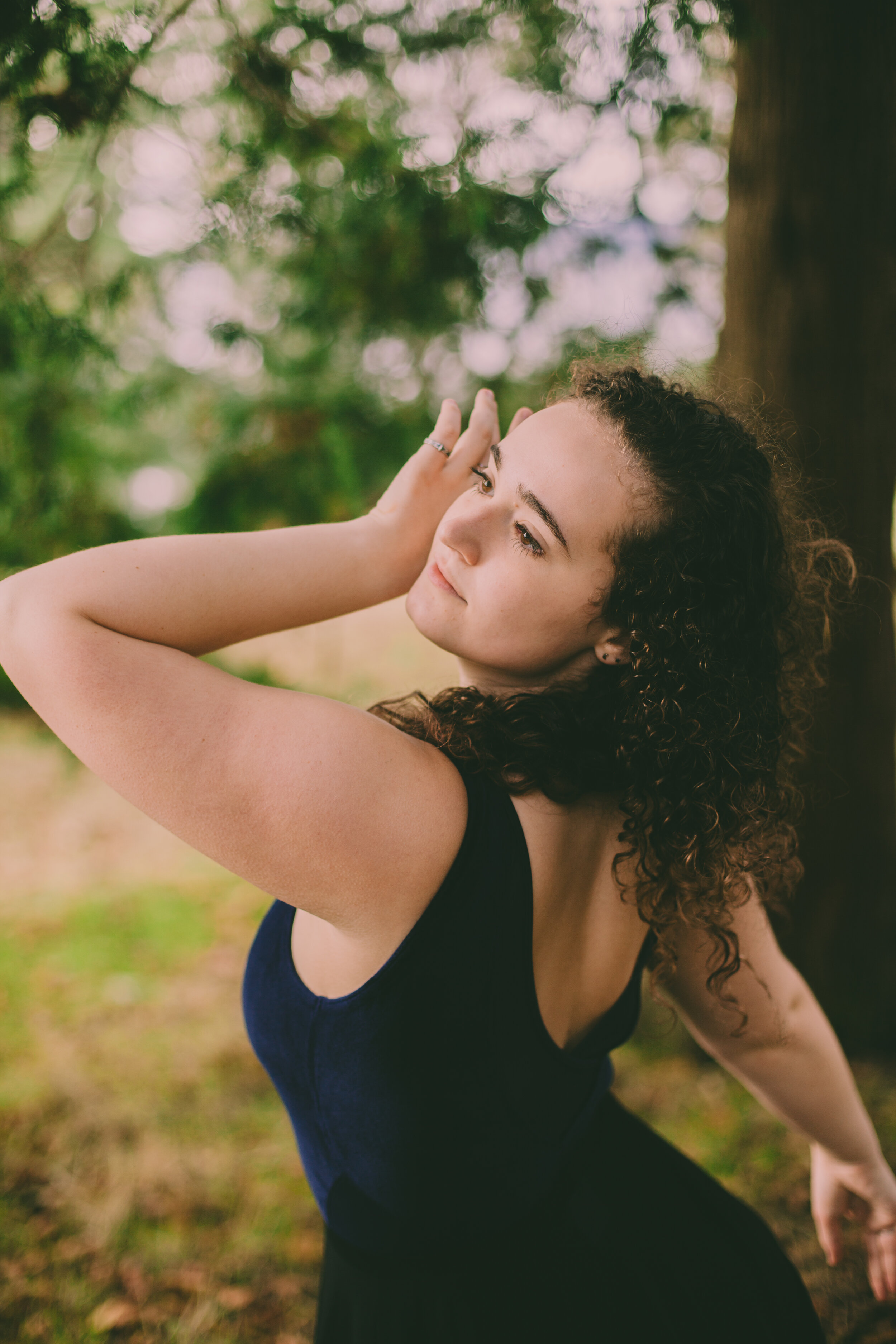
has been dancing for 5 years; the majority of her training being at Cornerstone Studio. She has trained in ballet, contemporary, lyrical, jazz, hip-hop, tap, break dancing, and aerial silks, although contemporary has always been her go-to. Her favorite thing about being a Dancewear Center Ambassador is being able to explore a side of being a dancer she never thought she would be a part of.
By Isabel Reck
Medical Disclosure: Dancewear Center does not claim to have any medical expertise on any circumstances or illnesses discussed. This writing speaks to Isabel’s personal experience and opinions. If you or someone you know needs help please refer to the resources listed at the bottom of this post. If you or someone you know needs immediate medical attention, call 911.
Trigger Warning: Trauma, Sexual Assault, Rape, Suicide, Depression, and Anxiety.
Many of us have been through trauma. I have read so many inspiring articles from amazing women saying “#metoo,” “TimesUp,” or “I am not a victim, I am a survivor.” They all have something to say, some good to come from this betrayal of humanity. It is gruesomely common and, at times, the trauma sustained can feel irreparable and impossibly taxing. I would know. At 17, I became a victim of statutory rape.
The Rape, Abuse, & Incest National Network (RAINN) states that 1 in 6 women have been raped--and that’s just the bare minimum; because how can we get accurate statistics when this is an issue that goes mostly unreported? This heinous crime has seeped into every industry, every neighborhood, every community.
Only five months later, I feel more like a victim than a survivor. No matter how hard I try--and I have been trying really hard--I haven’t been able to find that empowering spin other people have about being sexually assaulted and raped. I am someone who has always been a hard-core optimist. Maybe that's why my inability to find the silver lining is so crushing? I feel this drive to share my story in the hopes it will empower others—but what do I have to say that those before me haven’t already said? Some close to me are scared of me sharing this story because they worry about the consequences; but my gut tells me it’s something I need to do - and I’m done not listening to my gut.
Over my life, and especially recently, I have experienced some considerable lows. I have been in therapy since I was 12, when I landed myself in the ER for suicidal ideations. Since the night I was raped I have developed PTSD (Post Traumatic Stress Disorder) in addition to my pre-existing anxiety and depression. As my lovely therapist can tell you, I have talked a lot. I have talked about my feelings, dredged up my past, and attempted to heal my soul for 5 years in talk therapy. Despite this, there has always been a need for more than words to heal.
As a part of my recovery process, I continuously turned to dance improvisation, which has always been movement I find incredibly healing. Many times, my body has felt weak, dirty, used, and not my own. The only thing I have found to mend this damage is the power of proving these feelings wrong. Feeling the strength and control I have over my frame during times when I feel that this body is not my own. When I am able to hold myself in a mind-space of healing and patience, dance is able to release and teach myself what an infinite amount of words simply cannot.
I won't sit here and lie, saying that even on my worst days, dance is my cure-all. That said, I truly believe that my body is, and always has been, trying to look out for me. Dance taught me this, and it is knowledge I wish I could pass along to everyone hurting. Every time I dance, I feel like I am taking back one more piece of myself that I lost that summer night.
In my mission to help others through their own trauma, I am hosting a series of online (for now) movement workshops facilitated by Heather Smith of ObnoxiouslyFit. These workshops are for anybody who has experienced trauma, but will be specifically tailored towards those recovering from rape and/or sexual assault. All are welcome: our first few workshops will be “pay-what-you-can,” and no formal dance training is required. Click here for more information and to register!
In closing, I leave you with this:
Lift up your foot and look at the calloused sole. Think of the thousands of steps, both pedestrian and in dance, your feet have taken with you. Now hold your thighs. Remember every time they have helped you rise up off the floor again. Feel your heart, still beating even when you thought you were going to collapse, puke, and die.
I challenge you to do one simple thing. Next time you dance, be it in a crowded master class or alone in your bedroom, dance for you. Find that gut feeling within you, and go where it leads you. Witness the power of your biology. Know it's ok to feel sad, and anxious, and angry, and grief: but never forget the beauty of you.
RESOURCES
If you or someone you know is struggling with a sexual assault: (RAINN) Call 800.656.HOPE (4673) to be connected with a trained staff member from a sexual assault service provider in your area.
If you have suicidal thoughts, click HERE.
Call 1-800-273-TALK in the US, or visit suicide.org to find a helpline in your country.
Text “HOME” to 741741 Crisis Text Line serves anyone, in any type of crisis, providing access to free, 24/7 support via a medium people already use and trust.
If you are a parent who is wanting to help their children with COVID-19 related depression and anxiety, read this.
Click HERE for Mental health resources for Washington State.
READ: The Body Keeps the Score by Bessel van der Kolk, M.D.
Click HERE for resources from the American Psychological Association (APA) on trauma in children and youth.
A Place of My Own: A Conversation with Ashton Edwards
Earlier this month, Director of Marketing Cherie Rendón sat down with DWC Ambassador Ashton Edwards to discuss his journey and experiences surrounding starting pointe training as a gender fluid dancer. Ashton is currently a Professional Division student with Pacific Northwest Ballet, and is one of the first dancers to be allowed to train in both male and female classes: breaking down barriers in an industry that

A Place of My Own: A Conversation with Ashton Edwards
Ashton Edwards, originally from Flint, Michigan, has studied dance since the age of four years old at the Flint School of Performing Arts. Ashton has attended summer ballet intensives on full scholarships at The Joffrey Academy of Dance in Chicago, Houston Ballet School, and Pacific Northwest Ballet. In 2018, Ashton represented Flint in the NAACP’s National Afro-Academic, Cultural, Technological and Scientific Olympics (ACT-SO) competition in San Antonio, Texas, against over 250 students of all high school grades all over the country. In the Performing Arts, Ballet dance category, Ashton came in 3rd place, winning a bronze medal. Ashton is currently a Professional Division student at Pacific Northwest Ballet.
Earlier this month, Director of Marketing Cherie Rendón sat down with DWC Ambassador Ashton Edwards to discuss his journey and experiences surrounding starting pointe training as a gender fluid dancer. Ashton is currently a Professional Division student with Pacific Northwest Ballet, and is one of the first dancers to be allowed to train in both male and female classes: breaking down barriers in an industry that has historically been divided into uncompromising female/male binary categories.
CR: What led you to start training en pointe?
AE: It was a desire I had as a child. It’s always been something I wanted to do, to just… be a pretty ballerina. So I guess it was just natural, it was just a desire as a kid. It wasn’t until I was brave enough to come out and say it that I did.
CR: Since starting your training, what challenges have you run into?
AE: One of the biggest challenges has been exhaustion. Getting back up every day, and taking ample time to rest after the long day. That’s been the hardest part: pushing, and then recovering, pushing, and then recovering - every day. We have pretty long schedules at PNB, so we are dancing all day. For me, it’s going back and forth from pointe to flat, from pointe to flat. At the end of the day, my body in so many different ways is just… worn. It’s not just your normal stretch routine, it’s my stretching, and then my icing, and then my bath. I have a new routine now--it’s just… adapting.
CR: Speaking on recovery, what have you found really works for you as far as recovery practices? What does that look like for you?
AE: I come home, and I start with a long stretch [routine]. Usually my stretch takes about 10-15 minutes. I stretch, and then I roll out. I roll out all the muscles, so I start with a tennis ball and my feet, then with my roller I go: calves, quads, IT band, hip flexors, and back. I usually go then into an ice bath--just for my feet up to my knees. Next, epsom salt bath, shower, and then a heating pad for my back--then I go to bed! Then in the morning, I have a pre-class workout I have to do because of my back. I have a really flexible back, but also that leaves me in a vulnerable position. I went through a really bad injury last December, so now I have pilates exercises that I use to prepare for my day, and then I do all of these [recovery routines] after my day.
CR: Has anything surprised you about starting dancing en pointe?
AE: I think the most surprising part… is to know how different it is. Not to say that one is harder or one is easier, but they are just so different. It’s been mind boggling switching back and forth. Just the approach of a movement or a variation has to be so different, because the work requires so many different things. At the end of the day, my entire body is just worn because I’ve been switching back and forth, from muscle to muscle. I’m just exhausted by the end. It’s been very surprising to see how different the women work. [Even the] setup of the class--the energy of the class--how competitive (it’s a lot more competitive for the women), [and] just how hardworking and determined they have to be. It’s been really surprising and interesting to see.
CR: What sort of successes have you experienced since starting your training?
AE: [Most recently] PNB has nominated me for the Princess Grace [Awards]! But also, just general day-to-day successes… it’s been really fun completing variations in both male and female work now, and just feeling--still exhausted--but more at ease. I feel like a big success generally has been how strong my technique has become, and how I feel more mature in all of my dancing now, because I’ve dabbled in so many different things and created my own type of movement. That’s been a big success I feel for me, when I dance I feel good about what I’m doing.
CR: Since you have become an ambassador with [DWC] and we’ve all followed your progress throughout the last 6 months, we’ve gotten a lot of dancers from all over the country commenting about your progress and your story, and being really inspired by what you’re doing pioneering this normalization of more men dancing en pointe in a very serious fashion. What do you have to say to those people who may want to start training like you are? Any tips, words, advice, wisdom for those people?
AE: First, theraband, theraband, theraband! Get those feet as strong as possible! After that, don’t stop. Don’t stop emailing, don’t stop contacting whoever you have to contact. You have to push yourself through, because no one is going to invite you into the room: you have to put yourself there. So I guess my biggest advice--even for moms of these children--[is] to be the biggest advocate you can for yourself. Make your own place. Reach out to me, because I love to hear it, and I also love to help! Show people what I did and what PNB is doing: what it could be! You have to keep pushing for yourself. Make sure your technique is also up to where you’re saying it is, and be realistic in what you can do! My biggest thing is, I’m not asking to be Sugar Plum--but I’m asking to be back of the line corps de ballet: and I know I can do that. So I should have the opportunity. Know what you can do, and know what should be available to you, and make it available to you.
I’ve been getting a lot of those messages, and it’s just so cool. Especially the moms who [tell me], “I have a 4-year-old son, who heard about you!” I just well up every time. I was that person! I’ve gotten that before just as a black dancer, “oh, you’re so good!” But it means a little something different now, because this is something I never would have imagined being possible, and somehow I did it. I had a lot of help along the way, but also a lot of it was just down to me. I’ve cried so many times already, I don’t know how to describe it. I can not wait to be on the other side of my career, and bring so many people with me. Things are just falling into place--it’s so exciting.
CR: I’m so thankful for social media. If this were happening 10 years ago, it would take so much more to get in front of people and to get your story told. Just the way our culture communicates now online it’s so amazing to see more peoples’ stories just being out there and available so so many more people can see others like them and realize “yeah, I can do this too!” It’s great. I think what you’re doing is very inspiring. We’ve talked before, and you know that I think of you very highly, but I'm very happy that more people are able to see people like you.
AE: I love that I get to connect with these people, I love that there is a community of people that just are so strong together. I see the same people a lot in the comments of different posts, and it just feels like we are together. We are all in one mind and one body and just pushing through this together. It’s so nice to feel so supported.
To read more about Ashton Edwards and follow his journey, click any of the links below. To help support Ashton in his training, you can donate to his GoFundMe here.
Heather’s Top 5 Exercises for Dancers!

I get these questions often –
“What should I do if I want a higher extension? What exercises will help me reduce my chance for injury? How can I gain more control over the flexibility I’ve worked so hard for?”
Well my dearest dancer friends – here they are.
My top 5 most prescribed exercises for dancers!
*Click the video links for each exercise for a demonstration!
Stand next to a wall with a band around your thighs. Begin with your feet hip width apart and in parallel. Hinge your hips back and come into a shallow squat. Lift your inside leg and press the side of your shin into the wall while keeping your pelvis level. Hold for 30 seconds on each side. Repeat 2 more times.
This move is perfect for dancers wanting to train proper hip, knee ankle alignment and strengthen their standing leg…. which is all of us. A stronger standing leg equals a higher working leg, ability to pump out more pirouettes, and less chance of injury when landing from jumps.
Begin by kneeling on one knee and extending the other leg in front of you. Using socks or sliders, glide the front leg away from you towards your splits and then back again. Move slowly and with control while making sure your body stays upright. Repeat 5-10 on each side.
I like this move for all dancers as a replacement of the passive static splits. When we sit in a stretch there is no muscle activity needed. While in the eccentric sliding splits you’ll quickly come to realize what your muscles have control over. This makes a huge difference in your passive vs. active range of motion. A great example of this is how your battement height relates to your developpe height and how your splits transfer into your leap.
Tri Plane Lunges with Passe Balance:
Front lunge balance, back lunge balance. Repeat 3 times. Side lunge balance, curtsy balance. Repeat 3 times. Lunge to front corner, lunge to back corner. Repeat 3 times.
Dancers need to be able to keep their equilibrium while moving in all directions. This lunge series trains strong legs while practicing the skill of finding balance when entering from multiple angles.
Tabletop Press into Ipsilateral Dead Bug:
Lie on your back and come into tabletop. Start by keeping your low back actively touching the ground (as you advance you will be training this move in a neutral spine). Press the heels of your hands into your knees and tighten the core by actively pressing your knees back into your hands. Release your right hand and reach it over head while extending the right leg in opposition. Alternate Sides for 10 repetitions.
When I was training at the University of Illinois our motto was “find your core and go from there.” In essence they were drilling into us - all movement is in response to how strong or weak your core is. So train a strong center and see your balance, control, and power expand and grow!
Pushups: I start all clients on their knees. Align the wrists under the shoulders, tighten the core and find the neck in a neutral position. Shoulder blades are sliding down into your back pockets as you bend your elbows at a 45 degree angle away from your body. Only go as low as you can while continuing to maintain control over the entire shoulder girdle and core. Perform 10 repetitions, rest and repeat 2 more times.
We’re seeing it everywhere. Ballerinas aren’t just ballerinas anymore. They’re doing contemporary and modern as well--to name a few! We need to be able to not only support ourselves safely during floor work, but also be able to be a safe and confident partner during lifts to our fellow dancers.
Interested in writing for the DWC Blog? Click below to fill out the DWC Contributor application!